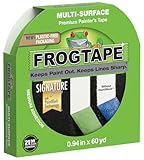
I’ve seen it too many times. Someone finishes painting, feeling that fresh-coat glow, and immediately slaps on painter’s tape for the trim or to create a crisp line. Then comes the peeling – paint pulling up with the tape, leaving jagged edges and a whole lot of swearing. It’s the classic “I couldn’t wait, and now I regret it” scenario. So, can you put painters tape on freshly painted walls? The short, blunt answer is: not if you want it to look good.
This isn’t some corporate secret or a tip reserved for pros. It’s basic paint science. I’ve learned this the hard way, wasting weekends on touch-ups that could have been avoided with a bit of patience. Let’s talk about what actually works and why rushing this step is a bad idea.
When Can You Actually Tape Over Fresh Paint?
This is the million-dollar question, isn’t it? Everyone wants to get the job done, and the thought of waiting around feels like torture. But here’s the deal: paint needs time to cure, not just dry. Drying means the surface feels solid. Curing means the entire paint film has hardened, bonded, and is ready to withstand a bit of abuse. Slap tape on too soon, and you’re basically yanking off a layer of that cure.
Most latex or acrylic paints need at least 24 hours before you can even think about taping. Honestly, if you can get away with waiting 48 hours, your chances of a clean pull are way, way higher. For oil-based paints, the waiting game is even longer – sometimes up to 72 hours, maybe even a week if it’s humid.
I once tried to tape over latex paint that was dry to the touch after only 12 hours. Big mistake. The tape, even the supposedly “delicate surface” kind, lifted chunks of paint like a bad sunburn.
My crisp white trim ended up looking like a topographical map of regret. It took me another whole afternoon to carefully scrape and repaint those edges. Lesson learned: patience is not just a virtue; it’s a prerequisite for a good paint job.
So, the rule of thumb? 24 hours is the absolute minimum for latex/acrylic. 48 hours is better. For oil-based, think 72 hours or more. If you’re unsure, err on the side of caution. A little extra waiting time saves you a lot of heartache and extra work later.
The Real Reason Paint Sticks to Tape
It’s not magic, and it’s not necessarily a faulty product (though some are definitely worse than others). The main culprit is the paint’s adhesion. When paint is wet or not fully cured, its bond with the surface isn’t as strong. Painter’s tape, even the low-tack kind, has an adhesive. This adhesive is designed to stick to surfaces. If the paint underneath isn’t fully hardened, the tape’s adhesive can bond to the paint itself more strongly than the paint is bonded to the wall. When you pull the tape, it’s like ripping off a Band-Aid – the paint comes with it.
This is especially true if you’re using a paint with a higher sheen, like satin or semi-gloss. These finishes are harder and more durable once cured, but they can be more prone to peeling with tape if the underlying layers haven’t set properly. The tackiness of the tape also plays a role. Different painter’s tapes have different adhesive strengths. Blue tape is generally considered good for most surfaces, but there are also specialty tapes for delicate surfaces that use a weaker adhesive. However, even the weakest tape can pull up uncured paint. (See Also: Does Painters Tape Pull Off Paint )
Humidity and temperature also mess with drying and curing times. If it’s damp or cold in your workspace, your paint will take longer to be ready. I once painted a basement room that stayed stubbornly tacky for days longer than the can suggested, all thanks to the chilly, humid air. Trying to tape over that would have been disastrous. So, the environment you’re painting in matters. Always consider that when estimating your drying and curing times.
Contrarian View: Why Some Folks might Get Away with It
Okay, here’s where I’m going to go against the grain a little. Everyone says, “Wait 24 hours!” or “Wait 48 hours!” And yes, for a truly pristine finish, that’s the best advice. But I’ve seen people – and yes, I’ve been one of them – slap tape on after just 12-18 hours and get away with it. Why? A few things are at play, and it’s mostly about the specific circumstances.
First, the type of paint. Some paints dry incredibly fast and form a tougher skin quicker than others. High-quality paints often perform better.
Second, the type of tape. I’ve used those super-low-tack tapes, often marketed for wallpaper or delicate surfaces, and they have a much gentler grip. They are less likely to pull off paint that’s just a bit soft. Third, the technique.
If you’re pulling the tape very slowly and at a sharp angle, often pulling it back onto itself rather than straight out, you can sometimes minimize the damage. I remember one time, I was in a massive rush for a client’s open house.
The walls were painted with a Sherwin-Williams Duration (which dries hard as nails), and I used the Scotch Blue Delicate Surface tape. I pulled it off at a 45-degree angle, super slowly. Miraculously, there was minimal bleed-through and no lifting.
It was a gamble, and I wouldn’t recommend it for your own home project, but it can happen.
However, the risk is high. You’re playing with fire, and the consequences can be a messy, time-consuming repair job. So while it’s possible to get lucky, it’s generally a terrible idea. Don’t bet your weekend on it. The common advice is common for a reason: it usually works and prevents headaches. (See Also: Does Painters Tape Rip Paint Off Walls )
Choosing the Right Tape for the Job
This is where many DIYers fall down. They grab whatever tape is cheapest or just “painter’s tape” without realizing there are different types for different needs. For freshly painted walls, especially if you’re questioning the cure time, you need the gentlest tape you can find. That usually means tape specifically labeled for “delicate surfaces.” These have a lower tack adhesive that’s less likely to grab and pull off paint that’s not fully hardened.
The common blue painter’s tape is a good all-arounder, but it’s designed for surfaces that have had ample time to cure, or for masking off trim and other areas that won’t be painted. Green tape is often for general use, and purple tape is sometimes marketed for more demanding applications or longer paint jobs. For our fresh-paint scenario, blue is okay if you’ve waited the full recommended time, but if you’re tempted to rush it, you must go for delicate surface tape.
Here’s a quick breakdown of common tape colors and what they’re generally for:
| Tape Color | Typical Use | Adhesive Strength | Opinion/Verdict |
|---|---|---|---|
| Blue | General masking, multiple surfaces, projects up to 14 days | Medium | Good for most jobs where paint is fully cured. Can still pull uncured paint. |
| Green | General purpose, exterior use, slightly stronger hold | Medium-High | Avoid on fresh paint. Better for masking off areas you don’t want to paint, not for clean lines on new paint. |
| Purple | Longer paint jobs (up to 60 days), multiple surfaces | High | Definitely not for fresh paint. Way too aggressive. |
| Yellow/Gold | Delicate surfaces (wallpaper, fresh paint, freshly painted walls) | Low | Your best bet if you must tape soon. Still a risk if paint is truly wet. |
| White (delicate surface) | Specific mention of ‘delicate surfaces’ or ‘fresh paint’ | Very Low | The safest option for when you absolutely can’t wait the full cure time. Still requires caution. |
My personal preference? If I’m painting a room and need to tape off trim after painting the walls, I’ll use the yellow or white delicate surface tape. It costs a bit more, but the peace of mind and cleaner lines are worth it. I’d rather spend an extra $5 on tape than another 3 hours on touch-ups.
The Drying vs. Curing Conundrum
This is the core of the issue. People see a painted surface and think, “It’s dry!” They touch it, and it doesn’t feel sticky. That’s just the surface drying. The paint film is still… well, not fully done. Think of it like baking a cake. The outside might look and feel done, but the inside is still gooey. If you try to slice it too early, it’s going to fall apart. Paint is similar, but instead of gooeyness, it’s about adhesion and film integrity.
Latex and acrylic paints cure through evaporation of water and coalescing of the acrylic binders. This process can take days or even weeks to fully complete, depending on the paint formulation, temperature, and humidity. The longer it cures, the harder and more durable the paint film becomes. Oil-based paints cure through oxidation, which is a slower chemical reaction and takes even longer to fully harden.
When you apply tape, you’re applying pressure and creating a seal. If the paint isn’t fully cured, the tape’s adhesive can pull at the soft paint film, distorting it, lifting it, or even removing it entirely. This is why you see paint stuck to the tape, and jagged edges on the wall. The paint hasn’t formed a strong enough bond with the wall surface or itself to resist the pull of the tape’s adhesive. Waiting the recommended cure time allows the paint to achieve its maximum hardness and adhesion, creating a surface that can withstand the removal of tape without damage. It’s about letting the paint do its job properly before you ask it to do something else.
The Real-World Consequences of Rushing
Let me paint you a picture. You’ve just spent a Saturday painting your living room a beautiful new color. You’re exhausted but thrilled. The walls look amazing. Then, you decide to tape off the ceiling or the baseboards to add a contrasting color, or just to get a super-clean line. You’ve waited maybe 12 hours, thinking, “It feels dry enough.” You press the tape down, cut in your second color, peel the tape off… and horror. The first color is peeling up with the tape. It’s not just a little bit; it’s jagged, messy strips of paint that have been ripped away. (See Also: Does Masking Tape Work The Same As Painters Tape )
Suddenly, your beautiful new paint job looks like a disaster. You’ve got paint everywhere it shouldn’t be. Your crisp lines are gone, replaced by abstract, uneven borders. Now you have to go back. You have to carefully scrape off the lifted paint, feather the edges, apply a primer, then meticulously repaint those lines. This takes way longer than just waiting the extra day or two would have. I’ve had to do this more times than I care to admit, especially when I was younger and impatient. It’s not just the time; it’s the sheer frustration of undoing your own work. It makes you question your sanity and your painting skills, even though it was just impatience that caused the problem.
Beyond the aesthetic mess, there’s the potential for damage. If the paint is really wet, you might even pull off some of the primer layer beneath it, meaning you have to re-prime and repaint a much larger area. It’s a cascade of problems that starts with a simple, but costly, mistake: taping too soon. The common advice to wait is rooted in real-world experience, and ignoring it is a gamble you’re likely to lose.
Faq: Can You Put Painters Tape on Freshly Painted Walls?
Can I Tape Over Semi-Gloss Paint That’s Still a Bit Tacky?
No, absolutely not. Semi-gloss paint, once cured, is quite durable, but when it’s still tacky, it’s even more prone to lifting with tape than flat or eggshell finishes. You need to wait for it to be fully dry to the touch and ideally a day or two to let it start curing before attempting to tape.
How Long Does Tape Need to Stay on Freshly Painted Walls?
If you’re taping walls that are freshly painted, the goal is usually to create a line or mask an area for a second coat of paint, or to paint trim. You’ll typically remove the tape shortly after painting the second color, while that new paint is still wet, to get the cleanest line. This is key for avoiding paint peeling when the tape is removed. The issue isn’t how long the tape stays on, but when you apply it to the first layer of paint.
Is There Any Tape That’s Safe for Freshly Painted Walls?
The safest option is tape specifically labeled for “delicate surfaces” or “fresh paint.” These use a very low-tack adhesive. However, even this tape carries a risk if the paint is truly wet or not fully dry to the touch. Patience is always the best strategy, but if you must tape, choose the gentlest tape available.
What Happens If I Leave Painter’s Tape on Too Long?
Leaving painter’s tape on for too long, even after the paint has cured, can also cause problems. The adhesive can become too strong, and the edges of the tape can seal to the paint, making it difficult to remove cleanly. This can lead to paint chipping or peeling at the edges when you finally pull it off, especially if the tape has been exposed to strong sunlight or heat, which can bake the adhesive onto the surface.
Final Verdict
So, to circle back: can you put painters tape on freshly painted walls? The answer remains a resounding “wait.” While some folks might get lucky with super-delicate tapes and specific paint types, the risk of a ruined paint job is just too high. Trust me, the extra 24 or 48 hours is a small price to pay for clean lines and a professional-looking finish. Your walls will thank you for it.
My advice? Finish painting, clean up your brushes, and then go do something else. Read a book, watch a movie, or just stare at your newly painted walls admiring your handiwork. Resist the urge to tape. When the time is right, use the right tape, apply it carefully, and remove it slowly. It’s the only way to guarantee a job well done without the headache of costly repairs.
Next time you’re tempted to rush, remember the sheer amount of extra work an impatient move can create. A little patience goes a very long way in the world of home improvement.