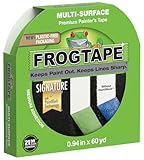
I remember the first time I tried to do a clean two-tone paint job on my old pickup. I figured masking tape was masking tape, right? WRONG. I used some cheap stuff I had lying around, and by the time I peeled it off, it looked like a badger had gnawed through my paint lines. So, the burning question, can you put painters tape on a car? The short answer is yes, but oh boy, there’s a heap of nuance you absolutely need to know if you don’t want to end up with a disaster worse than my first attempt.
This isn’t just about slapping some blue paper onto your ride. It’s about protecting your finish, achieving crisp lines, and not spending your weekend crying over a ruined paint job. Let’s get into what actually works and what’s just a waste of your time and money.
When the Blue Stuff Becomes Your Best Friend (or Worst Enemy)
Look, everyone’s seen painters tape. It’s that blue, sometimes green, papery stuff that promises sharp lines and easy removal. And for walls? It’s usually fine. But a car? That’s a whole different ballgame. The paint on your car isn’t like drywall. It’s a delicate, multi-layered finish that’s often exposed to the elements, UV rays, and a whole lot of heat, especially in direct sunlight. This is where the generic advice about ‘just use painters tape’ really falls apart.
The real trick isn’t just slapping it on; it’s understanding which painters tape to use and how to use it. Cheap, generic stuff is often too sticky. It might adhere too aggressively, and when you pull it off, it can lift the paint, especially if that paint is fresh, not fully cured, or if the surface wasn’t prepped properly. I learned this the hard way, trying to add a subtle stripe to my old Civic.
The tape I used, thinking it was a bargain, left behind this fuzzy, sticky residue that took hours to scrub off, and some paint lines were just… gone. Poof. Like they never existed. It looked like a kindergartener had gotten hold of a crayon and a car.
The heat from the sun is another big factor. Park your car in direct sun for even an hour, and that surface can get seriously hot. This heat makes the adhesive on the tape soften and basically bake onto your paint. When you try to remove it later, it doesn’t peel; it tears, leaving behind a sticky mess that’s a nightmare to clean.
For any serious automotive work, you need to think about temperature and how long the tape will be on. Generally, the longer it’s on, and the hotter it gets, the higher the risk of adhesion issues.
This is why dedicated automotive masking tapes are a thing, and why they cost more. They’re engineered for this specific, often brutal, environment.
So, can you put painters tape on a car? Yes, but you’re walking a fine line if you grab the wrong stuff. Your goal is to get a temporary, secure bond that protects your paint without damaging it or leaving residue when removed. This means looking for tapes with specific formulations for automotive use, or at least high-quality ones designed for sensitive surfaces and temporary adhesion.
What Makes Some Blue Tape a Car’s Buddy and Others a Scourge?
The core difference between tape that’ll ruin your day and tape that’ll save your paint lies in its adhesive and the backing material. Generic painters tape, the kind you buy in a massive multipack for a few bucks, is usually loaded with a pretty aggressive adhesive. It’s designed to stick to walls, wood, and various other surfaces for a decent amount of time, and it doesn’t care too much about what’s underneath. This is great for a quick paint job on a fence, but a potential nightmare for your car’s clear coat.
Automotive masking tapes, on the other hand, are formulated with lower-tack adhesives. This means they stick well enough to create a seal against paint bleed, but they’re designed to release cleanly. Think of it like a gentle hug versus a vise grip. The backing material is also often different. While standard painters tape is usually just paper, automotive versions might use more refined paper or even thin film materials that are less likely to absorb moisture or degrade under UV exposure. They’re also engineered to create very fine, sharp lines. The edges are often designed to be flatter, reducing the chance of paint creeping underneath.
I remember a project where I was masking off a section of my bumper for a custom color accent. I’d bought what I thought was a decent ‘premium’ painters tape from the hardware store. Big mistake. (See Also: Does Painters Tape Rip Paint Off Walls )
After about three hours in the sun, it had bonded so firmly that when I tried to pull it off, it didn’t just lift paint; it left a weird, slightly gummy layer of adhesive that I had to use a specialized goo-gone product on. My buddy, who’s been detailing cars for years, just shook his head.
‘You gotta use the real deal for automotive work,’ he said. ‘It’s worth every penny to not deal with that mess.’ He showed me his roll of 3M automotive masking tape. It felt different – thinner, more pliable, and the tack was just right. It felt engineered for the job, not just a general-purpose adhesive strip.
When you’re shopping, look for terms like ‘automotive masking tape,’ ‘high-temperature masking tape,’ or ‘low-tack adhesive.’ Brands like 3M, S.P.A.R., and FrogTape (their automotive-specific versions, not the standard green) often make products designed for vehicle applications. They might seem more expensive per roll, but considering the potential cost of paint repair or a botched job, they’re often the cheaper option in the long run. You’re paying for peace of mind and a guaranteed cleaner result. Don’t be tempted by the multi-packs of generic tape; it’s a false economy when it comes to your car’s finish.
Common Mistakes and How to Dodge Them
The number one mistake people make is assuming all painters tape is created equal. As I’ve hammered home, it’s not. But even if you buy the right stuff, there are other pitfalls. One big one is improper application, especially when it comes to sealing the edges. You can’t just slap the tape on and expect a perfect line. You need to press it down firmly all the way around. Use your fingernail or a plastic squeegee (often called a ‘fender brush’ or ‘trim tool’ in automotive circles) to make sure the edge is fully adhered to the paint. This creates a barrier that paint cannot easily seep under.
Another common error is leaving the tape on too long. The longer it stays on, especially in varying temperatures or humidity, the higher the chance the adhesive can degrade or become overly sticky. The ideal time to remove masking tape is while the new paint is still slightly soft, but not so wet that you’ll smudge it. This is often referred to as ‘wet peeling.’ As soon as you’ve applied enough coats of your new paint and it has flashed off (lost its wet sheen), it’s usually time to carefully remove the tape. If you wait for the paint to cure rock hard, it can sometimes bond to the tape itself, leading to lifting or tearing when you pull it off.
I made this mistake once trying to paint a trim piece on a client’s vintage motorcycle. I got distracted, let the paint cure for a full 24 hours, and when I went to pull the tape, it ripped up a section of my freshly laid clear coat.
I was furious with myself. My mentor later told me, ‘Always remove masking tape while the paint is still yielding.
It’s a small window, but it’s the most important one for clean lines.’ He also mentioned a trick: sometimes, after painting, you can gently run a razor blade or a sharp craft knife very lightly along the edge of the tape where it meets the painted surface. This scores the paint, creating a clean break and making sure the tape doesn’t pull paint with it. It’s a technique that requires a steady hand and some practice, but it can save a botched job.
Finally, don’t underestimate surface preparation. If your car’s paint is dirty, greasy, or has a waxy coating, the tape won’t adhere properly in the first place. Always clean the area thoroughly with an appropriate automotive degreaser and a clean microfiber cloth before applying any masking tape. This makes sure a clean surface for the adhesive to grip onto, and it’s part of the process that leads to professional-looking results. Ignoring this step is like trying to build a house on sand – it’s bound to fail.
Real-World Uses: Beyond Just Straight Lines
While crisp paint lines are the most obvious application, painters tape has a surprising number of other uses when you’re working on your car. One of the most practical is protecting delicate trim pieces or emblems. Sometimes, you just need to clean a hard-to-reach spot or apply a protectant to a specific area, and you don’t want to accidentally scuff a chrome emblem or damage a rubber seal. A carefully placed strip of automotive-grade tape can act as a temporary shield.
I’ve also used it for temporary repairs, though this is strictly in a pinch. For instance, if a small plastic interior trim piece has cracked and you need it to stay in place while you source a replacement, a bit of strong painters tape can hold it together. It’s not pretty, and it’s not permanent, but it can stop the piece from rattling around and making noise, or prevent further damage. Think of it as a temporary bandage. It’s not something you’d want people to see, but it serves a purpose in the short term. (See Also: Does Masking Tape Work The Same As Painters Tape )
Another surprisingly useful application is in organizing. If you’re doing a big job, like a full interior detail or engine bay clean, you might have a dozen small bottles of cleaners, polishes, or protectants. I’ve found that using masking tape to label different containers or to mark sections you’ve already worked on can be a lifesaver. You can write on it with a marker, and it sticks well to most plastic bottles. It helps keep track of what’s what, and prevents you from accidentally using the wrong product. This is especially handy if you’re dealing with different types of waxes, sealants, or interior dressings that look similar but have vastly different purposes.
Here’s a table of some common automotive uses and my verdict on using painters tape for them:
| Application | Type of Tape Recommended | My Verdict |
|---|---|---|
| Creating sharp paint lines (two-tone, accents) | Dedicated Automotive Masking Tape (e.g., 3M 233+, S.P.A.R. 1000) | Key. This is what it’s made for. Don’t skimp. |
| Protecting trim or emblems during cleaning/polishing | Medium-tack Automotive Masking Tape or High-Quality Blue Painter’s Tape | Very useful. Provides a good balance of adhesion and clean removal. |
| Temporary holding of interior trim pieces | High-tack Blue Painter’s Tape or general purpose masking tape | Use with caution. Works for non-important, non-visible areas. Not for structural integrity. |
| Labeling bottles or work areas | Any decent quality Blue or Green Painter’s Tape | Great for organization. Easy to write on and remove later. |
| Masking for headlight restoration or minor paint touch-ups | Fine-line or Automotive Masking Tape | Important for precision. Cheap tape will bleed and ruin the effect. |
As you can see, the key is always matching the tape’s properties to the task. For anything involving paint, especially fine lines, you’re going to want something specifically designed for automotive use. For less important tasks, like labeling, you have more flexibility. The main takeaway is that ‘painters tape’ is a category, not a specific product, and in automotive applications, the devil is truly in the details of that category.
When to Splurge on Automotive-Specific Tape
Alright, let’s talk brass tacks. When does that premium price tag for automotive masking tape actually make sense? For me, it’s any time I’m dealing with a paint job that isn’t just a quick rattle-can touch-up on a rusty fender. If you’re doing a two-tone paint job, a custom stripe, masking off areas for clear coat application, or even doing something as seemingly simple as painting a wheel rim, you need automotive-grade tape. Why? Because these applications demand absolute precision and a clean break line.
Generic tape, even the good stuff you’d use for interior walls, has a tendency to bleed. It’s because the adhesive isn’t formulated to create that super-tight seal needed for automotive finishes. Paint will find its way under the edge, leaving you with fuzzy, feathered lines that scream ‘amateur.’ I once tried to paint a classic motorcycle gas tank with a stripe, and I used what I thought was high-quality blue tape. The sun was beating down, and within a couple of hours, the adhesive had softened.
When I pulled it off, the stripe was a mess. It looked like it had been drawn with a leaky marker. I ended up having to sand down the entire tank and start over.
That mistake cost me an extra weekend and a fair bit of sandpaper and paint. The automotive tape I used the second time around was about three times the price per roll, but the lines were razor-sharp.
It adhered perfectly, came off cleanly, and saved me hours of rework.
Another situation where you absolutely want specialized tape is when working with modern automotive paints, especially water-based or sensitive urethane systems. These paints can be more aggressive or delicate than older lacquers. The tape needs to be compatible, meaning it won’t react with the solvents or pigments, and it needs to be able to withstand the application process without pulling up the base coat or creating adhesion issues for the new clear coat.
Consider the cost of your car. If it’s a daily driver you might not fuss too much about a slightly imperfect line on a minor repair. But if you’re working on a show car, a classic, or anything where pride of ownership is high, you’re protecting a significant investment. The cost of a few rolls of good automotive tape – think 3M 233+ or equivalent – is negligible compared to the cost of repainting a whole panel or, worse, a whole car because of a tape mishap. It’s about minimizing risk and maximizing the quality of your finish. It’s not just tape; it’s a important tool in the painter’s arsenal for achieving professional results.
Tips and Tricks for a Flawless Finish
So, you’ve got the right tape. Now what? Application is everything. First, make sure the surface is immaculately clean and dry. I can’t stress this enough. Any dust, grease, or wax will compromise the tape’s adhesion and lead to bleeding. Use an automotive-specific degreaser and a lint-free microfiber towel. Then, apply the tape with a consistent, firm pressure. Use a plastic razor blade or a dedicated masking tool to lay down the tape edge. Run it along the entire length of the tape’s edge to make sure it’s fully sealed against the paint. This is your barrier against bleed-through. (See Also: Does Painters Tape Peel Paint )
When painting, don’t blast the paint directly onto the tape edge. Start spraying a little distance away and sweep across the tape line. This prevents the paint from building up pressure at the edge and forcing its way underneath. Apply paint in thin, even coats rather than one thick, heavy one. This reduces the chance of runs and drips that can pool at the tape line. If you’re doing multiple coats, let each coat flash off properly before applying the next. This means waiting until the wet sheen disappears but the paint is not fully cured.
The removal process is just as important as application. As mentioned before, the best time to remove tape is while the paint is still slightly soft – not wet, but yielding. Carefully and slowly pull the tape away at a sharp angle, about 45 degrees, pulling it back on itself.
If you pull straight up, you increase the risk of tearing the paint. If you encounter any resistance or feel like it’s pulling paint, stop. Gently try to score the paint edge with a sharp blade (held at a very low angle) or use a heat gun on a low setting to gently warm the tape and adhesive, making it more pliable. Be extremely careful with heat guns; too much can damage the paint underneath.
Here’s a quick process rundown for getting those killer lines:
- Clean the Surface: Thoroughly degrease and dry the area where the tape will be applied.
- Apply Tape: Place the tape carefully, making sure it’s straight and aligned.
- Seal the Edge: Use a plastic squeegee or your fingernail to firmly press down the tape’s edge, creating a perfect seal.
- Paint in Light Coats: Apply thin, even coats of paint, avoiding heavy application directly at the tape line.
- Flash Off Properly: Allow each coat to flash off before applying the next.
- Remove While Yielding: Pull the tape off slowly and at a sharp angle as soon as the paint is no longer wet to the touch.
- Score if Necessary: If paint adhesion is a concern, lightly score the paint edge with a sharp blade.
Practicing these steps on scrap metal or a less visible area of your car first can build confidence. It’s a skill that gets better with repetition, and the results are undeniably worth the extra effort and attention to detail. You’re not just slapping tape on; you’re meticulously preparing for a quality finish.
Faq: Painters Tape on Cars
Can Painters Tape Damage Car Paint?
Yes, it absolutely can, especially generic, high-tack painters tape. The adhesive can be too aggressive, leading to paint lifting or leaving behind sticky residue. Heat also makes the adhesive stickier, increasing the risk of damage. Using automotive-specific masking tape with a low-tack adhesive and following proper application and removal techniques significantly reduces this risk.
What Is the Best Type of Tape for Painting a Car?
The best tape for painting a car is a dedicated automotive masking tape. These tapes are formulated with low-tack adhesives, are designed to withstand higher temperatures, and create sharper lines than standard painters tape. Brands like 3M, S.P.A.R., and specialized versions of FrogTape are often recommended.
How Long Can Painters Tape Stay on a Car?
It’s best to remove painters tape as soon as the new paint has flashed off and is no longer wet to the touch. Leaving it on for extended periods, especially in direct sunlight or varying temperatures, increases the risk of the adhesive becoming overly sticky or bonding too strongly to the paint, which can lead to damage upon removal.
Can I Use Regular Blue Painters Tape for Touch-Ups?
For minor touch-ups where precision is less important and the paint is not factory finish quality, regular blue painters tape might suffice if used carefully. However, for any significant touch-up or if you want a clean, professional-looking result, automotive masking tape is always the superior choice to prevent bleeding and make sure clean lines.
Final Verdict
So, to circle back to the main question: can you put painters tape on a car? The answer is a definitive ‘yes, but be smart about it.’ You wouldn’t use a butter knife to carve a statue, and you shouldn’t use bargain-basement tape on your car’s paint. Investing in the right automotive-grade masking tape is not an extravagance; it’s a necessity for anyone who cares about a clean, professional-looking finish.
Pay attention to the adhesive, the temperature rating, and the intended use of the tape. Clean surfaces, proper application, and careful removal are just as important as the tape itself. Messing this up can turn a simple weekend project into an expensive headache. Think of it as buying insurance for your paint job.
Next time you’re facing a masking job on your vehicle, take a moment to choose the right tool for the job. Your car’s finish will thank you for it, and you’ll avoid the frustration of peeling back tape to reveal a mess you have to fix.