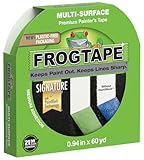
I’ve been there. Staring at a freshly painted wall, a pristine carpet, and the looming dread of where the paint might decide to migrate. You need to protect that carpet, and fast. My first instinct, like many, was to grab that roll of blue painters tape sitting in the garage. It’s the go-to for masking trim, right? But shoving it onto carpet? That’s a whole other ballgame.
So, can you put painters tape on carpet? The short answer is technically, yes, you can. But whether you should, and how you go about it without turning your rug into a sticky mess or a ripped-up disaster, is a different conversation entirely. It’s not as straightforward as taping off baseboards, and frankly, most people don’t get it right the first time.
The Sticky Truth: Why Painters Tape on Carpet Is Tricky
Let’s cut to the chase: painters tape was designed for hard, smooth surfaces. Think wood trim, window frames, metal edges. Its adhesive is formulated to stick well enough to create a barrier but peel off cleanly without damaging paint or leaving residue. Carpet, on the other hand, is a fuzzy, uneven beast. It’s made of fibers, loops, and a whole lot of texture. This makes a huge difference in how any tape interacts with it.
When you press painters tape onto carpet, it doesn’t create a solid, airtight seal. The adhesive can’t get a firm grip on the individual fibers. Instead, it often bridges over the gaps, meaning paint, dust, or whatever you’re trying to contain can seep underneath. I learned this the hard way during a basement repaint. I meticulously taped off a large section of wall-to-carpet transition, confident I was covered. Hours later, a tiny drip found its way under the tape, creating a faint blue line that was a nightmare to scrub out. The tape looked like it was stuck, but it wasn’t sealed properly against the carpet’s irregular surface.
Another issue is the carpet fibers themselves. Depending on the pile height and material, the tape can get embedded. When it’s time to pull it up, you’re not just peeling tape; you’re often pulling out loose carpet fibers. This is especially true for cheaper tapes with aggressive adhesives or for carpets with a high, shaggy pile. The tape can leave behind a fuzzy residue, or worse, create bald spots where fibers have been yanked out. I once tried using a heavy-duty construction tape (mistake!) on a Berber carpet, and it felt like I was ripping up the carpet’s weave when I pulled it off. It looked like a small, angry badger had attacked that corner.
The type of painters tape matters immensely, too. There are different ‘strengths’ of painters tape, often indicated by color. The standard blue is usually medium-tack. Green is often for delicate surfaces, meaning weaker adhesive. Purple or other specialty tapes exist for specific jobs. For carpets, you’re generally looking for something that’s not too aggressive, but also not so weak that it won’t hold. It’s a delicate balance, and honestly, most standard rolls aren’t optimized for carpet.
What to Look for: The ‘carpet-Friendly’ Tape Myth
Okay, so you’re in a bind and need to protect your carpet. You’re probably wondering if there’s some magical roll of “carpet tape” out there that works wonders. The truth is, while some tapes are better suited than others, there isn’t a universally perfect solution that makes taping carpet foolproof. Most products marketed specifically for carpet are less about masking paint and more about temporarily holding down carpet edges or preventing shifts during events. They often have a much stronger, more aggressive adhesive designed to grip fibers firmly, which can be detrimental if you’re trying to remove it without damage.
When I’m forced to use tape on carpet for painting, I lean towards a medium-tack blue or sometimes a ‘delicate surface’ green tape, but with extreme caution. The goal is to find a tape that has enough grip to stay put against minor bumps and drafts but won’t bond too aggressively with the carpet fibers. The adhesive needs to be flexible enough to adapt to the uneven terrain of the carpet. I’ve found that some of the higher-end brands, while more expensive, often have a more consistent and predictable adhesive. They’re less likely to leave behind that annoying sticky residue or pull out a disproportionate number of fibers.
However, the real trick isn’t finding a magical tape; it’s in the application. You need to think of it less like taping a straight line and more like creating a miniature dam. This means pressing the tape down firmly, not just with your fingers, but using a tool. A putty knife, a stiff roller (like a brayer), or even the edge of a credit card can help push the tape down into the carpet nap, trying to get the adhesive to make contact with as many fiber bases as possible. This makes it much harder for liquids to creep underneath. (See Also: Does Painters Tape Pull Off Paint )
I’ve experimented with a few different types of tape over the years. There’s the ultra-cheap, generic brand tape that I bought in a bulk pack once. That stuff was useless. It either wouldn’t stick at all, or it left a gummy, iridescent mess that I had to get down on my hands and knees to painstakingly remove with goo remover. Then there was a premium brand, expensive stuff, that promised a clean release on all surfaces. It was better, but still not perfect on carpet. The best results I’ve had were from mid-range, reputable brands where I paid attention to the “tack” level. Think of it as finding the Goldilocks zone: not too sticky, not too weak.
The Right Way to Apply (if You Must)
If you absolutely have to use painters tape on your carpet for a project, here’s how I’d tackle it, assuming you’re painting and need a clean line against the wall. Forget just slapping it down. This is a process. First, make sure your carpet is clean and dry. Any dust, dirt, or moisture will interfere with the adhesive and can get trapped under the tape, potentially staining the carpet when the paint dries.
Next, lay down the tape along the edge where the wall meets the carpet. Don’t pull it taut; let it drape slightly to conform to any dips in the carpet surface. Now, here’s the important part: pressing it down. Use a tool. I usually grab a putty knife or a stiff plastic card (like an old loyalty card). Start at one end and firmly press the tape down, working your way along the length. The goal is to push the tape deep into the carpet fibers, trying to get the adhesive to grip the base of the fibers, not just the tips. You want to create as much of a seal as possible.
Here’s a numbered approach for the best chance of success:
- Clean and Dry: Vacuum the carpet thoroughly along the edge you’ll be taping. Make sure it’s completely dry.
- Strategic Placement: Lay the tape down, allowing a slight slack to follow the carpet’s natural contours. Don’t stretch it tight.
- Firm Adhesion: Use a putty knife, paint scraper, or stiff plastic card to press the tape down. Work in sections, pushing the tape deep into the fibers. Angle the tool slightly to wedge the tape.
- The Seal Check: After applying, run your finger along the edge again. You’re looking for any lifted edges or areas where the tape isn’t making firm contact with the carpet base. Re-press these areas.
- Paint with Care: When painting, use light coats. Avoid overloading your brush or roller, which increases the chance of paint seeping under the tape. Feather your strokes away from the tape line.
- The Reveal: This is the moment of truth. Wait for the paint to be completely dry to the touch, but don’t leave it for days. Pull the tape up slowly, at a 45-degree angle, away from the painted surface. If you encounter resistance or feel fibers pulling, stop and gently work the tape loose.
I once tried a different method where I used a very thin bead of caulk behind the tape line on the baseboard, just to create a slightly better barrier. That was a bit much, honestly. Overkill. The tool-pressing method is usually sufficient if you’re careful.
Common Mistakes and Why They Happen
The biggest mistake people make is treating carpet like a wall. They just stick the tape on and assume it’s sealed. This is where most of the frustration comes from. The fuzzy nature of carpet means tape rarely adheres perfectly. So, what goes wrong?
Mistake 1: Using the Wrong Tape. As I’ve said, standard blue tape is okay, but sometimes it’s too aggressive for delicate carpets, or not aggressive enough to stay put. Using duct tape or packing tape? Recipe for disaster. You’ll be left with sticky residue and ripped-out fibers. I saw a buddy try to use heavy-duty outdoor tarp tape once. His carpet looked like it had lost a fight with a weed whacker.
Mistake 2: Insufficient Pressure. This is HUGE. Just running your hand over the tape isn’t enough. You need to really press it down into the fibers with a tool. If the tape is sitting on top of the carpet pile, paint will find its way underneath. I’ve seen people use their shoe to press it down. While that might get some pressure, it’s uneven and can dirty the tape. (See Also: Does Painters Tape Rip Paint Off Walls )
Mistake 3: Painting Too Aggressively. If you glob on paint right up to the tape line, it’s going to run. You need to use light coats and be mindful of where your brush or roller is going. Think of the tape as a very delicate guide, not an impenetrable fortress.
Mistake 4: Waiting Too Long to Remove. While you want the paint to be dry, leaving tape on for days or weeks can cause the adhesive to bond permanently with the carpet fibers. It becomes brittle and harder to remove cleanly, increasing the risk of damage. Conversely, pulling it off when the paint is still wet can cause the paint to lift with the tape, creating jagged, ugly lines.
Mistake 5: Expecting Perfection. This is the contrarian opinion part. Everyone wants that crisp, razor-sharp line. While you can get close, expecting absolute perfection when taping carpet is often setting yourself up for disappointment. There’s always a small chance of a tiny bleed or a slightly pulled fiber, especially with longer pile carpets. Accept that it might not be flawless, and focus on doing the best job possible. I’ve found that focusing on preventing major paint drips is a more realistic goal than achieving a factory-perfect edge.
Alternatives to Consider for Better Results
Honestly, if you’re doing a large painting job or you have a high-value carpet, I’d strongly consider alternatives to painters tape directly on the carpet. It’s often more trouble than it’s worth.
One of the most reliable methods is using a good quality, wide masking tape (often 2-inch or 3-inch) and applying it to the baseboard itself. Then, you use a flexible plastic sheeting or a drop cloth to cover the rest of the carpet, tucking it under the masking tape on the baseboard. This creates a much more secure barrier against paint. This is how professionals often do it for a reason. It’s effective and minimizes the risk of carpet damage.
Another option, if you’re dealing with very short nap carpet or even low-pile rugs, is to use a stronger, specialized carpet tape for temporary holding. However, these tapes are usually extremely sticky. You’d have to be very careful to test them in an inconspicuous area first to make sure they don’t damage the fibers or leave residue. Brands like T-Rex Tape or some heavy-duty duct tapes are often overkill and may not remove cleanly. Always do a test patch!
For very precise work, some people will even use a thin layer of caulk or a specialized caulk-like product along the very edge of the baseboard where it meets the carpet. Once dry and painted, this creates a permanent seal. This is obviously a more involved solution but offers unparalleled protection. For most DIYers, however, the masking tape on the baseboard with a drop cloth is the best balance of effort and protection. I’ve used this method for painting rooms with light-colored, plush carpets, and it saved me a ton of headaches. The key is a good quality masking tape that won’t peel paint off your baseboards when you remove it.
Here’s a quick comparison of common methods: (See Also: Does Masking Tape Work The Same As Painters Tape )
| Method | Pros | Cons | My Verdict |
|---|---|---|---|
| Painters Tape Directly on Carpet | Quick to apply (initially) | High risk of paint bleed, fiber damage, residue. Inconsistent seal. | Use as a last resort, with extreme caution and proper technique. Often more trouble than it’s worth. |
| Masking Tape on Baseboard + Drop Cloth | Excellent paint barrier, minimal carpet risk, professional standard. | Takes slightly longer, requires more material. | Highly recommended. The most reliable and safest method for most painting projects. |
| Specialized Carpet Tape (Heavy Duty) | Sticks well to fibers (if designed for it) | Can be too aggressive, permanent residue, fiber damage, expensive. Often not for painting. | Generally not recommended for painting. Better for temporary carpet holds. Test extensively. |
| Caulking/Sealant at Baseboard | Permanent, perfect seal, no bleed risk. | Permanent application, requires precision, not for temporary use. | Best for new construction or when you never plan to remove the carpet without a baseboard change. |
The Faq: Getting Answers to Your Carpet Tape Questions
Can Painters Tape Damage My Carpet?
Yes, it absolutely can. Depending on the carpet’s material, pile height, and the type of tape used, painters tape can pull out fibers, leave behind adhesive residue, or even slightly discolor the carpet. Cheaper, more aggressive tapes pose a higher risk. Always test in an inconspicuous area first, and use gentle removal techniques.
Is There a Special Tape for Painting on Carpet?
There isn’t a widely available “painters tape” specifically designed for direct application onto carpet fibers for painting projects. Most tapes marketed for carpet are for temporary floor coverings or securing edges during events, and they often have a much stronger adhesive that can damage carpet. For painting, it’s usually better to protect the carpet by taping the baseboard or using drop cloths.
How Do I Remove Painters Tape From Carpet Without Damage?
The best way to remove painters tape from carpet is to pull it up slowly and at a 45-degree angle, away from the painted surface. If you encounter resistance or feel fibers pulling, stop. Gently work the tape loose by wiggling it or by using a bit of heat from a hairdryer (on a low setting) to soften the adhesive. Avoid yanking it off quickly.
Will Paint Bleed Under Painters Tape on Carpet?
It’s highly likely that some paint will bleed under painters tape on carpet, especially if it’s not applied with extreme care. Carpet fibers are uneven, and standard painters tape rarely creates a perfect seal against them. This allows liquids to seep underneath. Techniques like pressing the tape down firmly with a tool can minimize bleeding, but it’s rarely eliminated entirely.
What’s the Best Way to Protect Carpet When Painting Walls?
The most effective method is to use a high-quality masking tape along the baseboard, making sure it adheres well to the wood. Then, cover the rest of the carpet with a plastic drop cloth or sheeting, tucking the edge under the masking tape on the baseboard to create a complete barrier. This method is preferred by professionals for its reliability.
Verdict
So, can you put painters tape on carpet? Yes, you can. But the real question is, should you? After years of tinkering and a few regrettable messes, my honest take is that it’s rarely the best option for painting. It’s a gamble, and the odds often aren’t in your favor for a clean result without some degree of damage or bleed-through.
If you’re absolutely cornered and painters tape is your only recourse, remember to press it down firmly with a tool, work in small sections, and pull it up slowly and carefully. But for peace of mind and a truly professional finish, I’d steer you towards taping the baseboard and using a solid drop cloth. It’s a little more effort upfront, but it saves you the headache of scrubbing or dealing with ruined carpet later.
Next time you’re facing a painting project near carpet, consider the alternative. Your carpet will thank you for it.