I remember the first time I tried to tape off a room that had just been painted. My buddy swore it was fine, said the paint was ‘dry enough.’ Well, let me tell you, hours later when I pulled that tape, it looked like a toddler had attacked the walls with a crayon. Paint ripped off in angry, jagged lines. It was a disaster, and I learned a hard lesson.
So, can you put painters tape on fresh paint? It’s a question that trips up a lot of DIYers, and the answer isn’t as simple as a yes or no. It depends on a bunch of factors, and frankly, most advice out there is either too cautious or dangerously optimistic.
We’ve all been there, staring at a freshly painted wall, eager to get to the trim or the next color, and wondering if you can speed things up. Let’s get down to brass tacks about whether this shortcut is worth the risk.
When the Paint Is actually Dry Enough
Look, the most important thing to understand is that paint isn’t just ‘wet’ or ‘dry.’ There’s a whole spectrum. When you first apply paint, it’s obviously wet. Then it starts to ‘skin over,’ meaning the surface feels dry to the touch. This can happen in as little as an hour for some latex paints. But ‘dry to the touch’ is not the same as ‘fully cured.’ Cured paint is hard, durable, and ready to withstand the abuses of tape removal without peeling.
The common advice, and the one I now stick to religiously, is to wait at least 24 hours, and ideally 48 hours, after the final coat before applying painter’s tape. This gives the paint enough time to form a strong enough film to resist being pulled off. I’ve learned this the hard way, more times than I care to admit.
One time, I was painting a rental unit, and the landlord was breathing down my neck for a quick turnover. I applied tape after about 12 hours, thinking I was being clever. Big mistake.
The tape pulled off huge chunks of the new paint, and I had to repaint entire sections. The cost of my haste was far greater than the time I thought I was saving.
The smell of fresh paint can be deceiving; it often lingers long after the surface is ready for tape.
Factors like humidity, temperature, paint type, and even the thickness of the coat all play a role. High humidity and cool temperatures slow down drying and curing significantly. A thick coat of paint will take longer to cure than a thin one. If you’re using an oil-based enamel for trim, that stuff takes even longer to fully harden than latex. So, when someone tells you ‘it’s dry,’ ask them what they mean. Do they mean dry to the touch, or fully cured? There’s a world of difference.
The Deception of ‘dry to the Touch’
This is where most people get burned. You touch the wall, and it doesn’t come off on your finger. Great, right? Wrong. That’s just the surface. Beneath that dry-looking skin, the paint is still relatively soft and vulnerable. Think of it like a scab on a wound. The outside looks healed, but the tissue underneath is still delicate. If you pull tape off too soon, you’re basically ripping off that delicate new skin, taking the underlying paint with it. (See Also: Does Painters Tape Pull Off Paint )
I’ve seen people try to speed things up with fans or dehumidifiers. While those can help with the initial drying, they don’t magically cure the paint. They might make the surface feel dry faster, but the internal curing process is a chemical reaction that takes time. Relying on those methods to rush the process before taping is still a gamble I wouldn’t take.
The biggest culprit here is impatience. We see the beautiful color on the wall, and we want to finish the job. We want to move on to the next step, which is usually adding that clean, crisp line of trim or a contrasting accent color. The temptation to slap on some tape and get it done is immense.
But trust me, the extra 24-48 hours you wait will save you hours of painstaking touch-up work, and a whole lot of frustration. I once tried to tape off a ceiling feature using tape applied only 6 hours after the wall paint. The ceiling paint was latex, the wall paint was semi-gloss latex. The tape stuck like glue to the wall, then ripped the paint clean off in strips.
It looked like a topographical map of a mountain range, and I had to repaint the entire wall. That was a $150 mistake in paint and materials, not to mention a full weekend lost.
Contrarian Take: When maybe You Can Get Away with It
Okay, here’s where I might ruffle some feathers. Everyone says wait 24-48 hours, minimum. And for most situations, that’s solid advice. BUT. And it’s a big ‘but.’ If you are using a high-quality painter’s tape, like the Scotch-Blue Delicate Surface or the FrogTape Delicate Surface, and the paint you used is a good quality, flat or matte finish latex, AND you are incredibly careful when you remove it, you might be able to get away with taping after about 12-18 hours. I’m talking about very gentle, slow removal at a 45-degree angle, pulling it back on itself.
Here’s why this is a gamble: The tape needs to adhere well enough to create a seal, but not so well that it bonds permanently to the paint film. Delicate surface tapes are designed to have less aggressive adhesive. Flat and matte paints have a less glossy, less durable surface than satin, semi-gloss, or gloss finishes. This means they’re less likely to be pulled off by the tape’s adhesive, but they’re also more susceptible to scuffing or damage if handled roughly. So, you’re trading a more solid paint surface for a tape with less grab. It’s a delicate balance.
I tried this once on a nursery I was painting. The main walls were a pale blue matte latex. I needed to tape off a white wainscoting. The wall paint had been up for about 16 hours. I used FrogTape for delicate surfaces, pulled it back at a sharp angle, and went SLOWLY. It worked. No paint pull. But my heart was in my throat the entire time. I’d never do it on a high-traffic area or a client’s project. The risk of failure is just too high. The most common mistake here is not being careful enough during removal, thinking that just because the paint is somewhat dry, you can yank the tape off quickly.
The Devil Is in the Details: Tape Types and Paint Finishes
This is where the rubber meets the road, or in this case, the tape meets the paint. Not all painter’s tapes are created equal, and neither are paint finishes. For the love of all that is holy, if you are contemplating taping over paint that isn’t fully cured, you need to use the right tape. Generic blue tape? Forget it. That stuff is designed for general use and has an adhesive that’s too strong for anything but fully cured surfaces. You need a tape specifically designed for delicate surfaces or freshly painted walls.
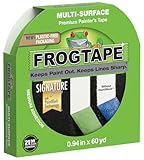
Brands like 3M (Scotch-Blue Delicate Surface) and FrogTape (Delicate Surface) offer tapes with lower tack adhesives. These are your best bet if you absolutely must tape early. They are designed to stick just enough to create a clean line but pull off cleanly without damaging the underlying paint. Even with these, though, the paint needs to be reasonably dry. Think of it this way: if you can easily scratch the paint with your fingernail, it’s too fresh. (See Also: Does Painters Tape Rip Paint Off Walls )
Paint finish matters, too. Matte and flat finishes are porous and generally accept tape better when the paint is a bit less than fully cured because the paint film isn’t as hard or slick.
However, they are also more prone to scuffing. Satin, semi-gloss, and gloss finishes create a harder, smoother film. These are much more likely to be pulled off by tape if not fully cured, as the tape can get a better grip on that slick surface.
My rule of thumb: if it’s a satin or higher finish, wait the full 24-48 hours, no exceptions. I once tried taping over semi-gloss trim paint that was only a day old. The tape basically fused with the paint, and pulling it off was like peeling a giant sticker, taking off half the paint with it.
The subsequent sanding and repainting took twice as long.
| Scenario | Paint Finish | Tape Type | Recommended Wait Time (After Final Coat) | Verdict |
|---|---|---|---|---|
| Ideal | Matte/Flat Latex | Delicate Surface Tape | 12-18 hours (with extreme caution) | Risky, but potentially doable for impatient pros. |
| Standard | Satin/Eggshell Latex | Standard Painter’s Tape | 24-48 hours | Safe bet for most DIYers. |
| High-Risk | Semi-Gloss/Gloss Latex or Oil-Based | Standard Painter’s Tape | 48-72 hours (or more) | Absolutely do NOT tape early. |
| Beginner Mistake | Any Finish | Generic Masking Tape | N/A (Never use) | Guaranteed disaster. |
Common Mistakes and How to Avoid Them
The biggest mistake, as we’ve hammered home, is impatience. Thinking that ‘dry to the touch’ means ‘ready for tape.’ Another massive error is using the wrong tape. People grab any old roll of blue tape from the garage, thinking it’s all the same. It’s not. That cheap, generic tape has an aggressive adhesive that will bond to almost anything, and pulling it off fresh paint is a recipe for disaster. You’ll end up with peeling paint, jagged lines, and a whole lot of frustration. I’ve seen people use duct tape or packing tape. Seriously. Don’t do it. You might as well just paint directly over your trim.
Skipping the clean-up step is also a common oversight. Before you even think about painting, make sure your surfaces are clean and free of dust, grease, or cobwebs. These contaminants can prevent the paint from adhering properly, and they can also interfere with the tape’s adhesion, leading to bleed-through.
After painting, before the paint is fully cured (but after it’s dry to the touch), you should remove the tape. The key is to do it slowly and at a 45-degree angle, pulling it back on itself.
If you feel resistance, stop, reassess, and perhaps score the edge lightly with a utility knife (carefully!). This helps break any minor adhesion between the tape and the paint film. Don’t rip it off in one go like you’re opening a present.
That’s how you get those ugly tears. (See Also: Does Masking Tape Work The Same As Painters Tape )
Finally, don’t assume a primer will make everything okay. While primer is key for good adhesion and coverage, it still needs to cure properly. If you’re priming and then painting, you’re adding another layer that needs its own drying and curing time. The rules for taping over primer are similar to taping over paint – wait until it’s fully dry and cured.
Real-World Scenarios: When Tape Is Your Friend (and When It’s Not)
Let’s break down some actual situations. Painting a living room with two different colors? For the best results, paint your main color, let it cure for at least 24-48 hours (ideally longer for higher sheen paints), then apply your delicate surface tape for the second color. For trim, paint the walls first, let them cure for 24-48 hours, then tape off the walls with delicate surface tape and paint your trim. If you’re painting trim, let the trim paint cure for 48-72 hours before you even think about taping anything over it, especially if it’s semi-gloss or gloss. And again, always use the right tape for the job.
What about ceiling-to-wall transitions? This is a prime spot for tape. Paint your ceiling first, let it dry thoroughly (at least 24 hours), then use standard blue painter’s tape to mask the ceiling while you paint the walls. If you’re painting the walls first, let them cure, then tape.
The key here is that the paint you are taping over should be fully dried and cured. Don’t ever tape over paint that is still tacky or easily smudged. I’ve seen pros mess this up, taping over a wall color that was only a few hours old, and the result was a mess of ripped paint.
They had to go back, sand it down, and re-prime. It cost them hours and materials.
The bottom line is this: tape is a tool, and like any tool, it needs to be used correctly. When it comes to taping over paint, the risk of using tape too soon far outweighs any potential time savings. Patience is truly a virtue here. Forcing it will only lead to more work down the line. If you’re ever in doubt, wait another day. It’s better to be safe than sorry, and trust me, I know ‘sorry’ all too well when it comes to paint.
Conclusion
So, can you put painters tape on fresh paint? The safest, most honest answer is no, not if you want a perfect finish without hours of extra work. While there are niche situations where using delicate surface tape on paint that’s only 12-18 hours old might work, it’s a high-risk gamble I’d only take if I had no other choice and was prepared for the potential fallout. For the vast majority of us, especially when dealing with anything other than a matte finish, waiting at least 24 hours, and ideally 48 hours, is the only way to make sure you don’t end up with a ripped-up mess.
Think of your paint as a living thing. It needs time to grow strong and sturdy. Rushing that process by slapping tape on it before it’s ready is like trying to walk on a plant seedling. You’re going to damage it. Invest the extra time, use the right tape for the job, and remove it carefully. Your walls will thank you, and you’ll save yourself a mountain of grief.
Next time you’re faced with this dilemma, take a deep breath, step away from the tape, and go grab a book or watch a movie. Your future self, admiring your clean lines, will be eternally grateful.