I remember staring at that half-painted wall, a giant roll of silver duct tape sitting innocently next to the can of paint. My buddy swore by it. “It’s strong, it holds,” he’d said. Famous last words, right? So, the million-dollar question that’s probably rattling around in your head is: can you use duct tape as painters tape? I’ve been there, squinting at a roll of that ubiquitous silver stuff, wondering if it could save me a trip to the store. Let me tell you, the answer isn’t a simple yes or no, and I’ve got the chipped paint and stained trim to prove it.
For years, I’d been in the trenches, battling paint lines that looked like they were drawn by a toddler. I’ve wasted money on countless rolls of supposed ‘premium’ painter’s tape that promised crisp lines and then delivered… well, bleeds. That’s why I’m always skeptical when someone suggests a ‘hack.’ But sometimes, those hacks are born out of sheer desperation, or maybe, just maybe, a kernel of truth.
This isn’t going to be a corporate fluff piece. This is the real deal, from someone who’s actually done the dirty work. We’re going to break down whether that roll of duct tape in your garage is a secret weapon or just a fast track to a repaint.
The Shiny Temptation: Why Duct Tape Looks Promising
Alright, let’s talk about the siren song of duct tape. You’ve got a project, you need to mask off an area, and there it is: that trusty roll of silver. It’s strong. It’s sticky.
It’s everywhere. For a lot of folks, especially when you’re in a pinch or trying to save a buck, the thought process goes something like this: ‘Painter’s tape is designed to stick and protect.
Duct tape is designed to stick and protect. Ergo, duct tape must be able to do the job, right?’ It’s a logical leap, I’ll give you that. I’ve seen people use it for everything from temporary roof patches to holding together a broken car bumper, so naturally, its perceived versatility makes it a prime candidate for other sticky situations. (See Also: Does Painters Tape Pull Off Paint )
The adhesive on duct tape is generally much more aggressive than that found on painter’s tape. This can be a good thing if you need something to stay put, no questions asked. For instance, if you’re masking off a piece of furniture that needs to be completely protected from dust or overspray during a workshop project, the sheer holding power of duct tape might seem appealing. It’s also a lot thicker and more durable than most painter’s tapes, which can make it feel more substantial and less likely to tear or rip when you’re wrestling with it.
And then there’s the cost. A good roll of painter’s tape can set you back anywhere from $6 to $15, depending on the brand and size. A heavy-duty roll of duct tape? Often less than $10, and you get a lot more of it. If you’re painting an entire room, or tackling a large project with lots of masking, that price difference starts to look pretty significant. I once figured I could save a solid $30 by using duct tape for a big fence staining job. Spoiler alert: I did not save $30.
The common advice you’ll hear, and the reason painter’s tape exists, is because it’s engineered for delicate surfaces. It’s designed to adhere firmly enough to create a seal, but peel off cleanly without damaging paint or leaving residue. Duct tape, on the other hand, is built for permanence and strength. Its adhesives are often solvent-based and formulated to bond aggressively to a wide variety of surfaces, aiming to be a long-term solution, not a temporary one. This fundamental difference in purpose is the root of most of the problems you’ll encounter.
The Sticky Truth: Why It’s Usually a Bad Idea
Here’s where my personal experience really kicks in, and trust me, I’ve got stories. The first time I tried to use duct tape as painter’s tape, it was for a simple trim job in my kitchen.
I wanted a clean white line against a sage green wall. I carefully applied the silver tape, feeling pretty smug about my DIY ingenuity. The paint went on smoothly. (See Also: Does Painters Tape Rip Paint Off Walls )
Then came the moment of truth: peeling it off. Instead of a satisfying, clean line, I got… a jagged mess. The aggressive adhesive had pulled up some of the green paint, leaving little white chunks stuck to the tape. Worse, it left a sticky, gummy residue that was a nightmare to remove.
I spent the next hour with a putty knife and a bottle of Goo Gone, muttering curses under my breath. That $5 roll of duct tape ended up costing me about three hours and a new can of primer.
The core problem is that duct tape’s adhesive is designed to be sticky. Permanently sticky, in many cases. Unlike painter’s tape, which has a low-tack, often rubber-based adhesive formulated for clean removal, duct tape’s adhesive is typically a strong acrylic or synthetic rubber that bonds aggressively. When you pull it off, especially after it’s been exposed to paint or heat (like from a nearby light or the sun), it can literally lift the underlying paint. This is particularly true on freshly painted surfaces, textured walls, or delicate finishes. It’s like trying to peel a really stubborn sticker off a wall – you’re going to do damage.
Then there’s the residue. Even if it doesn’t rip up your paint, duct tape almost always leaves behind a sticky, gummy residue. Trying to get that off without damaging the paint or the surface is a whole other headache. You’ll need solvents, scraping, and a whole lot of patience. It’s a classic case of being penny-wise and pound-foolish. The few dollars you save upfront often get eaten up by the extra time, effort, and materials needed to fix the mess it creates.
Another issue is its flexibility and conformability. Painter’s tape is designed to be somewhat flexible, allowing it to conform to curves and corners. Duct tape, while strong, is often stiffer and less forgiving. This means it’s harder to get a good seal along edges, leading to paint seepage. You’ll find yourself pressing it down constantly, trying to force it into place, which just further embeds that aggressive adhesive into your surface. (See Also: Does Masking Tape Work The Same As Painters Tape )
What to Look for Instead: The Real Deal
So, what should you be looking for? It all comes down to understanding the different types of painter’s tape and what they’re best suited for. There isn’t a one-size-fits-all painter’s tape, just like there isn’t a one-size-fits-all duct tape. The key is matching the tape to your surface and your paint type.
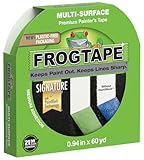
- General Purpose Painter’s Tape (Blue or Green): This is your everyday workhorse. Usually comes in a blue or green color. It’s good for most interior walls, trim, and woodwork. It offers a good balance of adhesion and clean removal. It’s what I grab for 90% of my indoor painting.
- Delicate Surface Painter’s Tape (Yellow or Lavender): If you’re painting over wallpaper, freshly painted walls (less than 24 hours old), or other delicate surfaces, you need tape specifically designed for this. Yellow or lavender tapes are typically lower tack and formulated to prevent damage. I learned this the hard way when I tried to tape over a brand-new paint job and ended up with a disaster.
- High-Temperature or Exterior Painter’s Tape (Often Orange or White): If you’re painting something that might get warm, like radiators, or you’re working outdoors where temperature fluctuations are a factor, you need tape that can handle it. These tapes have stronger adhesives and are more durable for tougher conditions.
- Specialty Tapes: There are even tapes for things like automotive painting (which require extreme precision and resistance to solvents) or masking glass.
The biggest mistake people make is assuming all painter’s tape is the same. They grab the cheapest roll they can find and wonder why it bleeds or rips paint. You’re looking for a tape with a clean removal guarantee. Reputable brands will often state this clearly on the packaging. They’re also usually marked by color, and the color often indicates the intended surface. Don’t just grab the silver stuff; it’s a different beast entirely.
Conclusion
Look, I get the impulse. You’re standing there, project staring you down, and that roll of duct tape seems like a perfectly reasonable, cost-effective solution. But based on years of questionable choices and subsequent repairs, I can tell you with blunt honesty: can you use duct tape as painters tape? Technically, yes, you can. Will you regret it? Almost certainly. The risk of pulling up paint, leaving that gummy residue, and ending up with jagged lines is just too high.
My advice? Spend the extra few bucks on actual painter’s tape. It’s designed for the job, and the time and frustration it saves are well worth the investment. Think of it as an insurance policy for your paint job. If you’re dealing with delicate surfaces or a brand-new paint job, definitely opt for the yellow or lavender delicate surface tape. It’s a small price to pay for peace of mind and a professional-looking finish.
So next time you’re tempted by the silver roll, remember my kitchen trim incident. Save yourself the headache. Grab the right tool for the job, and get back to actually enjoying your painting project instead of fighting with your masking tape.