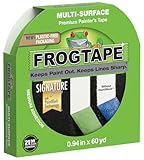
I remember staring at my crafting table, a half-finished vinyl decal mocking me. I’d spent a decent chunk of change on the vinyl, and now I was stuck. My usual transfer tape was gone, and the store was closed. In a moment of desperation, I grabbed a roll of blue painters tape. It looked similar enough, right? Wrong. That little experiment taught me a hard lesson about shortcuts. So, can you use painters tape as transfer tape? Let’s get real about it.
It’s a question that pops up in every DIY forum and Facebook group when you’re trying to save a buck or you’re just out of supplies. We’ve all been there, staring at two rolls of tape, wondering if the cheaper, more accessible option will actually do the job. I’m going to tell you what I’ve learned through trial and error, and a whole lot of wasted vinyl.
Why Painters Tape Isn’t Your Vinyl’s Best Friend
Look, I get the impulse. You’ve got a project, you’ve got painters tape – it’s sticky, it’s blue, it’s readily available at any hardware store.
It’s practically begging to be used for something other than taping off trim. I’ve definitely been tempted, especially when a roll of proper transfer tape costs a good $10-$15, and a giant roll of blue tape is maybe $5. But here’s the blunt truth: painters tape is designed for a completely different job.
Its primary function is to create clean lines on surfaces you don’t want paint to stick to, and it needs to come off cleanly without damaging the underlying paint. This means its adhesive is formulated to be relatively low-tack and to release easily.
Transfer tape, on the other hand, needs to be sticky enough to grab your delicate vinyl design from its backing paper and hold it securely until you can press it onto your final surface. Then, it needs to release the vinyl cleanly, leaving every tiny piece behind. Painters tape just doesn’t have that kind of controlled grip.
It’s too aggressive in some ways and not sticky enough in others for the precision vinyl requires.
I once tried to transfer a small, intricate logo using painters tape. I painstakingly weeded out all the negative space, feeling pretty smug about my resourcefulness.
I slapped the blue tape over the vinyl and pressed down. It felt… wrong.
It didn’t have that satisfying tackiness of real transfer tape. When I went to lift the backing paper, parts of the vinyl stayed stuck to the paper, while other parts stubbornly clung to the painters tape.
Then, when I tried to apply it to the surface, some pieces wouldn’t transfer at all, leaving gaps, while others wrinkled because the tape had stretched or shifted slightly. It was a mess. I spent more time trying to fix it and peel off tiny vinyl scraps than the actual application should have taken. The end result looked like a toddler had attacked it with a sticker book.
My $15 vinyl decal was ruined, and my $3 roll of painters tape had proven itself utterly useless for the task. It was a frustrating hour I’ll never get back, and it solidified my belief that some tools are just built for specific jobs, and you can’t really substitute them without serious consequences.
The Science (and Snark) Behind the Stickiness
Let’s talk adhesive. The sticky stuff on transfer tape is engineered. (See Also: Does Painters Tape Pull Off Paint )
Think of it as a handshake – firm enough to hold on, but gentle enough to let go when you’re ready. Most quality transfer tapes use a semi-permanent adhesive, often acrylic-based, that offers a balance. It needs enough tack to pick up thin vinyl lines and intricate details.
Too little tack, and you’re leaving vinyl behind on the carrier sheet. Too much tack, and you risk stretching or tearing the vinyl as you peel, or worse, damaging the vinyl when you try to remove the transfer tape itself. Different vinyl types also require different levels of tack in transfer tape. For instance, glitter vinyl is often thicker and rougher, needing a stronger grip than smooth permanent vinyl.
Permanent vinyl, like Oracal 651, is generally easier to work with than adhesive vinyl that’s meant for temporary use, like some removable vinyls.
Painters tape, on the other hand, often uses a solvent-based or water-based acrylic adhesive that’s designed for easy release. It’s meant to stick to walls, trim, and other surfaces for a few days, then peel off cleanly. This means its tack is generally lower than what’s needed for vinyl. While some brands of painters tape might feel really sticky when you first apply it, that tack is often designed to dissipate quickly or to adhere to porous surfaces in a way that’s not conducive to lifting and repositioning delicate vinyl.
You might get lucky with a very simple, large graphic on a very smooth surface. But the moment you introduce curves, small details, or multiple pieces, painters tape falls apart. It’s like trying to carry a stack of fine china with oven mitts – the tool just isn’t right for the job, and you’re bound to break something.
When ‘close Enough’ Just Isn’t
People often ask, ‘Can you use painters tape as transfer tape?’ and the answer is a resounding, often tearful, ‘sort of, but why would you?’
The common advice you’ll find online sometimes suggests using it for larger, simpler designs, or by layering it carefully. I’ve tried the layering trick, hoping to build up enough stickiness.
It’s an exercise in futility. You end up with multiple layers of tape that don’t adhere well to each other, making it even harder to control.
Plus, the paper backing of the painters tape itself can sometimes lift and tear, leaving bits of paper stuck to your vinyl. It’s like trying to build a solid bridge out of wet tissue paper. It’s going to sag, tear, and eventually collapse. The frustration is real, and it’s not worth the few dollars you might save.
I’ve seen folks try to use packing tape or masking tape too, with similar dismal results. Masking tape is even less sticky and more prone to tearing. Packing tape is often too sticky and glossy, which can actually damage some types of vinyl or leave residue. The real kicker is when you get into intricate designs.
Think tiny letters, fine lines, or complex shapes. Painters tape just can’t handle the delicate lift required. You’ll spend hours trying to coax individual pieces of vinyl off the backing and onto the tape, only to have them fall off onto your project surface, or worse, not transfer at all.
It’s a recipe for a project that looks unprofessional and a crafter who’s ready to throw in the towel. If you’re serious about vinyl crafting, investing in the right transfer tape isn’t an extravagance; it’s a necessity for achieving good results without pulling your hair out. (See Also: Does Painters Tape Rip Paint Off Walls )
What to Look for in Actual Transfer Tape
Okay, so painters tape is out. What should you be looking for? This is where you want to pay attention. There are a few main types of transfer tape, and they generally fall into categories based on their tack level and opacity. The most common type is clear, medium-tack transfer tape. This is your workhorse. It’s typically made of vinyl or PVC and has a grid pattern printed on it, which is super handy for alignment. Brands like Cricut, Oracal, and Silhouette all make good versions. I’ve found that the grid is incredibly useful for centering decals or lining up multiple elements. The medium tack is usually sufficient for most permanent and removable adhesive vinyls used in crafting.
Then there’s high-tack transfer tape. This is for those trickier materials like glitter vinyl, frosted glass vinyl, or specialty foils. It has a much stronger adhesive that’s designed to grip those rougher or more textured surfaces securely.
Use this sparingly, as it can sometimes be too strong for standard vinyl, potentially stretching or damaging it if you’re not careful. Finally, there’s low-tack transfer tape.
This is usually paper-based and has a very light adhesive. It’s ideal for stencils or very delicate surfaces where you absolutely cannot afford any residue or lifting of the underlying material.
For most of your vinyl decal projects, stick with the clear, medium-tack stuff. It offers the best balance of grip and removability. When you’re buying, check reviews for how easily it releases the vinyl and if it leaves any residue behind. A good transfer tape should make your vinyl pop off the backing and adhere smoothly to your project, and then peel away cleanly without leaving a sticky ghost behind.
Real-World Use: When I Actually Used It (and Why)
So, have I ever used painters tape for something vinyl-adjacent? Yes, but with a massive asterisk. There was one time I was helping a friend set up for a community event.
We had a bunch of large, simple vinyl banners with block lettering that needed to be applied to a temporary fabric backdrop. The letters were huge, like two feet tall, and the vinyl was a cheap, thick outdoor-grade stuff. We were in a hurry, and I had brought a roll of painters tape just in case for securing things temporarily. In a moment of pure, unadulterated madness, and because the vinyl was so large and forgiving, I used the painters tape to help position the banner sections before fully adhering them with their intended adhesive.
I wasn’t using it as transfer tape in the traditional sense; I was using it as a temporary hold-down. I’d stick a section of the banner with painters tape, eyeball it, and then peel it back slowly while pressing the banner into place.
It was clumsy, and honestly, I could have used painter’s tape for actual temporary masking if I needed to protect the edges of the banner while working.
This was NOT a situation where I was trying to lift delicate vinyl from a carrier sheet and place it onto a mug or a sign. This was more like using it to hold a large piece of paper in place while you draw on it. Even then, the painters tape’s adhesive was a bit questionable. Some sections stayed put, and others peeled away too easily, requiring me to reapply.
It definitely wasn’t ideal and took way longer than it should have. The risk of the vinyl not sticking properly or the tape leaving residue on the banner was always there. It confirmed my suspicion: for actual vinyl transfer, where you need precise lifting and application of adhesive vinyl, painters tape is a recipe for disaster.
It’s like using a butter knife to saw down a tree – it’s the wrong tool for the job, and you’ll regret it every single time. (See Also: Does Masking Tape Work The Same As Painters Tape )
Common Mistakes and Practical Tips
The biggest mistake people make when considering painters tape as transfer tape is assuming that ‘sticky’ equals ‘suitable’. It doesn’t.
Another common pitfall is not understanding the different types of vinyl and their adhesive needs. If you’re using a delicate craft vinyl for an indoor project, painters tape is a death sentence. If you must use it in a pinch (and I strongly advise against it), treat it like a temporary positioning tool, not a transfer medium. Apply it to your vinyl design, then gently burnish (rub) it down.
When you lift the backing paper, do it slowly, at a sharp angle, and be prepared to use a weeding tool to coax any stubborn vinyl bits onto the painters tape. Don’t expect it to grab everything in one go.
Here’s a better approach: always have a roll of proper transfer tape on hand. Buy in bulk if you can, or keep a few different types in your craft stash.
Medium-tack clear transfer tape is your best friend for 90% of projects. If you’re in a bind and out of transfer tape, try to wait. Go to the craft store, order some online, do whatever you can to get the right tool.
If you’re using a new vinyl brand or type, do a small test transfer first to see how easily it releases and adheres. And for goodness sake, when you’re peeling off the transfer tape from your project, do it slowly and at a sharp angle, working from the center outwards. This helps prevent the vinyl from lifting with the tape.
If a small piece does lift, just press it back down with your weeding tool or a squeegee. It’s the little things that make the difference between a professional-looking finish and something that screams ‘I tried this with painters tape and regretted it.’
Is Painters Tape the Same as Transfer Tape?
No, painters tape is not the same as transfer tape. They have fundamentally different adhesive properties and are designed for different purposes. Painters tape is designed for low-tack adhesion to protect surfaces during painting, while transfer tape is designed to securely lift vinyl from its backing and apply it to a project surface.
Can I Use Blue Painters Tape for Vinyl Decals?
While you can physically try to use blue painters tape for vinyl decals, it is strongly discouraged. It typically lacks the necessary tack to properly lift and transfer intricate vinyl designs, often leading to frustration, ruined vinyl, and subpar results.
What Happens If I Use Painters Tape as Transfer Tape?
If you use painters tape as transfer tape, you’ll likely encounter issues like the vinyl not sticking to the tape, vinyl pieces remaining on the backing paper, the tape stretching or tearing the vinyl, and the vinyl not transferring cleanly to your project surface, resulting in gaps or smudges.
What’s a Good Substitute for Transfer Tape If I’m Out?
Honestly, there isn’t a truly reliable substitute for transfer tape for vinyl. While some might suggest packing tape or contact paper in extreme emergencies, these often have their own adhesion issues or can damage vinyl. It’s best to wait and get proper transfer tape. If you absolutely must, and for very large, simple designs, you could try a stronger masking tape very carefully, but expect poor results.
Final Thoughts
So, to circle back to the million-dollar question: can you use painters tape as transfer tape? My honest, hard-won answer is: don’t. Just don’t. I’ve wasted enough vinyl and enough time to know that it’s a shortcut that leads to a dead end, usually covered in bits of vinyl that refused to cooperate. The risk of ruining your project and your mood is far too high.
Invest in proper transfer tape. It’s not that expensive in the grand scheme of things, especially when you consider the cost of the vinyl you’ll be saving. A roll of good quality transfer tape will last you for dozens of projects, making your crafting life so much smoother and your results so much better. Save the painters tape for painting. It’s what it’s good at, and there are plenty of painting projects out there that need its particular brand of gentle stickiness.
If you’re in a real pinch and can’t get to a store, and you absolutely have to try something, consider it a last resort for the simplest of designs and be prepared for disappointment. But for anything remotely complex or important, bite the bullet and get the right tool for the job. Your sanity will thank you.