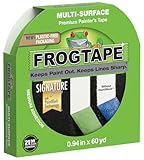
I remember my first attempt at setting up a “studio” in my garage. Soundproofing was the buzzword, and acoustic foam was the shiny new toy. Of course, I wanted to save a buck, so I grabbed a roll of that familiar blue painters tape, figuring it was “good enough.” Spoiler alert: it wasn’t.
The next morning, I found foam tiles sagging, some peeling off entirely. It was a mess, and a costly lesson learned. So, can you use painters tape for acoustic foam? Let’s cut to the chase: for anything you actually care about looking decent or staying put, the answer is a resounding NO.
But why? And what should you use? This isn’t about fancy marketing; it’s about what sticks, what doesn’t, and what you’ll regret later.
Why Painters Tape Fails (and It’s Not Just About Sticking)
Look, I’ve spent my fair share of weekends wrestling with adhesives, trying to get things to stay put. Painters tape is designed for one thing: creating clean lines for painting and offering a temporary, residue-free bond on surfaces like walls. It’s forgiving. That’s its strength. But when it comes to adhering something with weight and a potential for vibration, like acoustic foam, its very design becomes its weakness.
Acoustic foam isn’t just a decorative panel; it’s a porous material designed to absorb sound waves. This means it has a textured, sometimes slightly fuzzy surface.
Standard painters tape, especially the cheaper stuff, has a relatively low tack adhesive. It’s meant to peel off easily without damaging paint. Acoustic foam, on the other hand, needs a more aggressive, long-term bond.
The tape’s adhesive just isn’t formulated for that kind of commitment. It dries out, loses its grip, and the weight of the foam, even a small amount, starts to pull it down.
I’ve seen it happen: tiles starting to sag after a few days, then peeling away from the corners within a week. It’s frustrating, and frankly, a waste of both tape and foam.
Think about it: acoustic foam panels can be surprisingly light, but they have a decent surface area. When you’re covering a whole wall, that cumulative weight, coupled with any slight air movement or temperature fluctuations, puts a constant, subtle stress on the adhesive.
Painters tape just can’t handle that sustained pull. It’s like trying to hold up a shelf with a sticky note. Sure, it might work for an hour, but don’t expect it to last through the night.
And the common advice you’ll find online, often from people who haven’t actually lived with this setup, is to just “use more tape.” That’s a band-aid, not a solution.
You end up using half a roll for a single panel, creating an unsightly mess of blue stripes, and it still won’t hold reliably. The adhesive is the primary culprit, but the tape’s thin, flexible nature also plays a role. It doesn’t offer much structural support on its own. (See Also: Does Painters Tape Pull Off Paint )
The biggest misconception is that if it sticks at all, it’s fine. That’s a dangerous way to think when you’re trying to create an effective acoustic treatment. You’re not just putting up decorations; you’re investing in sound quality. The foam needs to stay pressed against the wall to do its job. If it’s pulling away, air gaps are forming, and its effectiveness plummets. It’s a false economy to use something that fails within weeks, forcing you to re-tape or, worse, replace the foam that might get damaged in the process. My first garage studio looked like a patchwork quilt of sagging foam for months before I finally ripped it all down and started over with the right stuff.
What Actually Works: The Sticky Truth About Acoustic Foam Adhesives
So, if painters tape is a non-starter, what’s the magic bullet? For acoustic foam, you need adhesives specifically designed for this kind of application. The most common and effective solution you’ll find is dedicated acoustic foam spray adhesive. These are typically aerosol cans that spray a fine mist of strong, permanent adhesive. The key here is “permanent.” These are not meant for temporary fixes; they are designed to create a bond that lasts for years.
When you spray it, you usually apply it to both the back of the foam panel and the wall surface. The dual-application method makes sure a stronger, more even bond. You need to be a bit careful with spray adhesive, though. It can be messy if you’re not in a well-ventilated area, and overspray can stick to things you don’t want it to. I learned this the hard way in a small, poorly aired room and ended up with a fine mist of sticky stuff on my computer monitor. So, proper preparation is key: cover anything nearby you don’t want sticky.
Another excellent option, especially if you want more control or are worried about the spray mess, is heavy-duty construction adhesive or a strong double-sided mounting tape designed for permanent applications. Brands like Gorilla Glue or even certain types of VHB (Very High Bond) tapes can work wonders.
VHB tape is particularly good because it’s a solid foam tape itself, offering a bit of cushioning and excellent adhesion. The downside? It’s often more expensive than spray adhesive, and once you stick foam with VHB, it’s not coming off without a fight – and potentially some wall damage.
Construction adhesive, applied with a caulk gun, is incredibly strong but also requires careful application to avoid lumps and make sure even coverage. You’ll want one that remains somewhat flexible once cured, so it can handle minor expansions and contractions of the materials.
My personal preference often leans towards a good quality spray adhesive for its speed and even coverage, provided I’m in a space where I can ventilate properly. For smaller jobs or areas where I need precise placement and am less concerned about future removal, heavy-duty mounting tape is fantastic. It’s less messy than spray and gives you a bit of time to reposition before it really sets. The important factor is the adhesive’s ability to form a strong, lasting bond with both the porous surface of the foam and the wall material (drywall, plaster, wood, etc.). You’re looking for something that cures hard or forms a strong, cohesive bond, not something that stays tacky and pliable indefinitely like many tapes.
The DIY Pitfalls: Common Mistakes When Using Tape (or Not)
The biggest mistake, obviously, is thinking painters tape is a viable long-term solution. But even when you move beyond that, there are other ways to mess this up. One common error is not preparing the surfaces properly. Walls can have dust, grease, or old paint residue that compromises adhesion. You need a clean, dry surface for any adhesive to work its best. A quick wipe-down with a damp cloth and making sure the wall is completely dry before applying anything is a must. I’ve seen people slap foam up on dusty, unfinished drywall, and then wonder why it falls down. Gravity always wins.
Another mistake is uneven application of adhesive. With spray adhesive, this means not covering enough surface area or spraying too thinly in some spots. With tape, it means not using enough strips or not pressing them down firmly and evenly across the entire back of the foam panel. If you’re using a liquid adhesive, applying it in thick blobs instead of a consistent layer can lead to uneven curing and potential failure points. The goal is consistent, full coverage of the back of the foam panel that will be in contact with the wall.
Don’t underestimate the importance of pressure and curing time. Most adhesives, whether spray, tape, or liquid, require firm pressure to activate the bonding agents and make sure good contact. After applying, you should press the foam panel firmly against the wall for at least 30 seconds. For spray adhesives, many recommend letting the adhesive become tacky (usually 1-5 minutes, check the can) before mating the surfaces. This allows the solvents to flash off and the adhesive to reach its optimal tack. Rushing this process is a recipe for disaster. Similarly, some adhesives need a curing period – a set amount of time before they reach their full strength. Trying to test the bond too early can weaken it.
Finally, and this is a big one for DIYers, don’t try to skimp on the amount of adhesive. People often think “less is more” to save money or avoid a mess. With acoustic foam, more is usually better. You need enough adhesive to cover the entire surface area of the foam panel that contacts the wall. If you’re using a mounting tape, use strips that run along the edges and across the middle of the panel. If you’re using spray adhesive, make sure you get good edge-to-edge coverage. The cost of a little extra tape or spray is nothing compared to the cost of replacing fallen foam or repairing wall damage caused by failed adhesive. (See Also: Does Painters Tape Rip Paint Off Walls )
Real-World Use Cases: When It Might (almost) Work, and When It Absolutely Won’t
Let’s be brutally honest. Are there any scenarios where painters tape might be a remotely acceptable temporary measure for acoustic foam? Maybe. If you’re just experimenting, doing a quick, temporary setup for a single recording session in a controlled environment, and you fully expect it to fail within a few days, then fine.
Use the blue stuff. But even then, you’re on borrowed time. I once used it for a very short-term project – literally a weekend – just to see if the foam placement was right before committing to a permanent adhesive.
It held for about 48 hours, then started to sag. It was enough to get a feel for the layout, but I wouldn’t have trusted it for anything important.
The primary issue with painters tape is its lack of long-term adhesion and its susceptibility to environmental factors. Temperature changes, humidity, and even minor vibrations can weaken the bond. Think about a home studio that might experience seasonal temperature shifts or a basement room that gets humid. Painters tape will likely fail much faster in those conditions. The foam itself, while lightweight, has a certain density and surface area that exerts continuous outward pressure against the adhesive. This is not a static load; it’s a constant pull that painters tape is simply not designed to withstand.
Where it absolutely will NOT work is any situation where you need the foam to stay put reliably. This includes:
- Permanent or semi-permanent studio installations.
- Home theaters where aesthetics and consistent performance matter.
- Rooms with fluctuating temperatures or humidity levels.
- Anywhere the foam is exposed to airflow (e.g., near vents or fans).
- When you want to avoid the hassle and cost of re-applying failed treatments.
I’ve seen people try to reinforce painters tape with staples, which is just asking for wall damage and an even uglier mess. The consensus among anyone who’s done this more than once is clear: you need a proper adhesive. If you’re trying to save money, look for bulk deals on acoustic foam and a good value spray adhesive. The upfront cost might be slightly higher, but you’ll save yourself a massive headache and potential damage down the line. My advice? Don’t even bother with painters tape for acoustic foam. It’s like using chewing gum to fix a leaky pipe – it might slow it down for a bit, but it’s not a real solution.
A Practical Comparison: Adhesives for Acoustic Foam
When you’re deciding how to stick your acoustic foam, it boils down to a few key options. Each has its pros and cons, and the best choice for you depends on your budget, your DIY comfort level, and how permanent you want the installation to be. Here’s a quick rundown:
| Adhesive Type | Pros | Cons | Best For | My Verdict |
|---|---|---|---|---|
| Painters Tape | Cheap, easy to find, residue-free (usually) | Very weak bond, fails quickly, not designed for this | Absolutely nothing related to acoustic foam | A complete waste of time and money. Avoid. |
| Acoustic Foam Spray Adhesive | Strong, permanent bond, even coverage, relatively fast | Can be messy, requires ventilation, permanent | Most permanent installations, large areas | My go-to for professional-looking, lasting results. |
| Heavy-Duty Mounting Tape (e.g., VHB) | Strong, permanent bond, precise placement, less messy than spray | More expensive, very difficult to remove, can damage walls | Smaller panels, precise placement, when spray is not an option | Excellent for tricky spots, but price adds up. |
| Construction Adhesive (Liquid) | Extremely strong, permanent bond, good for uneven surfaces | Requires caulk gun, can be messy, long cure time, difficult removal | Very permanent installations, budget-conscious (if bought in bulk) | If you never plan to move it and want it there forever. |
For years, I avoided spray adhesives because I was intimidated by the mess. I tried mounting tape for a while, and it worked, but the cost for covering a whole room was significant.
Then I finally committed to learning how to use the spray cans properly – laying down tarps, wearing a mask, and making sure good airflow. The difference in efficiency and cost-effectiveness was huge. You can cover a lot more area with a single can of spray adhesive than with rolls of tape, and the bond is far superior.
One thing to watch out for with spray adhesive is the type of nozzle. Some offer a wider spray pattern, which is better for foam panels.
Others have a narrower stream. If you can, opt for a wider spray. (See Also: Does Masking Tape Work The Same As Painters Tape )
When it comes to the actual acoustic foam, the texture of its surface can also affect adhesion. Some foams have a more open cell structure, which is great for absorption but can soak up liquid adhesives quickly. Others have a denser, smoother surface. This is where testing a small, inconspicuous corner first is a good idea. A quick spray on the back of the foam and the wall, let it tack up for 30 seconds, and then press firmly. If it sticks and feels secure after a few minutes, you’re probably good to go. The goal is to make sure that the adhesive penetrates slightly into the foam’s surface for a mechanical lock, in addition to its chemical bond.
Faq: Your Burning Questions About Acoustic Foam Adhesives Answered
Is There a Way to Temporarily Attach Acoustic Foam Without Damaging Walls?
Yes, but it’s tricky and usually not ideal for long-term or reliable results. Command strips can sometimes work for very lightweight foam tiles if applied correctly, but they are not designed for porous materials like foam and can fail. For truly temporary needs, you might consider a very mild, repositionable adhesive spray, but be aware that this will significantly compromise the foam’s ability to stick long-term and its acoustic performance due to potential air gaps.
Can I Use Double-Sided Tape for Acoustic Foam?
Only if it’s specifically rated as a heavy-duty, permanent mounting tape. Standard double-sided tape, like what you’d use for scrapbooking or crafts, will almost certainly fail. Look for tapes like VHB (Very High Bond) or construction-grade mounting tapes that are designed to hold significant weight and create a lasting bond.
Will Adhesive Damage My Acoustic Foam?
Most dedicated acoustic foam adhesives, when used as directed, should not damage the foam itself. However, very aggressive solvents in some spray adhesives or excessive force during application could potentially degrade the foam structure. The bigger risk is damage to your walls when trying to remove permanent adhesives later.
How Much Adhesive Do I Need for a Room of Acoustic Foam?
This varies greatly depending on the size of your room and the size of your foam panels. For spray adhesives, a typical 10-12 oz can might cover 10-15 square feet of surface area (applied to both surfaces). It’s always better to buy slightly more than you think you’ll need to make sure complete coverage. For mounting tape, calculate the perimeter and add cross strips for each panel.
Is It Better to Apply Adhesive to the Foam or the Wall?
For spray adhesives, it’s almost always best to apply to both the foam and the wall for the strongest, most even bond. For mounting tape, you apply it to the foam, then stick it to the wall. Liquid construction adhesives are typically applied to the wall or the foam, depending on the product’s instructions.
Why I’d Never Use Painters Tape for Acoustic Foam Again
I’ve learned my lesson. The hard way. That flimsy blue tape, so useful for its intended purpose, is a complete non-starter for acoustic foam. It’s a false economy that leads to sagging panels, wasted material, and the frustration of having to redo the job. The few times I’ve seen it “work” were in highly controlled, temporary situations where failure was expected and accepted.
The reality is, acoustic foam needs a real adhesive. Whether it’s a spray, a heavy-duty tape, or a construction adhesive, you need something that’s designed for permanence and strength. Investing in the right adhesive upfront will save you time, money, and a whole lot of aggravation in the long run. Don’t make the mistake I did with painters tape; opt for a solution that actually sticks.
Final Verdict
So, to circle back to the million-dollar question: can you use painters tape for acoustic foam? My answer, based on years of trial and error and more than a few peeling-panel nightmares, is a resounding no. It’s the wrong tool for the job, plain and simple. The temptation to save a few bucks is understandable, but the cost of failure – both in terms of materials and your sanity – far outweighs the savings.
If you’re serious about improving your room’s acoustics, do yourself a favor and invest in proper mounting solutions. Spray adhesive, heavy-duty mounting tape, or even a good construction adhesive will give you the lasting bond you need. Your foam will stay put, perform as it should, and you won’t have to worry about it falling down at the worst possible moment.
Take it from someone who’s been there: avoid the painters tape trap. Your walls, your foam, and your ears will thank you. Now, go get the right stuff and make that room sound amazing.