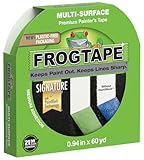
I remember staring at a brand-new, pristine whiteboard, a blank canvas begging for organization. My usual go-to for marking sections was a roll of blue painter’s tape. It’s cheap, readily available, and I figured, what could go wrong? Famous last words. The short answer to ‘can you use painters tape on a whiteboard?’ is technically yes, but the real question is, should you? My initial optimism quickly turned into a sticky, frustrating mess that taught me a hard lesson about surfaces and adhesives.
It seemed like such a simple solution for dividing space, creating temporary grids, or highlighting important notes. But the reality of it can be a bit more complicated than a quick YouTube tutorial might suggest. Let’s cut to the chase.
When ‘temporary’ Becomes Permanent: The Painter’s Tape Predicament
Look, I’m all for DIY solutions and saving a buck. Painter’s tape, that ubiquitous blue roll, is a staple in my workshop for a reason: it’s designed to be removed easily from most surfaces without leaving a trace. Or so they say. I learned the hard way that whiteboards are a special breed. My first attempt to create a weekly schedule on my office whiteboard involved neatly applied strips of painter’s tape. It looked great for about three days. Then, as the temperature shifted slightly in the room, the edges started to curl. Annoying, but manageable.
The real kicker came a week later when I decided to reconfigure my planning. Pulling off the tape was an exercise in futility. It came off in brittle, paper-thin strips, leaving behind a gummy, stubborn residue that was a nightmare to clean. My beautiful whiteboard surface was marred with faint grey lines and sticky patches. I spent an hour with Goo Gone, rubbing until my arms ached, just to get it back to a usable state. It felt like the tape had bonded with the whiteboard’s delicate coating. This experience solidified my opinion: while you can use painter’s tape on a whiteboard, it’s a gamble I wouldn’t take again if I valued my board’s longevity and my sanity.
The problem isn’t usually the adhesive itself, but how it interacts with the specific coating of a whiteboard. These surfaces are designed for smooth erasure, and some adhesives, even ‘low-tack’ ones, can lift or damage that coating over time, or when removed. This is especially true if the tape is left on for an extended period. Think of it like trying to peel a sticker off a brand-new car – sometimes it comes off clean, and sometimes it takes a layer of paint with it.
What to Look for When You Absolutely Need Tape on Your Board
Okay, so I’ve been dramatic. There are times when a grid or a border is genuinely useful. If you’re in a pinch or need a temporary visual guide for a specific project, not all tapes are created equal. The key is to look for tapes specifically designed for delicate surfaces or those with a reputation for clean removal. Some brands offer ‘low tack’ or ‘ultra removable’ versions of their painter’s tape. These are often a better bet.
When I have to use tape, I scout out the lightest blue or green options. The darker blues, in my experience, tend to have a stronger adhesive. I once bought a roll labeled ‘sensitive surfaces’ and it was a revelation. It stuck well enough for a few days of intense brainstorming sessions but peeled off cleanly with zero residue. (See Also: Does Painters Tape Rip Paint Off Walls )
The trick is to test it first. Grab a small piece and stick it in an inconspicuous corner of your whiteboard for 24 hours. Then, try to peel it off.
If it comes off clean and the whiteboard surface looks untouched, you’re likely in the clear. If it feels sticky, leaves a residue, or tugs at the surface, ditch that roll immediately.
Another factor is the age and condition of your whiteboard. Older boards, especially those that have been heavily used and perhaps scrubbed with abrasive cleaners, might have a surface that’s already compromised. Applying tape to such a surface is riskier. Newer boards with a pristine finish are generally more forgiving, but again, testing is your best friend. I’ve seen people have success with standard painter’s tape for a few days, and others end up with permanent ghosting after just 24 hours. It’s a gamble.
| Tape Type | Pros | Cons | Verdict on Whiteboards |
|---|---|---|---|
| Standard Blue Painter’s Tape | Cheap, widely available, good for general painting prep. | Can leave residue, may damage whiteboard coating, difficult to remove cleanly after a few days. | Risky. Use with extreme caution for very short durations. Expect potential damage. |
| Low-Tack / Ultra Removable Painter’s Tape | Designed for sensitive surfaces, cleaner removal. | Adhesion might be weaker, may still leave residue on some finishes, requires testing. | Better option. Test thoroughly, but generally safer for temporary use. |
| Washi Tape | Decorative, often repositionable, generally low adhesion. | Can be expensive, adhesive can dry out over time, limited color/pattern options for functional grids. | Decent for light decoration or very short-term, non-important marking. Test for residue. |
| Specialty Whiteboard Tape (e.g., grid tape) | Specifically designed for whiteboards, clean removal, durable. | More expensive, limited availability compared to painter’s tape. | Best option. Designed for the job, minimal risk. Worth the investment if you use it regularly. |
The Real Deal: My Go-to Alternatives for a Pristine Board
After my painter’s tape disaster, I vowed to find better solutions. And honestly, there are some fantastic alternatives that don’t leave you scrubbing your whiteboard like you’re trying to erase a crime scene. My absolute favorite for creating grids or dividing sections is dedicated whiteboard grid tape. It’s specifically formulated to stick to whiteboard surfaces without leaving any gunk behind and usually comes off in clean strips.
I paid about $25 for a roll of 1/8-inch wide tape, and it lasted me for months. It’s a bit pricier upfront than a roll of painter’s tape, but considering the time and frustration saved, it’s a no-brainer for me.
The clean lines it creates are also sharper than any tape I’ve managed to apply myself. (See Also: Does Masking Tape Work The Same As Painters Tape )
If you need something even more temporary, like for a meeting that’s only going to last a few hours, dry-erase markers are your best friend. You can draw lines, boxes, or whatever else you need, and then wipe it away with a standard eraser or a microfiber cloth. It’s the most straightforward approach and poses zero risk to your whiteboard’s surface. I know, it sounds obvious, but sometimes we overcomplicate things when the simplest solution is right in front of us. For years, I struggled with tape residue when a simple marker would have done the trick just as well, if not better, for short-term needs.
Another product I’ve experimented with is vinyl tape, the kind used for pinstriping cars or for marking floors. Some of these have a lower tack adhesive. I tried a specific brand that advertised ‘removable.’ It worked okay, but the adhesive felt a bit weaker than ideal, and the edges weren’t as crisp as dedicated whiteboard tape. It’s a viable option if you can find one with the right balance of adhesion and removability, but it’s still a bit of a shot in the dark compared to products made for the job.
Common Mistakes People Make (and How to Avoid Them)
The biggest mistake, hands down, is assuming all painter’s tape is created equal and will behave the same way on a whiteboard. People see it work wonders on walls and furniture, so they think it’s a universal solution. It’s not. Whiteboards have a unique, often glossy and somewhat sensitive surface that reacts differently to adhesives. Leaving painter’s tape on for too long is another huge error. What might peel off cleanly after an hour could be a permanent fixture after a week. Temperature fluctuations can also play a role, causing the adhesive to ‘bake’ onto the surface or to become brittle and impossible to remove in one piece.
I’ve also seen people try to use packing tape or duct tape. Just… don’t. Those adhesives are strong and sticky enough to pull off paint from walls; they will absolutely decimate a whiteboard surface. Think of it this way: if you wouldn’t use it to tape a delicate gift, don’t use it on your whiteboard.
Another common pitfall is using the wrong cleaning agent to remove residue. Harsh solvents or abrasive scrubbers can etch the surface, making it harder to write on and erase in the future. Stick to mild soap and water or a specialized whiteboard cleaner. I learned this after trying to scrub off some stubborn adhesive with a magic eraser, only to find I’d created a dull patch on my board.
Finally, not testing the tape first is a recipe for disaster. It takes two minutes to stick a small piece in a corner and see how it behaves. This simple step can save you hours of cleaning and the cost of a new whiteboard. I made this mistake countless times before I learned to always test. It’s that little bit of upfront effort that prevents a world of pain later on. For a while, I was convinced my whiteboard was just inherently bad at erasing, only to realize it was the ghosting left by tape I’d used months prior. (See Also: Does Painters Tape Peel Paint )
My Honest Take: When Is It really Worth It?
Honestly, for most people, most of the time, the answer to ‘can you use painters tape on a whiteboard?’ is a resounding ‘no, not unless you absolutely have to and are willing to take a significant risk.’ The cost of a good whiteboard isn’t insignificant, and the potential for damage from a cheap roll of tape is high. I’ve wasted money on over-promising products, and tape residue falls into that category for whiteboards. The common advice that ‘painter’s tape is removable’ is true for many surfaces, but whiteboards are a notable exception.
If you’re a teacher who needs to mark out zones for students for a single day, maybe. If you’re a student using a small personal whiteboard for a week-long cram session, perhaps. But if you’re setting up a permanent planning system or a professional presentation space, you’re better off investing in a product designed for the job. I learned this lesson the hard way after about $150 worth of various tapes and cleaning supplies trying to fix a mistake that a $10 roll of dedicated whiteboard tape could have prevented from the start. My contrarian opinion? Stop reaching for the blue tape and embrace the specialized solutions. They exist for a reason.
Frequently Asked Questions About Whiteboard Tape
Will Painter’s Tape Leave Residue on a Whiteboard?
Yes, painter’s tape very often leaves residue on a whiteboard. The adhesive can break down or bond with the whiteboard’s surface, especially if left on for an extended period or exposed to temperature changes. This residue can be difficult to remove and may even damage the whiteboard’s coating, making it harder to erase in the future.
Can I Use Masking Tape on a Whiteboard Instead?
No, you absolutely should not use masking tape on a whiteboard. Masking tape has a stronger adhesive than painter’s tape and is far more likely to leave behind sticky residue or even damage the whiteboard’s surface. It’s designed for applications where a stronger bond is needed, and whiteboards are too delicate for it.
How Long Can Painter’s Tape Stay on a Whiteboard?
It’s best to avoid leaving painter’s tape on a whiteboard for more than a few hours, or at most, a day or two. The longer it stays, the higher the risk of it leaving residue or damaging the surface upon removal. Even short periods can be problematic depending on the specific tape and whiteboard finish.
What Is the Best Type of Tape for a Whiteboard?
The best type of tape for a whiteboard is specialized whiteboard tape, often sold as grid tape or marking tape. These are specifically formulated to adhere securely enough for temporary use but remove cleanly without residue. Washi tape can also be a decent option for very short-term decorative use, but always test it first.
Verdict
So, to circle back to the initial question: can you use painters tape on a whiteboard? Technically, yes, you can. But based on my years of frustration and sticky messes, I’d strongly advise against it for anything more than a few hours. The potential for damage and the sheer annoyance of cleaning up the residue often outweigh any perceived cost savings or convenience.
My advice? Invest a few dollars in proper whiteboard tape or a good dry-erase marker. Your whiteboard’s surface will thank you, and you’ll save yourself a headache. It’s one of those areas where spending a little more upfront truly pays off in the long run, keeping your planning space clear and functional without the sticky aftermath.