I remember staring at a freshly painted wall, a bead of sweat rolling down my temple. My project? A simple accent wall in the living room. My tool? A roll of that iconic silver duct tape I had lying around because, well, who doesn’t have duct tape?
I figured, how different could it be? It sticks, right? It’s supposed to create a barrier. So, can you use duct tape instead of painters tape? I’m going to tell you right now, it’s a bad idea for most painting jobs, and I learned this the hard, messy way.
Let’s just say my wall looked less like a crisp, clean design and more like a battleground where paint and tape had a fierce, undecided conflict.
The Sticky Truth: Why Duct Tape Isn’t Your Painting Buddy
Look, I’m a ‘get it done’ kind of person. I’ve fixed leaky pipes with duct tape, patched holes in my car’s bumper, even made a temporary wallet out of it once.
It’s the superhero of adhesives in my book. But when it comes to painting, especially those crisp lines you want between colors or around trim, duct tape is a villain in disguise. The fundamental difference lies in the adhesive and the backing material. Painters tape, the good stuff anyway, uses a low-tack adhesive that’s designed to stick firmly enough to create a seal but release cleanly without damaging the surface or pulling up paint.
It’s often made of a crepe paper backing that can conform to surfaces and absorb a little bit of bleed-through, which is a nice bonus.
Duct tape, on the other hand, is built for strength and permanence. That thick, rubbery adhesive is designed to stick like a barnacle. It’s aggressive.
While this is fantastic for holding things together permanently, it’s a nightmare for paint jobs. When you try to peel it off, that strong glue can grab onto the freshly dried paint, pulling it up in raggedy strips. You end up with jagged, uneven lines that look like a toddler scribbled with a crayon. I once tried it on a bookshelf I was painting a dark blue against a white background.
I thought I was being clever, saving a few bucks. Big mistake. The tape ripped not only the blue paint but also started lifting the underlying white primer in several spots. It looked like the wall had a bad case of acne.
I spent hours after that meticulously trying to touch up the mess, which, as anyone who has ever tried to touch up a line knows, is often harder than doing it right the first time.
The backing of duct tape is usually a woven fabric mesh coated with plastic. This material is not porous like paper tape.
It doesn’t absorb excess paint. Instead, paint can sit on top of it and, with time, seep underneath the edges. This leads to bleed-through, which is the exact opposite of what you want.
You end up with fuzzy, blurred lines instead of sharp, professional-looking edges. The plastic coating also means it’s less pliable. It doesn’t hug curves or corners as well as painter’s tape, creating more opportunities for air pockets and, you guessed it, more paint seepage. So, while duct tape has its place in the world of DIY fixes, that place is decidedly NOT on your walls when you’re aiming for a clean paint job.
The common advice is to use painters tape, and for good reason. It’s formulated specifically for this task. Using duct tape is like trying to use a hammer to screw in a screw – you might eventually get it in, but you’ll likely damage the surrounding material and the screw head in the process.
The added cost of good quality painters tape is a small price to pay for the hours of frustration and repair work you’ll avoid. Think about it: a roll of decent painters tape might set you back $10-$15, and it can cover a good chunk of a room. A roll of duct tape is cheaper, sure, but the potential for a botched paint job can cost you way more in time, paint, and sanity. (See Also: Does Painters Tape Pull Off Paint )
What to Actually Look for in Tape for Painting
Alright, so we’ve established that duct tape is a no-go for most painting scenarios. But what should you be looking for? This is where things get a little more nuanced, because not all painters tape is created equal. My general rule of thumb is to buy the best you can afford, but even then, you need to pick the right type for the job.
The key features to consider are adhesion level, backing material, and intended use. You’ll see terms like ‘low tack,’ ‘medium tack,’ and ‘high tack.’ For most interior walls, especially if they’re freshly painted or have delicate surfaces, you want low tack. This is your standard blue or green painters tape.
It’s designed to stick well enough to prevent bleed-through but peel off cleanly, even after a few days. I’ve found that some of the cheaper blue tapes can still be a bit aggressive, so it’s worth testing on an inconspicuous spot if you’re unsure.
When I’m painting over wallpaper or very glossy finishes, I’ll always opt for a dedicated low-tack tape, often called ‘delicate surface’ tape. It’s usually a lighter color, sometimes purple or white, and the adhesive is so gentle it feels like it might not hold at all.
But trust me, it does the job without lifting a single fleck of paint or paper. Conversely, if you’re painting a rough exterior surface, or perhaps doing a project where you need a really strong seal against heavy-duty elements, you might need a higher tack tape. But for indoor walls, trim, and furniture?
Low tack is your best friend. The backing material is also important. Most good painters tapes are paper-based, which allows them to conform to slightly uneven surfaces and absorb a tiny bit of paint along the edge, helping to create a softer, more natural seal that’s less prone to cracking.
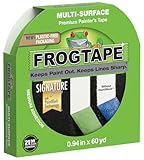
There’s also specialty tape. You’ve got green tape, which is often a medium-tack tape, good for general-purpose use and slightly more durable surfaces. Then there’s the FrogTape line, which uses a technology that actually seals the edges when paint is applied, supposedly preventing bleed-through even better.
I’ve had mixed results with some of these specialty tapes, honestly. Sometimes they work like a charm, other times they’re just expensive paper. My advice? If you’re doing a high-stakes job, like painting a whole room a bold color, invest in a reputable brand of blue or green painters tape and take your time applying it.
For intricate patterns or multiple colors, consider a tape specifically designed for multi-surface use or even vinyl tape if you need something super thin and precise, though vinyl can be trickier to remove cleanly if left on too long. Ultimately, understanding that tape is a tool, and like any tool, it has a specific purpose and a right way and a wrong way to use it, will save you a lot of headaches.
One thing to always check is the manufacturer’s recommendation for how long to leave the tape on. Most standard painters tapes are designed to be removed while the paint is still slightly wet or within 24 hours. Leaving it on too long, especially in humid conditions or with certain paint types, can cause the adhesive to bond more strongly to the surface, making removal difficult and risky. I once left tape on for nearly three days on a job because I got busy, and when I finally pulled it, it took chunks of the paint with it. Lesson learned: timing is everything.
| Tape Type | Adhesive Strength | Best Use Case | My Verdict |
|---|---|---|---|
| Duct Tape | Very High | Temporary repairs, sealing, bundling | Terrible for painting lines. Will likely ruin your paint job. |
| Standard Blue/Green Painters Tape | Low to Medium | General interior painting, walls, trim | Your go-to. Reliable, easy to find, works well most of the time. |
| Delicate Surface Tape (Purple/White) | Very Low | Fresh paint, wallpaper, delicate finishes | Key for sensitive surfaces. Worth the extra cost. |
| High-Performance/Multi-Surface Tape (e.g., FrogTape) | Medium to High | Complex patterns, exterior use, demanding surfaces | Can be great for specific jobs, but sometimes overkill or prone to lifting if not applied correctly. |
Common Mistakes When Using (or Misusing) Tape
So, you’ve got the right tape, but you’re still ending up with a mess? It’s probably one of these common blunders. The biggest mistake people make, aside from using duct tape, is not preparing the surface properly before applying any tape. That means making sure the surface you’re taping to is clean and dry. Dust, grease, or moisture can prevent the tape from adhering properly, leading to bleed-through. If you’re taping over a previously painted surface, make sure that paint is fully cured and dry. A slightly tacky, uncured paint will inevitably lift when you remove the tape.
Another huge error is not pressing down the edges of the tape firmly. This is where that aggressive adhesive of duct tape really shines in its awfulness, but even good painters tape needs a good seal. Run your fingernail, a putty knife, or a specialized tape tool along the edge of the tape to create a tight seal. This is what prevents paint from creeping underneath. I’ve seen people just slap the tape down and expect miracles. It doesn’t work like that. You need to be deliberate. Pay extra attention to corners and seams where the tape might lift slightly.
Then there’s the issue of leaving the tape on for too long. As I mentioned, most painters tapes are designed to be removed when the paint is still wet or tacky.
This allows the paint edge to snap cleanly. If you let the paint cure completely and then try to pull the tape, you risk pulling up the paint that has bonded to the tape’s edge. On the flip side, pulling tape off when the paint is still very wet can cause smearing and drag. It’s a delicate balance, and you might need to experiment with the specific paint and tape you’re using. (See Also: Does Painters Tape Rip Paint Off Walls )
A good rule of thumb is to check a small, inconspicuous section first. I’ve learned to have a wet rag handy to immediately wipe away any minor bleed-through that might occur right after removing the tape, before it dries.
Applying tape too quickly is also a problem. Rushing the process means you’re more likely to create air bubbles, uneven lines, and gaps. Take your time. Lay the tape down smoothly, working from one end to the other.
If you encounter an air bubble, try to gently lift and reapply the tape, or if it’s small, try to push it out towards the edge. Some people even advocate for ‘feathering’ the edge with a thin bead of the new paint color being applied over the tape edge, then removing the tape. This seals the edge with the paint you’re applying, creating a razor-sharp line once the tape is gone.
It sounds counterintuitive, but it works remarkably well, provided you don’t let that first thin coat of paint dry completely before removing the tape.
Real-World Scenarios: When a ‘wrong’ Tape Might Work (but Don’t Count on It)
Okay, so I’m pretty firm on duct tape being a no-go for your standard wall painting. But are there any edge cases?
What if you’re not painting delicate surfaces, or you’re doing a really rough, industrial-looking project? I’ve heard of people using duct tape for masking off large areas on concrete floors for epoxy coatings, or for taping off sections of metal siding during exterior repairs. In these scenarios, the primary concern might be more about creating a durable barrier that won’t tear or lift under harsh conditions rather than achieving a super-fine, razor-sharp line.
For instance, if you’re painting a concrete garage floor with a rugged texture and you want to block off a doorway, the main goal is to prevent paint splatters from getting into the house. Here, the extra-strong adhesive of duct tape might actually be beneficial for holding down the edges against potential drafts or foot traffic.
I once had to paint a small section of a rustic wooden fence that was already weathered and uneven. I needed to tape off a part of it to apply a different stain. I didn’t have any painters tape handy, and it was a Saturday afternoon.
I grabbed some duct tape, applied it carefully, and made sure to press down the edges really well against the rough wood. The result? It wasn’t perfect, there was a little bit of bleed-through on the wood grain, but it was acceptable for the overall rustic aesthetic I was going for.
The fence wasn’t going to win any awards for pristine lines anyway. The key here was that the surface was already imperfect and the desired outcome was not a sharp, clean division.
The strength of the duct tape held it in place against the elements (it was an outdoor project), and the bleed-through wasn’t a deal-breaker for that specific application.
However, I would never do this on a smooth, finished surface like a drywall wall, furniture, or trim. The risk of damaging the underlying finish is too high.
Even on these rougher surfaces, you run the risk of the adhesive leaving residue behind, especially if the surface is porous or the tape is left on for an extended period. I’ve had to scrub sticky residue off concrete and even some plastics after using duct tape for temporary masking. It’s a time-consuming process that negates any initial time or money saved.
So, while there are niche situations where duct tape might be pressed into service, it’s generally a bad idea. It’s like using a sledgehammer to crack a nut – you might get it done, but you’ll probably smash everything else around it too. The specialized nature of painters tape means it’s engineered for the job. (See Also: Does Masking Tape Work The Same As Painters Tape )
Duct tape is engineered for brute-force adhesion.
If you absolutely find yourself in a bind with no painters tape and a very forgiving surface, consider these points: 1. Test it first. Find an inconspicuous spot and see how it adheres and, more importantly, how it removes. 2. Apply it carefully and press down every single edge. 3. Plan to remove it as soon as the paint is dry to the touch. 4. Be prepared to clean up residue and touch up paint. It’s a gamble, and frankly, not one I’d recommend taking on anything you care about looking good. The cost of a roll of proper painters tape is negligible compared to the potential cost of fixing a botched paint job.
A Personal Story of Tape Trauma
I was maybe 20 years old, full of DIY bravado and a dangerously low budget. I decided to paint my first apartment bedroom a deep, moody teal. I wanted a crisp white border at the top, right under the ceiling. Classic. I had a roll of sturdy, grey duct tape in my toolbox, the kind that could probably hold a car together. I thought, ‘Why buy fancy tape when I have this superhero tape?’ I meticulously cut strips and applied them along the ceiling line. I pressed it down with all my might, convinced I had created an impenetrable barrier.
The painting itself went fine. I was so proud of my bold color choice. Then came the moment of truth: peeling off the tape. I started at one corner, pulling slowly, expecting a clean, sharp line. What I got instead was a slow, agonizing rip. The duct tape adhesive, instead of releasing cleanly, decided it wanted to become one with the ceiling paint. It pulled up not just the teal paint, but also chunks of the white ceiling paint underneath. It was a disaster. Jagged, uneven lines, paint ripped out in irregular patches, and worst of all, a sticky, gummy residue left behind on the wall where the adhesive had transferred. It looked like a roadmap of my failure.
I spent the next entire weekend trying to salvage it. I had to carefully scrape off the residue with a putty knife, which, of course, scratched the drywall in places. Then came the agonizing process of carefully patching, sanding, priming, and re-painting the ceiling line, trying to blend it in. It was a monumental task, and the final result was… okay.
But it was never as crisp as it would have been with proper painters tape. I learned a very valuable, very sticky lesson that day: duct tape is for emergencies and repairs, not for creating beautiful, clean lines on your walls. The cost of that lesson wasn’t just the extra paint and supplies; it was the sheer frustration and the realization that sometimes, using the right tool is the cheapest and most effective option in the long run.
Faq: Your Burning Tape Questions Answered
Can You Use Duct Tape Instead of Painters Tape on Wood?
Generally, no. While duct tape adheres strongly to wood, its aggressive adhesive can easily pull up paint, stain, or even splinter delicate wood grain when removed. The fabric backing can also leave behind sticky residue. For painting wood, always opt for a low-tack painters tape designed for the surface you’re working on, especially if it’s finished or painted.
Will Duct Tape Leave Residue on Walls?
Yes, almost certainly. Duct tape’s adhesive is very strong and sticky, designed for permanent bonding. When removed from painted walls, it’s highly likely to leave behind a gummy residue that is difficult to clean without damaging the paint. This residue can also attract dirt and dust over time.
Is There Any Situation Where Duct Tape Is Okay for Painting?
Very rarely, and only if you are painting a rough, unfinished surface where a perfectly crisp line is not required, and the primary goal is barrier protection. For example, masking off a large concrete area for industrial floor coating where durability is key. Even then, residue is a risk. For any decorative painting or on finished surfaces, it’s a bad idea.
How Do I Remove Tape Residue After Painting?
For painters tape residue, gentle methods usually work best. Try a bit of warm, soapy water on a cloth, or a dedicated adhesive remover like Goo Gone. For duct tape residue, which is often tougher, you might need a stronger solvent, but always test it on an inconspicuous area first to make sure it doesn’t damage your surface. Patience and gentle scrubbing are key.
What Is the Difference Between Blue and Green Painters Tape?
The main difference lies in their adhesive strength and intended use. Blue painters tape is typically a low-tack tape, ideal for delicate surfaces or freshly painted walls, designed for clean removal without damage. Green painters tape is usually a medium-tack tape, offering a stronger bond suitable for more durable surfaces and longer masking times, but still designed for clean removal. Some brands also offer specialized tapes with different strengths.
Can You Use Duct Tape Instead of Painters Tape? The Verdict
So, after all this, the answer to the question ‘can you use duct tape instead of painters tape?’ is a resounding and unequivocal NO for almost every painting scenario. Duct tape is engineered for strength and permanence, not for the delicate art of creating clean paint lines. Its aggressive adhesive will likely pull up paint, leave residue, and its stiff backing will promote bleed-through. The results are almost always a mess that costs more time and effort to fix than using the right product in the first place.
Think of it this way: you wouldn’t use a butter knife to saw through a piece of wood, right? It’s the wrong tool for the job. Duct tape is the wrong tool for masking paint. Invest in decent quality painters tape. It’s relatively inexpensive, readily available, and specifically designed to give you those sharp, clean lines you’re after without ruining your hard work. Your walls, and your sanity, will thank you.
Conclusion
I’ve seen enough botched paint jobs, both my own and others’, to be firmly in the ‘use the right tool’ camp. Duct tape is a miracle product for many things, but delicate masking for painting isn’t one of them. The temptation to save a few bucks or use what you have on hand is strong, but trust me, the time and frustration you’ll spend fixing the mess far outweighs the cost of a roll of proper painters tape.
If you’re facing a painting project, whether it’s a simple accent wall or a multi-color mural, reach for the blue or green tape. If you have delicate surfaces or freshly painted walls, grab the delicate surface tape. It’s a small investment that guarantees a much better outcome and saves you from the sticky aftermath of using duct tape where it doesn’t belong.
So, to be crystal clear: can you use duct tape instead of painters tape? In my honest opinion, absolutely not. Stick to the tools designed for the job, and you’ll be far happier with the results.