I’ve seen it a million times in DIY forums and car detailing groups: someone masking off a section of carpet for a project and then panicking about the fallout. The big question always pops up: does painters tape leave residue on carpet? My short answer? It absolutely can, but it’s usually not a disaster if you know what you’re doing. I learned this the hard way years ago when I tried to tape off the edge of my car’s floor mats to keep overspray off them during a minor interior refresh. Let’s just say it wasn’t as clean a removal as I’d hoped.
This isn’t some black magic. It’s about understanding the tape, the carpet, and a bit of patience. Over the years, I’ve tried just about every type of masking tape imaginable on surfaces I probably shouldn’t have, and carpet is one that requires a little more finesse than, say, a painted wall. So, let’s cut through the noise and get to what actually happens.
The Sticky Truth: Why Tape Clings to Carpet
So, you’ve got a project – maybe you’re painting a trim piece that’s right next to your shag carpet, or perhaps you’re trying to protect your entryway carpet from muddy boots with a temporary barrier. Whatever the reason, you’re looking at that roll of painters tape and wondering, ‘Does painters tape leave residue on carpet?’
The short, sometimes frustrating, answer is: yes, it can. It’s not that the tape itself is inherently evil, but rather a combination of factors that lead to those annoying sticky remnants. Think about it: carpet fibers are soft, fuzzy, and have a lot of surface area. Unlike a smooth, non-porous surface like glass or painted drywall, carpet fibers can trap the adhesive.
When you peel the tape off, some of that sticky goo can grab onto those fibers, and voilà, you’ve got residue.
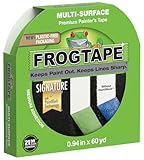
The type of tape matters, of course. You’ve got your basic blue painters tape, often marketed as ‘multi-surface’ or ‘delicate surface.’ Then there’s the more aggressive green tape, usually for rougher surfaces, and the professional-grade stuff that costs a fortune. The adhesive formulation is key.
Cheaper tapes often use a more aggressive, tackier glue to make sure it sticks well to walls and trim. This tackiness is precisely what can cause problems on carpet. It’s designed to create a strong bond, and carpet, with its complex weave and fuzzy texture, provides plenty of opportunities for that bond to stick around long after you’ve removed the tape. I remember one time I was painting a radiator in my living room, and I thought a simple strip of blue tape along the carpet edge would be foolproof. (See Also: Can I Use Painters Tape On My Watercolor )
Turns out, my carpet has this particular plushness, and the tape decided to become one with it. It looked like a snail had slimed its way across the floor.
The duration the tape is left on is another massive factor. If you’re just taping it for an hour while you quickly touch up a baseboard, you’re probably in the clear.
But leave it on for days, especially in a warm environment, and that adhesive can really start to set in. Heat can soften the adhesive, making it more prone to spreading and sticking deeper into the carpet fibers. Conversely, very cold temperatures might make it brittle, which could also cause it to break apart and leave tiny bits behind.
It’s a delicate dance. The environment plays a role too. High humidity can affect how the adhesive behaves. So, while the tape might peel off cleanly from a dry, cool wall, the same tape on a carpet in a humid basement might behave entirely differently.
It’s this confluence of tape type, carpet texture, and environmental conditions that dictates whether you’ll be left with a sticky mess or a clean line.
What Kind of Tape Are You Actually Using?
Alright, let’s get real about the tape itself. When people ask ‘does painters tape leave residue on carpet?’, they’re usually thinking about that roll of blue tape they grabbed at the hardware store. But there’s a whole spectrum of ‘painters tape,’ and they are NOT created equal. You’ve got your standard ‘all-purpose’ blue tape. This stuff is designed for moderately sensitive surfaces and is generally okay for short-term use on things like walls and trim. It’s got a decent tack, but it’s not usually the culprit for hardcore residue on carpet unless it’s left on for ages or the carpet is particularly prone to grabbing things. (See Also: Can I Tape Things To My Wall Using Painters Tape )
Then you’ve got the ‘delicate surface’ tapes. These are usually lavender or pale green, and they boast ‘low adhesion.’ This sounds like your best bet for carpet, right?
In theory, yes. They use a gentler adhesive that’s designed not to damage wallpaper or freshly painted surfaces. I’ve had some success with these on short-pile carpets, but even they can leave a faint sticky film if you’re not careful or if the carpet is really plush. They’re often more expensive, too, which is always a consideration.
I tried a really fancy lavender tape once on a berber carpet, thinking I was being super clever. It came off cleanly, but it left this almost invisible, slightly greasy-feeling film that attracted every dust bunny in a five-foot radius. So, ‘gentle’ doesn’t always mean ‘residue-free.’
On the other end of the spectrum, you have your ‘heavy-duty’ or ‘exterior’ tapes, often orange or green. These are for rough surfaces like brick, concrete, or heavily textured walls. The adhesive is STRONG. You absolutely do NOT want to use these on carpet unless you’re prepared for a serious cleaning job. I once saw a buddy use a thick green tape to mask off a section of his garage carpet before he started spraying bedliner. Big mistake. He spent three hours with a putty knife and goo-gone trying to get it all off. The tape itself tore into tiny pieces, and the adhesive was baked on. It was a disaster.
The core issue is the adhesive. It’s a viscoelastic material. That means it flows and deforms under stress. On a smooth surface, it just peels away.
On carpet fibers, it can be pulled and stretched, embedding itself. Different tapes use different formulations – some are acrylic-based, others are rubber-based. (See Also: Can I Use Painters Tape On Wood Floors )
Acrylics tend to be more UV stable but can be less aggressive. Rubber-based adhesives are often tackier and can be more prone to leaving residue, especially when heated. So, when you’re asking ‘does painters tape leave residue on carpet?’, remember that the answer is heavily influenced by the specific ‘flavor’ of painters tape you’re wielding.
My personal rule of thumb? If in doubt, use the least aggressive tape you can find and test it in an inconspicuous spot first. And for carpet? I’m leaning towards the delicate surface tapes, but with extreme caution.
Lsi Keyword: Masking Tape Variations
It’s worth noting that the term ‘painters tape’ is often used interchangeably with ‘masking tape.’ While many masking tapes are designed for painting, not all masking tapes are created equal, and some are significantly more aggressive than others. When considering if masking tape variations will leave residue on carpet, it’s about the tackiness and composition of the adhesive, just like with dedicated painters tape.
Final Thoughts
So, does painters tape leave residue on carpet? The honest answer, based on years of questionable DIY decisions and sticky cleanups, is a definite ‘yes, it can.’ It’s not a matter of if it’s possible, but when and how badly. The combination of carpet’s fuzzy nature and the adhesive on tape creates a perfect storm for sticky situations. My advice? If you can avoid taping your carpet directly, do it. Your future self will thank you.
If you absolutely must use tape, opt for the gentlest option you can find, test it rigorously in a hidden spot, and remove it as quickly as humanly possible. And if you do end up with that dreaded sticky residue, don’t despair. There are methods to remove it, but be prepared for a bit of work. It’s a lesson I’ve learned repeatedly, and I hope sharing my blunders helps you sidestep them. Always consider the surface you’re taping to – carpet is not the same as drywall.
What’s the worst tape-related carpet disaster you’ve ever had? Or do you have a secret weapon for removal that I haven’t mentioned? Share your war stories; we’re all in this sticky situation together.