I remember one particularly disastrous dorm room decorating session back in the day. I had these epic band posters, the kind you’d want to stare at for hours. My go-to? Whatever blue painters tape I could find at the local hardware store. Seemed like a good idea at the time – removable, right? Wrong. Woke up the next morning to find one poster half-detached, its bottom edge curling like a sad, forgotten potato chip. The other? Miraculously still hanging, but with faint blue streaks I swore weren’t there before. So, does painters tape hold up posters? Let me tell you, it’s not as simple as grabbing the cheapest roll.
It depends. It REALLY depends. You’re not just buying tape; you’re buying a promise. And sometimes, that promise comes with a hefty dose of disappointment, especially when you’re trying to preserve something you actually care about. I’ve learned the hard way that not all painters tape is created equal, and what works for a quick weekend paint job can be a total fail for keeping your wall art in place.
The Truth About Adhesives and Your Walls
Look, the basic idea behind painters tape is simple: it’s designed to stick to surfaces temporarily without leaving residue or damaging the underlying material when removed. This is achieved through a specially formulated adhesive, typically a rubber-based or acrylic adhesive.
The key here is ‘specially formulated’ and ‘temporarily’. For painting, this means it needs to hold firm enough to create a clean line against a wall or trim, but then peel off cleanly once the paint is dry. This delicate balance is what makes it so popular for DIY projects.
When it comes to hanging posters, the same principles apply, but the stakes are higher. A poster isn’t just a temporary barrier; it’s often something you want to keep pristine for months, or even years.
The adhesive needs to maintain its grip over a longer period, resisting the forces of gravity and potential environmental changes like humidity or temperature fluctuations. The problem is, many standard painters tapes prioritize ease of removal over long-term adhesion. They’re formulated to be low-tack, meaning they don’t grab too aggressively. This is great for freshly painted walls that are still a bit delicate, but less so for holding up a piece of paper against a potentially textured or slightly dusty surface.
I’ve had rolls that felt almost waxy, barely sticking to anything. Then I’ve had others that, while easy to remove from trim, would leave faint gummy trails on my plaster walls after a week. The problem isn’t usually that the tape won’t hold a poster initially.
Most basic blue tapes will get a poster up there for a few hours, maybe even a day. The real issue is consistency and longevity. Will it still be holding that poster a month from now? Or will you find it drooping, or worse, peeling off and taking a chunk of your wall paint with it?
I once tried to hang a thick art print using a cheap, no-name brand of blue tape. It worked for about two days before the poster decided to make a break for it, leaving a lovely, wavy crease down the middle. That’s when I realized I needed to be more discerning.
There’s a misconception that ‘painters tape’ is a monolithic product. It’s not. You’ve got your basic blue, your green for delicate surfaces, your purple for more demanding jobs, and even those high-performance gold or violet tapes designed for architectural lines. Each has a slightly different adhesive strength and tackiness. For posters, we’re generally looking for something that balances decent adhesion with a low risk of damage. It’s a tightrope walk, and many tapes fall off.
What to Look for (and What to Avoid)
So, if you’re staring at a wall full of poster options and a shelf full of tape, what’s the move? First off, ditch the absolute cheapest, no-name stuff. Seriously. Those generic rolls might save you a buck upfront, but they’re a gamble. (See Also: Does Painters Tape Pull Off Paint )
I’ve found that reputable brands, even their standard blue tape, tend to have more consistent quality control. Brands like 3M, FrogTape (especially their delicate surface version), and Scotch offer a wider range, and their product descriptions often give you a hint about the intended use and tack level. For posters, you want a tape that is described as having a ‘medium’ or ‘strong’ adhesion, but specifically mentions being safe for painted surfaces or delicate items.
The key is to look for the balance. If it says ‘extra-strength’ and doesn’t mention anything about being safe for painted walls, run the other way.
One thing I always do, and I mean always, is test it. Before you commit your prize poster to a length of tape, grab a small, inconspicuous spot on your wall – maybe behind where the poster will hang, or on an unused section of trim.
Stick a small piece of the tape there for 24-48 hours. Then, peel it off. Does it come off cleanly?
Does it pull paint? Does it leave a residue? If it passes this little stress test, you’ve got a much better chance. I learned this the hard way when I used some generic tape on a freshly painted rental wall.
It ripped off a whole strip the size of my hand when I tried to remove it. Lesson learned: always, always test.
What else to avoid? Overly aggressive tapes. Think of those heavy-duty tapes designed for construction or outdoor use. They are overkill and will likely rip your poster or wall apart. Also, avoid tapes that feel overly sticky or ‘grabby’ right out of the roll. The best painters tape for posters usually has a slight tackiness, but not an aggressive, sticky-goo feeling. The material of the tape itself matters too. Thicker, more solid tapes tend to be more forgiving. Thin, flimsy tapes can tear easily and leave uneven adhesive marks. It’s a subtle art, but one worth understanding if you don’t want your posters to end up on the floor.
A common mistake people make is thinking that all “blue” painters tape is the same. It’s not. The color is more of a branding thing across different brands than an indicator of tack level. You’ll find blue tape that’s super low-tack and blue tape that’s surprisingly strong. It’s the product description and the specific formulation that matters. If it’s just labeled ‘painters tape’ with no other descriptors, proceed with caution.
| Tape Type/Brand (Example) | Adhesion Level | Surface Suitability | Verdict for Posters |
|---|---|---|---|
| Standard Blue (Generic) | Low to Medium | Most surfaces (but can vary wildly) | Risky. May not hold long-term or could leave residue. |
| 3M Blue Multi-Use | Medium | Most surfaces, including freshly painted (3 days) | Decent. Good balance of hold and removability. Better than generic. |
| FrogTape Delicate Surface | Low | Delicate surfaces, fresh paint, wallpaper | Too weak for most posters unless the poster is very light and surface is perfectly smooth. |
| Scotch Blue Original (the familiar blue one) | Medium to Strong | Most surfaces, including painted walls | A solid bet. Often reliable for posters. |
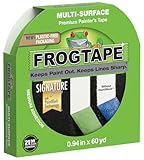
| FrogTape Multi-Surface (Green) | Medium to Strong | Most surfaces, including wood, glass, metal | Good option. More durable than basic blue, good hold. |
| High-Performance Tapes (e.g., Gold, Purple) | Strong to Very Strong | Specific surfaces, demanding jobs | Overkill. Likely to damage posters or walls. Avoid. |
My Go-to Tape (and Why It’s Not What You Think)
Alright, confession time. While standard blue painters tape can work if you’re careful and choose the right brand, I’ve actually moved away from it for anything I truly want to keep up long-term. My personal go-to for posters and even lightweight wall art is actually a good quality masking tape, but with a twist. Specifically, I use a medium-tack, artist-grade masking tape. Brands like Washi tape, or certain archival tapes, offer a gentler adhesive than even the best painters tape. They’re designed to stick to paper and delicate surfaces without causing damage. The key is to find one that’s not too sticky. I look for ones that are described as ‘removable’ or ‘low-tack’ but still offer enough grip for paper.
The reason I prefer this over painters tape is twofold. First, the adhesive is generally formulated to be even less aggressive than painters tape, meaning a significantly lower risk of pulling paint or leaving residue, even after months. Second, many of these tapes are designed for crafts and art projects, so they often come in various widths and can be quite aesthetically pleasing if any part of them shows. It feels more intentional than just slapping blue tape on. (See Also: Does Painters Tape Rip Paint Off Walls )
I’ve had a collection of vintage movie posters up for over two years now, attached with a specific brand of Japanese Washi tape, and they haven’t budged. Zero residue, zero paint damage when I eventually moved. It cost a bit more than a roll of blue tape, maybe $8 for a roll that lasts ages, but the peace of mind is worth it.
Now, for the contrarian opinion: Everyone and their mother will tell you painters tape is the only way to go for posters because it’s “removable.” I disagree, and here’s why: ‘Removable’ doesn’t always mean ‘damage-free,’ especially over time or on certain surfaces. Painters tape is designed for a relatively short dwell time (days, not months or years) and its adhesive can degrade or react with the wall surface differently over extended periods.
It’s meant to be taken off within a week or two of application, not left for years. For long-term display, a tape specifically designed for archival or gentle adhesion, like certain masking or Washi tapes, is often a safer bet, even if it’s not technically ‘painters tape’.
It’s about function over strict definition. You’re not painting; you’re decorating.
If you absolutely must use painters tape, my best advice is to opt for brands that offer different tack levels. Look for their ‘delicate surface’ or ‘multi-surface’ options, and read reviews specifically mentioning long-term adhesion and residue. And for the love of all that is holy, TEST IT FIRST. I can’t stress that enough. A tiny test patch can save you from a world of painting touch-ups and poster repairs.
People Also Ask: Your Poster-Hanging Questions Answered
Can I Use Double-Sided Tape for Posters?
You can, but you have to be incredibly careful. Most double-sided tapes are very aggressive and designed for permanent bonding. Using them on posters can easily rip the poster paper, and when you eventually try to remove the poster, you’ll likely pull off chunks of your wall paint, drywall paper, or leave a sticky residue that’s a nightmare to clean. If you opt for double-sided tape, look for “removable” or “photo-safe” varieties, and even then, test it thoroughly on an inconspicuous spot first. Often, the tape itself is paper-thin and the adhesive is strong enough to tear through poster paper.
Will Command Strips Damage My Wall When Hanging Posters?
Command Strips are generally designed to be damage-free when used according to the instructions. They use a special adhesive that bonds strongly but releases cleanly when stretched in the specified direction. For posters, you’d typically use the smaller Command Strips for lightweight items. The key is to make sure the wall surface is clean and smooth, and that you follow the removal instructions precisely by stretching the strip downwards slowly. They are generally a much safer bet for hanging posters long-term without damaging walls than most tapes, though they are more expensive than tape.
How Do I Remove Tape Residue From Posters and Walls?
For walls, a gentle solvent like Goo Gone or rubbing alcohol (isopropyl alcohol) can often dissolve sticky residue. Apply it to a soft cloth and gently rub the area. Test in an inconspicuous spot first to make sure it doesn’t damage the paint. For posters, this is trickier. If the residue is fresh, you might be able to gently lift it with a piece of the same tape or a clean eraser. For stubborn residue on a poster, you might need a specialized adhesive remover, but use it with extreme caution as it can damage the paper or ink. Sometimes, the residue is permanent, which is why prevention is key.
What Is the Best Type of Tape for Hanging Artwork on Walls?
The ‘best’ type depends heavily on the weight and material of the artwork, as well as the wall surface. For lightweight paper items like posters, you have a few good options: high-quality masking tape (artist grade, medium tack), specialized Washi tapes, or Command Strips (for a damage-free, slightly more secure hold than tape). Avoid standard packing tape or duct tape at all costs. If the artwork is heavier, you’ll need to consider picture hanging strips or even small nails or hooks, as tape alone will not suffice and will likely fail, potentially damaging both the art and the wall.
Practical Tips for Poster Hangers
Beyond choosing the right tape, there are a few other things you can do to make sure your posters stay put and your walls stay pristine. First, consider the surface itself. A perfectly smooth, clean, painted wall is the ideal canvas. If your walls are textured, dusty, or made of a less forgiving material (like old wallpaper or a delicate paint finish), you’re going to have a harder time with any adhesive. (See Also: Does Masking Tape Work The Same As Painters Tape )
For textured walls, you might need to use a stronger tape, but that increases the risk of damage. It’s a trade-off you have to assess. I’ve found that a quick wipe-down with a slightly damp cloth (and letting it dry completely) can help remove dust that might interfere with adhesion on smoother surfaces.
Another tip is to overlap the tape. When you’re applying a strip of tape to the poster and then to the wall, don’t just stick one edge. Try to fold the tape over the edge of the poster and press it down firmly, then do the same when applying it to the wall. This creates a stronger bond and distributes the pulling force more evenly.
Think of it like reinforcing the edges. Also, if you’re hanging multiple posters, try to use the same type of tape and apply it consistently. This way, you minimize variables if something does go wrong.
If you’re hanging a large poster, consider using more tape than you think you need. Don’t skimp.
Better to have a bit of tape showing than to have your poster fall down in the middle of the night.
Finally, understand the limitations. Even the best tape has its limits. Extremely heavy posters, posters printed on very thick cardstock, or anything exposed to direct sunlight or high humidity might not stay put with tape alone. For these situations, you really should look at framing or using specialized hanging systems. Painters tape is a decent solution for most standard paper posters on smooth walls, but it’s not a magic bullet. When in doubt, err on the side of caution. A little extra effort in choosing the right material and applying it correctly can save you a lot of headaches later on.
Final Verdict
So, does painters tape hold up posters? Yes, it can, but it’s a gamble if you don’t choose wisely and prepare properly. I’ve learned that while it’s marketed for DIY and temporary fixes, its long-term adhesion and removability can be hit-or-miss for delicate paper items like posters. The risk of residue or paint damage is real, especially if left for months or years.
My advice? If you value your posters and your walls, consider alternatives like artist-grade masking tape or even Command Strips for a more reliable and damage-free solution. If you’re set on painters tape, always, always test it on an inconspicuous spot first. Pay attention to the specific type of tape and its intended use. Don’t just grab the cheapest blue roll and hope for the best; your posters will thank you.
Ultimately, the best method depends on your specific situation – the poster, the wall, and how long you plan to display it. Take the time to do it right, and you won’t be dealing with peeling edges or paint repairs later.