
You know that feeling. You’re in the middle of something important – maybe a work call, or just trying to read a book – and suddenly, your glasses are slipping. You reach up to push them back, and realize it’s not just slipping. One of the tiny screws holding your frame together has vanished into the ether. It’s a common, infuriating problem, and it begs the question: how much does it cost to repair glasses screws?
Most people just assume they’ll have to shell out a chunk of change at the optician. And yeah, sometimes that’s the case. But often, you can get that pesky screw replaced for way less than you think, or even fix it yourself with a bit of know-how. Let’s break down what’s actually involved and what you can expect to pay.
The Tiny Tyrants: Why Glasses Screws Go Rogue
Look, I’ve been there. Dropped my favorite pair of specs more times than I care to admit. Each time, it’s a mini-heart attack. Those little screws are minuscule marvels of engineering, but they’re also incredibly prone to disappearing. Why? It’s usually a combination of vibrations, daily wear and tear, and frankly, just bad luck. Think about it: your glasses are constantly being handled, adjusted, maybe even tossed onto a nightstand. That constant micro-movement can loosen even the tightest screw over time.
I remember once, I was out hiking, and my sunglasses felt a bit loose. I fiddled with them, thought I’d tightened it up, and then, somewhere on a dusty trail, pop. One of the arms just detached. I was practically blind without them for the rest of the day, squinting at trail markers. I ended up having to buy a cheap pair from a gas station, which were, predictably, awful. That little $50 pair of sunglasses cost me a good chunk of my sanity and ended up costing me more in the long run because I didn’t have a proper repair kit or knowledge. It’s those small, seemingly insignificant parts that can cause the biggest headaches if they fail.
The material of the frame itself also plays a role. Metal frames, especially those with very thin arms or hinges, are more susceptible to screws working their way out compared to thicker plastic or acetate frames where the screw might be more deeply embedded or have a larger housing. Even the way you clean your glasses can contribute. Rubbing too vigorously, especially around the hinge area, can put undue stress on those tiny fasteners. It’s not just about the screw; it’s about the whole delicate ecosystem of your eyewear.
Honestly, most of the time, it’s not a complex mechanical failure. It’s just a tiny piece of metal deciding it’s had enough of being constrained. The design of eyeglass hinges, while generally effective, often relies on these tiny threaded components that can, and do, loosen. There’s no magic force keeping them perpetually secure. It’s physics, plain and simple, and sometimes physics is a real jerk when you’re trying to see clearly.
DIY vs. The Optician: Who Gets Your Cash?
Alright, let’s talk turkey about where you get this fixed and how much it’ll set you back. Your first instinct, and often the most convenient, is to head to the optician where you bought your glasses, or any optical shop. For a simple screw replacement, they’re usually pretty quick. They’ve got specialized tools and a whole drawer full of tiny screws. Most of the time, this will cost you somewhere between $10 and $30. Some places might even do it for free if it’s a quick fix and you’re a regular customer. It’s that simple: you walk in, they pop it out, pop a new one in, and you walk out. Easy peasy.
However, if it’s a more specialized frame, like rimless glasses where the screw holds the lens directly into the frame material, or if the hinge itself is damaged, the cost can creep up. For those types of repairs, you might be looking at $40 to $75, or even more if custom parts are needed. I once had a pair of expensive titanium frames where the hinge mechanism was a bit unusual. The optician had to order a specific part from the manufacturer, and that little screw replacement ended up costing me nearly $60. Definitely stung more than I expected.
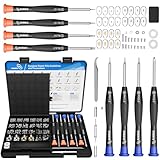
Then there’s the DIY route. This is where you can save a ton of money, but it requires a little nerve and the right tools. You can buy a basic eyeglass repair kit for about $10-$20 online or at a drugstore. These kits usually come with a selection of tiny screws, a small screwdriver (often with multiple heads), and sometimes even tweezers.
If you’ve got steady hands and a bit of patience, you can absolutely replace a lost screw yourself. I’ve done it countless times.
My go-to kit cost me about $15, and it’s paid for itself over and over. It’s incredibly satisfying to fix something yourself and avoid that trip to the shop. Plus, you’re ready for the next inevitable screw failure. (See Also: How To Fix Eyeglasses Arm Without Screw )
The real kicker, though, is when people try to improvise. I’ve seen folks try to use superglue, tape, or even bits of wire. Bad idea. Superglue can get gummy and mess up the hinge mechanism, making it stiff or impossible to adjust later. Tape is just… tape. It looks terrible and won’t hold for long. Wire can scratch your frame or even your skin. For the price of a cheap repair kit, there’s really no excuse to resort to these hack jobs. It’s worth getting the right tool for the job, even if it’s a small one. Remember, your glasses are important for your vision, so treat them with a little respect.
What to Look for: Identifying the Real Problem
Before you even think about cost, you need to figure out what exactly needs fixing. Is it just a missing screw, or is there more going on? Often, the screw is the symptom, not the disease. You might be looking at how much does it cost to repair glasses screws, but sometimes the frame itself is bent or the hinge is warped. If the screw hole is stripped – meaning the threads are worn out and the screw won’t tighten properly – that’s a different ballgame. It’s like trying to screw into rotten wood; it just spins endlessly.
I had a pair of acetate frames that kept loosening. I kept replacing the screws, thinking that was the fix. Turns out, the plastic around the hinge was slightly cracked. The new screws would hold for a bit, but the crack would just let them loosen again. Eventually, the arm fell off completely. The optician charged me $50 to replace the entire hinge assembly and secure the arm. If I’d looked closer at the frame material itself, I might have caught it sooner. So, inspect the area around the screw hole. Look for tiny cracks, wear, or deformation in the frame material. This is especially important for plastic frames.
For metal frames, check the hinge itself. Is it bent? Is there excessive play or looseness even with a screw in place? Sometimes, the hinge can get slightly out of alignment, and a simple screw replacement won’t fix the underlying instability. This is where an optician’s expertise really comes in handy. They can assess if the hinge needs to be straightened, re-crowned (a process of reshaping the end of the screw or the hinge barrel), or if the entire hinge assembly needs replacing. These more involved repairs will, naturally, cost more than just a simple screw swap.
Don’t underestimate the power of a good light source and a magnifying glass. Seriously.
Those tiny screws and hinge mechanisms are easy to miss details on if you’re just squinting at them under normal room lighting. Get a bright desk lamp and a magnifying glass, and really examine where the problem lies. Is the screw head stripped?
Is the barrel of the hinge worn down? Is the frame material around the screw hole damaged? Understanding the exact nature of the problem will help you decide whether a quick DIY fix is feasible or if you need to head to a professional. This is also where some of the online eyeglass repair kits come in handy, as they often include a small magnifying lens.
Common Mistakes and What to Avoid
Okay, let’s talk about the screw-ups. We all make ‘em, but some are more costly than others when it comes to glasses. The biggest mistake people make? Trying to force a screw that doesn’t quite fit. Eyeglass screws are incredibly specific in size and thread pitch. If you try to jam a screw from a generic electronics kit into your glasses, you’re likely to strip the threads in the hinge or the screw hole itself. This turns a simple, cheap fix into a potentially expensive repair or even an unfixable frame. Stick to screws specifically designed for eyewear. They’re cheap enough that it’s not worth the risk.
Another common blunder is over-tightening. You might think, “I’ll just crank this down so it doesn’t loosen again!” Wrong. Over-tightening can strip the threads, crack the frame material (especially plastic), or even bend the screw itself. The goal is snug, not torqued down like a lug nut on a truck. I learned this the hard way with a pair of expensive sunglasses. I was so determined they wouldn’t loosen, I went a little too hard on the screwdriver. Next thing I knew, the arm was wobbling like crazy because I’d basically ruined the hinge. Had to go to the optician to get it professionally fixed, which cost me $35 – more than a whole repair kit would have.
People also often forget about the tiny washers or nuts that can sometimes be part of the hinge system. If your glasses have these, and you lose one, just replacing the screw won’t be enough. You need to replace the whole set. These tiny components are designed to work together to create a smooth, secure hinge. Trying to get by without a important part is like building a house without a foundation; it’s not going to end well. This is where a good quality repair kit that includes various components is a lifesaver. (See Also: How Measure Metric Computer Screws )
Finally, and this is a big one: don’t ignore a loose screw. A slightly wobbly arm might seem minor, but that constant jiggling is precisely what causes the screw to eventually fall out completely or damage the surrounding material. Think of it like a loose bolt on your car; you wouldn’t just ignore it, right? Address it sooner rather than later. A quick tighten with the right screwdriver or a replacement screw is a lot cheaper and easier than dealing with a detached arm or a cracked frame. The cost to repair glasses screws is minimal if caught early.
A Few Practical Tips to Save Your Specs
So, you’ve decided you want to tackle this yourself, or at least be prepared when the inevitable happens. First off, invest in a decent eyeglass repair kit. Don’t just grab the cheapest one you see. Look for one that has a variety of screw sizes – often measured in millimeters, like 1.0mm, 1.2mm, 1.4mm. My favorite kit has about 20 different tiny screws, a multi-head screwdriver, and a small pair of tweezers. It cost me around $15 on Amazon and has saved me countless trips to the optician. It’s the kind of thing you keep in a drawer and forget about until you need it, then it’s a lifesaver.
Keep your repair kit somewhere accessible. I keep mine in my desk drawer, but some people like to keep a small, travel-sized version in their car or purse. You never know when a screw will decide to make a break for it. Having the right tool handy means you can often fix it on the spot, or at least secure it temporarily until you can do a proper repair. This is a big deal for preventing further damage.
When you’re actually doing the repair, use a clean, flat surface. This makes it much easier to find a screw if it rolls away. A white or light-colored cloth can also help prevent tiny screws from disappearing into the background. Turn off any fans or open windows if you’re working in a breezy area, because one gust of wind can send that tiny screw on an epic journey across the room. Patience is key here. Don’t rush. If you’re feeling flustered, take a break. It’s not worth damaging your glasses out of frustration.
Here’s a contrarian take: everyone says to go to the optician. And yeah, it’s easy. But honestly, for 90% of loose screw issues, it’s overkill. You’re paying for their time, their overhead, and probably a markup. Learning to do it yourself not only saves you money but also gives you a small but satisfying sense of self-sufficiency. It’s a basic DIY skill that pays off. If your frame is a super high-end designer piece and you’re terrified of messing it up, then sure, pay the professional. But for 95% of regular glasses wearers, a $15 kit is your best friend. The cost to repair glasses screws should almost never be high if you’re prepared.
Faq: Your Glasses Screw Questions Answered
How Long Does It Take to Fix Glasses Screws?
If you take your glasses to an optician for a simple screw replacement, it usually takes less than 10-15 minutes. They are very quick at this. If you’re doing it yourself with a repair kit, it can also take as little as 5-10 minutes once you have the new screw and the right screwdriver. However, if the hinge is damaged or the screw hole is stripped, it could take longer, or require a professional repair that might take more time.
Can I Use Clear Nail Polish to Secure My Glasses Screws?
Some people suggest using a tiny dab of clear nail polish or clear nail glue on the threads of the screw before inserting it. This can help to keep it from loosening. However, use this method with extreme caution. You only need the tiniest amount, and if you get too much, it can gum up the hinge, making it stiff and difficult to adjust. It’s generally better to use the specialized thread-locking compounds found in some repair kits, but nail polish can work in a pinch if applied very sparingly.
What If the Screw Is Lost and I Can’t Find It?
If the screw is completely lost, you’ll need a replacement screw. Eyeglass repair kits come with a variety of sizes, so you can usually find a match. If you don’t have a kit, the best option is to take your glasses to an optician. They have a wide selection of screws and can likely find one that fits perfectly. Trying to use a screw from another device is risky, as the thread pitch and size might be wrong, potentially damaging your glasses.
What Is a Stripped Screw Hole in Glasses?
A stripped screw hole means the threads inside the hole on your glasses frame are worn out or damaged, so the screw can no longer grip and tighten properly. It will just spin freely. This often happens from repeated loosening and tightening, or from forcing the wrong screw. If your screw hole is stripped, a simple screw replacement won’t work. You might need a professional to repair the frame, which could involve re-threading the hole, using a slightly larger screw if possible, or even replacing the hinge assembly.
| Repair Method | Estimated Cost | Pros | Cons | Verdict |
|---|---|---|---|---|
| Optician Visit (Simple Screw) | $10 – $30 | Quick, professional, no tools needed | Can be more expensive than DIY, requires a trip |
Good for convenience if you don’t have a kit. (See Also: How To Adjust Eyeglass Screw ) |
| Optician Visit (Complex Repair/Hinge) | $40 – $100+ | Expert diagnosis and repair, handles damage | Most expensive option, may take longer if parts are needed |
Necessary for serious damage or high-end frames. |
| DIY with Repair Kit | $10 – $20 (for kit) + 0 (labor) | Very cheap, convenient for future repairs, satisfying | Requires tools, steady hands, and patience; risk of error |
Best value for money and preparedness. |
| Improvised Fix (Tape, Glue, etc.) | $0 – $5 | Cheap, readily available materials | Temporary, often looks bad, can cause more damage, unreliable |
Avoid at all costs unless absolutely desperate. |
The Verdict on Eyeglass Screw Repairs
Look, when it comes down to it, how much does it cost to repair glasses screws is usually a question with a surprisingly low answer. For most everyday situations where a screw has simply fallen out, you’re looking at a very small expense. Either a few bucks for a DIY kit that will last you years, or a nominal fee at your local optical shop.
The real cost comes into play when the problem isn’t just a missing screw, but a stripped hole, a damaged hinge, or a cracked frame. These are the situations where you’ll see the price jump significantly. But even then, a professional repair is still usually far cheaper than buying a brand new pair of glasses, especially if you have higher-end frames.
My advice? Get a good eyeglass repair kit. Keep it somewhere accessible. Learn to use it. It’s a small investment that gives you a lot of peace of mind and saves you money and hassle down the line. It’s one of those little practical skills that just makes life a bit smoother.
Final Verdict
So, there you have it. The cost to repair glasses screws is generally minimal, especially if you’re prepared with a basic repair kit. For most simple replacements, you’re looking at pocket change, or a small fee at the optician if you prefer a professional touch. Don’t let a tiny screw ruin your day or your wallet.
The key takeaway is preparation. A $15 repair kit that lives in your desk drawer can save you from a $50 trip to the optician for a problem that takes 5 minutes to fix. And if the problem is more complex than a lost screw – like a stripped hole or a bent hinge – a professional repair, while more expensive, is still a smart move compared to buying new glasses.
My final word on the matter? Don’t be intimidated. Most of these repairs are straightforward. Grab a kit, watch a quick YouTube video if you need to, and tackle it yourself. You’ll likely save money and gain a bit of confidence. If you’re still hesitant, then by all means, visit your optician, but go in knowing what to expect price-wise.
![AXTH 25-in-1 Small Precision Screwdriver Set, Professional Magnetic Mini Repair Tool Kit for Phone, Computer, Watch, Laptop, Macbook, Ring Doorbell, Eyeglass, Electronic, [Bearing Steel] Screw Driver](https://m.media-amazon.com/images/I/518YlLmPTcL._SL160_.jpg)
