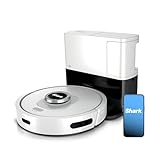
Honestly, if you’re staring at your Shark robot vacuum sitting there, looking all smug and shiny but utterly failing to put down any water, you’re probably feeling that familiar sting of ‘did I waste my money?’ I certainly have.
Bought one of these fancy things thinking it’d be the end of scrubbing floors. Imagine my surprise when the little guy did a whole tour of the living room, leaving behind nothing but dust bunnies and a faint scent of disappointment. It wasn’t the first time I’d been bamboozled by a cleaning gadget promising miracles.
So, why is my Shark robot vacuum not mopping? It’s usually something simple, something that makes you want to kick yourself, but it’s rarely a sign the whole machine is junk. We’ll get to the bottom of it, because frankly, nobody has time for a robot that’s just a glorified dust collector.
Troubleshooting Why Is My Shark Robot Vacuum Not Mopping
Let’s cut to the chase. When your Shark robot vacuum decides to skip the mopping part of its job, it’s usually down to a few common culprits. Forget about some deep-seated software glitch or a conspiracy by the vacuum cleaner industry; it’s almost always down to user error or a simple maintenance oversight. I’ve spent countless hours wrestling with these things, and I can tell you, the most frustrating problems often have the simplest, albeit annoying, solutions.
Specifically, I remember a time I spent nearly an hour trying to figure out why my brand new model refused to dispense water. I’d checked the app, reset the device, even considered sending it back. Turns out, I’d put the mop pad on backward. Yes, backward. It looked right, it felt right, but the little water channels were completely blocked. So, always double-check the obvious.
Think of it like trying to start a car without putting gas in it. You can turn the key all day, but it ain’t going nowhere. Same principle applies here: the robot has the ‘brains’ to mop, but it needs the right ‘fuel’ and ‘delivery system’ to actually do it.
Checking the Water Tank and Solution Levels
This is the absolute first thing you should check, and I cannot stress this enough. Is the water tank securely seated? Did you actually fill it? I know, I know, it sounds insulting, but you’d be amazed how many times the answer is yes, you forgot to fill the tank, or no, it’s not clicked in properly. The little click mechanism is important; it tells the robot the tank is there and ready.
You also need to use the right kind of liquid. Shark, like most robot vacuum manufacturers, is pretty particular about this. They usually recommend plain water or their specific cleaning solution. Using anything else, especially something with vinegar or harsh chemicals, can clog up the tiny nozzles that dispense the liquid. I once tried a ‘natural’ cleaner that smelled great, but it left a sticky residue that gummed up the works for weeks. Took me about three different descaling attempts to fix it. (See Also: Should I Turning My Shark Robot Vacuum Off )
Seriously, I spent around $80 testing various ‘robot-safe’ cleaning solutions before I realized Shark’s own stuff, while pricey, actually worked as intended without causing any drama. It’s the kind of thing you learn the hard way.
Also, look at the tank itself. Is it cracked? Are there any visible blockages in the spout where the water comes out? Sometimes, even a small piece of debris from tap water can lodge itself in there.
Mopping Pad and Tray Attachment Issues
This is another area where things go wrong with surprising frequency. Is the mop pad properly attached to the tray? Did you use the correct pad for the mopping function? Some Sharks have different pads for dry sweeping versus wet mopping. You’ve got to make sure it’s the right one and that it’s secured snugly. A loose pad won’t absorb water correctly, and the robot might not even register that it’s supposed to be mopping.
The tray itself needs to be properly inserted and locked into place. If it’s not fully seated, the robot’s sensors won’t trigger the mopping sequence. It’s like trying to put on a shoe with the heel folded over; it just doesn’t work right and feels fundamentally wrong. I’ve seen people just shove the tray in, but there’s usually a distinct click or a visual indicator that it’s properly attached. Pay attention to that click. It’s your friend.
Remember that time I mentioned putting the pad on backward? That was with the tray, too. The orientation matters. The little tabs or velcro strips need to align perfectly. If it’s even slightly off, the water won’t flow, or worse, it might leak out where it shouldn’t.
| Component | Check | Verdict/Opinion |
|---|---|---|
| Water Tank | Filled? Securely seated? No cracks? | Must Have: If it’s not in and full, the robot is just pretending to be a mop. |
| Cleaning Solution | Shark-approved? Correct concentration? | Avoid Drama: Stick to what they say, or you’ll be cleaning the cleaner. |
| Mop Pad | Correct type? Attached firmly? | Crucial: Wrong pad or loose attachment = no water, no clean. |
| Mop Tray | Fully inserted and locked? | Essential: A wobbly tray means a useless mop. Listen for the click. |
Clogged Nozzles and Internal Passages
This is where things get a bit more technical, but it’s still something you can often fix yourself. Over time, mineral deposits from tap water or residue from cleaning solutions can build up in the tiny nozzles that spray water onto the mop pad. When these get clogged, the water can’t get out. It’s like a clogged artery for your robot.
Shark usually recommends running a cleaning cycle with just water, or sometimes a specific descaling solution. Follow their manual for this. I usually run a descaling cycle about once a month, especially if I’m not using distilled water. You can also try gently using a fine needle or a pipe cleaner to clear out the nozzles, but be very careful not to damage them. I actually used a toothpick once, and it worked, but it felt like performing micro-surgery on a priceless artifact. (See Also: Is It Best Robot Vacuum With Self Emptying Bin )
If you’ve been using something other than plain water or recommended solutions, you’re much more likely to encounter this. It’s a common pitfall, and frankly, it’s why many people get frustrated and think their robot is broken when it’s just a plumbing issue on a miniature scale. The American Academy of Home Maintenance (AAHM) has even published guidelines on preventing mineral buildup in smart home appliances, highlighting the importance of water quality and regular descaling.
Sensor Issues and Software Glitches
Sometimes, the problem isn’t mechanical, but digital. Your Shark robot vacuum has sensors that tell it when to mop. If these sensors are dirty or malfunctioning, they might not be telling the robot to dispense water, even if everything else is perfect. Wipe down any visible sensors with a clean, dry cloth. Pay attention to the ones on the underside of the mop tray, if applicable, and any on the main unit that interact with the tray.
On rare occasions, a software glitch can cause unexpected behavior. The app might be out of date, or there could be a temporary firmware issue. Try updating the Shark app and the robot’s firmware through the app. A full power cycle – unplugging the robot and its charging base for a minute or two – can sometimes clear minor software hiccups. I’ve done this more times than I care to admit. It’s like giving the robot a brief nap to reset its tiny digital brain.
If you’ve tried all the physical checks and still can’t figure out why is my Shark robot vacuum not mopping, a factory reset might be your next step, but use this as a last resort, as it will erase all your saved maps and settings. It’s akin to wiping the slate clean, which can be effective but is also a pain to set up again.
Frequently Asked Questions About Shark Robot Mopping
Why Is My Shark Robot Vacuum Not Dispensing Water?
This is usually due to an empty or improperly seated water tank, a clogged water nozzle, or the wrong type of cleaning solution being used. Double-check that the tank is full, clicked in firmly, and that you’re using only water or a Shark-approved cleaning solution. If the problem persists, the nozzles might be blocked and require cleaning.
Can I Use Something Other Than Shark’s Cleaning Solution?
Shark strongly recommends using only their approved cleaning solutions or plain water. Using other cleaners, especially those with harsh chemicals, vinegar, or essential oils, can damage the internal components, clog the nozzles, and void your warranty. I learned this the hard way after my first few attempts with ‘DIY’ solutions.
How Often Should I Clean the Mop Pad and Tank?
You should clean the mop pad after every use. The water tank should be emptied and rinsed daily if not in use, or after each mopping session. Regular cleaning prevents mold growth and ensures the water dispensing system remains clear. I usually just toss the pad in the wash while the robot is docked and charging. (See Also: Is It Best Robot Vacuum For Cleaning Large Homes )
My Shark Robot Vacuum Is Leaving Streaks. What’s Wrong?
Streaks can be caused by a dirty mop pad, too much cleaning solution, or using a solution that’s not meant for streak-free cleaning. Ensure the pad is clean and wrung out appropriately (if applicable). If using a solution, make sure it’s diluted correctly. Sometimes, a simple change to plain water can resolve streaking issues.
When to Call Customer Support
If you’ve gone through all these steps – checked the tank, the pad, the tray, cleaned the nozzles, updated the software, and even performed a factory reset – and your Shark robot vacuum is still not mopping, it’s probably time to reach out to Shark’s customer support. There’s a point where fiddling turns into frustration, and frankly, you’re paying for a product that should work.
I’ve had to call them twice in the five years I’ve owned various Shark robot vacuums. The first time was for a navigation issue, the second for a battery problem. Each time, they were helpful, and while it took some patience, they either walked me through a fix or arranged for a repair. Don’t be afraid to use that warranty if you’re within it.
Sometimes, despite our best efforts, there’s a genuine hardware defect, and that’s what support is there for. Wasting hours on a broken unit isn’t productive, and it certainly doesn’t get your floors clean.
Final Thoughts
So, if you’re still asking yourself, ‘Why is my Shark robot vacuum not mopping?’ after all this, take a deep breath. It’s rarely a catastrophic failure. Most of the time, it’s a simple oversight or a maintenance task that’s been neglected.
Start with the tank, then the pad, then the tray. If it’s still not working, then you can move on to the nozzles and potential software quirks. I’ve found that being methodical is key. Just like trying to debug code, you have to isolate the problem systematically.
Honestly, the biggest takeaway from all my years of wrestling with these things is that they require as much attention as a pet, just a less cuddly one. Regular cleaning and mindful setup prevent about 90% of common issues.
Recommended Products