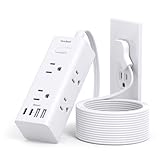
I stood there, staring at the sodden mess. My ‘weatherproof’ outdoor extension cord, bought with high hopes for powering my new patio lights, had completely fried after one decent downpour. Sparks? Nope. Just a dead, warped piece of plastic and a healthy dose of buyer’s remorse. It made me wonder, are all outdoor extension cords waterproof? The packaging sure made it sound like it, but my wallet and a ruined Saturday afternoon told a different story.
I’ve spent years lugging gear to outdoor gyms, setting up temporary boxing rings in parks, and generally subjecting my electrical accessories to more abuse than a cheap suit at a bar fight. Through trial and error, and a fair bit of wasted cash, I’ve learned a thing or two about what actually holds up when you leave it out in the elements. This isn’t about corporate jargon; it’s about what works when nature decides to have a tantrum.
So, Are All Outdoor Extension Cords Actually Waterproof? The Blunt Truth
Let’s cut to the chase: No, not all outdoor extension cords are truly waterproof. Most are designed to be ‘water-resistant’ or ‘all-weather’, which is a far cry from being able to dunk them in a puddle and expect them to keep chugging along. Think of it like this: your running shoes might be water-resistant, but you wouldn’t go scuba diving in them. The terms used on packaging can be pretty misleading, and I’ve fallen for it more times than I care to admit.
That first cord I bought was advertised as ‘heavy-duty outdoor’ and had a picture of it draped over a rain-soaked garden gnome. Sounded good, right? Wrong.
After about three hours of steady rain, the connector started to smell like burning plastic, and the whole thing just died. I ended up spending another $50 on a replacement that was supposedly ‘submersible rated’ – and guess what? It lasted a whole season before the connection points started to corrode.
It’s a tough lesson in reading between the lines.
The problem is, ‘waterproof’ implies complete sealing against water ingress. In reality, most cords labeled for outdoor use are built with materials that can withstand a bit of rain, humidity, and maybe even a splash. They’ll have thicker insulation, often made of rubber or a heavy-duty vinyl composite, and their plugs and receptacles might have protective flaps or be molded in a way that discourages direct water entry. But they are rarely hermetically sealed.
The connection points – where the plug meets the socket, or where you connect another device – are always the weak links. Even the best ones are designed to shed water, not to be submerged indefinitely. I’ve seen people try to use them for temporary pond pumps or pool cleaning, and it’s a recipe for disaster. You’re relying on gravity and design to keep the water out, and if you get unlucky with the angle or the volume, you’re in trouble.
It’s a gamble I stopped taking years ago.
My boxing gym used to be partially outdoors, and setting up for an event on a humid, drizzly day was always a headache. We’d have portable heaters, sound systems, and fight clocks to power. I once saw a brand-new cord, supposedly ‘all-weather,’ start to smoke near the female end after a light misting. We had to scramble, disconnect everything, and pray we had a spare that hadn’t seen better days. It’s these moments that really hammer home the distinction between marketing fluff and actual, on-the-ground performance. Don’t just trust the label; look at the construction and understand what ‘water-resistant’ really means in practice.
What to Actually Look for: Beyond the ‘waterproof’ Label
Okay, so if ‘waterproof’ is mostly a pipe dream, what should you be looking for to keep your gear powered and safe when the skies open up? It boils down to a few key features and understanding the ratings. First off, the cable jacket material. Forget thin, flimsy plastic. You want something thick and flexible, usually described as ‘rubber’ or ‘heavy-duty vinyl.’ This provides physical protection and better resistance to the elements. I’ve found cords with a true rubber jacket feel more substantial and tend to hold up better to being dragged over gravel or coiled up repeatedly. They don’t get brittle in the cold or sticky in the heat, which is a problem with cheaper vinyl cords.
Next, check the plug and connector design. Many decent outdoor cords will have molded plugs that are more solid than standard indoor ones. Some even have little rubber flaps or covers for the female receptacle. (See Also: Can Extension Cords Short Out )
While these aren’t foolproof, they offer an extra layer of defense against direct water spray. I once took apart an old, failed cord and saw how a simple, well-fitting rubber gasket around the plug prongs would have made a world of difference.
It’s the little things that manufacturers often skip to save a buck. Also, look for cords with a clear gauge (AWG) rating. A lower AWG number means a thicker wire, which is better for carrying power over longer distances without losing voltage and can also contribute to a more solid build. For outdoor use, especially if you’re running longer lengths or powering multiple devices, I’d aim for 12 or 14 AWG.
Anything higher, like 16 AWG, is generally too thin for serious outdoor applications and can overheat.
The receptacle itself is also key. Some cords have individual shrouded outlets, meaning each socket is protected.
Others have a single, larger receptacle with a flap. The individual ones often offer better protection, especially if you’re plugging in bulky adapters that might not fit snugly under a large cover. I’ve noticed that cords designed for things like outdoor holiday lights often have smaller, more weather-resistant sockets than general-purpose ones. It’s worth checking the product details and any user reviews specifically mentioning weather performance.
Don’t just assume. I once bought a cord because it looked tough, only to find the receptacles were wide open, allowing rain to pool inside. Big mistake. The best ones feel solid, have a good weight to them, and don’t look like they’ll kink or crack after a single season.
Common Mistakes People Make (and I’ve Made)
The biggest mistake I see, and one I’ve definitely made, is relying solely on the ‘outdoor’ label. As I’ve hammered home, it’s not a guarantee of true waterproofing. Another huge blunder is using the wrong gauge for the job. I remember trying to power a decent-sized portable generator from a garage outlet about 75 feet away using a thin, cheap cord. Not only did it get warm to the touch, but the voltage drop was so bad that the generator struggled to even start. That’s a fire hazard waiting to happen, let alone a performance killer. You need a thicker gauge for longer runs or higher power draws, period. That’s a must for safety and function.
Then there’s the issue of storage. People think, “It’s outdoor rated, so it can live outside year-round.”
Bad idea. While they’re built tougher, extreme temperatures, UV exposure from the sun, and general wear and tear will degrade even the best cords over time.
Storing them indoors, in a cool, dry place, away from direct sunlight, will drastically extend their lifespan. I used to just coil mine up and leave it in a bin by the shed. Now, I make sure to bring it inside after use, especially during harsh winters.
It’s a small habit that makes a big difference. I also see people trying to connect multiple extension cords together for extended reach. (See Also: Can Extension Cords Be Use With Electric Heaters )
While sometimes necessary, this increases resistance and potential points of failure, especially if those connection points aren’t themselves well-protected from the elements. Every splice is a potential weak spot for water and debris.
Here’s a contrarian take: Many people think that if a cord has a bright orange or yellow color, it’s automatically safe for outdoor use. I disagree. While bright colors are good for visibility (preventing tripping hazards or accidental damage), they don’t inherently mean the cord is more water-resistant or durable. I’ve seen plenty of brightly colored cords that are absolute junk and fall apart after a few uses in the rain. Focus on the material, the construction, and the specific ratings, not just the color. I learned this the hard way when a bright orange cord I bought for a landscaping project turned into a brittle, cracked mess after one summer of sun and occasional showers.
Real-World Use Cases and What to Expect
Let’s talk about where these cords actually shine – and where they struggle. For general outdoor tasks like running a power tool in the yard, powering landscape lighting for a party, or setting up a temporary outdoor entertainment system, a good quality ‘all-weather’ cord can be perfectly adequate. I’ve used them for everything from running a circular saw on a deck build to powering a projector for outdoor movie nights. The key is understanding the limitations. You’re generally looking for something that can handle intermittent exposure to rain or dew, not something that will be sitting submerged in water or constantly blasted by a hose.
Think about a garden party. You plug in some string lights and maybe a portable speaker. A decent cord will sit out for a few hours, potentially get a bit damp from dew or a light sprinkle, and be perfectly fine. You unplug it at the end of the night and store it.
That’s the ideal scenario. Now, consider running power for an outdoor kitchen that’s exposed to the elements year-round, or powering a submersible fountain pump.
These are the situations where a standard ‘outdoor’ cord will likely fail, and you’ll need specialized, truly waterproof equipment. I’ve seen setups where people try to jury-rig solutions with tons of electrical tape and plastic bags – it’s never worth the risk. Safety first, always.
The lifespan you can expect varies wildly. A cheap, poorly made cord might last one season, or even just a few uses, if it gets wet or abused. A mid-range, well-constructed cord, if cared for properly and not pushed beyond its limits, could last 3-5 years. High-end, industrial-grade cords designed for harsher conditions might last a decade or more, but they come with a significantly higher price tag.
For most DIYers and homeowners, a decent mid-range cord that you store properly is the sweet spot. I’ve found that brands that specialize in electrical work or outdoor equipment tend to have better options than generic department store brands. It’s about investing a little more upfront for something that won’t let you down when you need it most.
A Simple Comparison Table: What’s Good, What’s So-So
Here’s a quick rundown of common types and my take on them. It’s not exhaustive, but it covers the bases for most people.
| Cord Type | Typical Use | Water Resistance | My Verdict |
|---|---|---|---|
| Standard Indoor Cord | Inside the house only. | None. Will short out immediately. | Absolute no-go outdoors. Seriously. |
| ‘All-Weather’ / ‘Outdoor’ Cord | Light to moderate outdoor use (patio lights, tools, temporary events). | Resistant to light rain, dew, splashes. NOT submersible. | Good for casual use, but don’t push it. Store it well. |
| Heavy-Duty Outdoor / Contractor Grade | Demanding outdoor use (construction sites, workshops, continuous power). | Higher resistance to water, abrasion, and impact. Still not usually submersible. | Your best bet for most serious outdoor needs. Worth the extra cost. |
| Submersible / Waterproof Cords | Pumps, pond equipment, applications where the cord will be submerged. | Designed to be fully submerged for extended periods. | Specialized for a reason. Don’t use these unless you need to. |
This table really highlights the differences. You wouldn’t use a cord for a pond pump to power your lawnmower, and vice-versa. The ‘All-Weather’ category is where most of the confusion happens because the name implies more than it delivers. I’ve learned to treat them as ‘weather-resistant,’ meaning they’ll survive a shower, but you wouldn’t want them sitting in a puddle all day. The ‘Heavy-Duty Outdoor’ ones, often with a thick rubber jacket and reinforced connectors, are what I lean on for most of my outdoor projects. They’re built to take a beating and offer better protection against the elements, even if they aren’t technically ‘waterproof’ in the submersible sense.
Safety First: Preventing Shocks and Fires
This isn’t just about convenience; it’s about not getting electrocuted or starting a fire. Using the wrong extension cord outdoors is a serious safety risk. The primary danger is obviously electric shock. Water is a conductor, and if it gets into a damaged or improperly rated cord, especially near connection points or frayed wires, it can create a path to ground – potentially through you. I once saw a guy get a nasty jolt just from touching a faulty outdoor plug during a light drizzle. It was a wake-up call for me to always double-check my gear and never assume it’s safe. (See Also: Are Outdoor Extension Cords 10 Or 12 Gauge )
Another major concern is fire. Overloaded cords, or cords with damaged insulation, can overheat. If this happens in damp conditions, the risk of a short circuit or electrical arc increases significantly. This is especially true if you’re trying to power high-demand equipment like heaters or power tools. The heat generated can melt the insulation, leading to sparks and potentially igniting nearby dry leaves or other flammable materials. This is why using the correct gauge (AWG) is so vital – it dictates how much current the cord can safely handle without overheating. Always err on the side of a thicker gauge if you’re unsure. Better too thick than too thin.
Beyond the cord itself, the outlets you’re plugging into matter. Make sure your outdoor outlets are GFCI (Ground Fault Circuit Interrupter) protected. These are designed to quickly shut off power if they detect an imbalance in the circuit, which can happen if electricity is flowing somewhere it shouldn’t be – like through water or a person.
Many newer homes have them built-in, but older ones might require an electrician to install them. If you’re using a generator, make sure it’s placed on a dry, level surface and that any connections are well-protected from the rain.
Never operate electrical equipment in standing water. It’s just not worth the risk. A few extra minutes of prep can save you from a trip to the emergency room or a house fire.
Can I Leave an Outdoor Extension Cord Outside All the Time?
No, you generally shouldn’t leave any outdoor extension cord outside all the time, even those rated for outdoor use. While they are built to withstand some exposure to rain, humidity, and temperature fluctuations, continuous exposure to UV rays from the sun, extreme cold or heat, and physical wear and tear will degrade the materials over time. Storing them indoors in a cool, dry place will significantly extend their lifespan and maintain their safety and performance.
What Does ‘water-Resistant’ Mean for an Extension Cord?
‘Water-resistant’ for an extension cord typically means it’s designed to repel or shed light moisture like rain, dew, or splashes. It implies that the materials used and the construction are less likely to be damaged by brief exposure to water compared to an indoor cord. However, it does not mean the cord is waterproof or can be submerged. The connectors are usually the most vulnerable points, and prolonged exposure to significant amounts of water can still cause damage, corrosion, or electrical hazards.
How Do I Know If My Outdoor Extension Cord Is Safe?
You can tell if your outdoor extension cord is safe by visually inspecting it for any signs of damage: check the jacket for cuts, cracks, or brittleness; examine the plugs and receptacles for corrosion, melting, or loose connections; and make sure the cord is the appropriate gauge (AWG) for the intended use and length. Always use cords that are specifically rated for outdoor use, and ideally, those with GFCI protection if plugging into an outlet without it. If you see any damage or have doubts, it’s best to replace the cord immediately.
Are There Truly Waterproof Extension Cords Available?
Yes, there are truly waterproof extension cords, but they are typically specialized and designed for specific applications, such as powering submersible pumps for ponds or pools. These cords are built with solid sealing mechanisms to prevent water ingress even when fully submerged for extended periods. For general outdoor power needs like running tools or lighting, standard ‘outdoor’ or ‘heavy-duty outdoor’ cords are water-resistant, not truly waterproof in the submersible sense, and should not be relied upon for submersion.
What’s the Difference Between an Outdoor Extension Cord and a Regular One?
The main difference lies in the materials and construction. Outdoor extension cords typically have a thicker, more durable outer jacket made of rubber or heavy-duty vinyl to withstand UV rays, abrasion, and temperature changes. They also often feature more solid plug and receptacle designs, sometimes with protective covers, to offer better resistance to moisture. Regular indoor extension cords are made with thinner insulation and are not designed to handle the stresses of outdoor environments, making them unsafe for outdoor use.
Final Thoughts
So, to answer the big question: are all outdoor extension cords waterproof? Absolutely not. Most are designed to be tough enough to handle a bit of weather, but they’re not built to live in a swimming pool. You’ve got to be smart about it and understand the difference between ‘water-resistant’ and truly submersible.
My advice is to invest in a good quality, heavy-duty outdoor cord if you plan on using it regularly. Treat it with respect – coil it up, store it indoors when not in use, and always inspect it for damage before plugging anything in. Don’t be fooled by marketing hype; look at the specs, read reviews, and prioritize safety above all else. A few extra bucks spent on a decent cord can save you a lot of headaches, and more importantly, keep you safe from shocks and fires.