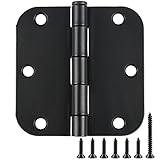
I remember the first time I looked at a set of solid brass hinges for a project. They gleamed, felt substantial, and the price tag made my eyes water. ‘Are brass hinges worth anything?’ I muttered to myself, weighing the cost against what felt like pure luxury for a functional item.
Years later, after building furniture, renovating a kitchen, and generally fiddling with enough hardware to fill a small shed, I can tell you this: the answer isn’t a simple yes or no. It depends on what you value, what you’re building, and what you’re willing to pay for something that frankly, most people will never even notice.
Let’s cut through the shine and see if these fancy hinges are more than just a pretty face.
Brass Hinges: More Than Just Pretty Metal?
Look, nobody buys hinges because they’re bored. They’re a functional necessity. You need something to swing your doors open and closed. The common advice is to just grab whatever’s cheapest at the hardware store, slap ’em on, and call it a day. I’ve done that. And I’ve regretted it. The cheap zinc-plated ones can start to pit and corrode within a year, especially if they’re in a humid environment like a bathroom or kitchen. Then you’re stuck with ugly, stiff hinges that groan like a tired old man every time you open the door. That’s where brass starts to look appealing.
So, are brass hinges worth anything? They’re worth something if you want hardware that lasts, looks genuinely good, and adds a touch of class that’s hard to replicate. Solid brass, particularly, is a dense, non-ferrous metal. This means it won’t rust like iron or steel. It tarnishes, sure, but that patina can be a feature, not a bug. A well-maintained brass hinge can literally last for generations. I’ve seen antique cabinets with their original brass hinges still working smoothly after over a century. That’s durability you just don’t get with cheaper materials.
The weight and feel of solid brass are also a big deal. When you pick up a solid brass hinge, you know it. It feels substantial, not tinny or flimsy. This translates to how it performs. A heavier hinge can support a heavier door without sagging. It feels more secure, more solid. For a heavy pantry door or a custom built cabinet, that’s not a small thing. It’s about the overall quality of the build. I’ve found that when you upgrade the hinges, the entire door feels better.
The catch? Price. Solid brass hinges are significantly more expensive than steel or zinc-plated alternatives. You’re paying for the material, the machining, and the fact that they’re often produced in smaller batches. This is where the ‘worth’ question really comes into play. Are they worth double, triple, or even more than basic hinges? For a utility shed, probably not. For a statement piece in your living room or a heirloom-quality cabinet, absolutely. The visual appeal and the longevity can justify the cost for the right project. It’s an investment in the look and feel of your space.
What to Look for: Solid vs. Plated Brass
This is where a lot of people get tripped up. You see ‘brass’ and think you’re getting the real deal, but there’s a big difference between solid brass and brass-plated hinges. I learned this the hard way when I bought what I thought were brass hinges for a bathroom vanity. They looked nice in the store, but after a year, the ‘brass’ started flaking off, revealing dull gray metal underneath. Utter garbage. Never again.
Solid brass is exactly what it sounds like: the entire hinge is made from brass. No core material, no plating. This is where you get the longevity, the weight, and the ability to develop that beautiful patina. When you scratch solid brass, you see more brass. It’s dense, it’s durable, and it will resist corrosion for a very long time. You can also refinish solid brass if it gets too tarnished or if you want to change its look. I’ve used brass polish to bring back that original shine on several pieces, and it looks like new.
Brass-plated hinges, on the other hand, are typically made from steel or another cheaper metal and then coated with a thin layer of brass. This is where the cost savings come in, but it’s a false economy for anything you want to last. The plating is susceptible to wear and tear. Moisture, friction, even harsh cleaning products can break down the plating. Once that layer is compromised, the underlying metal can rust or corrode, and the hinge will look terrible. The visual appeal is short-lived. It’s like buying a cheap imitation – it looks okay from a distance, but up close, the cheapness shows.
When you’re shopping, check the product description carefully. Look for terms like ‘solid brass’ or ‘90% copper, 10% zinc alloy’ (that’s the typical composition of brass). If it just says ‘brass finish’ or ‘brass-plated,’ steer clear for anything where durability and appearance over time are important. (See Also: A Box Without Hinges Key )
Feel the weight of the hinge. Solid brass hinges are noticeably heavier than plated ones. Sometimes, you can even see the seam where the plating meets the base metal if you look closely at the edges or screw holes.
For me, the extra cost of solid brass is always worth it for any visible cabinetry or doors. You can’t polish away a worn-through plate.
I paid about $45 for a set of four solid brass cabinet hinges last year, compared to $15 for a similar-looking plated set. The difference in feel and expected lifespan was massive.
What’s the Difference Between Solid Brass and Brass Plated Hinges?
Solid brass hinges are made entirely from a brass alloy. They offer superior durability, corrosion resistance, and a classic aesthetic that deepens with age. Brass-plated hinges have a core of a different, less expensive metal (like steel or zinc) coated with a thin layer of brass. While cheaper, the plating can wear off, scratch, or corrode, revealing the base metal and compromising both appearance and longevity. For lasting quality and a genuine look, solid brass is the way to go.
| Feature | Solid Brass Hinges | Brass Plated Hinges | My Verdict |
|---|---|---|---|
| Material | Entirely brass alloy | Base metal with brass coating | Solid Brass Wins |
| Durability | Excellent, long-lasting | Poor to moderate, plating wears | Solid Brass Wins |
| Corrosion Resistance | Very good | Poor once plating fails | Solid Brass Wins |
| Appearance | Develops natural patina, can be refinished | Can look good initially, but plating fails | Solid Brass Wins |
| Cost | Higher | Lower | Depends on budget, but Solid Brass is better value long-term |
| Weight | Substantial | Lighter | Solid Brass Feels Higher Quality |
The Aesthetics and the Patina Factor
Let’s talk looks. Because, let’s be honest, while function is king, nobody wants their hardware to be an eyesore. This is where brass hinges really shine, and I don’t just mean when they’re new and polished. The real magic of brass is how it ages. I’ve got a set of solid brass butt hinges on a workbench I built about eight years ago. They were a bit shinier when new, but now they’ve developed this gorgeous, subtle patina. It’s not dull or dirty; it’s a warm, rich color that just screams quality and history.
This patina is basically a natural oxidation process. It’s a chemical reaction with the air and other elements. For some people, a shiny, mirror-like finish is the goal. You can achieve that with solid brass, but it requires regular polishing. For me, and I think for many who appreciate traditional or custom craftsmanship, the patina is the main draw. It adds character. It makes the piece look lived-in, authentic, and valuable. It’s a sign of good materials and good design that stands the test of time.
The contrasting opinion here is that a consistent, uniform look is most important. Some folks absolutely loathe the idea of tarnish. They want everything to look factory-new, always. And I get that. If you’re going for a hyper-modern, minimalist aesthetic, or if you have a lot of stainless steel hardware elsewhere, a developing patina might clash. In those cases, you might opt for polished brass and commit to the regular polishing routine, or even look into lacquered brass which is sealed to prevent tarnishing. However, lacquered brass can eventually chip or yellow, and then you’re stuck with a different kind of problem.
I once tried to match a brand-new set of polished brass hinges to an antique oak dresser. The new hinges were almost too bright, too uniform. They looked out of place.
The old dresser, with its deep, uneven patina, deserved something with more soul. I ended up sanding down a new set of solid brass hinges to give them a distressed look, but it was a lot of work.
Sometimes, the aged brass just works better. For furniture, interior doors in older homes, or anything where you want a warm, inviting feel, brass is fantastic. (See Also: Are Integrated Washing Machine Door Hinges Standard )
It complements wood tones beautifully and can tie together different elements in a room. The way light catches on the subtle variations in color of a patinated brass hinge is just lovely.
Common Mistakes and What to Avoid
We’ve touched on this, but it bears repeating because it’s the single biggest mistake people make: confusing brass-plated with solid brass. I’ve seen it happen again and again. Someone buys the cheaper option thinking they’re getting a good deal, only to be disappointed a year or two down the line. The plating flakes, the underlying metal rusts, and you’re left with a situation that’s worse than if you’d just used basic, unpretentious steel hinges from the start. The visual appeal is gone, and the functionality can degrade.
Another mistake is not considering the environment. Brass is great, but it’s not invincible. If your hinges are going to be in a particularly harsh environment – say, right on the coast with salt spray, or in an industrial setting with aggressive chemicals – even solid brass will eventually show signs of wear. In those extreme cases, you might need to consider stainless steel or specialized coatings.
For most residential applications, though, solid brass is more than up to the task. I learned this when I installed some brass hinges on a garden gate that was exposed to constant rain and sea air. They held up reasonably well for about five years, but eventually, the tarnish became quite aggressive, and I had to replace them. My fault for expecting them to be completely maintenance-free in that specific location.
People also sometimes overlook the finish. There are different types of brass finishes – polished, brushed, antique, oil-rubbed bronze (which is often a brass base). Make sure the finish complements the style of your project and other hardware in the vicinity. Mismatching finishes can look jarring. For instance, putting very ornate, antique-style brass hinges on a sleek, modern minimalist door would look odd. Conversely, very simple, polished brass hinges might not have the gravitas for a large, heavy, period-style door.
Finally, don’t underestimate the importance of the hinge type and size. Hinges come in different styles (butt hinges, ball-bearing, continuous, etc.) and load capacities. A hinge that’s too small or of the wrong type for the door’s weight and intended use will fail prematurely, regardless of the material. Always check the manufacturer’s specifications. I once tried to use a set of decorative, but lightweight, brass hinges on a solid oak interior door. The door was just too heavy, and the hinges started to bend after only a few weeks. I had to swap them out for a heavier-duty set, losing the aesthetic I initially wanted. It’s a good reminder that form needs to follow function, even with beautiful materials.
Hinge Styles and Finishes to Consider
- Butt Hinges: The most common type, suitable for most doors and cabinets. Available in various sizes and weights.
- Ball-Bearing Hinges: Feature ball bearings in the knuckles to reduce friction and allow for smoother operation, especially on heavier doors.
- Continuous Hinges (Piano Hinges): Run the entire length of the door, providing excellent support and security. Good for cabinets, chests, or areas where security is a concern.
- Polished Brass: Bright, reflective, and classic. Requires regular polishing to maintain shine.
- Brushed Brass: A softer, satin finish with a brushed texture. Less prone to showing fingerprints than polished brass.
- Antique Brass: Achieved through chemical treatments to create a darkened, aged look.
- Oil-Rubbed Bronze: Often a brass base treated to achieve a dark, rich brown or black finish with red undertones.
The Practicalities: Cost vs. Value Over Time
Let’s get down to brass tacks, pun intended. Are brass hinges worth the money? For me, the answer is a qualified yes, but only when you understand what you’re getting and what you’re paying for. The upfront cost of solid brass hinges is undeniably higher. A set of four decent solid brass 4-inch butt hinges might run you anywhere from $60 to $150 or more, depending on the brand, the exact alloy, and the finish. Compare that to a similar-sized set of zinc-plated steel hinges, which you can often find for $15 to $30.
So, why would anyone pay more? It’s about the total cost of ownership and the intangible benefits. Think about it: if you buy the cheap hinges, and they start to fail after 5-10 years (which is common), you have to pay for replacement hinges and the labor (if you hire someone) or your own time to remove the old ones, fill old screw holes, drill new ones, and install the new ones. If the new ones are also cheap, the cycle repeats. Over, say, 30-40 years, the cost of multiple replacements of cheap hinges can easily exceed the cost of buying one set of high-quality solid brass hinges that will likely outlast the door itself.
I had a situation where I installed cheap hinges on a built-in bookshelf. Within three years, the shelves started to sag noticeably. I ended up having to reinforce the whole unit and replace the hinges with heavier-duty steel ones, which still didn’t look as nice as I wanted. If I’d used solid brass ball-bearing hinges from the start, that whole headache would have been avoided. It’s about avoiding future problems and enjoying a better-functioning, better-looking piece of furniture or woodwork for longer. The peace of mind that comes with knowing your hinges are solid and reliable is worth a lot.
Furthermore, brass hinges can add perceived value to a property or a piece of furniture. If you’re selling a house, quality hardware can be a subtle indicator of a well-maintained home. For custom furniture makers, using solid brass hardware is often a mark of craftsmanship that justifies a higher price point. It’s an investment that pays dividends in longevity, reduced maintenance, and aesthetic appeal. It’s not just about a swinging door; it’s about the details that make a space feel more refined and cared for. For projects where I want something to last and look good doing it, brass is my go-to, despite the initial hit to the wallet. (See Also: Are Hinges Wheeels )
Brass Hinges: A Practical Comparison
To put it plainly, the value proposition of brass hinges hinges on your priorities. If your absolute top priority is the lowest possible upfront cost, then no, they’re probably not worth it. There are cheaper options that will technically do the job. However, if you value longevity, a classic aesthetic, and the potential for a lower total cost of ownership due to durability, then yes, solid brass hinges are absolutely worth considering. They perform better, look better over time, and avoid the hassle and expense of frequent replacements. They are an investment in quality that often pays for itself.
The Verdict: When Are Brass Hinges Worth It?
So, after all this, are brass hinges worth anything? Yes, they are worth something, but the question is more about when they are worth the premium price tag. They are worth it for high-end cabinetry where the hardware is a visible and tactile part of the experience. They are worth it for statement doors, like an exterior entry door or a significant interior room divider, where you want a lasting impression. If you’re restoring an antique piece of furniture, using solid brass hardware is often key for authenticity and value.
I’ve found they are particularly worth it for furniture I’ve built that I want to last. A solid oak dining table with beautifully crafted brass hinges on the drop leaves, or a cherry wood jewelry box with delicate brass quadrant hinges – these are the places where the material truly sings. It’s about the feel, the weight, and the way the metal ages. It adds a layer of sophistication that cheap plated hardware can never replicate.
When I built a custom wardrobe for my client last year, they specifically requested brass hardware. The final cost was higher, but the look and feel lifted the entire piece from merely functional to a true heirloom. They were thrilled, and so was I with the result.
On the flip side, they’re probably not worth it for a utility closet in the garage, a shed door that’s only opened once a month, or anything that’s purely functional and out of sight. In those cases, basic steel or zinc-plated hinges are perfectly adequate and much easier on the wallet. Don’t feel pressured to overspend on hardware where it won’t make a difference. But for anything that’s meant to be seen, touched, and used for years to come, investing in solid brass is a decision you’ll likely be happy with. It’s about choosing quality for the long haul and appreciating the quiet elegance that only solid metal can provide.
People Also Ask:
Why Do Old Houses Have Brass Hinges?
Historically, brass was a more accessible and durable material for hardware than it is for many people today, especially for those who could afford it. It was less prone to rusting than iron and steel, making it ideal for interior applications where a refined look was desired. The ability of brass to develop a beautiful patina also contributed to its appeal in older homes, where a sense of history and character is often valued.
Can You Paint Brass Hinges?
Yes, you can paint brass hinges, but proper preparation is key to making sure the paint adheres well and lasts. You’ll need to clean them thoroughly, often degreasing them, and then apply a suitable primer designed for metal. Once primed, you can apply your chosen paint, often a spray paint formulated for metal surfaces. For a truly durable finish, especially on high-use items, consider a metallic spray paint that mimics the look of brass or another finish.
How Do You Clean Old Brass Hinges?
To clean old brass hinges, start with a gentle method. A soft cloth dampened with warm, soapy water can remove dust and light grime. For more stubborn tarnish, you can use a mild brass cleaner, a paste made from lemon juice and baking soda, or even ketchup (the acetic acid helps). Apply the cleaner, let it sit for a few minutes, then gently rub with a soft cloth or an old toothbrush. Rinse thoroughly with clean water and dry completely to prevent water spots and new tarnish.
What Is the Best Material for Door Hinges?
The ‘best’ material depends on the application. For durability and corrosion resistance in most interior applications, solid brass and stainless steel are excellent choices. Steel hinges, often plated with zinc or nickel, are a more budget-friendly option for general use. For very heavy doors or high-traffic areas, ball-bearing hinges made from steel or brass can provide smoother operation and better support. For exterior doors, stainless steel or a heavily coated steel is usually recommended due to weather exposure.
Verdict
So, are brass hinges worth anything? They’re worth the investment if you’re building something meant to last, something you want to look truly special, or if you appreciate the quiet elegance of aged metal. For those functional, out-of-sight spots, save your money and grab the zinc-plated ones. But for the visible, touchable pieces, the ones that greet you every day, solid brass hinges add a touch of class that cheap alternatives just can’t match.
Don’t be fooled by a brassy sheen; always check for solid construction. The weight, the feel, and the way it ages – that’s where the real value lies. It’s a small detail that can make a big difference.
Next time you’re choosing hardware, consider if a touch of solid brass might be the right investment for your project.