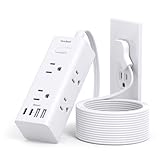
I remember staring at a tangled mess of cords behind the TV, a veritable spaghetti junction of power. My usual go-to for a quick fix was the local dollar store. You know the place – a treasure trove of… well, everything. But when I grabbed an extension cord there, figuring ‘how much can go wrong?’, a little voice in the back of my head whispered a question I’d been avoiding: are dollar store extension cords safe?
It’s easy to be tempted by the rock-bottom prices. Who wants to spend $20 on a cord when you can get one for $2? But this isn’t just about saving a few bucks; it’s about preventing a potential fire hazard or worse.
My experience with cheap electronics has taught me that sometimes, the lowest price comes with the highest risk. So, let’s talk honestly about whether those bargain-basement cords are worth the gamble.
The Real Risk: Why Cheap Cords Are a Gamble
Look, I’m not saying every single item at a dollar store is pure junk. I’ve found decent notebooks and surprisingly good cleaning rags. But when it comes to anything involving electricity, especially something that’s meant to carry a significant load, you have to be way more discerning. The question of are dollar store extension cords safe is one that’s often answered with a resounding ‘no’ by anyone who’s spent time dealing with electrical issues, or worse, has had a bad experience.
These cords often cut corners in ways you can’t see at first glance. We’re talking about thinner gauge wire than is recommended for certain applications.
Think of it like trying to push a lot of water through a tiny pipe – it strains the system. That strain generates heat, and heat is the enemy of plastic insulation and, frankly, your home. I once bought a cheap multi-plug adapter from a discount store for my gaming setup. It looked fine, felt a bit flimsy, but it worked.
For a week. Then, one evening, I noticed a faint burning smell. The plastic around the plug itself had actually started to melt.
Thankfully, it was just the adapter, but it scared the living daylights out of me. It was a stark reminder that the materials used, the thickness of the conductors, and the overall construction quality matter immensely.
Another common issue is poor insulation. Cheap cords might use thinner plastic that’s more prone to cracking or degrading over time, especially if they’re moved around a lot or exposed to temperature fluctuations. Exposed wires are a direct path to shocks and shorts. You might think, ‘I’m careful, I won’t touch the exposed part.’ But what about pets, kids, or even just accidental contact when you’re fumbling in the dark? It’s not worth the gamble.
The gauge of the wire is probably the most significant factor. Extension cords are rated by gauge (AWG), with lower numbers indicating thicker wires. A thicker wire can handle more amperage (current) without overheating.
For general household use, you’ll often see 16-gauge cords. These are usually okay for low-power devices like lamps or phone chargers. But if you’re thinking of plugging in anything more demanding – a space heater, a power tool, even a decent vacuum cleaner – you absolutely need a heavier gauge, like 14-gauge or even 12-gauge for high-draw items. (See Also: Can Extension Cords Short Out )
Dollar store cords are almost always 16-gauge, and sometimes even thinner. Manufacturers trying to save money will skimp on copper, which is the conductor. Less copper means a thinner wire, which means less power handling capacity and a higher risk of overheating.
The connectors themselves are also suspect. The plugs and outlets on cheap cords might not be as solid or as securely attached. A loose connection creates resistance, which, you guessed it, generates heat. I’ve had plugs that felt loose in the wall socket, and that’s another fire waiting to happen. The prongs can also be made of cheaper metal that corrodes or bends easily, leading to poor contact. It’s these little details, often overlooked in the name of saving a buck, that can turn a simple cord into a hazard.
What to Look for: The Bare Minimum for Safety
Alright, so if you absolutely must buy an extension cord and you’re tempted by a lower price point (though I still strongly advise against the absolute cheapest options), what should you be looking for? It boils down to a few key indicators that suggest a slightly better quality, even if it’s not top-of-the-line.
First and foremost, look for the UL (Underwriters Laboratories) or ETL (Intertek) certification mark. This is a must. These independent organizations test products to make sure they meet specific safety standards. If a cord doesn’t have one of these marks, put it back. Seriously. It’s the most basic safety net you have. A UL mark means it’s been tested for electrical safety, fire resistance, and mechanical strength. While it doesn’t guarantee a cord will last forever or perform flawlessly under extreme conditions, it means it’s met a baseline of safety. Without it, you’re flying blind.
Next, check the gauge of the wire. As I mentioned, 16-gauge is the absolute minimum for light-duty use and is common on cheaper cords. For anything that draws more power, you need 14-gauge or 12-gauge. You’ll usually find this information printed on the cord itself, often in small lettering along the length. If you can’t find it, or if it’s not legible, that’s another red flag. Thicker cords will also feel heavier and more substantial. You can often tell by the feel – a flimsy, lightweight cord is rarely a good sign.
Consider the length and the intended use. A short, light-duty cord for a desk lamp is one thing. A long, heavy-duty cord for power tools in a workshop is another entirely. Dollar store cords are almost exclusively designed for very light loads and are usually of moderate length. Trying to use one for something it wasn’t designed for is asking for trouble. If you need to run a space heater, for example, you need a cord specifically rated for that kind of continuous, high amperage draw, and it absolutely must be 14-gauge or thicker. Trying to use a 16-gauge cord for that is a recipe for a melted cord and a potential fire.
Another thing to check is the flexibility of the insulation. Does it feel brittle? Does it look like it might crack easily? Good quality cords use flexible PVC or rubber insulation that can withstand some bending without damage.
Cheap cords might use a harder plastic that’s less forgiving. Also, inspect the plugs and receptacles. Are they securely attached to the cord? Do the prongs look straight and well-made?
A plug that wobbles or feels loose is a sign of poor construction. The receptacle end should also be snug, not so tight that you can barely get the plug in, but not so loose that the device could easily be pulled out. These visual and tactile checks can give you a decent idea of the build quality, even if you can’t see the internal wiring.
Finally, understand the limitations. Even a certified cord has a maximum wattage or amperage rating. This is usually printed on the cord or the packaging. Never exceed this rating. Plugging too many devices into one extension cord, or plugging in a device that draws more power than the cord can handle, is a common mistake that leads to overheating and fire. It’s always better to err on the side of caution and get a cord with a higher rating than you think you’ll need. (See Also: Can Extension Cords Be Use With Electric Heaters )
Common Mistakes That Lead to Trouble
People make mistakes with extension cords all the time, and a lot of these are amplified when you’re using cheaper, potentially less solid models. The biggest one, hands down, is overloading the cord. Everyone knows you shouldn’t plug a power-hungry appliance into a flimsy cord, but the temptation is there, especially if it’s the only cord handy.
I’ve seen people daisy-chain extension cords – plugging one into another, then another. This is a terrible idea. Each connection point adds resistance and potential for failure. Plus, it makes it harder to track the total load. If you need a longer reach, buy one longer cord, not a series of shorter ones.
Another mistake is running cords under carpets or rugs. This is a massive fire hazard. If the cord overheats, or if something sharp presses down on it, it can short circuit or melt without you knowing until it’s too late. The heat gets trapped, and the rug acts as fuel. Always run cords along walls, use cord covers designed for visibility, or use a different solution altogether if you need to cross a walkway. Think about it – if there’s a fire, the last thing you want is a hidden electrical fault smoldering away under your feet.
Damaging the cord is also a huge problem. Kinking, pinching, or running over cords with furniture or equipment can damage the insulation, exposing the wires. Even if it’s not immediately obvious, a damaged cord is a potential hazard. Inspect your cords regularly for any signs of wear and tear. If you see nicks, cuts, or exposed wires, it’s time to throw it out. Don’t try to tape it up and hope for the best. That’s like putting a band-aid on a bullet wound.
Using the wrong type of cord for the environment is another common pitfall. Are you using an indoor cord outdoors? That plastic can degrade quickly in sunlight and moisture, leading to cracks and shorts. Conversely, using an outdoor-rated cord indoors isn’t usually a problem for safety, but they can be bulkier and more expensive than necessary. Make sure the cord is rated for the conditions it will be exposed to.
Finally, improper storage. Coiling cords too tightly, especially in cold conditions, can stress the insulation. Leaving them tangled in a heap where they can get kinked or pinched is also bad. Try to coil them loosely and store them somewhere safe where they won’t be damaged. A little care in storage can extend the life and safety of any cord.
My Own Dumb Move: A Lesson Learned the Hard Way
Years ago, before I really understood the nuances of electrical safety (or perhaps just after I’d spent too much time reading online forums and thought I knew it all), I was setting up a temporary workshop in my garage. I needed to power a couple of basic tools – a drill charger and a small bench grinder. The nearest outlet was a bit of a stretch, so I rummaged through my junk drawer and found a coiled-up, old extension cord. It looked fine – no obvious damage, a reasonable length. I figured, ‘What’s the worst that can happen? It’s not like I’m running a welding machine.’
I plugged in my drill charger and my grinder. The grinder, while not a huge power hog, definitely draws more than a lamp. About thirty minutes into using the grinder, I noticed the extension cord felt… warm.
Not just a little bit warm, but uncomfortably hot to the touch. I immediately unplugged everything.
When I uncoiled the cord, I could see the insulation had actually started to bulge and soften in a few spots, right where it had been coiled. The smell of melting plastic was faint but definitely there. It was a classic case of using a cord that was likely 16-gauge for a load it couldn’t handle, and the coils trapped the heat, accelerating the problem. (See Also: Are Outdoor Extension Cords 10 Or 12 Gauge )
That cord went straight into the trash, and I learned a valuable lesson: never assume. Always check the rating and the gauge, especially when dealing with anything that makes noise and spins fast.
My contrarian opinion? Most people overthink the “best” extension cord. They get lost in specs. For the average home user, a mid-range, name-brand cord (think Belkin, GE, or even a decent store brand from a reputable hardware store) with a UL listing, in the appropriate gauge for your needs (14-gauge for most general appliance use is a safe bet), is perfectly adequate and won’t break the bank. You don’t need the fancy, industrial-grade stuff for plugging in your Christmas lights or your laptop. But you absolutely do need something that’s certified and appropriately rated. The dollar store option often fails that most basic test.
The Verdict Table: Cheap vs. Decent Cords
Here’s a quick breakdown to help you decide. Remember, this is about making an informed choice to keep your home and yourself safe.
| Feature | Dollar Store Cord (Generally) | Decent Mid-Range Cord (e.g., Hardware Store Brand) | Verdict |
|---|---|---|---|
| Certification (UL/ETL) | Rarely or Never | Almost Always Present | ⭐ Key |
| Wire Gauge | Typically 16-gauge, often thin | 16-gauge (light duty), 14-gauge (general), 12-gauge (heavy duty) | ⭐ Match to appliance |
| Insulation Quality | Brittle, prone to cracking | Flexible, durable PVC/rubber | ⭐ Durability matters |
| Plug/Receptacle Quality | Flimsy, loose connections possible | Sturdy, secure connections | ⭐ Good contact prevents heat |
| Price | $1-$5 | $10-$30 (depending on length/gauge) | ⭐ Value = safety + longevity |
| Overall Safety Risk | High | Low to Moderate (if used correctly) | ⭐ Don’t gamble |
I’ve spent more than I wanted to over the years on extension cords because I tried to save a buck and ended up needing to replace them sooner, or worse, encountered a near-miss. My advice? Invest a little more upfront. A decent 15-foot, 14-gauge cord from a reputable brand might set you back $15-$20. That’s a small price to pay for peace of mind, knowing you’re not inviting a fire hazard into your home. Think of it as buying insurance. And when you’re looking at those super cheap cords, ask yourself: is the potential savings really worth the risk of a fire, an electrical shock, or damaging your expensive appliances?
Faq: Your Burning Questions Answered
Can Dollar Store Extension Cords Cause Fires?
Yes, dollar store extension cords can absolutely cause fires. This is primarily due to their use of thinner gauge wiring, poor quality insulation, and substandard construction. These factors can lead to overheating, short circuits, and sparks, all of which are major fire hazards, especially if the cord is used for appliances that draw significant power.
What Is the Minimum Safety Standard for Extension Cords?
The minimum safety standard for extension cords is to have a certification mark from a recognized testing laboratory, such as UL (Underwriters Laboratories) or ETL (Intertek). This indicates that the product has been tested and meets established safety requirements. Additionally, the cord must be of an appropriate gauge for its intended use, and the insulation should be intact and undamaged.
How Do I Know If an Extension Cord Is Safe?
An extension cord is considered safe if it has a UL or ETL certification mark, is free from visible damage (nicks, cuts, exposed wires), is made of good quality materials (flexible insulation, sturdy plugs), and is used within its rated capacity (not overloaded). Always check the printed information on the cord for its gauge and maximum wattage/amperage rating.
Are Short Extension Cords Safer Than Long Ones?
Generally, shorter extension cords are less likely to be overloaded because their length often correlates with lighter duty applications. However, a short, cheap, uncertified cord can be just as dangerous as a long one if it’s made with poor materials or used for high-power devices. The length itself isn’t the primary safety factor; it’s the construction quality, gauge, certification, and intended use.
What Gauge Wire Is Best for an Extension Cord?
The best gauge wire depends on the intended use and the length of the cord. For light-duty applications (lamps, phone chargers), 16-gauge is acceptable. For general household use with appliances like vacuums or toasters, 14-gauge is recommended. For high-power tools or continuous use with appliances like space heaters, 12-gauge is the safest choice. Lower gauge numbers mean thicker wires, which can handle more current without overheating.
Final Verdict
So, are dollar store extension cords safe? My honest, no-frills answer is: generally, no. While they might seem like a bargain, the risks associated with their often subpar construction, lack of proper certification, and questionable materials far outweigh the minimal savings. I’ve learned the hard way that when it comes to electricity, cutting corners can have serious consequences.
Before you reach for that bargain cord next time, take a moment to consider what you’re actually buying. Is it worth the potential for overheating, damage to your appliances, or, in the worst-case scenario, a fire? I’d rather spend a few extra dollars on a certified, appropriately gauged cord from a reputable store than gamble with my home’s safety.
My advice? Stick to well-known brands and always look for that UL or ETL mark. Your peace of mind, and potentially your home, will thank you for it. Next time you need a cord, make the safe choice.