I remember my first cruise. Packed my bag, feeling smug about all the gadgets I brought to make life easier. Then, halfway through the sailing, my phone charger died and the only outlet was on the other side of the room. Cue the frantic search for a way to bridge that gap. This is where the question of ‘are extension cords allowed on Royal Caribbean ships’ becomes less about convenience and more about avoiding a frustrating, potentially expensive problem.
Look, nobody wants to be that person hassling a room steward for a charging solution. You want your devices powered up, right? But bringing the wrong thing can land you in hot water, or worse, have your gear confiscated. Let’s cut through the noise and get to what you actually need to know before you pack that power strip.
The Official Line and Why It Matters
Let’s get the official word out of the way first, because frankly, it’s the most important. Royal Caribbean, like most cruise lines, has policies in place for a reason. Their website, and more importantly, the documents you receive when you book, will generally state that prohibited items include things like surge protectors and extension cords. The key word here is ‘surge protector.’ Many people confuse a basic extension cord with a surge protector, and that’s where the trouble starts.
Why the strictness? It boils down to safety. Cruise ships are enclosed, metal environments. The electrical systems are complex and designed for specific loads. Introducing unregulated or faulty electrical equipment can, in a worst-case scenario, pose a fire risk. Think about it: thousands of people in close quarters, all plugging in hair dryers, laptops, and phone chargers. The ship’s crew has to manage that risk.
My first encounter with this was on a different cruise line. I’d packed what I thought was a simple, heavy-duty extension cord.
It wasn’t a surge protector, just a long cord with multiple outlets. The ship security agent, bless his weary soul, spotted it during my bag scan. He didn’t confiscate it, but he gave me a stern lecture. ‘This is a fire hazard, sir.
We can’t have these on board,’ he explained, pointing to the lack of a proper grounding and the potential for overheating. I felt like an idiot, and I’d been so sure I was prepared. Lesson learned: the official rules are there, and you ignore them at your own peril.
They aren’t just suggestions; they’re safety protocols designed to keep everyone safe. (See Also: Can Extension Cords Short Out )
What’s Actually Allowed and What You Should Pack Instead
Okay, so the official line says ‘no extension cords.’ But what if your cabin’s outlets are inconveniently located? This is a common problem. The outlet might be behind the bed, or you might only have one within reach of your nightstand. This is where the nuances come in, and where you can actually be smart about your packing.
Here’s the important distinction: Royal Caribbean and most cruise lines do allow basic, un-switched, non-surge-protected extension cords. The key is that it must be a simple cord with multiple outlets, often referred to as a ‘power strip’ but without any of the ‘surge protection’ circuitry. Think of it as a glorified power strip that just splits one outlet into more. It needs to be a grounded cord if possible, and definitely not the kind with a little light that screams ‘I’m trying to draw too much power.’
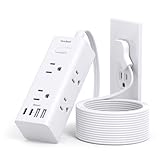
I’ve learned to pack a specific type of device. It’s usually a compact unit with maybe two or three standard outlets and a couple of USB ports. The important feature is that it doesn’t have any buttons or switches on it that could be construed as a surge protector. It’s just a passive splitter. I found a decent one online for about $25 that has served me well on three cruises now. It’s small enough to fit in my toiletry bag, and the extra outlets mean I can charge my phone, my e-reader, and my smartwatch all at once, right from my bedside table. No more stretching cables across the room!
Here’s a quick look at what to aim for and what to avoid:
| Item Type | Royal Caribbean Policy (Generally) | My Verdict |
|---|---|---|
| Basic Extension Cord (No Surge Protection, No Switches) | Allowed | YES. This is your best friend. Get a short, sturdy one. |
| Multi-Outlet Power Strip (with Surge Protection / On-Off Switch) | NOT Allowed | NO. Absolutely avoid this. It’s the main reason people get them confiscated. |
| USB Charging Station (without surge protection) | Generally Allowed | YES. Great for phones and tablets, but doesn’t solve the need for AC power. |
| Portable Power Bank | Allowed | YES. Handy for shore excursions, but not a room charging solution. |
Common Mistakes and What to Watch Out For
The biggest mistake people make, as I alluded to, is confusing a simple extension cord with a surge protector. These are two very different beasts. A surge protector has electronic components designed to detect and divert excess voltage, protecting your sensitive electronics. This is great for home, but on a ship, it’s considered an unnecessary risk. Why? Because the ship’s power is already tightly controlled. Adding a device that tries to ‘regulate’ it can interfere with the ship’s systems or, worse, malfunction.
Another mistake is trying to sneak something past security. I’ve seen people try to disguise their prohibited power strips. Don’t do it. They have scanners, and they know what to look for. You’ll just end up having your item confiscated and returned to you at the end of the cruise, or worse, having to deal with guest services. It’s not worth the hassle and the embarrassment.
I once saw a guy on a cruise try to use one of those old-school, heavy-duty industrial extension cords. It looked like it could power a small city. The steward politely but firmly told him to unplug it. Apparently, the amperage draw on those things is way beyond what the cabin outlets are designed for. It’s not just about the surge protection; it’s about the overall load and the quality of the wiring. Stick to devices designed for personal use, and even then, double-check the specs. (See Also: Can Extension Cords Be Use With Electric Heaters )
People also sometimes forget about the type of outlets available. Most cruise ship cabins have standard US-style outlets, but they are often limited in number. Some older ships or specific cabin types might have European-style outlets (Type C or F), though this is less common on Royal Caribbean’s modern fleet. If you’re bringing an adapter, make sure it’s just a plug adapter and not a voltage converter, as the latter can also be problematic. Always research your specific ship and cabin type if you’re unsure.
Real-World Use Cases and Why They Work
So, you’ve got a Royal Caribbean-approved power splitter with a couple of USB ports. What can you actually do with it? Plenty!
Scenario 1: The Bedside Charger. You’re in your cabin, and the only outlet is on the wall opposite your bed. Your phone, Kindle, and smartwatch all need charging overnight. Plugging your approved splitter into that single outlet allows you to plug in all three devices right on your nightstand. No more tangled cords or fighting over the single outlet.
Scenario 2: The Entertainment Hub. Maybe you like to keep a tablet charged for movies or games while you’re relaxing in your cabin. If the outlet is inconveniently placed, a short extension cord can bring power closer to your seating area. It’s about making your cabin feel more like home, even if it’s just for a week.
Scenario 3: The ‘Just in Case’ Item. Sometimes, you just need a little extra juice for a CPAP machine or other medical device that requires a constant power source. While these are usually accommodated, having your own approved splitter can offer peace of mind. It’s always best to check with Royal Caribbean’s accessibility department for specific medical equipment needs, but for general personal electronics, a simple splitter works wonders.
I used mine extensively on my last Alaska cruise. We had a balcony cabin, and the outlet was tucked away behind the mini-fridge. Being able to plug in my power splitter and have access to two standard outlets and two USB ports right near the sitting area was a lifesaver. I could charge my camera batteries, my phone, and even my portable fan without having to contort myself or move heavy furniture. It sounds like a small thing, but when you’re on vacation, those little conveniences add up.
Contrarian Opinion: Do You really Need One?
Here’s my contrarian take: While I advocate for bringing a proper, cruise-line-approved power splitter, many people overestimate their need for one. Everyone says you must bring an extension cord or power strip for your cruise. I disagree, and here’s why: Royal Caribbean cabins are getting better equipped. Most newer ships, and even many renovated older ones, have multiple outlets, including USB ports, strategically placed near the beds and desk areas. (See Also: Are Outdoor Extension Cords 10 Or 12 Gauge )
On my last few cruises on Royal Caribbean ships (specifically Harmony of the Seas and Blend of the Seas), I found that the bedside outlets, along with USB ports, were more than sufficient for my needs. I brought my splitter just in case, but I barely used it. I usually pack my phone, an e-reader, and my smartwatch. All of those can be charged via USB. The only thing that really needs an AC outlet is my camera battery charger.
So, before you go buying a specific gadget, take stock of what you actually need to charge. If it’s just your phone and a tablet, you might be perfectly fine with the built-in outlets. Consider the size of your cabin, too. If you’re in an interior room, you might have fewer outlets than in a balcony or suite. But honestly, the panic about needing a power strip is often overblown for many travelers. It’s good to have a plan, but don’t let the fear of not having enough outlets dictate your packing list if you travel light on electronics.
Frequently Asked Questions About Cruise Ship Power
Are Extension Cords Completely Banned on Royal Caribbean?
No, not completely. Royal Caribbean, like most cruise lines, bans surge protectors and multi-outlet power strips that have built-in surge protection or on/off switches. However, simple, un-switched, non-surge-protected extension cords (often called power splitters) are generally permitted. The key is to make sure the device is basic and doesn’t have features that could interfere with the ship’s electrical system or pose a fire risk.
What Kind of Power Strip Can I Bring on a Royal Caribbean Cruise?
You can bring a basic power strip that functions purely as a splitter, offering more outlets without any surge protection or on/off switches. Look for models that are compact and have grounded plugs if possible. The safest bet is a simple, passive cord that just expands one outlet into several, ideally with a few USB ports as well. Avoid anything that looks like it has complex circuitry or a dedicated on/off switch.
Can I Bring a USB Hub or Charger on a Royal Caribbean Ship?
Yes, typically. USB hubs and multi-port USB chargers that do not have surge protection features are generally allowed. These are great for charging phones, tablets, and other devices that use USB cables. They can often be plugged directly into the cabin’s outlets or into an approved power splitter. Just make sure they don’t have any integrated surge suppression components.
What Happens If I Bring a Prohibited Item Like a Surge Protector?
If you bring a prohibited item, such as a surge protector or a forbidden extension cord, it will likely be confiscated by security during the bag screening process. The item will be held by the ship’s staff and returned to you upon disembarkation at the end of your cruise. In some cases, repeated or egregious violations could lead to further guest services intervention, but for most, it’s a simple confiscation and return.
Final Verdict
So, to circle back to the main question: are extension cords allowed on Royal Caribbean ships? Yes, but with a big asterisk. You can bring a simple, un-switched, non-surge-protected power splitter. Don’t be that person who tries to sneak in a surge protector; it’s just not worth the risk of confiscation or, far more importantly, a safety issue.
My advice? Pack smart. If you need a bit more power access, invest in a small, cruise-approved power splitter with USB ports. It’s a small price to pay for convenience and peace of mind. But also, do a quick check of your ship’s amenities – you might be surprised how many outlets are already there.
Ultimately, the goal is to enjoy your cruise without any unnecessary drama. Understanding the rules about electronics, especially when it comes to power, is part of that preparation. Safe travels, and may your devices always stay charged!