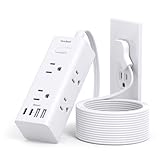
You’re packed, you’re ready, you’ve even practiced your signature on the travel documents. Then it hits you: that one important charger, the one for your CPAP machine, or maybe just your phone and tablet. Suddenly, you’re wondering, are extension cords allowed on cruise ships? I remember a trip where my cabin’s single outlet felt like a precious commodity. I almost smuggled in a power strip, convinced it was a life-or-death situation for my devices. Thankfully, I didn’t. But the panic was real. Let’s cut through the confusion and get to what you actually need to know.
Cruise Ship Outlet Reality: Why You Might Need More Juice
Alright, let’s talk about the outlet situation on cruise ships. It’s not like your house, that’s for sure. Most cruise lines, especially the older ships, have a surprisingly limited number of electrical outlets in the cabins. We’re talking one or, if you’re lucky, two standard outlets.
For people like me who travel with a phone, a smartwatch, a Kindle, and sometimes even a portable fan (don’t judge!), this can be a real pain. I once shared a cabin with a friend who was constantly battling me for dibs on the sole outlet. It was a minor war, fought over kilowatt-hours.
The common advice is often ‘just bring a USB multi-port charger.’ While that helps, it doesn’t solve everything. Some devices still need a plug, and if you have something power-hungry like a CPAP machine, you absolutely need a reliable power source. The cabin might also have a hairdryer, but it’s usually low wattage and not very effective, so don’t count on that for charging your main devices.
This scarcity is why the question ‘are extension cords allowed on cruise ships’ pops up so frequently. People are trying to be prepared, to avoid the dreaded ‘low battery’ notification when they’re miles from shore and Wi-Fi is a luxury. Think about it: you want to recharge your camera for that sunset photo, your phone for staying in touch, and maybe even power a small fan for some extra airflow, especially in those smaller interior cabins. The ship’s electrical system is designed for specific loads, and overloading it is a serious safety concern. That’s why they have rules. Understanding these rules upfront can save you a lot of hassle and potentially a fine or confiscation.
Many modern ships are better, offering more outlets, sometimes even USB ports built right in. But if you’re on an older vessel, or just want that extra peace of mind, knowing the official stance and what alternatives exist is key. The real issue isn’t just having enough power; it’s about safety and adhering to maritime regulations. Ships are enclosed spaces, and fire safety is most important. This is why certain items are banned, and electrical accessories are scrutinized. It’s less about being stingy with power and more about preventing a potential disaster at sea. So, before you even think about packing, let’s break down what the cruise lines actually say.
The Official Word: What Cruise Lines Actually Ban
Here’s the blunt truth about what cruise lines ban and why. The primary concern for any cruise line is fire safety. Ships are complex environments with a lot of people in close quarters. Any item that poses a fire risk is immediately on the banned list. This is why you’ll see mentions of surge protectors, power strips with built-in circuit breakers, and anything that can overheat or draw excessive power being disallowed. They’re not trying to ruin your vacation; they’re trying to keep everyone safe.
Most cruise lines have a pretty standard list of prohibited electrical items. You’ll find references to things like:
- Val Can heaters
- Clothes irons (most cabins have a laundry room with one)
- Hot plates
- Sear’s Hot Shot
- Incense
- Coffee makers (unless specifically approved)
- Electric blankets
- Extension cords
- Power strips without a surge protector
Now, let’s get specific about extension cords and power strips. Generally, you can’t bring your own. Why? Because unregulated cords and strips can be a fire hazard.
They might not be rated for marine use, they could have faulty wiring, or they could simply draw more power than the ship’s wiring can handle in that specific circuit. I learned this the hard way when I tried to bring a cheap, unbranded power strip on a weekend getaway. It felt warm to the touch after just an hour, and I immediately unplugged it and tucked it away, sweating bullets about what could have happened.
The cruise line’s policy is usually explicitly stated in their ‘What to Pack’ or ‘Prohibited Items’ list on their website. It’s always worth checking your specific cruise line’s policy before you sail.
Some cruise lines do allow certain types of power strips, but they almost always have strict criteria. These usually need to be the ‘surge-protected’ variety, and even then, they might have limitations. The key is that they must be U.S. Coast Guard-approved or meet similar maritime safety standards. This is often where the confusion lies. People see ‘power strip’ and assume it’s banned, or they bring one that technically fits the description but not the safety requirements. The difference between a simple outlet multiplier and a genuine surge protector that’s designed for safety is significant.
Here’s a little cheat sheet on what’s generally okay and what’s not, based on my experience and common cruise line policies. Remember, always check your specific cruise line’s rules.
| Item | General Cruise Line Stance | Verdict/Why |
|---|---|---|
| Standard Extension Cord (no surge protection) | Banned | Fire hazard due to potential overheating and lack of safety features. |
| Basic Power Strip (no surge protection) | Banned | Same reasons as extension cords; can overload circuits. |
| Surge Protector Power Strip (with built-in breaker) | Often Allowed (check specific line) | Designed with safety features to prevent overheating and protect devices. Look for marine-approved if possible. |
| Multi-port USB Charger | Allowed | Plugs into a single outlet and provides multiple USB ports, generally safe and doesn’t draw excessive power. |
| CPAP Machine Power Cord | Allowed (usually) | Key medical device, but you may need to inform the cruise line. |
The Real Problem: What to Pack Instead of Banned Cords
So, if those standard extension cords and power strips are a no-go, what are your options? Don’t panic. The goal isn’t to deny you power; it’s to make sure safety. I’ve learned that the best approach is to be smart about what you pack. My first cruise, I packed a chunky surge protector and then spent hours on the phone with customer service after realizing it was on the banned list. Total waste of time. Now, I opt for smarter, smaller solutions.
The absolute champion in this category is themulti-port USB wall charger. These little bricks plug into a single outlet and give you anywhere from three to six USB ports. (See Also: Can Extension Cords Short Out )
I’ve got one that charges my phone, my wife’s phone, our rechargeable batteries, and my e-reader simultaneously. It’s compact, efficient, and doesn’t pose a fire risk because it doesn’t draw power like a traditional plug-in appliance. Some even have a couple of AC outlets integrated into them, but again, verify the surge protection aspect if it does.
I paid about $25 for a really solid one from a reputable brand, and it’s paid for itself tenfold in convenience over the years. Make sure to get one from a well-known manufacturer; cheap knock-offs can be just as dodgy as banned power strips.
Another option, especially if you have specific devices that need AC power, is atravel power strip with surge protection. But this is where you need to be absolutely diligent. Not all travel power strips are created equal.
Look for ones that explicitly state they have surge protection and, ideally, are designed for travel. Some brands are known for making these, and they’re often compact enough to fit easily in your bag. The key here is that the cruise line policy often specifies that power strips must have surge protection.
A basic one without it is just asking for trouble. I’ve seen people get them confiscated at the gangway, and it’s not a fun way to start a vacation.
My friend once bought one that looked innocent but had a faulty surge protector, and it tripped the breaker in our cabin twice. Not ideal.
For those who absolutely need a standard outlet for something like a CPAP machine (which is usually permitted, but you should confirm with the cruise line), you might need to be strategic. Sometimes, the bedside lamps have an outlet, or there might be an outlet behind the TV. It’s worth scouting out your cabin’s layout once you get onboard. If you’re really concerned, you can sometimes contact the cruise line’s accessibility department to see if they can accommodate specific medical equipment needs. They might be able to provide a suitable power solution or at least confirm that your device is allowed and how to manage its power needs.
One thing I’ve seen some people try, which I strongly advise against, is a ‘rigged’ solution. Think adapters that aren’t properly rated or trying to bypass safety features. This is incredibly dangerous on a ship. The wiring is different, the space is confined, and the consequences of an electrical fault are far more severe than at home. Stick to the approved solutions. The goal is to have enough power for your essentials without creating a fire hazard or violating the cruise line’s rules.
Faq: Are Extension Cords Allowed on Cruise Ships?
Can I Bring a Regular Extension Cord on a Cruise Ship?
No, generally you cannot bring a regular, unlisted extension cord on a cruise ship. Cruise lines ban them due to significant fire safety concerns. They are not designed for the specific electrical systems found on ships and can easily overheat or overload circuits, posing a serious risk in a confined environment.
What About Power Strips? Are They Allowed?
It depends on the type of power strip. Basic power strips without surge protection are typically banned for the same safety reasons as extension cords. However, many cruise lines do allow power strips if they have built-in surge protection and a circuit breaker. Always check your specific cruise line’s policy, as they may have additional restrictions or require specific certifications.
My Cpap Machine Needs an Outlet. What Should I Do?
CPAP machines are generally allowed as they are considered key medical equipment. You should notify the cruise line in advance about your need to use one. While you usually can’t bring your own extension cord for it, ships are typically equipped to handle the power needs of approved medical devices. You may need to use the outlets provided in your cabin or inquire with guest services about any specific arrangements.
What’s the Safest Alternative for Charging Multiple Devices?
The safest and most recommended alternative is a multi-port USB wall charger. These plug into a single outlet and provide multiple USB ports for charging phones, tablets, and other USB-powered devices. They are compact, efficient, and do not pose the same fire risks as traditional extension cords or power strips.
What Happens If I Bring a Banned Item Like an Extension Cord?
If you bring a banned electrical item, such as a regular extension cord, it will likely be confiscated by security during the embarkation process. You might get it back at the end of the cruise, but there’s no guarantee. It’s best to avoid bringing any prohibited items to prevent delays and potential loss of your belongings.
The ‘contrarian’ Take: When ‘allowed’ Doesn’t Mean ‘wise’
Everyone talks about whether extension cords are allowed on cruise ships, and that’s important, but it misses a bigger point. Just because a cruise line might technically allow a certain type of surge-protected power strip doesn’t mean it’s always the smartest thing to bring. (See Also: Can Extension Cords Be Use With Electric Heaters )
I’ve seen perfectly good, approved travel power strips fail because the ship’s wiring in a particular cabin was old, or because someone else in the cabin plugged in something wildly inappropriate and overloaded the circuit. This happened on a cruise a few years back. We had one of those sleek, multi-surge protected units, and it was supposedly fine. But one evening, after my partner plugged in her laptop and I plugged in my phone charger, the cabin lights flickered, and our power strip just died with a faint buzzing sound.
The cabin steward came and said the circuit was overloaded, and that sometimes happens on older ships, even with approved gear.
This is why I’m a huge proponent of the multi-port USB charger. It’s not just that they’re allowed; it’s that they are inherently less likely to cause issues. They draw less power, they have fewer points of failure, and they’re designed for the portability that we travelers need.
The common advice is often to bring a surge protector, and that’s good advice if you have to bring one, but it’s not the only advice, and maybe not even the best advice. My contrarian stance is this: prioritize devices that plug into a single AC outlet and offer multiple USB ports over a power strip that simply extends one outlet into several. It’s about minimizing your electrical footprint in an environment where that footprint is already limited and carefully managed.
Think about it: what are you usually charging on vacation? Phones, tablets, cameras, smartwatches, e-readers. All of these run on USB. Even laptops often come with USB-C charging. The few things that might still require a traditional AC plug are often niche. If you’re bringing a hairdryer, most ships provide one. If it’s a medical device, that’s a separate conversation with the cruise line. For general device charging, the USB multi-port charger is king. It simplifies your packing, reduces potential headaches, and frankly, is less likely to be the cause of a tripped breaker or a stern warning from guest services. It’s about working with the cruise ship’s limitations, not fighting against them.
So, while you absolutely must check the rules on whether extension cords are allowed on cruise ships, I’d argue you should also ask yourself if bringing one, even an approved one, is truly necessary. The space you save by leaving it behind and bringing a compact USB charger can be used for that extra pair of shoes or that book you’ve been meaning to read. It’s about making smart choices that enhance your experience, not complicate it.
Real-World Scenarios: How I Use My Tech on Board
Navigating the electrical landscape on a cruise ship requires a bit of planning, especially if you’re someone who likes to stay connected or has specific tech needs. I’ve been on cruises where the cabin had only one outlet, and I’ve been on newer ones with more options. My personal strategy has evolved significantly over the years, moving from overpacking to a more simplified, efficient approach.
My go-to item now is a compact, 4-port USB wall charger. I paid around $18 for it, and it’s been worth every penny. It lives plugged into the single outlet near my bedside, and I use it to charge my phone, my wife’s phone, our portable Bluetooth speaker, and my rechargeable headlamp for nighttime walks on deck. This covers about 80% of our charging needs. The key is that it consolidates everything into one plug point, minimizing the draw on that single outlet. I’ve never had an issue with it causing problems or tripping breakers. It just works, quietly and efficiently.
For my laptop, which I sometimes bring for journaling or if I need to do some work (yes, even on vacation!), I use its original power adapter. This usually goes into the second outlet, if available, or I rotate its use with the USB charger. Most laptops now have relatively efficient chargers, and they aren’t usually the culprits for overloading circuits unless they’re very old or faulty. However, I’ve learned that if the cabin feels a bit ‘iffy’ electrically, I’ll just charge my laptop overnight when we’re not using other devices.
Then there’s the CPAP machine. This is a a must for me on longer trips.
I always contact the cruise line in advance and inform them about the medical device. They usually confirm it’s allowed and provide guidance. The machine comes with its own power cord, and I’ve never needed an extension cord for it. It plugs directly into a standard outlet.
On one cruise, the only accessible outlet was behind the dresser, which was a pain. So, I ended up using a short, flexible USB extension cable (not an AC extension cord!)
to bring the charging end of my USB charger to a more convenient spot on the nightstand. This is a subtle but important distinction: USB extension cables for device charging are generally fine, as they’re low voltage and just pass data/power along a wire, not drawing high AC current.
Here’s a breakdown of how I manage my tech power needs on a typical cruise: (See Also: Are Outdoor Extension Cords 10 Or 12 Gauge )
- Primary Charging Hub: A 4-port USB wall charger plugged into the main bedside outlet. This handles phones, speakers, rechargeable batteries, etc.
- Secondary AC Use: The original AC adapter for my laptop or other specific AC-powered devices, used when needed and when the cabin’s electrical capacity feels solid.
- Medical Devices: CPAP machine plugged directly into an accessible AC outlet. Always pre-notify the cruise line.
- Convenience Boost: A short USB extension cable to reposition a USB charging port if the outlet is inconveniently located.
This approach has saved me stress and money. I don’t have to worry about bringing bulky, potentially banned items, and I can reliably keep all my key devices powered up. It’s all about understanding the limitations and using smart, compact solutions.
Cruise Line Policies & Safety: The Unseen Side of Power
When you’re asking ‘are extension cords allowed on cruise ships,’ you’re really tapping into a larger conversation about maritime safety regulations. Cruise ships operate under strict international and national laws designed to prevent fires and other emergencies at sea. The U.S. Coast Guard, for instance, has a significant role in setting standards for safety equipment and practices aboard vessels that call on U.S. ports. While they might not directly regulate every passenger’s personal electrical device, their oversight influences the cruise lines’ policies.
The core issue with a standard extension cord or an uncertified power strip is the lack of testing and standardization. A cord bought from a discount store might use thinner gauge wiring than required, or the insulation could be subpar. In the humid, salt-laden environment of a ship, these deficiencies can be amplified, leading to short circuits or overheating. Ships are also equipped with specialized fire suppression systems, but the best system is one that doesn’t need to be activated. Preventing fires at the source is the priority.
According to the U.S. Coast Guard’s marine safety information bulletins, maintaining electrical systems is most important. While these bulletins are often aimed at the ship operators, the principles extend to passenger safety. Anything that could compromise the ship’s electrical integrity is a concern. This is why cruise lines implement these bans. It’s not arbitrary; it’s based on risk assessment. A common household extension cord, designed for a stable land-based power grid, might not handle the vibrations, the different power fluctuations, or the sheer density of electrical usage on a ship.
I recall a story from a friend who was a former cruise ship engineer. He mentioned that circuits are carefully balanced. Adding too many high-draw items in one cabin, even if they’re technically ‘allowed’ in terms of being surge-protected, can still cause issues if the circuit is already managing other loads. He said they often see tripped breakers in cabins where passengers have tried to run multiple high-power devices simultaneously, even with approved equipment. This reinforces why simpler, lower-draw solutions like USB chargers are so much better.
Here’s a simple analogy: think of the ship’s electrical system like a delicate circulatory system. You can introduce small, healthy additions (like a USB charger), but a large, unregulated one (like a cheap extension cord) could cause a blockage or overload. The cruise lines have to err on the side of caution. Their passenger lists can number in the thousands, and a single electrical fire could be catastrophic. So, when you see the ban on extension cords and certain power strips, understand it’s rooted in a deep commitment to safety. It’s about safeguarding the vessel, the crew, and everyone onboard. It’s a vital part of maritime operations, and passenger compliance is key to maintaining that safety.
Frequently Asked Questions About Cruise Ship Electrical Items
Are Extension Cords Allowed on Cruise Ships?
Generally, no. Standard extension cords are banned on cruise ships due to fire safety concerns. They are not certified for marine use and can pose a risk of overheating or electrical faults in the ship’s environment.
Can I Bring a Power Strip on a Cruise?
It depends on the type of power strip. Many cruise lines allow power strips, but they usually must be ‘surge-protected’ models with an internal circuit breaker. Basic power strips without surge protection are typically prohibited.
What About Medical Equipment Like Cpap Machines?
CPAP machines and similar key medical devices are usually permitted. However, it is important to notify the cruise line in advance about your need to bring such equipment. They will advise on specific regulations and make sure you have access to power safely.
What Is the Best Alternative for Charging Multiple Devices?
A multi-port USB wall charger is widely considered the best and safest alternative. These plug into a single outlet and offer several USB ports, efficiently charging phones, tablets, and other USB-compatible devices without the risks associated with traditional extension cords.
What Happens If I Bring a Prohibited Electrical Item?
If you bring a prohibited item, such as an unapproved extension cord or power strip, it will likely be confiscated by security during embarkation. You may retrieve it at the end of your cruise, but it’s best to avoid bringing banned items to prevent inconvenience and potential loss.
Final Thoughts
So, to answer the burning question: are extension cords allowed on cruise ships? The short answer is usually no, for standard ones. But the longer, more important answer is that there are safe, approved ways to manage your power needs at sea. Don’t be the person frantically trying to negotiate with security at the gangway over a banned cord.
My advice? Invest in a good multi-port USB charger. It’s compact, versatile, and avoids all the hassle. For anything else, check your cruise line’s specific policies religiously. A little preparation now means a lot less stress when you’re ready to set sail.
Remember, the goal is a relaxing vacation, not an electrical engineering project gone wrong. Pack smart, stay safe, and enjoy the cruise!