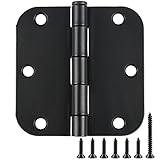
I remember the first time I tried to replace the hinges on my back deck door. Seemed simple enough, right? Just a few screws. Well, turns out not all hinges are created equal, and I learned that the hard way, ending up with a door that sagged like a sleepy teenager. So, to answer the burning question: are exterior door hinges different? Absolutely. They have to be, and understanding those differences can save you a whole lot of frustration and a few bucks too.
You’d think a hinge is just a hinge, but when you’re dealing with the elements – sun, rain, snow, humidity – and the sheer weight of a door, the design and materials matter. Get it wrong, and you’re looking at a door that sticks, squeaks, or worse, warps and won’t close properly. It’s not just about looks; it’s about security and function.
Why Your Back Door Needs More Than Just a Basic Hinge
Let’s get down to brass tacks. The biggest reason exterior door hinges are different is survival.
They’re out there, taking a beating from Mother Nature, while interior hinges are chilling in climate-controlled comfort. This means the materials have to be tougher. Think corrosion resistance. You’ll see a lot more stainless steel, brass, or heavier-duty coated steel on exterior hinges.
If you try to slap on some cheap, interior-grade zinc-plated hinges on your front door, you’ll be replacing them within a year, maybe sooner if you live somewhere with salty air or heavy rain. I learned this when I bought a house with a drafty back door and decided to ‘upgrade’ the hinges.
I grabbed what looked like standard hinges from the hardware store, not realizing they were meant for a closet. Within six months, they were rusted messes, and the door sagged so badly I had to jam a piece of wood under it to keep it shut.
Lesson learned: exterior demands durability.
The ‘pin’ in the hinge, that central rod that allows the two leaves to pivot, is often thicker and more solid on exterior hinges too. This adds strength to support the weight of a heavier door, especially when it’s wet or expanded from humidity. Some exterior hinges also come with non-removable pins, which is a security feature. You can’t just pull the pin and lift the door off its hinges from the outside. This is a small detail that makes a surprisingly big difference if someone is trying to break in.
Another factor is the size and screw hole placement. Exterior doors are often thicker and heavier than interior doors. Their hinges need to be sized accordingly to provide adequate support and balance. The screw holes might be spaced differently, and they are almost always drilled for longer, heftier screws to get a solid purchase into the door frame and the door itself. Trying to use a hinge designed for a lightweight interior door on your solid wood exterior entry will lead to stress fractures in the wood and a wobbly door in no time. It’s like trying to hold up a bookshelf with toothpicks.
Different Types of Exterior Door Hinges: Not All That Glitters Is Stainless Steel
When you start looking at exterior hinges, you’ll see a few main players. The most common is the standard butt hinge, but even these come in variations for outdoor use. You’ll find them in different finishes like polished brass, oil-rubbed bronze, or various shades of black and nickel. These finishes aren’t just for looks; many are designed to resist fading and corrosion. For example, a good quality stainless steel hinge will hold up much better in coastal environments than a painted steel one. I once had a beautiful black door hinge that looked fantastic for about three months, then started chipping and showing rust spots underneath. It turned out to be a cheaper coated steel, not fully stainless. Buyer beware.
Then there are strap hinges and T-hinges. These are often more decorative and are commonly used on garden gates, shed doors, or rustic-style exterior doors. Strap hinges have a long, flat ‘strap’ that attaches to the door surface, distributing the weight over a larger area.
T-hinges have a ‘T’ shape where the horizontal piece attaches to the door and the vertical piece attaches to the frame. Both are generally heavier-duty than a simple butt hinge and can add a lot of character, but they also require specific mounting techniques and can sometimes make a door harder to close perfectly flush if not installed precisely. They also present a more obvious visual appeal, so if you’re going for a certain look, these are worth considering, but make sure they’re made from materials that can handle the weather. (See Also: A Box Without Hinges Key )
You might also encounter specialized hinges, like pivot hinges, which are mounted at the bottom and top of the door and frame, allowing for a very clean, minimalist look and often used for heavier doors like grand entryways. These are less common for standard residential exterior doors but are definitely a step up in engineering and design, and their material quality will be top-notch to handle the load and exposure.
What to Look for When Buying Exterior Hinges
Material is King: For any exterior hinge, look for solid stainless steel, solid brass, or heavy-duty coated steel with a solid powder coating or marine-grade finish. Avoid anything that feels flimsy or looks like it’s just a thin plating over cheap metal. If you can scratch it with your fingernail, it’s not going to last outdoors.
Hinge Finish and Its Purpose
Finish Matters for Durability: Beyond the base material, the finish provides an extra layer of protection. Brushed nickel, oil-rubbed bronze, and satin chrome finishes are popular and can be quite durable if they are high quality. Black powder-coated hinges are common and can look sharp, but make sure the coating is thick and even. Avoid hinges with a high-gloss, thin chrome plating, as this can flake off and reveal rust underneath.
The Pin: Security and Strength
Pin Security: For exterior doors, especially entry doors, look for hinges with a non-removable or security pin. This is often a small stud or screw that sits in a groove on the hinge barrel, preventing the pin from being pulled out when the door is closed. It’s a simple but effective deterrent against forced entry.
Size and Gauge: Supporting the Load
Gauge and Size: The thickness (gauge) of the metal and the overall size of the hinge leaves are important. Thicker metal means more strength. Make sure the hinge size is proportionate to the door size and weight. A standard exterior door might use 4-inch hinges, but a very heavy solid wood door might need larger or thicker ones.
Bearing Type: Smooth Sailing
Bearings: Many higher-quality exterior hinges will have ball bearings or roller bearings in the barrel. These help to reduce friction, making the door swing smoothly and quietly, and significantly reducing wear and tear, especially on heavy doors that get a lot of use. You can often tell if a hinge has bearings because they will have a slightly different look or feel, and they’ll be advertised as ‘heavy-duty’ or ‘ball-bearing hinges’.
| Feature | Interior Hinges | Exterior Hinges | Our Verdict |
|---|---|---|---|
| Material | Lighter steel, zinc-plated, brass-plated | Stainless steel, solid brass, heavy-duty coated steel | Exterior MUST be corrosion-resistant. Stainless steel is best. |
| Pin Type | Removable | Often non-removable (security) or thicker gauge | Non-removable pin adds a security layer for entry doors. |
| Coating/Finish | Often basic plating, painted | Powder coating, marine-grade finishes, PVD | High-quality, durable finishes are important for weather resistance. |
| Load Capacity | Lower | Higher, designed for heavier doors | Match hinge capacity to door weight to prevent sagging. |
| Bearing | Rarely needed, basic barrel | Often ball-bearing or roller bearing for smooth operation | Bearings make a big difference in longevity and ease of use. |
| Cost | Lower | Higher | Worth the extra investment for exterior applications. |
Common Mistakes That Lead to Hinge Heartache
One of the biggest blunders I see people make is simply not buying the right type of hinge for the location. They see a hinge that ‘looks’ okay and assume it will do the job.
This is particularly true for DIYers who might be more focused on aesthetics or initial cost rather than long-term performance. Another common mistake is using interior-grade screws. Exterior hinges come with specific screw lengths and types designed to bite into the frame securely.
Using short, soft screws means the hinge can pull out of the wood over time, especially with the constant movement and weight of a door exposed to the elements. I once saw a friend try to save a few bucks by reusing old screws on new exterior hinges. Within a year, the door was dragging on the ground. I told him, ‘You can’t be cheap on the things that hold your house together.’
He eventually replaced them with proper screws and hinges, and the problem was solved.
Improper installation is another huge one. Hinges need to be installed perfectly plumb and level. If the frame isn’t square, or if the hinges are set too deep or not deep enough, the door won’t hang straight. This puts undue stress on the hinges and the door itself, leading to premature wear and tear, sagging, or difficulty operating. Sometimes, people try to ‘shim’ hinges with cardboard or thin metal to correct an alignment issue. While this might work temporarily for an interior door, it’s a band-aid on an open wound for an exterior door. The weather will eventually warp the wood, and your shimmed hinge will fail. (See Also: Are Integrated Washing Machine Door Hinges Standard )
Over-tightening is also a problem. When installing, you want the screws snug, but cranking them down too hard can strip the wood or even crack the hinge itself, especially if the hinge is made of a softer metal. Conversely, not tightening them enough means the hinge will loosen over time, leading to sagging. It’s a delicate balance that requires a bit of feel. When in doubt, err on the side of slightly less tight and then tighten gradually until the hinge feels solid but not strained.
The Real-World Impact of Choosing Wrong
Let me tell you about my neighbor, bless his heart. He decided to repaint his entire house, including the exterior doors. He took off the hinges, painted them black to match the new trim, and screwed them back on. They looked great for about a month.
Then, the hinges, which were clearly not rated for outdoor use, started to rust. The rust bled onto his freshly painted door, creating ugly orange streaks.
Worse, the rust seized up the mechanism, and the door became a nightmare to open and close. He ended up having to buy new, proper exterior hinges and spend a weekend scrubbing the rust stains off his door. It was a painful, but effective, lesson in why using the right hardware matters.
Durability Tests and Real-Life Performance
When manufacturers design exterior door hinges, they’re not just thinking about how they look; they’re thinking about how they’ll stand up to the elements. This often involves rigorous testing, though you won’t always see detailed results for consumer-grade hardware. For high-end or commercial-grade hinges, you might find information on salt spray tests, which simulate coastal environments, or UV exposure tests to see how finishes hold up. For most of us, we rely on common sense and reputation.
A good indicator of durability is the weight of the hinge. Pick one up. Does it feel substantial, or surprisingly light? A heavier hinge usually means thicker metal, which translates to more strength and longevity. Another clue is the smoothness of the swing. Even without ball bearings, a well-made exterior hinge will pivot smoothly. If it feels gritty or stiff right out of the package, it’s probably not going to get better with age and exposure.
I’ve found that brands that specialize in hardware for exterior applications tend to have better quality control. You might pay a bit more, but the peace of mind is worth it. For example, I replaced the hinges on my shed door with a set from a company known for outdoor hardware, and they’ve been going strong for five years now, through brutal winters and scorching summers, with no sign of rust or sagging. They were a few dollars more per hinge, but the cost of replacing them sooner would have been higher, not to mention the hassle.
One thing that’s often overlooked is the load rating. Most exterior doors are heavier than interior doors, and hinges are rated for specific weight capacities. Overloading hinges will inevitably lead to sagging and premature failure. It’s like putting too much weight on a weak shelf – it’s only a matter of time before it breaks. Always check the specifications and choose hinges that can comfortably handle the weight of your door. If you have a solid wood or metal door, you might need heavy-duty hinges, even if they look similar to standard ones.
A Contrarian View on Decorative Hinges
Now, everyone loves a good-looking hinge, right? Especially on a front door. But here’s my hot take: don’t sacrifice function for form on exterior hinges.
I’ve seen beautiful, ornate strap hinges that looked amazing on a farmhouse door, but they were made of flimsy steel that rusted within a year, and the door started to sag because the hinge wasn’t strong enough. Everyone raves about the vintage look, but I’d rather have a door that closes properly and keeps the weather out than one that looks pretty for a season and then becomes a maintenance nightmare. Give me a solid, stainless steel butt hinge in a finish that’s durable over some fancy-looking thing that’s going to fall apart.
Aesthetics are important, sure, but security, weatherproofing, and durability have to come first for exterior applications. You can find durable hinges that still look good – you just have to be picky. (See Also: Are Hinges Wheeels )
Faq: Common Questions About Exterior Door Hinges
What Is the Main Difference Between Interior and Exterior Door Hinges?
The primary differences lie in materials and construction to withstand outdoor elements. Exterior hinges are made from corrosion-resistant materials like stainless steel or solid brass and are often heavier-duty to support the weight and movement of exterior doors. They also frequently feature security elements like non-removable pins, which interior hinges typically lack.
Can I Use Interior Hinges on an Exterior Door?
Technically, you might be able to screw them in, but it’s a terrible idea for longevity and security. Interior hinges are not designed to handle moisture, temperature fluctuations, or the heavier loads of exterior doors. They will rust quickly, seize up, and the door will likely sag, leading to costly repairs or premature replacement.
How Do I Know What Size Exterior Door Hinge I Need?
Measure your existing hinges from top to bottom. For standard doors, 4-inch hinges are common. Also, consider the door’s thickness and weight; heavier doors require thicker, stronger hinges, often in a larger size like 4.5 or 5 inches. The gauge (thickness) of the metal is as important as the overall size for load-bearing capacity.
Are Stainless Steel Hinges Worth the Extra Cost for Exterior Doors?
Absolutely, yes. While stainless steel hinges are more expensive upfront, their superior corrosion resistance and durability mean they will last much longer than cheaper alternatives like zinc-plated steel. This saves you money in the long run by avoiding frequent replacements and potential damage to your door or frame.
What Is a Security Hinge for an Exterior Door?
A security hinge typically has a non-removable pin. This means that even if someone could somehow get the hinge pin out of the barrel, there’s a secondary mechanism, like a stud or a groove, that prevents the pin from being fully removed. This stops an intruder from simply lifting the door off its hinges from the outside.
Hinge Maintenance for Longevity
Even the best exterior door hinges need a little love to keep them performing optimally. Regular cleaning is key. Wipe them down with a damp cloth periodically to remove dirt, dust, and any salt spray if you live near the coast. This prevents grime from building up and potentially causing friction or corrosion. Lubrication is also important, but you need to use the right kind. A light application of silicone spray or a graphite-based lubricant on the hinge pin can keep them swinging smoothly. Avoid using oil-based lubricants like WD-40, as they can attract dirt and dust, which can gum up the works over time. Reapply lubricant once or twice a year, or whenever you notice any squeaking or stiffness.
Check the screws periodically. Over time, especially with temperature and humidity changes, screws can loosen slightly. A quick check and tightening of any loose screws will help maintain the hinge’s integrity and prevent door sagging. If you find screws that won’t tighten anymore, the wood might be stripped, and you’ll need to repair the hole with wood filler or a dowel before reinserting the screw. Don’t ignore these small maintenance tasks; they can prevent much larger problems down the road and make sure your exterior door hinges continue to function as they should for years to come.
Final Verdict
So, to wrap it up, are exterior door hinges different? Yes, and it matters. They’re built to withstand the weather, support heavier loads, and offer a bit more security than their indoor cousins. Don’t be tempted by the cheaper, prettier option if it’s not designed for the outdoors. I’ve seen too many people learn this lesson the hard way, dealing with rust, sagging doors, and the hassle of replacements.
Choosing the right hinge is an investment in your home’s security, its appearance, and its overall functionality. Take the time to understand the materials, the construction, and the specific needs of your door. A little research now can save you a lot of headaches later.
Next time you’re dealing with a sticky door or a sagging entryway, take a close look at those hinges. Are they still up to the job, or is it time for an upgrade? It’s a small part of your house, but a vital one.