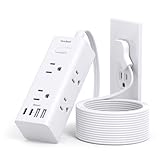
I’ll be honest, the first time I saw a fabric-covered extension cord, I scoffed. Looked like something my grandma would use to hang laundry, not power my expensive tech. But then I started seeing them everywhere – Instagram, design blogs, even in some of the swankier coffee shops. They definitely look nicer than those drab beige or black monstrosities.
So, are fabric covered extension cords safe? It’s a question I’ve had to dig into, especially after one too many near-misses with overloaded regular cords in my own chaotic workspace. The aesthetic appeal is one thing, but when it comes to electricity, looks definitely shouldn’t be the deciding factor. Let’s break down what you really need to know before you swap out your old workhorse for something that looks like it belongs in a Pinterest board.
Why the Fabric Cover Anyway? It’s Not Just for Looks
Look, let’s get this out of the way: the primary reason anyone buys a fabric-covered extension cord is because they don’t suck the life out of a room’s decor. We’ve all been there, right? You’ve got this perfectly styled living room, or a minimalist home office, and then BAM – a giant, industrial-looking grey or black power strip with a cord that looks like a stray spaghetti noodle.
It’s an eyesore. Fabric cords, with their braided sleeves in all sorts of colors and patterns, blend in better. Think muted tones, earthy textures, even bold stripes if that’s your jam.
They can look more like a decorative element than a necessary evil. I remember trying to hide cords behind furniture for years, always with some poking out.
When I first tried a fabric one in a soft grey, it was a revelation. It just… disappeared into the background near my bookshelf.
But is that all there is to it? Nope.
While aesthetics are the main driver, that fabric sleeve can offer some practical benefits, though we need to be careful not to oversell them. The weave itself, typically nylon or polyester, can offer a degree of abrasion resistance. Dragging a cord across a rough floor or bumping it against furniture can scuff up and damage the plastic insulation.
A fabric sheath can, in theory, protect against some of that surface wear and tear. It can also make the cord feel a bit more flexible and less stiff than a standard rubber or PVC cord, which can be a lifesaver when you’re trying to route it around corners or through tight spaces.
I’ve definitely found my fabric cords easier to manage when trying to snake them under a rug or behind a sofa. That stiffness of some older cords could be a real pain.
However, this is where we need to tread carefully. While the fabric adds a layer of protection, it’s not some magical force field. It’s still an extension cord, and the internal wires and insulation are the most important components for safety. The fabric is an outer layer, and its effectiveness depends heavily on the quality of the weave and the underlying construction. A loose, poorly woven fabric won’t offer much protection at all. So, while the improved aesthetics are undeniable, don’t assume the fabric magically makes the cord impervious to damage or inherently safer than a well-made standard cord. It’s an addition, not a replacement for good electrical practices. (See Also: Can Extension Cords Short Out )
What to Look for: The Devil’s in the Details (and the Wires)
Alright, so you’re convinced you want one of these nicer-looking cords. Great. But before you click ‘add to cart,’ we need to talk about what actually matters for safety, and that’s not the color of the weave. The most important thing, hands down, is the gauge of the wire inside.
This is often indicated by an AWG (American Wire Gauge) number. Lower AWG numbers mean thicker wires, which can handle more electrical current without overheating. For most common household needs, like powering a lamp or charging a phone, a 16-gauge cord is usually fine.
But if you’re looking to power anything that draws a lot of juice – like a space heater, a microwave, or power tools – you absolutely need a thicker gauge, like a 14-gauge or even a 12-gauge cord. Using an undersized cord is a fire hazard, plain and simple. I learned this the hard way years ago trying to run a small shop vac with a flimsy 18-gauge cord; it got hot enough to make me nervous, and that was just dust collection, not heavy-duty work.
Another a must is the certification. Look for the UL (Underwriters Laboratories) mark, or ETL (Intertek) or CSA (Canadian Standards Association) marks. These third-party certifications mean the product has been tested and meets rigorous safety standards. If a cord doesn’t have one of these marks, my advice is to walk away. Seriously. It’s not worth the risk. These certifications are your best bet for making sure the internal wiring, insulation, and plug are all up to snuff. I once bought a cheap, no-name cord online because it was dirt cheap and looked okay. It lasted about three weeks before the plug felt loose and wobbly. Never again. Stick to reputable brands that bother with testing and certification.
Now, about that fabric. When you’re looking at fabric-covered cords, check the weave itself. Is it tight and dense?
Or does it look like it might fray easily? A tighter weave will offer better abrasion resistance. Also, consider the material. Nylon and polyester are common and generally durable.
Some might have a flame-retardant treatment, which is an added bonus, though the primary fire resistance comes from the internal insulation. Finally, think about the length. Longer cords give you more flexibility, but they also have more potential for voltage drop, especially if they’re thinner gauge.
For high-power appliances, it’s always best to use the shortest cord necessary that can still reach your outlet safely. Don’t coil up a long cord and plug a high-draw appliance into it; heat build-up is a real issue.
Common Mistakes That Turn Fabric Cords Into Fire Hazards
The biggest mistake people make, and I’ve seen this happen a lot, is treating fabric cords like they’re invincible. Just because they look a bit tougher or prettier doesn’t mean you can abuse them. Running them under rugs is a huge no-no. Even with the fabric cover, friction, heat build-up from foot traffic, and potential damage from sharp objects under the rug can all compromise the cord. I’ve heard horror stories of cords overheating and melting under carpets, sometimes leading to fires. It’s just not worth the risk. The cord needs to be visible and not subjected to crushing or abrasion.
Another classic blunder is overloading the cord. Remember that AWG gauge we talked about? If you plug too many things into a single fabric extension cord, or plug in something that draws more power than the cord is rated for, the wires inside can overheat. This is true for any extension cord, but the fabric cover can sometimes hide the problem longer. (See Also: Can Extension Cords Be Use With Electric Heaters )
You might not see the plastic insulation starting to melt or smoke because the fabric is in the way. Overheating is a leading cause of electrical fires.
Always check the wattage or amperage rating of your appliance and compare it to the rating of your extension cord. Better to use a heavy-duty cord or a power strip specifically designed for high-draw devices if you’re unsure.
People also tend to forget about wear and tear. Even a fabric cord can get damaged. If you notice any fraying of the fabric, exposed wires, kinks that look like they might damage the insulation, or a plug that feels loose or damaged, it’s time to toss it. Don’t try to repair it.
Electrical tape is not a permanent fix for a damaged cord. The insulation is designed to keep the electricity contained, and if that’s compromised, you’re looking at shock or fire risk. I once had a fabric cord get snagged on a piece of furniture, and while the fabric held up, I could tell it had stressed the wiring underneath.
I replaced it that day, no questions asked. It’s about that peace of mind.
Real-World Use: My Experience with Fabric Cords
So, am I a convert? Mostly. I’ve integrated fabric-covered extension cords into my home office and living areas where aesthetics are a priority. For example, I have a few running behind my entertainment center, powering my TV, soundbar, and gaming consoles. They look so much cleaner than the old black tangle. I chose 14-gauge cords for that setup, just to be on the safe side, and I made sure they had UL certification. They’ve been in place for about two years now, and I haven’t had any issues. I occasionally check them to make sure there’s no visible damage, but they’re mostly static, not getting moved around.
However, I would never use them in my workshop or garage. Those environments are tough. Tools get dropped, cords get dragged across concrete, and things get messy. For that kind of heavy-duty, high-risk environment, I stick with the thick, rubber-coated, industrial-grade cords. They’re not pretty, but they’re built to take a beating and handle serious power. I’ve had a few of those industrial cords for over a decade, and they’re still going strong, even after being covered in sawdust and accidentally run over by a workbench.
My honest verdict on fabric cords? They’re great for specific applications where looks matter and the cord won’t be subjected to extreme stress or high power demands. Think behind the couch, on a bedside table, or in a home office where it’s neatly routed. For anything else, especially in areas where safety is most important and durability is key, stick to traditional, heavy-duty cords.
It’s about choosing the right tool for the job. I did have one surprise with a fabric cord once; I bought one that was supposed to be a nice neutral grey, but in certain lighting, it had a weird greenish tint that clashed with everything. That was purely a visual issue, not a safety one, but it taught me to be more careful with color selection online!
Practical Tips for Using Fabric Extension Cords Safely
Here’s a quick rundown of how to keep yourself safe when using these visually appealing cords: (See Also: Are Outdoor Extension Cords 10 Or 12 Gauge )
- Check the Gauge: Always make sure the wire gauge (AWG) is appropriate for the appliances you plan to plug in. For high-draw items, opt for 14-gauge or thicker.
- Verify Certifications: Look for UL, ETL, or CSA markings. If it’s not certified, don’t buy it.
- Inspect Regularly: Make it a habit to visually inspect your cords for any signs of damage – fraying, kinks, exposed wires, or loose plugs.
- Avoid Overloading: Never plug more devices into a fabric extension cord than it’s rated to handle. When in doubt, use a heavier-duty cord or a power strip.
- Keep Them Visible: Do not run fabric extension cords under carpets, rugs, or furniture where they can be damaged or overheat unseen.
- Use Appropriate Lengths: Shorter cords reduce voltage drop and are generally safer for high-power applications.
- Store Properly: When not in use, coil cords loosely and store them in a dry place, away from heat and sharp objects. Avoid tightly coiling them, as this can damage the internal wires over time.
One practical tip I picked up is to buy cords in colors that blend with your surroundings. If you have light-colored walls, a white or light grey cord will be much less noticeable than a black one. For dark wood furniture, a dark brown or charcoal might work better. It’s a small detail, but it contributes to the overall aesthetic goal. Also, consider the plug type. Some fabric cords come with right-angle plugs, which can be great for saving space behind furniture. Just make sure the plug itself is solid and well-made.
Are Fabric Covered Extension Cords Safe? Faq
Are Fabric Extension Cords More Fire-Resistant?
The fabric outer layer itself is not inherently more fire-resistant than standard plastic insulation. The primary fire resistance comes from the insulation around the internal wires. While some fabrics may have flame-retardant treatments, the overall fire safety still heavily depends on the quality of the internal wiring, insulation, and the cord’s certification (like UL). Do not assume the fabric makes it automatically safer from fire.
Can I Use a Fabric Extension Cord for a Space Heater?
Generally, no, unless the fabric extension cord is specifically rated for the high wattage of a space heater and has a thick enough wire gauge (e.g., 12-gauge or 14-gauge). Most decorative fabric cords are not designed for high-power continuous loads like space heaters. Overloading a cord is a major fire hazard, and space heaters draw a lot of power. Always check the appliance’s power requirements and the cord’s rating. It’s usually best to plug high-wattage appliances directly into a wall outlet or use a heavy-duty extension cord designed for such loads.
Are Braided Extension Cords Safe to Run Under a Rug?
No, it is not safe to run any extension cord, including braided or fabric-covered ones, under a rug or carpet. The fabric can still conceal damage, and the weight of foot traffic can cause the cord to overheat or damage the internal insulation. The risk of fire is significantly increased when cords are hidden and subjected to pressure or friction. Always keep extension cords in plain sight and away from areas where they can be crushed or abraded.
What’s the Difference Between a Fabric Extension Cord and a Regular One?
The main difference is the outer covering. Regular extension cords typically have a plastic (PVC or rubber) jacket, while fabric extension cords have a woven fabric sleeve over the inner insulation. Fabric cords are often chosen for their aesthetic appeal, as they can blend better with decor. Functionally, the fabric can offer some added abrasion resistance and a more flexible feel, but the core safety features – wire gauge, insulation quality, and certifications – are what truly determine safety for both types.
How Do I Know If a Fabric Extension Cord Is Good Quality?
Look for reputable brands that clearly display safety certifications like UL, ETL, or CSA. Examine the fabric weave; a tight, dense weave is generally more durable. Check the wire gauge (AWG) to make sure it’s suitable for your needs – lower numbers mean thicker, more capable wires. Also, read reviews and look for mentions of durability and how well the cord holds up over time. A cheap, flimsy fabric cover is a red flag.
Final Verdict
So, are fabric covered extension cords safe? Yes, but with significant caveats. They can be a perfectly safe and stylish choice for low-demand applications where aesthetics are a priority, provided you pay close attention to wire gauge and certifications. Think powering a lamp or charging your phone, not running a power tool.
However, never let the nice looks fool you into thinking they’re indestructible or suitable for abuse. Overloading, running them under rugs, or using them for high-draw appliances are all recipes for disaster, regardless of the outer fabric. My personal rule of thumb: if it’s a place where safety is the absolute top priority and looks are secondary – like my workshop – I’m sticking with solid, no-nonsense cords.
Ultimately, when it comes to electricity, the internal quality and proper usage are what truly matter. Don’t sacrifice safety for style. Choose wisely, inspect regularly, and always err on the side of caution. That’s the real way to make sure your fabric covered extension cords are safe.