I remember the first time I tried to hang a heavy mirror in my apartment. I grabbed a handful of those little plastic anchors that came with the hardware, figured they were good enough, and promptly watched the whole thing crash to the floor a week later, taking a chunk of drywall with it. That was a costly lesson. It made me wonder: are metal wall anchors better than plastic? The short answer is: usually, yes. But it’s not as simple as just swapping one for the other. There’s a whole world of ‘good enough’ and ‘utter garbage’ out there, regardless of material.
If you’ve ever stared at a wall and felt overwhelmed by anchor options, you’re not alone. The packaging promises the moon – ‘holds up to 50 pounds!’ – but the reality on my wall has often been far less impressive. This isn’t about fancy marketing; it’s about what actually keeps your stuff from falling down.
Plastic Anchors: The Good, the Bad, and the Drywall Dent
Look, plastic anchors aren’t inherently evil. For lightweight things – a small picture frame, a coat hook for a single jacket, maybe a cheap plastic shelf holding a few paperback books – they can absolutely do the job. The ones that screw directly into the drywall, sometimes called ‘self-drilling anchors’ or ‘threaded drywall anchors’, are often pretty decent for their intended purpose. They expand slightly as you screw them in, gripping the drywall material. Others are the classic ‘wedge’ type; you drill a hole, hammer the anchor in, and then screw into it. These are usually okay for holding up maybe 10-15 pounds, but you’ve got to be mindful of the drywall itself.
The biggest problem I’ve encountered with plastic anchors is their sheer flimsiness and tendency to strip out. If you overtighten them, or if the drywall is a bit crumbly (which, let’s be honest, is often the case in older homes or apartments), the threads just spin, or the anchor itself cracks. I once bought a pack of what looked like heavy-duty plastic anchors, rated for 30 pounds. I was hanging a modest bookshelf. On the third screw, the anchor just pulverized into dust inside the hole. My bookshelf ended up on the floor, and my carefully organized collection of sci-fi novels was scattered everywhere. That particular experience cost me about $50 in anchor replacements and a new set of books.
Another common issue is that many plastic anchors rely on friction and compression against the drywall. Drywall, especially the paper facing, can degrade over time or get moist, losing its structural integrity. When this happens, the anchor, no matter how well-installed, has nothing to hold onto. You might get away with it for a year, maybe two, but I’ve seen those little plastic prongs just give way with no warning. The weight of the object, even if it’s well within the advertised limit, eventually wins.
So, while they have their place for truly light-duty tasks, when you start thinking about anything heavier than a framed poster, you’re entering the danger zone with most plastic anchors. The common advice to just ‘use the anchors provided’ is often terrible advice if those anchors are flimsy plastic and you’re trying to hang something substantial.
Metal Anchors: The Heavyweights of Wall Hanging
This is where things get more serious, and generally, much more reliable. When we talk about metal wall anchors, we’re usually referring to a few key types, and they’re fundamentally different in how they work. The most common and often best for general use are expanding metal anchors, like toggle bolts or molly bolts. Toggle bolts have little wings that spring open behind the drywall, creating a much larger surface area for support. Molly bolts are similar but have a threaded shaft that expands as you tighten the bolt.
The beauty of these is that they don’t rely solely on the drywall material itself. Instead, they anchor into the space behind the drywall. Imagine the wings of a toggle bolt opening up – that’s a huge footprint of support. This means they can hold significantly more weight. I’ve used toggle bolts to hang heavy cabinets, large flat-screen TVs, and even a full-length, solid wood mirror that I was frankly terrified of dropping. With a proper toggle bolt, the weight is distributed across a much larger area of the wall cavity, making it far less likely to fail.
The installation, while often requiring a slightly larger hole, is usually straightforward. You drill the hole, insert the anchor (sometimes with a sleeve or expander), and then insert your bolt or screw. As you tighten it, the anchor expands or the toggle opens, creating a very secure grip. The sensation of tightening a good metal anchor is completely different from plastic. You feel a solid resistance, a sense of something truly biting into the wall structure, not just the paper or a few plaster crumbs. (See Also: Can Concrete Anchors Be Used In Brick )
I remember the first time I used a molly bolt to hang a heavy antique coat rack. The previous one, held up by those awful plastic anchors, had come down twice. The molly bolt went in, and it felt like it was part of the wall. Years later, it’s still holding strong, even with multiple heavy coats, bags, and my kid’s backpack. It cost me about $3 for a pack of four, versus the $2 I’d already spent on several sets of useless plastic ones. The peace of mind alone was worth it.
The main difference is that metal anchors use the strength of the entire wall structure behind the drywall, not just the drywall itself. This makes them far superior for anything you don’t want to risk falling. They’re the go-to for anything substantial.
When Plastic Wins (rarely) and Metal Has Its Own Quirks
Okay, so I’ve sung the praises of metal anchors, but is it always the case that metal is better? Not necessarily, but the exceptions are narrow. As mentioned, for very light loads – think hanging a single diploma or a very small, lightweight picture frame – the cheapest plastic anchors are perfectly adequate and, frankly, easier to install since they require no drilling or minimal drilling for the self-drilling types. You don’t want to drill a big hole for a poster, right?
However, even with metal anchors, there are nuances. The weight ratings you see on packaging are often under ideal conditions. For example, a toggle bolt might be rated for 100 pounds, but that assumes it’s installed in a solid wall stud or a thick, undamaged section of drywall. If your drywall is thin, crumbly, or you’re drilling into an area where there’s insulation or wiring directly behind it (which you should absolutely avoid), the actual holding power can be significantly less. It’s always a good idea to err on the side of caution.
Another thing to watch out for with metal anchors is corrosion. If you’re hanging something in a damp environment, like a bathroom or a garage that gets humid, standard zinc-plated metal anchors can rust over time. This can stain the wall and weaken the anchor. Stainless steel anchors are a much better option in these situations, though they cost a bit more. I learned this the hard way when a set of cheap metal anchors in my bathroom shower started to rust and leave orange streaks down the tile. Annoying, and required a bit of scrubbing.
Also, some metal anchors, particularly the older-style molly bolts where the sleeve drops down behind the wall, can be tricky to remove if you ever need to. They can sometimes spin with the bolt, and you might have to resort to drilling them out. Newer designs are often easier, but it’s something to be aware of. For applications where you might need to remove the anchor frequently, plastic ones are often easier to deal with, provided the load is light enough.
The ‘how It Works’ Behind the Holding Power
Understanding how these anchors grip the wall is key to knowing which one to choose. Plastic anchors, especially the wedge types, work by creating outward pressure against the sides of the drilled hole. As you screw into them, the anchor expands, forcing its sides against the drywall. The friction and compression are what provide the holding force. The self-drilling plastic anchors work similarly but embed their own threads into the drywall. The limitation here is the strength of the drywall material itself. If the drywall is weak, crumbly, or the hole is too large, the anchor can’t get a good grip. It’s like trying to tie a knot in tissue paper – it just tears.
Metal anchors, particularly toggle bolts and molly bolts, operate on a different principle. They use the void behind the drywall. For toggle bolts, a spring-loaded bar or wing flips open once it’s passed through the hole. This creates a very large surface area that presses against the back of the drywall. Imagine holding a large sheet of plywood with just your fingertips versus holding it with your whole hand spread out – the latter is much stronger. The weight of the object is distributed across this large area, meaning less pressure per square inch on the drywall. This is why they can hold so much more weight. (See Also: Can Cords Be Used To Make Anchors Climbing )
Molly bolts work by expanding a metal sleeve behind the wall. As you tighten the screw, the sleeve is drawn back, and it either has internal threads that spread out or external fins that dig into the wall cavity. This effectively anchors the bolt into the structural elements behind the drywall, like studs or solid backing, or distributes the load very effectively across the entire cavity space. Some modern metal anchors, like screw-in types with metal threads designed for drywall, offer a hybrid approach, providing more solid threads than plastic but still relying somewhat on the drywall. These can be a good middle ground for medium-duty loads.
There are also specialized metal anchors designed for specific wall types, like concrete or plaster. For concrete, you’ll typically use expansion anchors that physically expand within a drilled hole. For plaster, which can be more brittle than drywall, you might need specific anchors designed to distribute pressure without cracking it, or again, toggle-style bolts that go behind it. Understanding the wall material and the mechanism of the anchor is most important to success.
What to Look for: Beyond the Weight Rating
When you’re standing in the hardware aisle, squinting at those little plastic bags, it’s easy to get overwhelmed. Forget the cartoon drawing of a hammer or the vague promise of ‘heavy duty.’ Here’s what I actually look for, and you should too:
| Anchor Type | Best For | Pros | Cons | My Verdict |
|---|---|---|---|---|
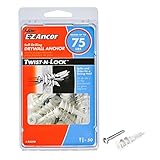
| Self-Drilling Plastic (e.g., E-Z Ancor) | Lightweight items (small frames, decoders) | Easy install, no pilot hole needed (usually) | Low weight capacity, can strip easily, brittle | Okay for the lightest loads, but I usually skip them. |
| Wedge Plastic (e.g., Ramset, Tapcon – though some are metal) | Light to medium-light loads (small shelves, light fixtures) | Common, cheap, relatively easy to install | Can crack, rely heavily on drywall integrity, limited holding | Acceptable for very light duty if you’re careful. |
| Toggle Bolts (Metal) | Medium to heavy loads (cabinets, large TVs, heavy shelves) | Excellent holding power, distributes weight well, reliable | Requires larger hole, can be tricky to install if wings don’t deploy | My go-to for anything I don’t want falling. Worth the extra effort. |
| Molly Bolts (Metal) | Medium to heavy loads (mirrors, curtain rods, heavier shelves) | Strong hold, good for direct screw application | Can be hard to remove, sleeve can spin if not installed right | Very good option, often easier than toggles for smaller holes. |
| Screw-In Metal Drywall Anchors (e.g., Toggler SNAPs) | Medium loads (medium shelves, large picture frames) | Stronger than plastic, easier than toggles for some users | Still reliant on drywall integrity, medium capacity | A good upgrade from plastic for medium-duty tasks. |
When looking at metal anchors, check the material. Zinc-plated is standard, but if you’re in a damp area, go for stainless steel. Always check the specific wall type the anchor is designed for – drywall, plaster, concrete, brick. A drywall anchor won’t work in concrete, and vice-versa. The hole size is also important. Toggle bolts need a bigger hole than most plastic anchors, so have the right drill bit ready.
Don’t just blindly trust the weight rating. If the drywall feels soft or crumbly, reduce the rating by at least half, or better yet, try to find a stud. This is where many people mess up – they assume the number on the package is gospel and ignore the condition of their wall. I once bought a set of anchors that claimed to hold 150 lbs. I used them for a relatively light TV mount, and they failed spectacularly within a month. Turns out, the drywall in that section was older and had been damaged previously. Lesson learned: the wall matters just as much as the anchor.
Common Mistakes and Practical Tips
The number one mistake, which I’ve already confessed to, is using the wrong anchor for the job, usually opting for cheap plastic when something more substantial is needed. This leads to things falling, damage, and wasted money replacing both the anchor and the item it failed to hold. Another big one is not finding a wall stud when possible. Metal studs or wood studs are always the strongest place to hang something. If you can hit a stud, you often don’t need an anchor at all. A good stud finder is an invaluable tool for any homeowner or renter.
Over-tightening is another common pitfall, especially with plastic anchors, but it can also happen with some metal ones. With plastic, it strips the threads or cracks the anchor. With some metal anchors, it can strip the threads in the anchor itself or damage the drywall. Tighten until you feel firm resistance, but don’t force it with all your might. If it feels like it’s spinning freely after initial resistance, stop and re-evaluate.
Here’s a practical tip: If you’re hanging something with multiple anchor points, like a shelf or a TV mount, space them out as much as possible to distribute the weight. And always, always, always pre-drill the correct size hole for your anchor. Too small and you’ll struggle to insert it, potentially damaging the anchor or the wall. Too large and the anchor won’t have enough material to grip effectively. The packaging usually specifies the drill bit size required. (See Also: Can Anchors In Your Shoulder Break )
Finally, consider the material the anchor is going into. Drywall is different from plaster, which is different from concrete block. Always read the packaging to make sure the anchor is rated for your specific wall type. I once tried to use a standard drywall anchor in a plaster wall, and it just crumbled the plaster into dust. You live and learn, right? My mistake cost me about $20 in plaster patching compound and a Saturday afternoon I could have spent doing something else.
People Also Ask
Can You Reuse Metal Wall Anchors?
Generally, no. While some metal anchors might look reusable, their expanding or toggling mechanism is designed to work best the first time. Reusing them can compromise their integrity, meaning they won’t hold as securely. It’s always safer and more reliable to use a fresh anchor for each installation, especially for anything heavy or valuable.
What Is the Strongest Wall Anchor?
For drywall, the strongest anchors are typically toggle bolts or heavy-duty molly bolts because they use the space behind the wall for support. For concrete or brick, specialized concrete anchors or sleeve anchors are significantly stronger. The absolute strongest method is always to screw directly into a solid wood or metal wall stud.
How Much Weight Can a Toggle Bolt Hold?
This varies greatly depending on the size of the toggle bolt and the condition of the drywall. However, a medium-sized toggle bolt (around 1/8-inch diameter) installed in good quality drywall can often hold anywhere from 50 to 150 pounds. Always check the manufacturer’s weight rating, but be aware that real-world conditions can reduce this capacity.
What Is the Difference Between a Molly Bolt and a Toggle Bolt?
Both molly bolts and toggle bolts are strong metal anchors that work by expanding behind the wall. Toggle bolts have a hinged ‘wing’ that flips open, distributing weight over a larger area. Molly bolts use a metal sleeve that expands and often has fins or ridges to grip the wall cavity. Toggle bolts generally offer a wider spread of support, while molly bolts can be good for more direct screw application.
Can Plastic Anchors Hold a TV?
Absolutely not. Standard plastic anchors are not designed to hold the weight of a TV, which is significant and subject to dynamic forces (like vibration). You need heavy-duty metal anchors, like toggle bolts, and ideally, you should be mounting the TV bracket directly into wall studs for maximum safety and reliability.
Verdict
So, to directly answer the question: are metal wall anchors better than plastic? For almost anything you care about not falling on your floor, yes. Plastic anchors are fine for a lightweight poster or a calendar, but anything more substantial demands metal. The added cost of a good metal anchor, like a toggle bolt, is minimal compared to the potential damage and frustration of a failed plastic one. I’ve wasted more money replacing cheap anchors and repairing drywall than I care to admit, so trust me on this.
The key takeaway is to match the anchor to the load and the wall. Don’t be fooled by fancy packaging or inflated weight ratings. If in doubt, over-engineer it with a solid metal anchor and, if at all possible, aim for a wall stud. Your belongings, and your walls, will thank you for it.
Next time you’re hanging something, take an extra minute to grab the right anchor. It’s a small step that makes a huge difference in how securely your items stay put.