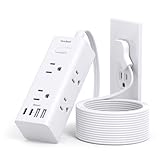
I remember staring at a tangled mess of cords behind my workbench, a graveyard of cheap plastic and burnt-out dreams. I’d bought them all – the super-duty ones for a single drill, the weatherproof ones that warped in the sun, the ridiculously long ones that were a tripping hazard in my garage. It got me thinking, are there environmentally any safe extension cords out there? Or are we all just contributing to a growing pile of e-waste with every power-hungry gadget we plug in?
The truth is, most extension cords are made from materials that aren’t exactly kind to the planet. Think PVC, heavy metals, and manufacturing processes that can be pretty dirty. But that doesn’t mean we’re stuck with a bad situation.
The Truth About Extension Cord Materials
Let’s cut to the chase. When we talk about whether there are environmentally any safe extension cords, we’re really talking about two main things: the materials they’re made from and how they’re manufactured. Most standard extension cords use polyvinyl chloride (PVC) for their outer jacket.
Now, PVC isn’t inherently evil, but its production involves chlorine, which can lead to dioxins, some seriously nasty stuff. Plus, when PVC eventually dies – which, let’s be honest, is usually sooner rather than later with cheaper cords – it’s a pain to recycle and can leach chemicals into the ground if it ends up in a landfill. Heavy metals are also a concern in some older or cheaper cords, especially in the connectors and internal wiring, which are definitely not good for the environment when they’re discarded.
Then there’s the insulation inside. Often, it’s just more PVC or other plastics that aren’t biodegradable. The copper wiring itself is generally recyclable, which is a plus, but getting it out of the plastic shroud isn’t always straightforward or economical. The manufacturing process for these cords can also be energy-intensive and may involve solvents that aren’t exactly eco-friendly. I once bought a cord that smelled like a chemical factory for weeks, and that feeling of ‘what am I breathing in?’ never really left me. It made me realize that just because something is functional doesn’t mean it’s responsible.
So, what are the alternatives? Some manufacturers are starting to explore more eco-conscious materials. You might see cords made with thermoplastic elastomer (TPE) or even recycled plastics. TPE is generally considered more environmentally friendly than PVC because it’s often free of phthalates and chlorine, and it can be more easily recycled.
It’s also typically more flexible and durable in a wider range of temperatures, which is a bonus. Recycled plastics, obviously, reduce the demand for virgin materials and divert waste from landfills.
However, finding high-quality, certified eco-friendly cords can be a bit of a treasure hunt. Many of the options marketed as ‘green’ are still using some form of plastic, just a ‘better’ one. It’s a spectrum, not a black and white issue.
It’s also worth considering the lifespan of a cord. A cord that lasts five years, even if made with less-than-ideal materials, might be more environmentally sound in the long run than a ‘greener’ cord that fails after one season and needs to be replaced. Durability is a huge, often overlooked, factor in sustainability. Think about it: how many times have you replaced an extension cord because the plug prongs bent, or the wire frayed? That’s a lot of plastic and metal ending up in the bin.
What to Look for (and What to Avoid)
When you’re trying to figure out if there are environmentally any safe extension cords, you need to be a bit of a detective. First off, look for cords that explicitly state they are PVC-free. This is probably the biggest red flag to avoid. If it doesn’t say anything, assume it’s PVC, especially if it’s a cheap, generic cord. Brands that are serious about sustainability will often highlight this on their packaging or product descriptions. I’ve seen some outdoor cords marketed as ‘eco-friendly’ that still felt like standard, slightly plasticky fare, so you have to read the fine print. (See Also: Can Extension Cords Short Out )
Next, check the insulation material. While TPE is a good sign, look for certifications if possible. Organizations like UL (Underwriters Laboratories) or ETL (Electrical Testing Laboratories) certify products for safety, but they don’t always certify for environmental impact specifically. However, a UL-listed cord means it meets certain safety standards, which is a baseline we should all be looking for. Beyond that, you might find cords made with recycled content. This is usually clearly stated. For example, a jacket made from ‘X% recycled plastic’ is a good indicator.
Think about the gauge of the wire. A heavier gauge (lower AWG number, like 12 or 10) means the wire is thicker, can handle more power, and generally lasts longer. While not directly an environmental feature, a solid cord that doesn’t overheat or fray easily will have a longer lifespan, meaning you replace it less often. A thin, flimsy cord might seem cheap upfront, but it’s often less durable and more prone to damage, leading to premature replacement.
I made this mistake years ago buying a super thin cord for a tool that drew a lot of power. It got warm, felt flimsy, and I worried about it all the time. Replacing it with a proper 12-gauge cord was a big deal, not just for safety but for peace of mind.
It lasted for ages.
What to avoid? Anything that feels overly cheap and plasticky, has a strong chemical odor, or doesn’t clearly state its materials. Generic, unbranded cords found in discount bins are often the least environmentally friendly, as they prioritize cost over material quality and manufacturing standards. Also, steer clear of cords that claim to be ‘all-weather’ but feel brittle or stiff in cold temperatures, as this indicates poor material choices that won’t hold up over time and are likely made with less sustainable plastics.
Here’s a quick breakdown of what to look for:
| Material Feature | Good Sign | Bad Sign | Verdict |
|---|---|---|---|
| Outer Jacket | PVC-Free, TPE, Recycled Content | PVC | Avoid PVC at all costs if eco-friendliness is a concern. |
| Insulation | Clearly stated, non-toxic compounds | Unspecified plastic | Look for transparency in what’s used inside. |
| Gauge (AWG) | Lower numbers (10, 12, 14) for durability | Higher numbers (16, 18) for light duty only | Thicker gauge means longer life, less frequent replacement. |
| Certifications | UL, ETL Listed (for safety) | No certifications | Safety is a must, but look for eco-claims alongside. |
| Odor | No strong chemical smell | Persistent chemical odor | A strong smell is a red flag for material quality and safety. |
Common Mistakes When Buying Extension Cords
One of the biggest mistakes people make, and I’ve been guilty of this, is buying the cheapest cord available without considering its longevity or material makeup. You see a 50-foot cord for $10 and think you’re getting a deal. What you’re actually getting is likely a cord made with low-grade PVC and minimal copper, which will probably need replacing within a year or two, especially if it’s used outdoors or for anything demanding. This creates more waste and is, in the long run, more expensive and environmentally damaging than buying one decent, longer-lasting cord.
Another common error is buying the wrong gauge for the job. People often grab a light-duty cord (16-gauge) for power tools, heaters, or anything that draws significant amperage. This not only risks overheating and creating a fire hazard but also means the cord will likely fail prematurely under the strain. A cord that’s constantly overloaded will degrade faster, leading to more frequent replacements. It’s like using a garden hose to put out a house fire – it’s just not built for the task, and it shows.
People also tend to overlook the importance of the connectors. Cheaply made plugs can have prongs that bend or break easily, or they might not make a solid connection. A loose connection can cause arcing, which is dangerous and can damage the connected appliance. Good quality, well-made connectors, often found on heavier-duty or more reputable-brand cords, are more durable and contribute to a safer, longer-lasting setup. I had a plug once where the prongs were so soft they bent just trying to push it into an outlet. That thing was garbage from the start. (See Also: Can Extension Cords Be Use With Electric Heaters )
Finally, many folks don’t consider the intended use. An indoor cord might not have the UV protection or water resistance needed for outdoor use, leading to premature degradation and replacement. Conversely, an outdoor-rated cord might be overkill and more expensive for indoor use. However, if your goal is environmentally conscious purchasing, sometimes opting for a solid outdoor-rated cord that’s PVC-free might be a good compromise, as it’s built to withstand more abuse and last longer, even if used indoors. It’s about finding that balance between intended function and material integrity. People also sometimes forget that ‘weatherproof’ doesn’t mean ‘submersible,’ and you still need to be careful where you place your cords.
Are There Environmentally Any Safe Extension Cords for Outdoor Use?
Yes, there are more environmentally friendly options for outdoor use emerging. Look for cords explicitly labeled as ‘outdoor rated’ that are also PVC-free and made with materials like TPE. These are designed to withstand UV exposure, moisture, and temperature fluctuations better than indoor cords. While ‘eco-friendly’ isn’t a standardized term, a PVC-free, durable outdoor cord will generally be a safer bet for the environment than a standard PVC model.
Real-World Use and Durability Factors
I’ve put a lot of extension cords through their paces over the years, from running power tools in the yard to powering Christmas lights, and even as temporary power solutions in my garage workshop. The ones that have lasted, and that I feel reasonably good about having in my arsenal, are the ones that are built like little tanks.
This usually means a heavier gauge wire and solid, well-molded connectors. For example, I have a 50-foot 12-gauge cord that’s probably 15 years old.
It’s not PVC-free, unfortunately, but it’s been through hell – run over by the mower (oops), left out in the rain more times than I care to admit, and used for everything from a circular saw to a heavy-duty shop vac. It still works perfectly.
That longevity is a form of environmental responsibility in itself, because it hasn’t been replaced multiple times.
When we talk about environmentally safe extension cords, we need to consider the entire lifecycle. A cord that lasts 20 years, even if its materials aren’t perfect, might have a lower overall environmental impact than a cord marketed as ‘green’ that falls apart after two years. The energy and resources required to manufacture and transport a replacement cord add up. So, durability is a huge factor. Look for cords with reinforced plug prongs, thick, flexible jackets that don’t crack or kink easily, and strain relief where the cord enters the plug. These features might seem minor, but they drastically increase the lifespan of the cord.
I’ve also found that storage plays a role. Improperly coiled or stored cords can develop kinks and internal breaks in the wires, leading to failure. A cord that you can coil up neatly without it fighting back, and that feels substantial in your hands, is usually a sign of better construction and materials that will stand up to use and storage. I’m not saying you should baby your extension cords, but taking a moment to coil them properly can save you money and waste down the line. A good, sturdy cord feels different – it has a satisfying heft and the jacket has a smooth, solid feel, not a cheap, slippery plastic texture.
For those looking for a truly ‘green’ option, keep an eye out for manufacturers who are transparent about their sourcing and manufacturing processes. Some smaller companies are starting to focus on using recycled materials or more sustainable alternatives to PVC. While these might be more expensive initially, they represent a step in the right direction. It’s a bit of a niche market right now, but it’s growing. I’m still searching for that perfect cord – a genuinely PVC-free, durable, reliable extension cord that I don’t have to worry about. (See Also: Are Outdoor Extension Cords 10 Or 12 Gauge )
A Few Practical Tips for Greener Extension Cord Use
So, how do you make your extension cord usage a bit kinder to the planet? It’s not just about the purchase; it’s also about how you use and care for them. Firstly, buy the right cord for the job. Don’t use a light-duty indoor cord for your lawnmower in the backyard. Get a heavy-duty, outdoor-rated cord with the appropriate gauge to avoid overloading and premature wear. This single step prevents a lot of damage and subsequent waste. I once saw a neighbor’s shed catch fire because they were using a cheap, undersized indoor extension cord to power a heavy-duty outdoor pump. Not worth the risk, and definitely not environmentally sound.
Secondly, store your cords properly. Avoid leaving them out in the elements unless they are specifically rated for it. When you’re done using them, coil them loosely – don’t wrap them tight around a sharp corner or a sharp object, as this can damage the internal wires. Store them in a dry place, away from direct sunlight and extreme temperatures. A well-stored cord lasts longer, meaning you replace it less often, which is a win for your wallet and the environment. I keep all mine on hooks in my garage, coiled loosely, and it makes a big difference.
Thirdly, inspect your cords regularly. Before you plug anything in, give it a quick visual check. Look for any cuts, frays, kinks, or damage to the plug. If you see any signs of wear and tear, it’s time to retire that cord. Don’t try to tape it up or ignore it; damaged cords are a safety hazard and are more likely to fail, leading to replacement. Properly disposing of old cords is also important. While copper is recyclable, separating it from the plastic can be difficult. Check with your local recycling center to see if they accept old extension cords or electronic waste for proper dismantling.
Lastly, consider the length you actually need. While it’s tempting to buy a 100-foot cord “just in case,” excess cord length can be a tripping hazard and can also lead to voltage drop over longer distances, especially with lighter gauge cords. If you only need 20 feet, buy 20 feet. Reducing unnecessary materials and potential hazards is part of a greener approach. It might seem small, but every bit counts when we’re trying to reduce our environmental footprint.
People Also Ask:
What Is the Most Environmentally Friendly Extension Cord?
The most environmentally friendly extension cord would ideally be made from PVC-free materials like TPE or recycled plastics, be manufactured using sustainable energy, and be built for extreme durability to minimize replacement needs. Currently, finding a cord that ticks all these boxes perfectly is challenging, but PVC-free and TPE options are the best available starting points for reducing environmental impact.
Are Plastic Extension Cords Bad for the Environment?
Yes, traditional plastic extension cords, especially those made from PVC (polyvinyl chloride), can be bad for the environment. PVC production can be polluting, and the material itself is not easily biodegradable and can release harmful chemicals when disposed of improperly. The manufacturing process and the eventual disposal of these cords contribute to environmental concerns.
What Materials Are Extension Cords Made of?
Extension cords are typically made of copper wiring for conductivity, insulated with various plastics for protection. The most common insulating and jacket material is PVC. However, more eco-conscious options are emerging that use materials like TPE (thermoplastic elastomer) or incorporate recycled plastics, along with more sustainable manufacturing processes for the plastics and metals involved.
How Can I Tell If an Extension Cord Is Eco-Friendly?
You can tell if an extension cord is more eco-friendly by looking for labels indicating it is PVC-free, made with TPE, or contains recycled materials. Manufacturers serious about sustainability will often highlight these features. Also, consider the cord’s build quality and durability, as a longer-lasting cord reduces waste and the need for replacements, which is an indirect but significant environmental benefit.
Conclusion
So, are there environmentally any safe extension cords? The answer is a qualified yes, but it requires a bit more effort than just grabbing the cheapest option off the shelf. We’re not talking about a perfectly ‘green’ solution that will magically biodegrade in your backyard, but rather a move towards less harmful materials and more durable products.
The key is to actively seek out cords that are PVC-free, preferably made from TPE or recycled content. Pay attention to build quality – a cord that lasts longer is inherently more environmentally responsible than one that needs constant replacement. It’s about making informed choices and understanding that ‘eco-friendly’ is often a spectrum, not a binary state.
Next time you need a cord, take a moment to check the materials, consider the gauge for the job, and think about how you’ll store it. Your wallet and the planet will thank you for it. It’s a small change, but collectively, these choices add up to a cleaner future.