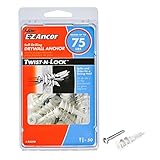
I remember the first deck I ever helped build. My dad swore by these shiny, silver-looking anchors. ‘Best for everything,’ he’d say. Fast forward a few years, and I’m staring at a deck railing that’s starting to wobble like a drunk sailor. Turns out, those ‘best for everything’ anchors weren’t so great after all, especially when paired with treated lumber. It’s a common mistake, and a costly one if you ask me. So, let’s get real about whether are zinc coated anchors good for treated wood and what you should actually be using.
This whole treated wood thing is a minefield if you don’t know what you’re looking at. The chemicals designed to keep your wood from rotting can actually be pretty aggressive towards certain metals. I’ve seen perfectly good anchors corrode into dust faster than you can say ‘splinter’. It’s not just about looks; it’s about the structural integrity of whatever you’re building.
The Chemical Cocktail: Why Treated Wood Hates Some Metals
Alright, let’s cut to the chase. Treated wood, particularly the stuff rated for ground contact or heavy outdoor exposure, has chemicals in it. Historically, this was chromated copper arsenate (CCA), but that’s mostly out for residential use now. Modern treatments, like alkaline copper quaternary (ACQ) and copper azole (CA), use copper as the main preservative. Sounds harmless, right? Not exactly. Copper reacts with other metals, and it’s especially aggressive when it’s constantly wet, which is exactly what happens outdoors, often with rain and dew. This reaction is called galvanic corrosion. Think of it like a tiny battery forming between two different metals when they’re in contact with an electrolyte – in this case, the moisture and chemicals in the wood.
So, what does this mean for your anchors? Zinc, as in zinc-coated or galvanized anchors, is a softer metal than steel. When it’s in contact with copper in treated wood, the zinc acts as a sacrificial anode.
It corrodes first, protecting the steel anchor underneath. This sounds good in theory, but the problem with standard zinc-coated fasteners, especially in aggressive environments like treated wood, is that the zinc layer is often too thin.
It gets eaten away way too quickly. I’ve pulled out lag bolts that looked like they’d been through a sandblaster after just five years.
The zinc coating was gone, and the underlying steel was starting to pit and rust. It’s not a matter of ‘if’ it will corrode, but ‘when’, and how badly.
The biggest issue I’ve seen, and what many DIYers miss, is the rating of the galvanization. There are different levels. For treated wood, you need something rated for severe or very severe corrosive environments. A standard hot-dip galvanized (HDG) coating, which is usually thicker, is better than electro-galvanized (EG) coatings, which are thinner and applied via an electrical process.
But even HDG might not be enough for all treated wood applications, especially if you’re near salt water or in a climate with constant dampness. The copper in the wood is the real troublemaker, and it’s unforgiving to less solid coatings.
It’s why I always double-check the specs before buying anything, and I’ve learned to be very suspicious of the cheapest options. They often cut corners on the coating thickness, which is precisely where you need the most protection.
What to Look for: Beyond the Shiny Coating
When you’re choosing fasteners for treated lumber, ‘zinc coated’ is often just the starting point, and frankly, it can be a misleading one. The important factor is the type and thickness of the coating, and whether it’s specifically designed to handle the chemicals in treated wood. The industry standard for fasteners used in treated wood is often called ACQ-compatible or corrosion-resistant. This usually means hot-dip galvanizing with a specific minimum weight of zinc per square foot (often ASTM A153 specification). This is significantly thicker than your average electro-galvanized screw or bolt you might find in a general hardware bin. (See Also: Can Concrete Anchors Be Used In Brick )
I learned this the hard way when I was building a raised garden bed for my wife. Used what I thought were decent galvanized lag screws.
A year later, the wood was still solid, but the screws looked terrible. Pitted, flaky, and starting to show rust. My neighbor, who’s a contractor, took one look and just shook his head.
He explained that the newer treated lumber (he called it ‘hot-dipped compatible’) needs fasteners that can stand up to the copper-rich environment. He pointed me towards specific brands and types. He said, ‘Look for the ones that say they’re made for treated lumber, and if it’s not obvious, ask. They’ll have a much thicker coating, or they’ll be made of a more resistant material altogether.’
That’s when I started noticing the packaging specifically mentioning compatibility with ACQ, CA, or other treated wood formulations.
Another option, and often the best, is stainless steel. Specifically, 304-grade stainless steel is generally recommended for treated wood. It’s more expensive, no doubt about it. I remember pricing out stainless steel lag bolts for a deck railing project and nearly falling over.
It felt like a huge jump from the $3 a box of galvanized ones. But I watched a guy who’d used regular galvanized fasteners on his dock – after about 8 years, it was starting to look like a rust disaster, and he had to replace half the hardware. The stainless steel fasteners I used on my own deck, which is exposed to sea air and rain, still look as good as the day I put them in, after 10 years. The initial cost is higher, but the longevity and peace of mind are absolutely worth it.
It’s about balancing upfront cost with long-term performance. For anything structural, or anything you can’t easily replace later, stainless steel is my go-to now.
What to Look for in Fasteners for Treated Wood
| Fastener Type | Pros for Treated Wood | Cons for Treated Wood | My Verdict |
|---|---|---|---|
| Standard Electro-Galvanized (EG) | Cheap, readily available. | Thin coating, corrodes quickly in treated wood. NOT recommended. | Avoid like the plague. A false economy. |
| Hot-Dip Galvanized (HDG) – Standard | Thicker coating than EG, better corrosion resistance. | Can still corrode over time in aggressive treated wood. Check rating. | Okay for less demanding applications, but I’d still be wary. |
| Hot-Dip Galvanized (HDG) – Heavy Duty / ACQ-Compatible | Thicker, solid coating designed for treated wood. | More expensive than standard EG/HDG. | A decent option if stainless is out of budget. Make sure it’s rated correctly. |
| Stainless Steel (304 Grade) | Excellent corrosion resistance, very durable. Looks good. | Most expensive option. | The gold standard. Worth every penny for longevity and structural integrity. |
| Specialty Coated Fasteners | Often proprietary coatings designed for specific environments. | Can be hard to find, may be expensive, performance varies by brand. | Research thoroughly. Some are great, others are just marketing. |
Common Mistakes and Why They Happen
The biggest mistake I see, and frankly, one I made myself early on, is assuming ‘galvanized’ means ‘safe for treated wood’. It’s a dangerous oversimplification. Most people grab whatever galvanized screws or nails are on sale at the big box store, thinking they’re covered. They’re not. The electro-galvanized stuff, which is super common and cheap, has a very thin layer of zinc. It’s meant for indoor use or mild outdoor exposure, not for a chemical bath like treated lumber.
I once tried to save money on a fence post project. I used what I thought were good quality galvanized post anchors. Within three years, the posts were wobbly, and when I pulled one out, the anchor was practically disintegrated. The zinc was gone, and the steel had rusted so badly it looked like a corroded sponge. It was a mess. I had to dig up and replace all the posts. That little bit of money I saved upfront cost me triple in time and materials later. It’s a classic case of ‘buy cheap, buy twice’. And honestly, when it comes to structural elements like decks, fences, or pergolas, ‘buying twice’ can mean a serious safety hazard.
Another common slip-up is not considering the type of treated wood. While ACQ and CA are the most common now, older CCA-treated wood can be even more aggressive. Also, if you’re building something near the coast, or in an area with high humidity and salt spray, the corrosive environment is amplified. You might get away with heavy-duty galvanized fasteners in a dry inland climate, but they’ll likely fail much faster in a marine environment. (See Also: Can Cords Be Used To Make Anchors Climbing )
It’s like trying to use a regular umbrella in a hurricane – it’s just not designed for that level of stress. People often forget that the environment plays a huge role in fastener longevity. They see ‘treated wood’ and think one solution fits all, but that’s rarely the case in reality.
When Zinc Coated Anchors Fail Prematurely
The failure isn’t usually sudden and catastrophic, at least not at first. It’s more of a slow, insidious decay. You’ll start to see rust streaks running from the fastener head down the wood.
Then, the area around the fastener might start to look discolored or slightly degraded. As the corrosion progresses, the fastener loses its holding power. The zinc coating is gone, and the steel is actively rusting and expanding, which can even split the wood around it.
Eventually, the fastener can weaken to the point where it can no longer support the load, leading to structural failure. This is why it’s so important to use the right materials from the start. A little bit of foresight saves a lot of heartache (and money) down the road.
Real-World Applications: Where They Work (and Where They Don’t)
So, let’s talk brass tacks. Are zinc-coated anchors ever good for treated wood? The answer is a qualified ‘yes’, but with significant caveats. For very light-duty applications, where structural integrity isn’t most important and the lifespan expectation is shorter, a thicker, hot-dip galvanized (HDG) fastener might suffice. Think about temporary structures, or perhaps a simple planter box that you don’t expect to last more than 5-7 years. Even then, I’d lean towards a heavy-duty HDG rating specifically designed for ACQ or CA treated lumber.
I had a friend who built a temporary dog kennel frame using standard galvanized hardware and treated posts. He figured it would only last a few years before he tore it down. He was right. After about four years, the hardware was visibly corroded, and the frame was starting to sag. He took it down as planned, so no structural failure occurred, but it was a clear demonstration of the limitations. If he’d wanted that kennel to last 15-20 years, he would have been sorely disappointed with those standard galvanized anchors.
However, for anything that carries a load, needs to last for decades, or is a safety concern – like deck joists, railing supports, structural beams, or even fence posts that you want to stand for a long time – I wouldn’t touch standard zinc-coated fasteners. That’s where you absolutely need to step up to heavy-duty hot-dip galvanized (HDG) rated for treated wood, or better yet, 304-grade stainless steel. I built a pergola last year, and for the main support beams, I splurged on stainless steel lag bolts. The cost difference was noticeable, but seeing those massive beams securely fastened with hardware that looks like it just came off the shelf, even after a full season of rain and sun, gives me a lot of confidence.
It’s the difference between building something that might last a few years and building something that will stand for generations. The choice often comes down to your budget versus your patience for future repairs and replacements.
When to Consider Zinc-Coated Anchors for Treated Wood
- Light-Duty, Temporary Structures: For items that you don’t expect to be permanent or bear significant weight.
- Short Lifespan Expectations: If you’re okay with replacing hardware within 5-10 years.
- Non-Structural Elements: Attaching trim pieces or decorative elements where failure won’t compromise safety.
- Budget Constraints (with caution): If budget is extremely tight, opt for the thickest, highest-rated HDG fasteners available, but understand the risks.
The Best Alternatives and Practical Tips
When you’re dealing with treated lumber, the conversation about ‘are zinc coated anchors good for treated wood’ often leads to better alternatives. The undisputed champion for longevity and corrosion resistance in treated wood is 304-grade stainless steel. I’ve already waxed lyrical about its benefits, but it’s worth reiterating: it won’t rust, it won’t corrode, and it will hold strong for decades, even in harsh environments.
Yes, it’s the most expensive upfront, but when you factor in replacement costs and the potential for failure with cheaper options, it often comes out ahead in the long run. I spent around $180 for stainless steel lag screws and washers for my deck framing, which felt like a lot compared to the $50 I would have spent on basic galvanized. But that deck is my main outdoor living space, and I don’t want to worry about its structural integrity. (See Also: Can Anchors In Your Shoulder Break )
Beyond stainless steel, there are specialty coated fasteners. Brands like TimberLOK or GRK Fasteners offer screws with advanced coatings specifically designed for treated lumber and corrosive environments. These coatings are often proprietary and can be quite effective. They are usually more expensive than standard galvanized but less than stainless steel. I’ve used a few different brands of these specialized screws for attaching deck boards and railing posts, and they’ve held up well. They often have a unique thread design that makes installation easier and provides a stronger grip, which is a nice bonus. The key is to make sure the product explicitly states compatibility with ACQ/CA treated lumber or is rated for severe corrosive conditions.
Here are a few practical tips I’ve picked up:
- Read the Packaging religiously: Don’t just grab the ‘galvanized’ box. Look for labels that say ‘ACQ Compatible’, ‘Treated Lumber Fasteners’, ‘Corrosion Resistant’, or ‘For Ground Contact’. If it doesn’t say anything specific, assume it’s not suitable.
- When in doubt, Ask: Go to a reputable hardware store or lumberyard and ask the staff. They usually know which fasteners are best for treated wood.
- Consider the Environment: Is your project near the coast? Is it in a consistently damp area? The harsher the environment, the more corrosion-resistant your fasteners need to be.
- Drill Pilot Holes: Especially with harder woods and larger fasteners, drilling pilot holes prevents splitting and makes installation easier. This is true for all fasteners, but especially important when you’re using more expensive materials like stainless steel.
- Use the Right Tools: For lag bolts and structural screws, a good impact driver or a powerful drill makes the job much quicker and less strenuous. It also helps you drive the fasteners straight.
A Quick Cheat Sheet for Fastener Choices
Here’s a simplified way to think about it:
- Best Bet (Long-term, High Load): 304 Stainless Steel.
- Good Alternative (Balanced Cost/Performance): Heavy-Duty Hot-Dip Galvanized (HDG) rated for ACQ/CA lumber, or Specialty Coated Fasteners explicitly for treated wood.
- Risky / Short-Term: Standard Hot-Dip Galvanized (HDG) without specific rating.
- Avoid Completely: Standard Electro-Galvanized (EG).
It boils down to this: you’re investing in your project’s longevity and safety. Don’t let cheap fasteners undermine all your hard work. I’ve seen too many DIY projects fail prematurely because of this one overlooked detail.
Frequently Asked Questions About Anchors for Treated Wood
What Is the Main Problem with Using Regular Zinc-Coated Anchors in Treated Wood?
The primary issue is galvanic corrosion. The copper compounds in treated wood react with the zinc coating and the steel anchor, especially when moisture is present. This reaction causes the zinc to corrode much faster than it would in a non-treated environment, exposing the steel anchor to rust and weakening its integrity.
How Can I Tell If a Fastener Is Safe for Treated Wood?
Look for packaging that explicitly states ‘ACQ Compatible’, ‘Treated Lumber Fasteners’, ‘Corrosion Resistant’, or is rated for severe or very severe corrosive environments. Standard ‘galvanized’ labels are often insufficient. Heavy-duty hot-dip galvanized (HDG) with a specific coating weight or fasteners made of 304-grade stainless steel are generally recommended.
Are Galvanized Screws Bad for Decks Made with Treated Lumber?
Standard galvanized screws, especially electro-galvanized ones with thin coatings, are generally not recommended for decks made with treated lumber. They can corrode quickly, leading to rust stains and a significant reduction in holding power over time, potentially compromising the deck’s structural integrity. Heavy-duty HDG or stainless steel is a much safer bet.
How Long Do Zinc-Coated Anchors Last in Treated Wood?
The lifespan of standard zinc-coated anchors in treated wood is highly variable and often disappointingly short. In aggressive environments or with newer treated lumber formulations, they might only last 3-7 years before significant corrosion and weakening occur. Heavy-duty galvanized or stainless steel fasteners will last considerably longer.
Should I Use Stainless Steel Anchors Instead of Zinc-Coated Ones for Treated Wood?
For most applications involving treated wood, especially structural elements or projects where longevity is desired, stainless steel anchors (specifically 304-grade) are a superior choice. While more expensive upfront, their excellent corrosion resistance makes sure a much longer lifespan and greater structural security compared to zinc-coated alternatives.
Final Thoughts
So, to circle back to the main question: are zinc coated anchors good for treated wood? The honest answer is: usually not the standard ones you find readily available. While the idea of a protective zinc coating sounds good, the reality of modern treated lumber’s chemical makeup means standard zinc coatings just don’t cut it for long-term durability and safety. I’ve learned the hard way that skimping on fasteners for treated wood projects is a false economy that leads to premature failure and costly repairs.
My advice is clear: always opt for fasteners specifically rated for treated lumber. This typically means heavy-duty hot-dip galvanized (HDG) with a solid coating, or, for the best long-term performance and peace of mind, 304-grade stainless steel. Don’t get caught out by misleading packaging or the allure of a lower price tag. Your project deserves hardware that will stand the test of time and the elements.
Before you buy any anchors or screws for your next treated wood project, take a few extra minutes to check the packaging, ask a knowledgeable salesperson, and consider the environment your project will be in. It’s a small step that makes a massive difference in the final outcome and the lifespan of your build.