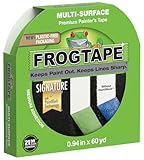
I’ve lost count of the times I’ve stood in front of my entertainment center, a spaghetti junction of wires, and thought, “There’s got to be a better way than just shoving it all behind the TV.” Then there are the times I’ve tripped over a rogue cable snaking across the floor. It’s infuriating. So, a question that pops up more often than you’d think is: can blue painters tape be used to tape down cords? I’ve definitely reached for it in a pinch, and let me tell you, the answer isn’t a simple yes or no. It’s more of a “well, it depends on what you’re trying to achieve and how much you hate your furniture.”
This stuff is everywhere, cheap, and seemingly harmless. But when it comes to keeping things tidy and safe, especially around sensitive electronics or high-traffic areas, you need to know what you’re dealing with. It’s not just about sticking something down; it’s about whether it’ll stay, what it’ll do to your surfaces, and if it’s actually a good idea in the first place.
Why You Might Be Thinking About Blue Tape for Cords
Look, we’ve all been there. You’ve just set up a new gaming console, a home theater system, or even just a few extra lamps for the holidays. Suddenly, your living room looks like an octopus had a fight with a cable factory. The impulse is to grab the nearest roll of tape, and for many of us, that’s the familiar blue roll of painters tape sitting in the garage or a junk drawer. It’s ubiquitous. It’s cheap. And it feels like it should work, right? It holds paper to walls for painting, it’s supposed to be low-tack, so it shouldn’t damage surfaces.
The promise of painters tape is that it’s a temporary solution. You put it down, it holds things, and then you peel it off without leaving behind that sticky, gummy residue that’s a nightmare to clean. This is especially appealing when you’re dealing with temporary setups, like for a party, a weekend project, or even just trying to keep cables out of the way of a mischievous pet or a crawling baby for a few days.
It feels like a quick, dirty, and effective way to manage that cable chaos. You see it used for all sorts of DIY fixes and temporary organization tasks, so extending that to cords seems logical. Plus, the sheer availability is a huge draw. You don’t need to run to a special store; chances are, you already have it on hand.
This accessibility is what makes the question of whether you can use it to tape down cords so common.
The reality is, many people do use it, and sometimes it works out just fine. I’ve used it myself for short-term cable management, like taping down a power strip cord along the baseboard during a holiday party. It kept it from being a tripping hazard for a few hours, and when I peeled it off, the paint was still on the wall. Success? Sort of. But what about longer-term solutions? What about delicate surfaces? That’s where things get a bit more complicated, and where the “why” behind the question really starts to matter for a more permanent fix.
The Honest Truth: Will It Actually Hold Cords?
Alright, let’s cut to the chase. Can blue painters tape be used to tape down cords? Yes, in a pinch, for a short duration, on some surfaces. But is it the best tool for the job? Absolutely not, and here’s why. The main issue is adhesion and longevity. Painters tape is designed to adhere gently to surfaces and then release cleanly. This is fantastic for painting, where you don’t want to rip off your freshly applied primer when you remove the tape. However, when it comes to taping down cords, especially those that might be moved, bumped, or subjected to temperature changes, that gentle adhesion becomes a problem.
Think about the forces involved. A cord has a certain weight, and it wants to spring back to its natural shape. When you tape it down, you’re fighting that natural tendency. Blue painters tape, especially the standard variety, just doesn’t have the aggressive sticking power needed for long-term cord management.
It’s likely to peel up at the edges within a day or two, or even sooner if the cord is disturbed. I remember trying to tape down a network cable along a wall where people frequently walked. Within 24 hours, the tape had started to lift, and the cable was already threatening to become a tripping hazard again. It was basically a constant battle of re-sticking, which defeats the whole purpose of a tidy solution.
The other major factor is the surface you’re taping to. While painters tape is supposed to be safe for most surfaces, I’ve had it leave residue on some painted walls, especially if the paint is older or of a lower quality. It’s a gamble.
On hardwood floors, it’s even less reliable. The textured surface of wood can prevent a good seal, and the tape can lift dust and debris, which then sticks to the adhesive, rendering it useless. I once tried taping a power cord to the underside of my desk, which has a nice smooth laminate finish. (See Also: Does Painters Tape Pull Off Paint )
Within a week, the tape had lost all its grip, and one side had just peeled away completely, leaving a sticky mess on the desk. Not ideal. So, while technically you can use it, for anything beyond a few hours or a very light-duty, low-traffic situation, you’re probably setting yourself up for frustration.
What to Look for in Cord Management Tape (and Why Blue Tape Falls Short)
So, if blue painters tape isn’t ideal, what should you be looking for when you need to tape down cords? It boils down to a few key features that painters tape simply doesn’t provide for this specific task. First and foremost is stronger adhesion. You need tape that’s designed to create a lasting bond, something that won’t give up the ghost after a day or two of minor vibrations or temperature fluctuations. This doesn’t necessarily mean industrial-strength duct tape, which can be overkill and leave terrible residue. Think along the lines of electrical tape or specialized cord management tapes.
Electrical tape is a good starting point for many people. It’s designed to be flexible, somewhat resistant to abrasion, and it adheres reasonably well. It’s also often available in different colors, which can help with organization. However, even electrical tape can leave a sticky residue if left on for extended periods or removed carelessly, especially on painted surfaces.
Another option, and one I’ve come to appreciate, is double-sided carpet tape or heavy-duty mounting tape. These are designed for serious sticking power. Carpet tape, in particular, has a very aggressive adhesive on both sides and is great for securing things to floors or walls. The downside?
It can be a nightmare to remove and may very well pull paint or even damage the surface underneath if you’re not careful. You need to weigh the need for security against the potential for surface damage.
Then there are products specifically designed for cord management. Brands make adhesive cable clips, velcro straps, and even specialized tapes that promise strong adhesion without damaging surfaces. These are often worth the extra few bucks because they’re engineered for the job. They might have a slightly different adhesive formulation or a backing material that’s easier to remove. I recently tried some of these specialized cord wraps, the kind that uses a strong velcro system. They are reusable, they hold tight, and when I repositioned them, they didn’t leave a single mark on my drywall. It’s a different class of solution altogether compared to just slapping on some blue tape.
Here’s a quick rundown of what to consider, and where blue painters tape falls short:
| Feature | Ideal for Cord Management | Blue Painters Tape | Verdict |
|---|---|---|---|
| Adhesion Strength | High, long-lasting | Low to moderate, short-term | Falls short |
| Surface Safety | Depends on product, many options | Generally good for paint, can leave residue | Hit or miss |
| Durability | Resistant to movement, minor abrasion | Low, easily peels and lifts | Falls short |
| Ease of Removal | Varies, some are designed for clean removal | Designed for clean removal, but adhesion failure is common | Okay, but adhesion failure is the issue |
| Cost | Can vary, but many affordable options | Very low | Advantage, but not enough |
The table highlights the core problem: blue painters tape prioritizes easy removal over strong adherence, which is the exact opposite of what you need for securely taping down cords long-term. It’s like using a sticky note to seal an envelope; it might work for a minute, but it’s not a reliable solution.
Real-World Use Cases and Common Mistakes
So, where can you actually use blue painters tape for cords, and what are the common blunders people make? Honestly, the best use case I’ve found for blue painters tape and cords is extremely temporary, in low-traffic areas where you absolutely cannot have a cable presenting a tripping hazard for a few hours. Think of a party setup where you’ve got a long extension cord running from the wall to a DJ booth for the evening. Taping it down along the edge of a rug or a wall might prevent someone from snagging it while they’re dancing. Once the party’s over, you peel it off. That’s it. It’s a single-use, short-duration fix.
Another scenario is when you’re working on something and need to temporarily secure a cable out of the way. For example, if you’re painting a wall and need to tape a power cord for your light or tools out of the wet paint zone. Again, the key is temporary. You’re not expecting it to hold for weeks. I’ve also seen people use it to keep cables bundled together before they even run them. It’s a quick way to stop a bundle from unraveling while you’re routing them behind furniture. But even then, once the bundle is secured with zip ties or velcro straps, the blue tape is usually removed.
The biggest mistake people make is thinking that blue painters tape is a permanent or even semi-permanent solution for cord management. They’ll slap it down on a hardwood floor expecting it to hold a thick power cord for months, and then get frustrated when it peels up or leaves a sticky residue. Another common error is applying it over dirty or dusty surfaces. If you’re trying to tape a cord to the underside of a desk that hasn’t been cleaned in ages, the tape will immediately pick up dust and lose its grip. (See Also: Does Painters Tape Rip Paint Off Walls )
Then there’s the misuse on delicate surfaces. While it’s supposed to be gentle, I’ve seen it lift matte paint finishes or damage old wallpaper. Always, always test a small, inconspicuous area first if you’re worried about surface damage, even with painters tape.
I made the mistake of thinking I could use it to secure the charging cable for my laptop along the baseboard in my home office. I wanted a clean look, and it seemed like a good idea. It worked for about two days. Then, the tape started to curl, and the cable would catch on my foot as I walked by.
I ended up having to peel off the tape, which thankfully came off cleanly, but it left me with the same problem I started with, just with a sticky residue on the baseboard that I then had to clean. It was a wasted effort and a mild annoyance. It taught me that for anything that needs to stay put, you need something with more backbone than blue tape.
Can Blue Painters Tape Damage My Floor?
It’s unlikely to cause permanent damage to most hard flooring like tile or linoleum if removed carefully and promptly. However, on wood floors, especially those with a softer finish or wax coating, there’s a small risk. The adhesive can sometimes pull up a bit of the finish or leave a dull patch if it’s left on for a long time or removed aggressively. For laminate flooring, it’s generally safe, but always test in an inconspicuous area first, as different finishes can react differently.
What About Delicate Electronics?
You absolutely should not use blue painters tape directly on delicate electronic components or their cables if you can avoid it. The adhesive, while low-tack, can leave residue that is difficult to remove from sensitive ports or grilles. Furthermore, if you’re taping a cable to the casing of a device, the tape might interfere with ventilation or pull off a coating if the casing isn’t solid.
Practical Alternatives and Better Solutions
Given the limitations, it’s time to talk about what actually works for keeping cords managed without turning your home into a sticky mess or a tripping hazard. The market has exploded with affordable and effective solutions that make blue painters tape look like a relic from the dark ages of cable management. My personal favorite, and one that requires zero tools and minimal effort, is velcro cable ties or cable wraps. They come in packs of 100 for just a few dollars. You simply wrap them around your bundled cords, and they hold tight. They’re reusable, adjustable, and won’t damage your cords or surfaces.
Another super simple, low-cost option is zip ties. While they aren’t reusable like velcro, they create a very secure bundle. You can cut them off when you need to change things. For a more permanent solution to tape cords down, adhesive cable clips are fantastic. These little plastic or rubber clips stick to the underside of desks, walls, or baseboards, and you thread your cables through them. They provide a clean, organized look and keep cords securely in place. Brands like DMoose or TechFlex offer a variety of styles, from single-clip designs to multi-channel organizers.
If you’re taping something down that absolutely cannot move, like a power strip on a smooth floor or a cable that runs across a high-traffic walkway, then a heavy-duty double-sided tape or carpet tape is your best bet. But be warned: these are industrial-strength. You’ll need to be sure that’s what you want, as removing them can be difficult and may require solvents or scraping. I used a strong mounting tape to secure a cable raceway along a wall, and it’s not going anywhere. But I also know that if I ever need to remove that raceway, it’s going to be a project.
For a cleaner aesthetic, consider cord raceways or cable concealers. These are plastic channels that stick to walls or baseboards, and you tuck your cables inside them. They offer a really professional look and completely hide the wires.
Installation usually involves adhesive backing or screws, so they’re a more involved solution but offer a superior finish. When choosing any adhesive-backed solution, always consider the surface you’re applying it to. A painted wall will behave differently than a varnished wood surface or a piece of plastic. A good rule of thumb is to check the tape or clip manufacturer’s recommendations for surface compatibility.
My experience with a cheap, no-name adhesive clip that promised to stick anywhere resulted in it falling off my painted wall after two weeks, leaving a faint sticky ring. Stick to reputable brands when possible. (See Also: Does Masking Tape Work The Same As Painters Tape )
Here’s a quick comparison of common cord management methods:
| Method | Pros | Cons | Best For |
|---|---|---|---|
| Velcro Cable Ties/Wraps | Reusable, adjustable, affordable, gentle | Can loosen with heavy vibration, not a ‘tape down’ solution | Bundling cords, temporary securing |
| Zip Ties | Secure, cheap, strong | Not reusable, need cutters to remove | Permanent bundling, securing cables out of sight |
| Adhesive Cable Clips | Organized, keeps cords in place, variety of styles | Adhesive strength varies by brand/surface, can fall off | Securing cables along walls/desks |
| Cord Raceways/Concealers | Hides cables completely, professional look | More permanent installation, can be bulky | Long-term aesthetic cable management |
| Heavy-Duty Double-Sided Tape/Carpet Tape | Very strong adhesion, holds things firmly | Can damage surfaces upon removal, difficult to reposition | Securing heavy items, permanent floor routing |
| Blue Painters Tape | Cheap, readily available, designed for clean removal | Weak adhesion, not durable for cords, temporary only | Extremely short-term, low-traffic situations |
The bottom line is, while blue painters tape has its place in DIY and crafting, it’s fundamentally the wrong tool for reliably taping down cords. You’re much better off investing a few dollars in something designed for the job, saving yourself time, frustration, and potential damage.
A Contrarian View: When Blue Tape might Be Your Only Option
Now, I know I’ve been pretty down on blue painters tape for cord management. And for the most part, that opinion stands. But here’s where I’ll play devil’s advocate: sometimes, you’re in a situation where blue painters tape is literally the only adhesive material you have readily available, and you absolutely, positively need to tape down a cord right now. Perhaps you’re at a friend’s house, and you’ve spilled something, and there’s a cord presenting a hazard. You’ve searched their junk drawer and all you find is a roll of blue tape. In that specific, rare instance, is it better than doing nothing?
I’d argue yes. If the alternative is someone tripping and falling, or a pet chewing on a live wire, then yes, slapping on some blue painters tape is the better of two evils. You accept that it’s a temporary fix, you accept that it might leave a slight residue, and you accept that you’ll need to deal with it properly as soon as humanly possible. The key here is managing expectations and understanding the limitations. You’re not aiming for a permanent, aesthetic solution; you’re aiming for immediate hazard mitigation.
I had this happen once when I was helping a friend set up for a small outdoor event. A important power cord was running across a path where people would be walking. We didn’t have any proper tape, just a roll of blue painters tape in the car. We used it to tape the cord down, making sure to press it firmly and overlap the ends.
We knew it wouldn’t last all day, especially with people walking over it, but it bought us several hours of safety. We had a plan to replace it with actual gaffer tape later, which is much stronger for this kind of application, but the blue tape served its immediate purpose. It was a stopgap, a band-aid, but sometimes a band-aid is exactly what you need.
So, while I’ll never recommend it as a primary solution, and I’d still advise against it for any long-term or important cord management, I acknowledge that in a true emergency, with no other options, blue painters tape can serve a very short-term, highly compromised purpose. Just be prepared to remove it and address the situation properly as soon as you can. It’s like using a bent paperclip to fix a broken zipper – it might get you through the day, but it’s not a permanent repair, and you’ll want to get a new zipper installed eventually.
Do I Need Special Tools to Remove Blue Painters Tape?
Generally, no. Blue painters tape is designed for easy removal. In most cases, you can simply peel it off slowly and steadily. If there’s any residue left behind, a damp cloth, a bit of mild soap, or a dedicated adhesive remover (like Goo Gone, though test it on a hidden area first) can usually take care of it. For very old tape or tape left on for extended periods, it might be a bit more stubborn, but it’s rarely a major undertaking compared to removing duct tape residue.
Can I Use Blue Painters Tape on Electronics Themselves?
It’s generally not recommended to use blue painters tape directly on the external surfaces of electronics, especially if they have a matte or soft-touch finish, as it can potentially lift coatings or leave residue. If you must tape a cable to a piece of equipment, consider using a specialized cable management product designed for electronics, or make sure the surface of the electronic device is smooth and non-porous, and test a small area first. However, avoiding direct application is the safest bet.
Conclusion
So, to circle back to the initial question: can blue painters tape be used to tape down cords? The honest answer, based on years of fiddling with this stuff, is that it’s a gamble. It’s like trying to build a sturdy shelf with popsicle sticks – it might hold a feather for a day, but don’t even think about putting books on it. For anything more than a few hours, in a low-traffic zone, you’re setting yourself up for disappointment. The adhesive just isn’t designed for the sustained tension and movement cords often experience.
If you’re facing a cable spaghetti monster and reaching for that familiar blue roll, I’d urge you to pause for a moment. Take a quick trip to the store, or even just rummage a bit harder for velcro straps or zip ties. The few dollars you spend on a proper solution will save you the headache of peeling up sticky residue or re-taping a loose cord repeatedly. It’s about using the right tool for the job, and for taping down cords, blue painters tape is rarely the right one.
My advice? Embrace the cord management solutions that are out there. They’re effective, affordable, and designed for the task. Save your blue painters tape for painting, and let’s all aim for a tidier, safer space without the wire tripping hazards.