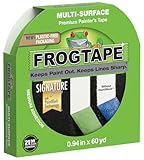
I’ve stared at a half-painted wall, brush in hand, wondering if I could just grab that roll of silver tape from the junk drawer. You know the one. The miracle cure-all for everything from leaky hoses to broken shoelaces. The question always pops up: can duct tape be used as painters tape? It seems so obvious, right? Cheap, readily available, sticks like glue (almost). But trust me, I’ve learned the hard way that some shortcuts lead straight to a muddy mess and a whole lot of scraping. This isn’t about corporate jargon; it’s about what actually works on your walls.
So, Can Duct Tape Be Used as Painters Tape? The Blunt Truth
Let’s cut to the chase. Can duct tape be used as painters tape? Technically, yes, you can use it. Will it give you the crisp, clean lines you’re dreaming of?
Absolutely not. Not without a fight, anyway. I’ve been there.
Mid-project, running low on the good stuff, and the siren song of the duct tape roll is deafening. I’ve peeled it off in chunks, left sticky residue that took an hour to scrape, and ended up with paint bleeding under the edges like a leaky faucet. Duct tape is designed for heavy-duty adhesion, for holding things together that absolutely cannot come apart. It’s a brute force adhesive.
Painter’s tape, on the other hand, is engineered for finesse. It uses a low-tack adhesive that’s strong enough to hold a line but gentle enough to remove cleanly without damaging the underlying surface or bleeding paint. Think of it like using a sledgehammer versus a precision chisel.
Both can remove material, but only one is for detail work.
The fundamental difference lies in the adhesive. Duct tape’s adhesive is aggressive, designed to stick to virtually anything and stay there. This is great for repairs, but terrible for delicate surfaces like freshly painted walls or wallpaper. When you try to pull it off, it often brings paint with it, or worse, leaves a sticky, gummy residue that’s a nightmare to remove.
I once tried to tape off a wooden trim piece with duct tape to paint an adjacent wall. I was so proud of myself for being resourceful. Three hours later, after peeling off the tape, I had jagged paint lines and a sticky, hairy mess where the tape had been. It looked like a badger had attacked the trim.
It took me longer to clean up the mess than it would have taken to go buy more painter’s tape.
Painter’s tape, specifically designed for this job, has a controlled adhesion. It’s formulated to stick firmly for the duration of your painting job but release cleanly when you’re done. This is usually due to a rubber-based or acrylic-based adhesive that has a lower tack level. The backing material is also often treated to prevent paint from soaking through too quickly. So, while you can use duct tape, you’re actively setting yourself up for more work and a less professional-looking finish. Save the duct tape for its intended purposes – fixing things that are broken, not decorating things that are about to be.
Why Painter’s Tape Is King (and Duct Tape Is a Clown)
Look, I’m not saying duct tape isn’t useful. It’s saved my bacon more times than I can count.
But for painting? It’s like using a garden hose to fill a shot glass – overkill and messy.
Painter’s tape is specifically formulated. It’s got this special blend of adhesive that grabs just enough to create a seal, but it’s designed to let go cleanly.
This is HUGE. You pull it off, and you’re left with a sharp line, not a jagged rip or a sticky residue that looks like someone spilled honey.
I remember a project where I was painting my son’s room, and I’d already used half a roll of blue painter’s tape. I figured, “What’s the harm?” and grabbed the trusty silver roll for the final bit of trim. Big mistake.
That tape wanted to stay there. It ripped paint off the wall, and the adhesive left a shiny, gummy streak that took ages to buff out. The hours I thought I was saving by not buying another roll were spent scrubbing. I’ve also heard stories about people trying to use it on delicate surfaces like wallpaper, and it just rips the paper right off.
Painter’s tape, especially the delicate surface varieties, would handle that job with ease. It’s about matching the tool to the task. Duct tape is a hammer; painter’s tape is a paintbrush.
Both have their place, but you don’t build a house with a paintbrush.
The backing material is another key differentiator. Most good painter’s tapes have a backing that’s designed to resist paint bleed. (See Also: Does Painters Tape Pull Off Paint )
It’s often a crepe paper or a synthetic film that’s treated to repel liquid paint for a decent amount of time. Duct tape, on the other hand, is usually fabric-backed. That fabric absorbs paint, and because the adhesive isn’t a perfect seal, paint seeps underneath the edges.
This is how you get those fuzzy, feathered lines instead of sharp, clean edges. I’ve seen people try to combat this by pressing down duct tape super hard, hoping to create a perfect seal.
What they end up with is a tape that’s nearly impossible to remove without damage. It’s a losing battle from the start.
If you want to avoid frustration, save yourself the time and the potential for costly touch-ups, stick to the tape designed for the job.
There’s also a surprising amount of variation within painter’s tape itself. You’ve got your standard blue tape, which is great for most walls and trim. Then there’s delicate surface tape, often green or purple, which has an even lower tack for things like wallpaper or freshly painted surfaces that need extra care. And high-performance tape, usually orange or yellow, for more demanding jobs. Duct tape? It’s just duct tape. All silver, all aggressive. It doesn’t offer you any of these nuances. You’re stuck with one level of adhesion, one level of bleed-through potential, and one level of headache.
What to Look for in Actual Painter’s Tape
Alright, so we’ve established duct tape is a bad idea. Now, let’s talk about what makes good painter’s tape actually good. It’s not just about grabbing the cheapest roll you see.
First off, consider the surface you’re painting. If you’re painting over a surface that’s been painted recently and you’re worried about pulling up the old paint, you need delicate surface tape. These typically have a much lighter adhesive, sometimes green or purple, and they’re worth every penny if you have any doubt.
I learned this the hard way painting over some older, glossy latex paint. I used standard blue tape, and when I pulled it off, it took chunks of the old paint with it. Cue a whole lot of repainting and frustration.
So, for anything delicate, spend the extra couple of bucks on the green stuff.
For most general-purpose interior painting, standard blue painter’s tape is your go-to. It’s a good balance of adhesion and removability. The key is to look for brands that are known for quality. Some of the cheaper, off-brand tapes can be brittle, tear easily, or have adhesive that leaves a residue even on forgiving surfaces.
I’ve found that brands like Scotch (3M) and FrogTape generally offer reliable performance. They’re not sponsoring this, but they’re brands I’ve used for years that consistently deliver good results. You want a tape that adheres well enough to create a barrier but peels off cleanly without shredding or leaving that sticky goo behind.
When you press it down, it should conform to the surface without bubbling or lifting, creating a tight seal against paint bleed. A good tape feels substantial, not flimsy.
Another factor is the width of the tape. Painter’s tape comes in various widths, from half an inch for tiny trim details to two inches for masking off larger areas. Choose the width that best suits the job. Using a tape that’s too narrow for a large area will mean more work.
Using one that’s too wide for detailed trim can make it difficult to apply accurately. Always check the packaging for recommendations on surface type and expected removal time (some tapes have limits on how long they can be left on before they become harder to remove cleanly).
It’s usually best to remove painter’s tape while the paint is still slightly wet or at least fully cured, but not bone dry, as this helps prevent the paint from peeling with the tape. I’ve found removing it within 24 hours of the final coat is usually the sweet spot.
| Tape Type | Pros | Cons | Verdict |
|---|---|---|---|
| Duct Tape | Strong adhesion, readily available. | Aggressive adhesive damages surfaces, leaves residue, paint bleeds under edges, difficult to remove cleanly. | Absolute No-Go for painting. Great for repairs, terrible for edges. |
| Standard Blue Painter’s Tape | Good balance of adhesion and clean removal, widely available, affordable. | Can sometimes pull up delicate paint if left too long or on poorly prepped surfaces. | Reliable Workhorse for most interior jobs. |
| Delicate Surface Tape (Green/Purple) | Extremely low tack adhesive, safe for very sensitive surfaces like wallpaper, fresh paint, or aged finishes. | Less adhesion, might not hold up to heavy coats of paint or rough handling; can be more expensive. | Key for high-risk surfaces. Better safe than sorry. |
| High-Performance Tape (Orange/Yellow) | Stronger adhesion, UV resistant, can withstand longer exposure to paint and elements. | Can be too aggressive for some surfaces; usually more expensive. | Good for Tough Jobs like exterior trim or rough textures. |
Common Mistakes When Using Painter’s Tape
Even with the right tape, you can still mess it up. One of the biggest blunders I see people make is not pressing the tape down firmly enough. You think you’ve got it sealed, but there are tiny gaps.
Paint finds those gaps. Every. Single. Time.
You need to run your fingernail or a putty knife along the edge of the tape to really press it down and create a solid seal against the surface. I’ve learned to be methodical about this. I’ll tape a section, then go back over every edge with my thumb or a plastic card. (See Also: Does Painters Tape Rip Paint Off Walls )
It adds maybe five minutes to the prep work for a whole room, but it saves me hours of touch-up later. Don’t just slap it on; commit to it. Make sure it’s stuck down like it means it.
Another classic mistake is leaving the tape on too long. Most painter’s tapes have a recommended removal window.
If you leave it on for days after the paint has fully cured, the adhesive can actually bond to the paint, and then when you pull it off, it takes the fresh paint with it. I once waited until the next day to remove tape in a humid bathroom, and the paint had basically re-sealed the tape to the wall.
It was a disaster. The general rule of thumb is to remove it while the paint is still a little bit wet, or at least within 24 hours of the final coat. Pulling it off at a 45-degree angle, slowly and steadily, also helps a lot.
Yanking it off quickly is a recipe for disaster. You want a controlled, smooth removal. And for goodness sake, don’t paint over the edge of the tape. That’s the whole point of using the tape – to create a barrier.
Painting over it just defeats the purpose and makes your lines fuzzy.
Finally, people often forget about the condition of the surface they’re taping onto. If the wall is dusty, greasy, or has loose paint, no tape is going to stick properly or remove cleanly. Always clean the surface first. Wipe down trim with a damp cloth and let it dry.
Make sure walls are free of cobwebs and dust bunnies. If you’re painting over a glossy surface, sometimes a light scuff-sanding can help painter’s tape adhere better. Also, trying to tape over caulk lines that are old and cracked is usually a losing battle; the tape will just follow the cracks. Fixing those first is key.
So, it’s not just about the tape; it’s about good prep work all around. Painter’s tape is a tool, not a magic wand that fixes bad prep.
Real-World Use Cases: When Not to Use Duct Tape
So, when would you ever consider duct tape for a painting-adjacent job? Honestly, very rarely. If you’re in an absolute emergency and need to quickly mask off a small, non-important area for a very temporary situation, maybe. For example, if you’re doing a quick touch-up on a pipe under a sink and need to keep some drips off a very rough, unfinished subfloor, duct tape might work.
But even then, I’d hesitate. The risk of it bleeding or leaving residue on something that might be visible later is high. I remember a friend who used duct tape to mask off a window frame while painting a garage door.
The sun hit the tape for a couple of days, and when he pulled it off, it left a sticky, sun-baked mess that was nearly impossible to get off the glass. He ended up having to use Goo Gone and a lot of elbow grease. That’s not a shortcut; that’s a time sink.
Another scenario where people might foolishly reach for duct tape is when they’re trying to paint on a textured surface. The idea might be that its stickiness will adhere better to the bumps and valleys.
This is a fallacy. The aggressive adhesive will likely grab onto the texture unevenly, and when you pull it off, it’s going to lift paint from those high points.
For textured surfaces, using a high-quality painter’s tape and really pressing it into the texture is key. Sometimes, you might even need to use a caulk gun to seal a textured edge more effectively before taping. Duct tape is not the answer here.
I’ve seen people try to tape off rough concrete floors for epoxy paint jobs. They think the tape’s strength will hold. It doesn’t. It lifts, it bleeds, and the final line looks like it was drawn by a toddler with a crayon.
You need specific tapes for specific rough surfaces, and duct tape isn’t on that list. It’s designed for smooth, solid surfaces where it can get a full grip.
The truth is, most “painting” tasks that call for masking are best served by actual painter’s tape. Think about masking off a ceiling fan to paint a wall, protecting light fixtures, creating stripes on a wall, or even taping off a countertop edge while you paint cabinets. These all require precision and a clean release. (See Also: Does Masking Tape Work The Same As Painters Tape )
Duct tape fails on all counts. Its primary selling point – its super-strong adhesion – is its biggest downfall when you need to remove it without damage. It’s a blunt instrument in a job that often requires a surgeon’s touch. If you find yourself thinking, “Can I use duct tape here?” the answer is almost certainly no, and if you do it anyway, be prepared for the consequences.
Practical Tips for a Flawless Finish
Okay, let’s talk about getting those perfect lines. Beyond using the right tape and pressing it down well, there are a few tricks that can make a big difference. One is the ‘paint the edge with the wall color’ trick. Once your painter’s tape is firmly in place, take a tiny bit of the wall color you just painted and paint a very thin layer along the edge of the tape that meets the trim or ceiling.
Let that dry completely. Then, paint your new color.
When you pull the tape off, any tiny bleed that might have happened is sealed by the original wall color, not the new, contrasting color. It sounds counterintuitive, but it’s a pro move that really works. I tried this on my last trim job, and it gave me the sharpest lines I’ve ever achieved. It’s a bit of extra time, but the results are undeniable.
Another tip is all about the removal process. As I mentioned, remove the tape while the paint is still a bit wet, but not so wet that it will smear. Pull it off slowly, steadily, and at a 45-degree angle. If you encounter any areas where the paint is trying to stick to the tape, gently score the edge with a utility knife or a craft knife before you pull.
Be very careful not to cut into the underlying surface, but just break the seal between the paint and the tape. For really stubborn areas, a hairdryer on a low heat setting can sometimes help soften the adhesive, making it easier to remove without damage, but use this cautiously to avoid overheating or damaging the paint. Always test in an inconspicuous spot if you’re unsure.
Finally, don’t skimp on the prep work. I’ve said it before, but it bears repeating. Clean surfaces, smooth out imperfections, and make sure everything is dry.
If you’re painting trim, for instance, make sure any old caulk is removed or in good condition before you tape. If you’re taping around a window, make sure the glass is clean.
Good prep makes the taping process go smoothly and the removal process a breeze. And when in doubt, buy better tape.
A few extra dollars for a roll of quality painter’s tape will save you far more in time and frustration than any amount of duct tape ever could. Remember the goal: a professional-looking finish, not a quick fix that creates more work.
Can Duct Tape Be Used for Masking Paint on Furniture?
No, duct tape is a terrible choice for masking paint on furniture. Its aggressive adhesive can easily damage finishes, pull off veneer, or leave sticky residue that’s incredibly hard to remove from wood, laminate, or painted surfaces. You should always use painter’s tape, specifically a low-tack or delicate surface variety if the furniture finish is particularly fragile or has been recently painted.
Will Duct Tape Leave Residue on Walls?
Yes, duct tape is highly likely to leave a sticky, gummy residue on walls. Its adhesive is designed for permanent or semi-permanent bonding and is not formulated for clean removal from painted surfaces. This residue can be difficult to remove without damaging the paint underneath, often requiring solvents or significant scrubbing.
Is It Better to Use Duct Tape or Painter’s Tape for Protecting Trim When Painting Walls?
It is significantly better to use painter’s tape for protecting trim when painting walls. Painter’s tape is specifically designed with a low-tack adhesive that adheres well enough to create a barrier but removes cleanly without damaging paint or leaving residue. Duct tape’s aggressive adhesive will likely pull paint off the trim or the wall and leave a sticky mess.
What Kind of Tape Should I Use If I’m Painting Over Wallpaper?
If you are painting over wallpaper, you should use a delicate surface painter’s tape. These tapes, often colored green or purple, have a very low tack adhesive that is designed to stick securely without damaging the wallpaper surface or its adhesive. Standard painter’s tape or duct tape would almost certainly tear the wallpaper.
Final Verdict
So, the long and short of it? Can duct tape be used as painters tape? Only if you enjoy sanding, scraping, and re-painting. It’s the kind of ‘solution’ that creates more problems than it solves. Painter’s tape, with its carefully formulated adhesive and backing, is an investment in a clean, crisp finish. It’s the right tool for the job, and trying to substitute it with something as crude as duct tape is a mistake I’ve made so you don’t have to.
My advice? Keep that roll of duct tape for actual repairs. For painting edges, trim, and anything that needs a clean line, always reach for actual painter’s tape. It might cost a few dollars more upfront, but the time, effort, and potential damage you save are well worth it. Trust me, your walls (and your sanity) will thank you.
Next time you’re staring down a painting project, make the smart choice. Grab the good tape, prep your surfaces, and get ready for a finish that looks like you hired a pro.