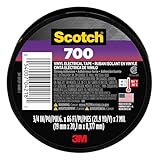
I remember the first time I had a frayed cord on my toaster. My brain immediately went to that roll of black electrical tape sitting in the junk drawer. It’s black, it’s sticky, it’s tape. Seems like a quick fix, right? But then, a little voice in the back of my head whispered, ‘Wait a minute… can electrical tape go in a microwave?’ It’s a question that seems simple, but the answer is far from straightforward, and frankly, a lot of what you’ll read online is pure garbage.
Let’s cut to the chase: shoving electrical tape into your microwave is a spectacularly bad idea. I learned this the hard way with a dodgy extension cord that I thought a little black tape would sort out. That story involved smoke, a very angry smoke detector, and the distinct smell of melted plastic. So, if you’re asking yourself ‘can electrical tape go inamicrowave’ as a potential solution for anything, stop right there.
We’re going to break down why this is a no-go, what actually happens, and what you should be doing instead. Forget the quick fixes; we’re talking about fire hazards and ruined appliances here.
Why Electrical Tape and Microwaves Are a Match Made in the Fire Department
Look, the primary function of electrical tape is to insulate electrical wires. It’s made of PVC, which is a type of plastic, and it’s designed to withstand moderate temperatures and prevent electric shock. It’s great for wrapping wire splices, tidying up loose connections, and generally keeping the juice where it’s supposed to be. But microwaves? Microwaves are a whole different ballgame. They work by bombarding your food (or whatever else is inside) with electromagnetic radiation, which excites water molecules and generates heat. This isn’t just a little warmth; it’s intense, focused energy.
When you put something like electrical tape in a microwave, you’re basically introducing a flammable material into a high-energy environment. The PVC will heat up, and depending on its thickness and the duration in the microwave, it can melt, degrade, and yes, even ignite. I once tried to be clever and insulate a small battery terminal connection that was sparking a bit, thinking a tiny piece of electrical tape would be fine for a quick zap.
Big mistake. The tape started to bubble and smoke within seconds.
It didn’t catch fire dramatically, but it sure looked and smelled awful, and I immediately yanked it out, terrified of what could have happened. My appliance survived, but my confidence in using tape for anything remotely electrical near heat took a massive hit. It’s not just about the tape itself; it’s about what happens when that plastic breaks down.
You’re looking at potentially releasing toxic fumes. That’s not something you want mingling with your lunch.
The common advice you might find online, suggesting it’s okay for ‘short bursts’ or ‘small amounts,’ is incredibly dangerous. There are no ‘safe’ amounts of PVC plastic to microwave. The risk of melting, fire, and toxic fumes is always present.
Think about it: electrical tape is designed for static electrical insulation, not for being subjected to intense, oscillating electromagnetic fields that are specifically designed to heat things up. It’s like using a rain jacket as a frying pan – they’re both made of synthetic materials, but their intended uses are worlds apart, and trying to force one into the other’s job can have disastrous consequences. The adhesive on electrical tape can also become a problem, melting and spreading goo everywhere, making a mess that’s hard to clean and potentially damaging your microwave’s interior.
What Actually Happens When Tape Meets Microwave Radiation
Let’s get down to the nitty-gritty of what happens inside that metal box when you introduce electrical tape. It’s not pretty. The radiation from the magnetron in your microwave causes polar molecules to vibrate rapidly, generating heat. While water molecules are the primary target in food, other materials with polar components can also absorb this energy. PVC, the main ingredient in most electrical tapes, contains chlorine atoms which contribute to its polarity. So, the tape itself will start to heat up. This isn’t a slow, gentle warming. It’s rapid and intense.
As the temperature of the PVC rises above its melting point, it will begin to liquefy. This molten plastic can drip and spread, creating a sticky, gooey mess.
This alone is a problem for cleaning, but it gets worse. Continued heating, especially if the tape is thick or the microwave is run for a longer period, can cause the PVC to degrade and decompose. This decomposition process releases various chemicals, some of which are hazardous. Think hydrochloric acid vapors, dioxins, and other nasty byproducts. (See Also: Can Duct Tape Insulate Electricity )
These fumes are not only harmful to inhale but can also corrode the interior of your microwave, leading to long-term damage and potentially making it unsafe for food use even after cleaning. I once saw a documentary showing the breakdown of plastics under intense heat, and the chemical soup that came off was genuinely alarming. It wasn’t just melting; it was a chemical transformation into something far less desirable.
The adhesive on electrical tape also plays a role. It’s typically made from rubber-based or synthetic polymers. When heated, these adhesives can melt, lose their stickiness, and spread, exacerbating the mess. In some cases, if the material gets hot enough and there’s enough oxygen present (which there is, inside your microwave), it can char and even ignite. This is where the real danger lies – a potential fire inside an appliance designed to contain heat. If a fire starts, it can quickly get out of control, posing a serious risk to your home. And even if it doesn’t erupt into flames, the residue left behind can be difficult to remove and may continue to off-gas harmful chemicals with subsequent uses.
The common advice you might find, like using it to ‘temporarily hold something in place while microwaving,’ is frankly insane. There is no ‘temporary’ safe way to do this. If you need to hold something, use microwave-safe clips, weights, or arrange the food differently. The risk versus reward is astronomical. You’re risking a fire, toxic fumes, and a ruined appliance for what? A few seconds of convenience?
What Not to Microwave: The Tape Edition and Other Hazards
Beyond electrical tape, there’s a whole host of materials that should never, ever go into a microwave. It’s a good idea to have a basic understanding of what’s safe and what’s not, not just for your appliances but for your health. The general rule of thumb is: if it’s metal, plastic not specifically labeled microwave-safe, or anything that looks like it could melt or catch fire, leave it out. Electrical tape, with its PVC composition and adhesive, falls squarely into the ‘definitely do not microwave’ category.
Here’s a quick rundown of other common offenders:
| Item | Why It’s Bad | Verdict |
|---|---|---|
| Aluminum Foil | Reflects microwaves, can cause arcing (sparks) and fires. Even small bits are dangerous. | NEVER |
| Styrofoam Containers | Can melt and warp, leaching chemicals into food. Some are rated for reheating, but it’s risky. | AVOID (UNLESS LABELED MICROWAVE-SAFE) |
| Brown Paper Bags | Can overheat and ignite. The ink and glue can also be problematic. | NEVER |
| Plastic Bags (regular) | Will melt, warp, and release chemicals. | NEVER |
| Travel Mugs (metal trim) | Metal trim will cause arcing. | NEVER |
| Take-out Containers (metal clasps/handles) | Metal components will arc. | NEVER |
| Old-fashioned Red & White Checkered Paper Take-out Containers | Often have metal components or coatings that are not microwave-safe. | PROCEED WITH CAUTION / CHECK LABEL |
Contrarian opinion time: Some people might argue that a tiny bit of electrical tape for a fraction of a second to hold something together might not cause immediate catastrophe. I disagree vehemently. The risk is simply too high. There’s no way to guarantee you’re only microwaving it for a ‘fraction of a second’ when you’re distracted by the cooking process. And even a brief exposure can start the degradation process, releasing fumes. It’s like playing Russian roulette with your kitchen. The potential for a small spark to ignite nearby paper or plastic packaging is also a real concern. Why invite that kind of danger when there are perfectly safe alternatives?
The takeaway here is simple: if you’re unsure, err on the side of caution. If it’s not explicitly marked as microwave-safe, assume it isn’t. Electrical tape is designed for electrical insulation and repair, not for surviving high-energy radiation. Its very composition makes it a fire hazard and a source of toxic fumes when subjected to microwave frequencies.
The Right Way to Repair: When Tape Isn’t the Answer
Okay, so we’ve established that electrical tape has absolutely no business inside a microwave. But what if you do have a problem that makes you think of reaching for that roll? Whether it’s a frayed cord on a small appliance, a loose wire, or something that just looks… off, the correct approach is important for safety. My first instinct when I see a frayed wire used to be ‘tape it up and hope for the best.’ That worked for about ten minutes before the smoke alarm went off. Since then, I’ve learned that a proper fix is always worth the effort, and sometimes, it means replacing the entire item.
For actual electrical repairs, like mending a frayed power cord, you need materials specifically designed for that purpose. If the damage is minor – like a small nick in the outer insulation that hasn’t exposed the wires – you could theoretically use more electrical tape, but it’s really just a temporary cosmetic fix.
It doesn’t actually restore the cord’s structural integrity or provide solid insulation against serious damage. A better, albeit more involved, solution would be to use heat-shrink tubing, which, when heated, shrinks tightly around the cord, providing a much more secure and durable seal. You can find heat-shrink tubing in various sizes at most hardware or electronics stores.
You’ll need a heat gun or even a powerful hairdryer to apply it properly.
If the insulation is significantly damaged, or if the internal wires are exposed or damaged, the cord should be replaced entirely. This isn’t a job for tape or even heat shrink. You’d need to cut off the old plug and cord and wire in a new one. This requires some basic electrical knowledge, the right tools (wire strippers, screwdriver, soldering iron if you’re going for a super-professional finish), and a replacement cord set. (See Also: Can Electrical Tape Be Used For Gripping )
I did this for a beloved old blender that had a frayed cord. It took me about an hour, cost me around $15 for a new cord and plug, and now it’s as good as new.
It felt way more satisfying than a tape job, and I knew it was safe.
When it comes to appliances that go into the microwave, like microwave-specific cords or internal components, you’re generally looking at professional repair or replacement. The internal workings of a microwave are complex and dangerous, involving high-voltage components even when unplugged. Trying to ‘fix’ an internal issue with tape would be not only ineffective but incredibly hazardous. For external issues on microwave-safe containers or accessories, check the manufacturer’s instructions. Often, minor cracks or chips in microwave-safe glass or ceramic can be a sign that they’re no longer safe for use, as these imperfections can lead to breakage under thermal stress.
My personal experience with a cracked microwave-safe bowl taught me this. I thought a tiny crack was fine. Then, during reheating, it spider-webbed and cracked completely, spilling hot soup everywhere. The ‘fix’ would have been to buy a new bowl, not to try and patch the old one. It’s always best to prioritize safety and function over a quick, questionable repair. If an appliance or accessory is damaged, especially if it involves electrical components or materials that come into contact with food under heat, replacement is usually the wisest and safest course of action.
Practical Tips for Microwave Use (without the Tape)
Since we’ve thoroughly debunked the idea of using electrical tape in a microwave, let’s focus on how to use your microwave safely and effectively. It’s a fantastic appliance when used correctly, but it’s not a magical box that can fix everything. Understanding the basics will save you headaches, burnt food, and potential fires.
- Use Microwave-Safe Containers: This is the golden rule. Look for the ‘microwave safe’ symbol on the bottom of your dishes, bowls, and cups. This usually looks like a few wavy lines. If it’s not marked, play it safe and transfer food to a known safe container. Glass, ceramic, and certain plastics are typically good options.
- Avoid Metal Entirely: Unless your microwave manual specifically states otherwise for certain accessories (which is rare), keep all metal items out. This includes foil, utensils, dishes with metallic trim, twist ties, and even those fancy mugs with metallic accents. Metal reflects microwaves and can cause dangerous arcing, which looks like sparks and can damage your microwave or start a fire.
- Vent Food: When heating food in a covered container, always leave a small opening or vent. This allows steam to escape, preventing pressure buildup that could cause the container to burst or the lid to blow off. You can lift a corner of plastic wrap, loosen a lid, or poke a few holes in a plastic film.
- Stir or Rotate: Microwaves heat unevenly. For best results and to avoid hot spots and cold spots, stir your food halfway through the cooking time or rotate the dish. Some microwaves have turntables that do this automatically, but even then, stirring helps.
- Don’t Overcook: It’s easy to get carried away. Start with less time than you think you need and add more if necessary. Overcooking can dry out food, make it tough, and in some cases, lead to scorching or burning.
- Clean Regularly: Splatters and food debris can absorb microwave energy, leading to uneven heating and potential charring. Wipe down the interior of your microwave regularly with a damp cloth and mild detergent. For stubborn messes, a bowl of water with lemon slices or vinegar microwaved for a few minutes can help loosen grime.
- Be Wary of Reheating Certain Foods: Foods with skins or membranes, like hot dogs, eggs (in the shell, obviously), and some fruits, can explode if not vented properly. Some dense foods, like potatoes, benefit from being pierced with a fork before microwaving.
I learned the hard way about stirring. I once tried to reheat leftover chili, and it was lava-hot on the edges and still frozen in the middle. It looked fine on the outside, but cutting into it revealed the internal temperature disparity. A good stir solved it, but it was a lesson learned about the uneven heating. Another tip: paper towels can be used to cover food to prevent splatters, but make sure they are plain white paper towels without any ink or metallic patterns. They are generally safe for short periods in the microwave.
The key is to treat your microwave as the appliance it is – a tool for rapid heating using specific electromagnetic waves – and not a universal repair device or a magic oven. When in doubt, always consult your microwave’s user manual for specific guidelines on what is safe to use inside.
When to Just Buy a New One: The Tape Fallacy
There’s a mindset, often driven by a desire to save money or be resourceful, that encourages fixing things with whatever’s at hand. Electrical tape often falls into that ‘whatever’s at hand’ category for many household repairs. However, when it comes to anything involving electricity, heat, or food safety, the ‘fix it with tape’ mentality is not only misguided but potentially dangerous. The question of ‘can electrical tape go inamicrowave’ is a prime example of this flawed logic. The answer is a resounding no, and the very fact that people are asking this question highlights a dangerous misunderstanding of both electrical tape and microwave function.
My rule of thumb now is this: if a repair involves something that, if it fails, could cause a fire, electrocution, or release toxic substances, then using a quick fix like electrical tape is not a repair, it’s a gamble. And it’s a gamble with your home, your health, and your safety. For instance, a frayed power cord on a toaster or a microwave is a serious hazard. While a tiny piece of electrical tape might temporarily cover the damage, it doesn’t restore the cord’s insulation strength or its ability to withstand repeated bending and stress.
The plasticizer in the PVC can leach out over time, making the tape brittle and less effective, or the adhesive can fail when exposed to heat from friction or the surrounding environment. Eventually, the underlying wires can become exposed, leading to short circuits, shocks, or fires.
The cost of a new appliance or accessory is often far less than the potential cost of a house fire, hospital visit, or replacing a damaged microwave. A new power cord for a small appliance might cost a few dollars. A replacement microwave accessory might be $20-$50. A new toaster or blender? Maybe $30-$100. Compare that to the tens or hundreds of thousands of dollars for fire damage, or the medical bills associated with electrical burns or fume inhalation. The math is simple, even if the initial impulse is to save a buck.
I once had a cheap power strip that had a loose connection where the cord met the plastic housing. It would spark intermittently. My first thought was to maybe wrap it with some tape to secure it. (See Also: Can Electrical Tape Go On Bare Wire )
Thankfully, I stopped myself. I looked up the cost of a new, decent-quality power strip – about $25. The potential damage from a faulty power strip, especially one that sparks, is immense.
It could easily ignite nearby curtains, furniture, or even the carpet. So, I threw the old one out and bought a new one. It felt like the responsible, adult thing to do.
It’s about recognizing when you’re dealing with something that requires a proper, manufacturer-approved replacement part or a professional repair, rather than a DIY bandage.
The ‘tape fallacy’ is also prevalent with things like cracked plastic containers. If a plastic container that holds food is cracked, especially if it’s meant to be microwaved or go in the dishwasher, the crack can harbor bacteria. It can also weaken the container further, leading to breakage. Taping it up is a false economy. The best course of action is almost always to discard damaged items that are important for safety or hygiene and replace them. It’s not about being wasteful; it’s about being safe and sensible.
***
People Also Ask: Electrical Tape in the Microwave
Can I wrap a broken wire with electrical tape and microwave it?
Absolutely not. Electrical tape is not designed to withstand microwave radiation. It can melt, burn, and release toxic fumes, creating a serious fire hazard and potentially damaging your microwave. Always use microwave-safe materials and repair electrical issues with proper, rated components.
Is electrical tape flammable?
Yes, electrical tape is made of plastic (PVC) and can be flammable if exposed to high heat or open flames. While it has some fire-retardant properties to prevent it from propagating a flame easily, it will burn if subjected to sufficient heat, which is exactly what happens in a microwave.
What happens if I put electrical tape in the microwave?
When electrical tape is put in a microwave, the electromagnetic radiation causes the plastic to heat up rapidly. It can melt, decompose, release toxic fumes (like hydrochloric acid), and potentially catch fire. It will also create a sticky, hard-to-clean mess inside your microwave.
Can I use electrical tape to fix a microwave cord?
No, you should never use electrical tape to fix a microwave cord. A frayed or damaged cord is a serious safety hazard. It requires proper repair or replacement by a qualified technician using materials designed for high-voltage cords, not temporary tape solutions.
What should I use instead of electrical tape in a microwave situation?
If you have a microwave-related issue, the solution is rarely tape. For heating food, use only microwave-safe containers. For cord repairs, use appropriate electrical repair materials like heat-shrink tubing or replace the cord entirely. If an appliance part is broken, look for manufacturer-approved replacement parts. Never use electrical tape inside or on an appliance meant for microwave use.
Final Thoughts
So, to put it bluntly: no, electrical tape absolutely cannot and should not go in your microwave. It’s a recipe for melted plastic, toxic fumes, and potentially a fire. The very properties that make it useful for insulating wires at room temperature make it a hazard when subjected to the intense energy of microwave radiation.
Think of it this way: electrical tape is for keeping electrical current contained in a controlled environment. A microwave is designed to heat things up by agitating molecules. Putting tape in there is like trying to cool your house down by turning up the furnace. It’s fundamentally counterproductive and dangerous.
If you find yourself with a frayed cord, a cracked container, or any other issue that makes you consider using tape in or around your microwave, please take a step back. Your safety and the integrity of your appliances are far more important than a quick, risky fix. For most common household needs, investing in the right tools and materials, or simply replacing a damaged item, is always the smarter and safer bet. When it comes to the question of ‘can electrical tape go inamicrowave’, the only answer is a firm and unequivocal no.