I’ve been wrestling with dodgy wiring and jury-rigged fixes for longer than I care to admit. The amount of money I’ve blown on ‘miracle’ products that promised the moon and delivered zilch could probably fund a small space program. So, when folks ask me if can duct tape insulate electricity, my first thought isn’t about its conductivity – it’s about the sheer desperation that leads people to ask. It’s the kind of question born from a moment where you just need
something
to hold, even if it’s a long shot. Let’s get real about what that silver roll can and can’t do when sparks are flying.
So, Can Duct Tape Insulate Electricity? The Short, Blunt Answer
Look, I’m going to cut to the chase because I hate wasting your time with corporate fluff. Can duct tape insulate electricity?
Technically, yes, in a very, very limited, emergency-only, ‘get-me-out-of-this-jam’ sort of way. But is it a good idea? Is it safe?
Is it something you should ever rely on for anything remotely serious? Absolutely not. I’ve seen people try to use it for everything from patching frayed appliance cords to ‘securing’ exposed wires in a junction box. My own stupid moment came about ten years ago.
I was rewiring a vintage lamp, and a tiny bit of insulation wore off a wire I thought was safely tucked away. In a panic, I grabbed the nearest thing: duct tape.
I wrapped it around the exposed copper, feeling like a genius for my quick fix. For about two days, it seemed fine. Then, one evening, there was a distinct fizzle and a puff of smoke. Thankfully, no fire, but it was a stark reminder that duct tape is not designed for this.
It’s sticky, it’s flexible, it’s strong in its own way, but it’s not an electrical insulator in any real sense of the word. The common advice you’ll find online, suggesting it’s a viable temporary solution, often glosses over the significant risks.
It’s like using a paper towel to stop a bullet – technically it’s a barrier, but it’s not going to do the job when it counts.
Why We Even Ask: The Physics (or Lack Thereof) of Duct Tape
The reason this question even pops up is because duct tape feels like it should be able to do more. It’s this miracle material, right? You can fix anything with it.
So, when you’re staring at a frayed wire and have a roll of duct tape handy, your brain naturally connects the dots. But here’s the lowdown: duct tape is primarily made of three layers. You have the backing, which is usually some kind of cloth or fabric mesh – that’s where it gets its tensile strength.
Then there’s the adhesive layer, the sticky stuff that makes it… well, sticky. And sometimes, there’s a thin plastic or polyethylene coating over the fabric. None of these components are particularly good electrical insulators. (See Also: Can I Use Electrical Tape To Connect Wires )
The fabric is woven, meaning it has tiny gaps. The adhesive is, by its nature, designed to bond, not to repel electricity. And that thin coating? It’s nowhere near thick or solid enough to prevent electrical current from finding a path.
Think about it: if duct tape were a good insulator, wouldn’t every electrician have a roll in their toolbox for permanent repairs? It’s just not built for the job. The heat generated by electricity, especially when a connection is stressed or faulty, can break down the adhesive and even melt the plastic coating.
This isn’t like plumbing where a temporary sealant might hold for a while. Electricity is unforgiving.
The common belief that it’s a decent temporary fix is a dangerous myth, perpetuated by people who have either been lucky or haven’t pushed their ‘fixes’ hard enough to see them fail. The real danger lies in the gradual degradation and potential for sudden failure, often at the worst possible moment.
What to Look for Instead: Real Electrical Tape
Alright, so duct tape is out. What’s the actual solution when you need to insulate a wire?
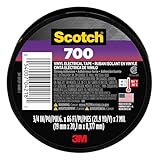
It’s called electrical tape, and it’s not some fancy, expensive gadget. It’s a specific type of tape designed for this exact purpose, and it’s dirt cheap. I picked up a decent roll for about $4 the other day, and it’s lasted me through several small projects. Unlike duct tape, electrical tape is made from materials that are excellent insulators.
Most common electrical tapes are made from vinyl (PVC). This plastic is inherently resistant to electricity. The adhesive is also formulated differently, designed to bond well without compromising the insulating properties.
When you wrap electrical tape, you’re building up layers of a material that won’t conduct current, won’t degrade under heat, and won’t easily peel off. The key is to overlap the tape generously, creating a solid, continuous barrier. You don’t want any gaps where moisture or conductive material can get in.
I’ve seen some electricians even use specialized heat-shrink tubing or liquid electrical tape for more permanent or important repairs, but for most at-home fixes on low-voltage applications, standard vinyl electrical tape is the go-to. The difference in performance and safety is night and day. Honestly, the fact that duct tape is so readily available and universally ‘accepted’ as a fix-all is a testament to its marketing, not its suitability for electrical work. Don’t be fooled by the ubiquity of the silver stuff; when it comes to electricity, you need the proper tool for the job.
Common Mistakes People Make (and I’ve Made)
The biggest mistake, of course, is thinking duct tape is a viable electrical insulator at all. But even when people use actual electrical tape, they mess it up. One common error is not wrapping it tightly enough. You end up with loose loops that can snag or start to peel back, leaving the wire exposed again.
Another is not overlapping enough. You need to create a continuous barrier. Think of it like shingling a roof – each piece overlaps the one below it to keep water out. With electrical tape, you’re keeping electricity in.
A lot of people also just do a single layer. For anything beyond a very minor nick, you should be building up at least two or three good layers. This reinforces the insulation and provides a buffer against minor abrasions. (See Also: Can Electrica Tape Catch On Fire )
I once tried to tape up a connection in a outdoor light fixture that got a bit of water exposure. I used electrical tape, but I was rushing, didn’t overlap properly, and didn’t build up enough layers.
Within a few weeks, the moisture had seeped in, and the tape started to look degraded. It was a good reminder that even with the right materials, application matters. Another mistake I’ve seen, and admittedly done in a pinch, is using the wrong kind of tape for the environment. Standard vinyl tape is great for most indoor uses, but if you’re dealing with high heat, chemicals, or outdoor exposure, you might need specialized tape like vulcanizing tape or high-temperature tape.
Using the wrong type for the conditions is almost as bad as using duct tape. The tape might look okay initially, but it will fail much faster than you expect.
| Material | Pros | Cons | Verdict for Electrical Insulation |
|---|---|---|---|
| Duct Tape | Ubiquitous, strong adhesive for general use | Poor insulator, degrades with heat/moisture, fabric backing conducts | Never. Emergency only, extremely risky. |
| Vinyl Electrical Tape | Excellent insulator, flexible, adheres well, affordable | Can degrade with extreme UV/heat over long periods, adhesive can leave residue | Excellent for most common repairs. |
| Rubber/Vulcanizing Tape | Self-fusing, excellent weather/heat resistance, high dielectric strength | Can be trickier to apply, more expensive than vinyl | Very good for demanding applications, outdoor/high-heat. |
| Cloth/Friction Tape | Good grip, somewhat insulating (historically used) | Less insulating than vinyl, can absorb moisture, often needs over-wrapping with rubber tape | Outdated for primary insulation; use vinyl instead. |
When to Call a Pro (and When Duct Tape Really Isn’t the Answer)
I’m a big believer in DIY. I’ve saved a fortune over the years by learning to fix things myself. But there are lines you just don’t cross, and playing with mains electricity is one of them. If you’re dealing with anything beyond a simple, low-voltage cord repair – like a nick in a lamp cord where you can easily see the exposed wire – you need to call a qualified electrician.
This includes any work inside breaker boxes, wall outlets, or any situation where you’re unsure about the voltage or the wiring system. My neighbor, bless his heart, decided to ‘fix’ his faulty kitchen outlet himself after watching a YouTube video. He used duct tape to wrap around the wires coming out of the wall. It seemed like a ‘fix.’ A week later, he had an electrical fire.
Thankfully, his smoke detectors worked, and everyone got out, but his kitchen was a mess. The fire department said the duct tape not only failed to insulate but likely contributed to the problem by holding heat and debris.
That’s not a ‘fix’; that’s a disaster waiting to happen. The common advice to use duct tape for ‘temporary’ electrical fixes is dangerous because it implies it’s a solution, however brief. It’s not.
It’s a stopgap that significantly increases risk. When in doubt, always, always err on the side of caution and call a professional. The few dollars you might save on tape are nothing compared to the potential cost of repairs, not to mention the risk to your home and your family. The National Fire Protection Association (NFPA) consistently reports electrical issues as a leading cause of home fires, and makeshift repairs are often at the heart of these incidents.
Practical Tips for Actual Electrical Repairs
Okay, so you’ve got a genuine electrical issue that needs a real fix, and you’ve decided to tackle it yourself. First and foremost, ALWAYS disconnect the power. Find the breaker for the circuit you’re working on and flip it off.
Then, double-check with a non-contact voltage tester to be absolutely sure. It’s a small tool, maybe $15, and it’s worth every penny. I learned that lesson the hard way after getting a nasty jolt trying to change a light fixture before cutting the power.
Once you’re certain the power is off, identify the problem. Is it a frayed cord? A loose connection in a wire nut?
Whatever it is, use the correct materials. For frayed cords, clean electrical tape is your friend. (See Also: Can I Substitute Duct Tape For Electrical Tape )
Wrap it tightly, overlapping generously, building up at least two or three layers. Make sure the tape extends well beyond the damaged area on both sides. If you’re dealing with wire nuts, make sure the wires are stripped to the correct length and fully inserted into the nut.
Give them a gentle tug to make sure they’re secure. If you’re doing a more permanent repair, especially on outdoor wiring or in high-heat areas, consider using heat-shrink tubing. You slide it over the splice, then use a heat gun to shrink it down, creating a very solid and insulated connection.
Liquid electrical tape is also an option for some applications, providing a waterproof seal. Remember, electrical work isn’t like painting; there’s no room for sloppiness.
Take your time, use the right tools and materials, and prioritize safety above all else. The goal is to create a repair that is not only functional but as safe and durable as the original wiring. Don’t cut corners, and if the job feels beyond your skill level, don’t hesitate to call in a professional electrician.
Frequently Asked Questions About Duct Tape and Electricity
Can Duct Tape Be Used as a Temporary Fix for Electrical Wires?
While duct tape might offer a very superficial physical barrier, it is not a reliable electrical insulator. Its adhesive can degrade under heat, and the fabric backing is not designed to prevent electrical current. Relying on it for even a temporary fix poses significant risks of shorts, fires, and electric shock. It’s strongly advised against for any electrical application.
What Is the Proper Material to Use for Insulating Electrical Wires?
The correct material for insulating electrical wires is specialized electrical tape, typically made from vinyl (PVC). This material is specifically engineered to resist electrical current and withstand the heat generated by electrical systems. For more demanding applications, vulcanized rubber tape or heat-shrink tubing are also suitable.
Will Duct Tape Melt If Used on Electrical Wires?
Yes, duct tape can melt or degrade when exposed to the heat generated by electrical current, especially if there’s a fault or the wire is carrying a significant load. The adhesive can break down, and the plastic coating, if present, can soften or melt, compromising any insulating effect it might have had.
Is It Safe to Use Duct Tape on a Frayed Electrical Cord?
No, it is not safe to use duct tape on a frayed electrical cord. A frayed cord indicates exposed conductors that can easily cause shocks or fires. Duct tape does not provide adequate insulation or protection against these hazards and can fail rapidly under electrical stress.
What Are the Risks of Using Duct Tape for Electrical Insulation?
The primary risks include electric shock due to inadequate insulation, electrical fires caused by overheating and short circuits, and further damage to the electrical system. Duct tape’s adhesive and backing material are not designed for electrical safety and can fail unexpectedly.
Final Thoughts
So, to circle back to the original question: can duct tape insulate electricity? The honest answer is a resounding ‘no,’ not in any safe or reliable way. While it might seem like a quick fix in a moment of panic, the risks far outweigh any perceived benefit. Think of it like using a colander to hold water – it’s a container, but it’s not going to do the job effectively or for long. For any electrical work, always reach for proper electrical tape or other specialized materials designed for the job. Your safety and the integrity of your home depend on it. Don’t let the ubiquity of silver tape fool you into a dangerous shortcut.
If you’re faced with frayed wires or suspect an electrical issue, the best course of action is always to disconnect the power and either make a proper repair with the correct materials or call in a qualified electrician. It’s not worth the gamble.