I remember staring at that freshly painted accent wall, a vibrant teal against crisp white trim. And there it was: the faint, almost invisible ghosting where the blue painter’s tape had been clinging for… well, way longer than I’d intended.
We’ve all been there, right? You finish a project, feeling like a DIY god, only to realize the tape you meticulously applied is now a semi-permanent fixture, threatening to peel off the new paint along with it.
So, the burning question: can I leave painters tape on for a week? It’s a common thought, especially when you’re juggling multiple projects or just plain tired. Let’s cut to the chase.
When Can Painters Tape Linger and When Does It Bail?
Look, the easy answer is: maybe. But let’s not pretend it’s a simple yes or no. Most painters tape is designed for short-term use. Think 24 to 72 hours, tops. Anything beyond that starts pushing your luck, and your paint job.
Why the fuss? It’s all about adhesion and the type of paint. Over time, the adhesive on the tape can actually cure or bond too aggressively with certain paint finishes, especially latex or acrylics that are still a bit soft or have a sheen. When you go to pull it off after a week, that paint-kissed adhesive isn’t just sticking to the tape; it’s deciding it likes the new paint more and wants to come with it. This is how you get those jagged, ugly lines that look like a toddler went at your trim with a crayon.
I once tried to be clever. I painted my son’s room a deep navy, intending to do the ceiling a bright white a few days later. So, I left the tape on for five days. Five agonizing, nail-biting days. When I finally pulled it, the white ceiling paint was mostly fine, but along the wall edge, the navy had decided to take a vacation. Little flecks were everywhere. I spent another two hours with a tiny brush and a lot of cursing, trying to fix it. Lesson learned: patience is a virtue, especially with paint.
The type of surface matters too. Bare wood, unpainted drywall, or even certain wallpaper might be more forgiving than a glossy enamel or a delicate silk paint. Higher quality tapes, often marketed for delicate surfaces or longer hold times (we’ll get to those), are formulated with less aggressive adhesives. But even those have their limits.
The real kicker? Humidity and temperature. If it’s scorching hot or super damp where you’re painting, that tape is going to react differently. Sometimes, extreme conditions can make the adhesive more prone to failure, not less. So, while the packaging might say ‘3-day hold’, Mother Nature can throw a wrench in those plans faster than you can say ‘touch-up paint’.
The Devil’s in the Details: What to Look for in Your Tape
This is where most folks get it wrong. They grab the cheapest roll they can find and assume all painters tape is created equal. Spoiler alert: it’s not. Think of it like buying shoes. You wouldn’t wear flip-flops to run a marathon, and you shouldn’t use bargain-basement tape for a delicate paint job.
The blue tape. That’s the classic, right? Most of it is designed for general-purpose use and is usually good for about 24-72 hours. It’s decent for covering trim you’re not painting or for masking off hardware. But if you’re leaving it on for a week? You’re playing with fire.
Then you’ve got the green tapes, often labeled ‘delicate surface’ or ‘long-lasting’. These usually have a milder adhesive. They’re great for freshly painted walls (like, really freshly painted, maybe only a day or two old) or surfaces that are easily damaged. Some of these can indeed be left on for longer, maybe even a week, if conditions are right and the paint is fully cured. But even with these, I’m still wary of leaving them for seven full days. The risk of residue or paint lifting is always there, just lower. (See Also: Does Painters Tape Rip Paint Off Walls )
There are also specialty tapes – sometimes red, sometimes yellow – for specific applications like automotive work or high-heat situations. You probably don’t need those for your living room trim, but they highlight the sheer variety out there.
When you’re buying, check the packaging. It’s not just marketing fluff. Manufacturers usually give you a recommended duration. And honestly, if the tape doesn’t mention how long it’s good for, assume it’s for a day or two at most. I’ve seen some tapes claim ‘up to 14 days’. I’m skeptical, but that’s the kind of wording you’d look for if you absolutely had to leave it on that long. Even then, I’d do a small test patch first. Better safe than sorry, right?
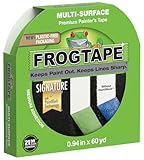
My personal go-to for longer holds is often a tape with a low-tack adhesive, usually a lighter color like green or white, that specifically states it’s safe for delicate surfaces and offers extended removal times. It costs a bit more, maybe $12-$15 for a medium roll instead of $5, but the peace of mind and the cleaner lines are worth it. I once splurged on a roll of FrogTape for a tricky wallpaper project, and while it wasn’t cheap, the edge was perfectly clean after three days. That saved me hours of touch-up work.
Common Mistakes That Turn Tape Into a Nightmare
Okay, let’s talk about the stuff that makes me cringe. The mistakes people make that guarantee a bad time when they finally rip off that tape they left on for too long. It’s not always the tape’s fault; sometimes, it’s user error, pure and simple.
Mistake number one: not letting the paint cure. Seriously. You’ve just applied a fresh coat of paint. It’s still soft. It’s still breathing. And you’re thinking, “Perfect time to slap some tape on!” No. Just no. Even if the paint feels dry to the touch, it can take days, even weeks, for some paints to fully cure and harden. When you pull tape off wet or semi-cured paint, you’re not just pulling tape; you’re pulling paint molecules. This is how you get those frustrating little nubs and ridges along the edge.
Mistake number two: pulling tape at the wrong angle or too fast. Imagine you’re trying to peel a stubborn sticker off a piece of paper. If you yank it straight up, it tears. If you peel it at a sharp angle, it leaves residue. The same applies to tape. You want to pull it off slowly, at a consistent 45-degree angle, away from the newly painted surface. Think of it as a gentle, controlled dance, not a wrestling match.
Mistake number three: leaving the tape on after the paint has fully dried and cured. This sounds counterintuitive, right? But if you leave tape on for, say, three weeks after the paint is bone dry, the adhesive can actually bond too strongly to the paint. It’s like it’s become part of the surface. When you finally try to remove it, you’re back to the same problem of paint lifting, but now it’s because the tape has basically fused itself to the wall.
My own stupid mistake? I was painting a kitchen cabinet door. I needed to mask off the glass insert. I used what I thought was good blue tape. I left it on for about 4 days while I worked on the frame. When I pulled it, the tape left a sticky residue on the glass. It wasn’t paint lifting, it was the tape’s own adhesive that had somehow bonded to the glass and was impossible to get off without strong solvents that I was afraid would damage the cabinet finish. I ended up having to carefully scrape it all off with a razor blade, which took forever and still left faint marks. Total nightmare fuel.
Finally, mistake number four: using the wrong tape for the job. I’ve seen people use packing tape or duct tape for painting. Just… why? They’re designed for completely different purposes and have adhesives that will absolutely wreck your paint job. Stick to products designed for painting.
The Reality Check: When I’ve Left Tape on (and Lived to Tell the Tale)
Alright, enough with the doom and gloom. Let’s talk about the times I’ve actually pushed the envelope and successfully left painters tape on for a decent stretch, maybe even pushing a week. It’s not common, but it happens. (See Also: Does Masking Tape Work The Same As Painters Tape )
The first time was out of sheer necessity. I was painting a small bathroom, and I had to put the tape up, then wait about five days for a plumbing fixture to arrive and be installed before I could finish the trim around it. I was sweating bullets. I used a mid-range blue tape, the kind that says ‘good for up to 3 days’. I crossed my fingers and hoped for the best. When I finally peeled it off after those five days, it came away surprisingly clean. I think the key there was that the paint was already fully cured before the tape went on, and it was a relatively low-traffic, stable environment (no extreme temps or humidity).
Another scenario where longer tape hold can work is when you’re masking off areas that you’re not painting and are less important. For example, if you’re painting a wall and need to protect a ceiling that’s already done and perfectly cured, you might get away with leaving tape on for a week. The tape isn’t touching fresh paint, so the adhesion issue is less about lifting paint and more about residue left on the ceiling itself, which can often be wiped off.
The absolute best-case scenario for leaving tape on for a while – even up to a week or more – is using a high-quality, low-tack tape specifically designed for delicate surfaces, on a fully cured paint job, in a climate-controlled environment. I’m talking about brands like ScotchBlue (their delicate surface version) or FrogTape (their multi-surface or delicate surface ones). These are formulated to be removed cleanly after extended periods. I’ve used FrogTape’s multi-surface tape and left it on for about 4 days on a semi-gloss latex paint, and it peeled off like a dream. The key is that the paint was weeks old, not days.
It’s also worth noting that some modern paint formulations are more forgiving. Newer water-based paints, especially matte or flat finishes, can sometimes be less prone to lifting than older oil-based enamels or high-gloss finishes. But I wouldn’t bank on that alone. Always test.
Here’s a small table of tapes I’ve experimented with, and my general verdict on leaving them on longer than 72 hours:
| Tape Type | Typical Hold Time (Manufacturer) | My Verdict (1 Week Hold) | Best For |
|---|---|---|---|
| Standard Blue Painter’s Tape | 1-3 Days | High Risk (Likely residue/lifting) | Short-term masking, general use |
| Delicate Surface (Green/White) | 3-7 Days | Moderate Risk (Depends on paint/conditions) | Fresh paint, wallpaper, delicate surfaces |
| Multi-Surface (e.g., FrogTape) | Up to 14 Days (Specific types) | Low Risk (If paint is cured and conditions good) | Versatile, trim, walls, glass |
The Faq: Your Burning Questions About Tape Durability
Can Painters Tape Damage Fresh Paint?
Yes, it absolutely can. If the paint is not fully cured, the adhesive on the tape can bond with it and lift the paint when you remove the tape. Even if the paint is cured, aggressive adhesives can sometimes pull off certain finishes or leave residue.
What’s the Difference Between Blue and Green Painters Tape?
Generally, blue painters tape is for standard applications and has a stronger adhesive, good for 1-3 days. Green painters tape (or sometimes white) is typically for delicate surfaces, meaning it has a lower tack adhesive designed to be gentler on paint and surfaces, often suitable for longer hold times or very sensitive materials.
How Do I Remove Painters Tape Without Damaging the Paint?
The best method is to remove it slowly and at a 45-degree angle while the paint is still slightly tacky or fully cured but not aged for months. If the paint is fully cured, warming the tape slightly with a hairdryer on a low setting can sometimes soften the adhesive, making it easier to remove cleanly. Always pull away from the painted surface.
Will Leaving Painters Tape on for a Week Leave Residue?
It’s a strong possibility, especially with standard blue tapes or in hot, humid conditions. The adhesive can degrade or become overly sticky, leaving a gummy residue behind that requires cleaning. Higher-quality tapes designed for longer holds are less likely to do this, but it’s never completely guaranteed.
Is It Okay to Leave Painter’s Tape on Overnight?
Yes, most standard painter’s tapes are perfectly fine to leave on overnight. The important factor is how long the paint has been on the surface and how long the tape remains. Overnight is well within the safe zone for most tapes and fresh paint, provided the paint is dry to the touch. (See Also: Does Painters Tape Peel Paint )
Practical Tips to Avoid Tape Troubles
Alright, we’ve established that leaving painters tape on for a week is generally a bad idea, but sometimes life happens. So, if you must leave it on longer than the recommended 72 hours, here are some things you can do to mitigate the disaster. These are the tricks I’ve picked up after years of wrestling with the stuff.
First, and this is the most important one: score the edge. After you’ve applied the tape and the paint has dried (but before it’s fully cured), take a utility knife or a sharp blade and gently score a line right along the edge of the tape where it meets the painted surface. You don’t need to cut deep, just enough to break the bond between the tape’s adhesive and the paint. This creates a clean separation that the tape can’t bridge when you pull it off. I learned this the hard way after a botched trim job on my kitchen cabinets. The score line is a lifesaver.
Second, if you’re dealing with a delicate surface or have no choice but to leave tape on for an extended period (say, 5-7 days), consider using a low-tack tape specifically designed for delicate surfaces. Brands like ScotchBlue Delicate Surface or FrogTape Delicate Surface are formulated with gentler adhesives. They might cost a few dollars more per roll, but they are far less likely to lift paint or leave residue after a week. I’ve seen them perform decently in situations where standard tape would have been a complete disaster.
Third, manage your environment. If possible, paint in a room with stable temperature and humidity. Extreme heat can make adhesives sticky and prone to failure, while extreme cold can make them brittle. Try to avoid painting right before a heatwave or a major humidity spike if you know the tape will be on for a while. A climate-controlled space is your friend.
Fourth, remove it in stages or strategically. If you have a long wall with tape on it, don’t just rip the whole thing off at once. If you’ve scored the edge, you can pull slowly. If you haven’t, and you’re worried, try peeling a small section first. Or, if you can, try to remove it when the temperature is moderate. Sometimes, slightly cooler temperatures (but not cold enough to make the tape brittle) can make the adhesive a bit less aggressive.
Fifth, warm it up (carefully!). If you’re going to remove tape that’s been on for a while, a hairdryer on a low heat setting, held a few inches away, can sometimes help soften the adhesive. Move the hairdryer constantly so you don’t overheat one spot. This can make the tape peel off much more cleanly. I’ve done this on windows and trim, and it’s usually pretty effective at preventing residue. Just be cautious not to melt any plastic components or scorch the paint.
Finally, have your cleaning supplies ready. Even with the best tape and techniques, there’s always a chance of a little residue or a slight imperfection. Keep some mild soap and water, a soft cloth, or even a dedicated adhesive remover (like Goo Gone, used sparingly and tested first) on hand. It’s better to be prepared to clean up a small mess than to be stuck with a ruined paint job.
Final Thoughts
So, to circle back to the million-dollar question: can I leave painters tape on for a week? The honest, no-BS answer is: it’s a gamble, and usually, you’re better off not taking it. Standard blue tape is really only good for a couple of days, max, especially if you want clean lines and intact paint.
If you absolutely have to leave it on that long, you’re entering territory where you need specialized low-tack tape, a fully cured paint job underneath, and maybe even a little bit of prayer. The risk of residue, paint lifting, or jagged edges is just too high with everyday tape. I’ve learned that it’s almost always better to plan your painting sessions so you can remove the tape within 24-72 hours. It saves so much heartache and extra work in the long run.
If you’re in a bind, definitely try scoring the edge of the tape with a utility knife before you leave it for an extended period. It’s probably the single best trick to avoid a paint catastrophe. Plan ahead, use the right tape for the job, and don’t push your luck when it comes to can I leave painters tape on for a week.