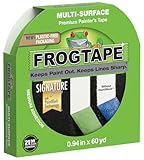
I still remember the first time I tried to jam a roll of cheap masking tape into a fancy dispenser. It was a mess. The tape snagged, tore unevenly, and the whole operation felt like wrestling a greased pig. Most people just assume all tape rolls are created equal and will magically fit into any dispenser. Spoiler alert: they don’t.
This whole question, ‘can i fit masking tape into a dispenser,’ comes up because we’ve all been there, staring at a roll that’s just a millimeter too wide or a core that’s just a smidge too small for the plastic contraption meant to tame it. It’s a simple question, but the answer is surprisingly layered, involving a bit of physics, a dash of common sense, and a healthy dose of knowing your tape from your dispenser.
Let’s cut through the fluff and get down to brass tacks. Not all masking tapes are born equal, and neither are dispensers. You can’t just grab any old roll and expect it to slide in like it’s going home. It’s about dimensions, core sizes, and sometimes, just the sheer stubbornness of cheap tape.
The Nitty-Gritty: Core Sizes and Widths
Alright, let’s talk dimensions, because this is where the rubber meets the road, or in this case, the tape meets the dispenser. When you’re asking ‘can i fit masking tape into a dispenser,’ the two absolute key players are the width of the tape roll and the diameter of the core it’s wound around. Dispensers are built with specific tolerances for these measurements. Think of it like trying to fit a fat watermelon into a narrow shoebox – it’s just not going to happen without some serious persuasion, and usually, that persuasion results in a mess.
Standard masking tape rolls, the kind you grab for painting or light-duty crafting, typically come in a few core diameters. The most common is a 3-inch core. This is the industrial standard, and most heavy-duty dispensers are designed to accommodate this. However, you’ll also find rolls with 1-inch cores, often used for smaller, lighter-duty tapes or specialized applications. Then there are those weird, off-brand rolls that seem to have been manufactured by someone who’s never seen a tape dispenser before. Their core might be 3.1 inches, or 2.9 inches, or some other frustratingly close measurement that makes you question your life choices.
The width of the tape itself is another big factor. Masking tape comes in everything from 1/2-inch rolls for delicate pinstriping to 3-inch or even 4-inch rolls for larger masking jobs. A standard dispenser is usually designed for a specific maximum width. If you have a dispenser built for 2-inch tape and you try to force a 3-inch roll in, you’re going to have tape overhanging the sides, snagging on the cutting edge, and generally making you want to throw the whole thing out the window. It’s not just about fitting the core; it’s about the tape fitting within the dispensing mechanism’s confines.
I learned this the hard way years ago when I bought a bulk pack of what I thought was standard painter’s tape. It looked fine, felt okay, but when I tried to load it into my trusty old 3M dispenser, it was like trying to park a truck in a compact car spot.
The core was just slightly too wide. I spent a good twenty minutes trying to wiggle it in, thinking maybe I was just doing it wrong. Eventually, I ended up tearing the cardboard core to pieces trying to force it, and the tape itself got all mangled. Total waste of time and tape.
That’s when I realized, ‘Okay, not all tape is created equal, and neither are the gizmos they’re supposed to go into.’
This also means that the idea of a ‘one-size-fits-all’ tape dispenser is, frankly, a myth perpetuated by people who probably just use Scotch tape for everything. You need to match the tape to the dispenser. It’s a simple concept, but one that trips up a lot of DIYers and even some seasoned pros when they’re in a pinch.
So, before you even think about loading, check the specs. Most decent dispensers will clearly state the maximum tape width and core size they accept. Likewise, most tape packaging will tell you the width and core size. It’s boring stuff, I know, but it saves you the frustration I experienced. It’s better to spend two minutes checking than twenty minutes wrestling with a stubborn roll.
Dispenser Types and Tape Compatibility
Now that we’ve established the importance of dimensions, let’s talk about the dispensers themselves. They aren’t just generic plastic boxes; they come in a surprising variety, and each type has its own quirks when it comes to what kind of tape it’ll happily accept. Understanding these differences is key to answering if you can fit masking tape into a dispenser without turning it into a bird’s nest.
The most common type you’ll see is the handheld tape dispenser. These are the ones with the little serrated metal or plastic blade. They’re designed for quick application, usually in situations like packing boxes, wrapping gifts, or for light DIY tasks. Most standard handheld dispensers are built for a 1-inch or 3-inch core and can handle tape widths up to about 2 inches.
If you’re trying to fit a 3-inch wide roll of masking tape into one of these, it’s a no-go. The tape will just spill over the sides, and the cutting blade won’t be able to get a clean cut. (See Also: Does Painters Tape Rip Paint Off Walls )
I’ve seen people try to force it, and the result is always ugly, jagged tape edges that look like they were ripped by a badger.
Then you have desktop tape dispensers. These are heavier, often made of metal or sturdy plastic, and sit on your desk. They’re great for office use, sealing envelopes, or smaller craft projects. They typically accommodate a 1-inch core and narrower tape widths, usually up to 1 inch. Trying to fit a standard 2-inch roll of masking tape into one of these is generally impossible. They’re just not built for the bulk.
For actual painting and construction work, you’ll find specialized masking tape dispensers. These are often larger, more solid, and designed specifically for the wider rolls of painter’s tape or general masking tape that are common in those trades. Many of these are designed to hold 3-inch core rolls and tape widths of 1.5 inches, 2 inches, or even 3 inches. These are the ones that actually make using masking tape efficient for bigger jobs. If you’re doing a lot of painting, investing in a proper masking tape dispenser is a no-brainer. It saves you so much hassle compared to just pulling tape off a roll by hand.
There are also industrial tape dispensers, which can be anything from large, free-standing units for high-volume shipping operations to specialized machines for applying tape to products. These are almost always designed for standard 3-inch cores and a wide range of widths. If you’re looking at one of these, it’s probably for a commercial or industrial setting, and they’re usually quite forgiving with standard tape sizes.
The key takeaway here is that the dispenser is designed with a specific purpose and tape size in mind. If you have a roll of masking tape that’s wider than the dispenser is designed for, or a core that’s too big, the answer to ‘can i fit masking tape into a dispenser’ is a firm ‘no.’ You can’t force it. It’s like trying to put a square peg in a round hole; it just causes damage and frustration.
My own foray into this involved a very specific scenario: trying to use a cheap, no-name brand of tape in a slightly older, but still functional, 3M dispenser meant for painter’s tape. The dispenser was built for a 3-inch core and up to 2-inch wide tape. The tape roll looked the same, but the cardboard core was slightly thicker. It just wouldn’t seat properly on the dispenser’s spindle. I ended up having to cut about half an inch off the sides of the tape roll’s core with a utility knife to get it to fit. It worked, but it was a fiddly, annoying process that made me realize just how important those millimeters are.
So, when you’re buying tape or a dispenser, pay attention to the compatibility. If you’re unsure, err on the side of caution and check the dimensions. It’s a small step that prevents a lot of headaches.
Common Mistakes and How to Avoid Them
Let’s be honest, we’ve all made them. The impulse buy, the assumption that ‘it’ll probably fit,’ the sheer impatience to just get the job done. These lead to a whole host of mistakes when it comes to fitting masking tape into dispensers. Understanding these pitfalls is half the battle in getting it right.
The most frequent mistake is ignoring the core size. As we’ve hammered home, most dispensers are designed for a 3-inch core. If you buy a roll with a 1-inch core and try to cram it into a 3-inch dispenser, it’s just going to rattle around, not engage the spindle properly, and make dispensing a nightmare. Conversely, trying to force a 3-inch core into a 1-inch dispenser is physically impossible unless you mangle the core, which we’ve already established is a bad idea. Always check the core size of your tape and the dispenser’s capacity.
Another common error is mismatching tape width to dispenser width. Dispensers have a maximum tape width they can accommodate. If you have a dispenser designed for 2-inch tape and you try to load a 3-inch roll, the tape will overhang the sides. This means the cutting blade won’t cut cleanly, and you’ll end up with ragged edges. Worse, the overhanging tape can snag on the dispenser’s housing, causing it to jam or tear unevenly. It’s visually jarring and functionally annoying. The tape should sit neatly within the confines of the dispenser’s mechanism.
Then there’s the issue of tape quality versus dispenser quality. Sometimes, you might have a perfectly good dispenser, but the tape itself is just poorly manufactured. The core might be slightly out of round, or the tape might be wound too loosely or too tightly, causing it to snag or break. Cheap, no-name masking tape is often the culprit here. It might seem like a bargain, but if it doesn’t dispense properly, it’s a false economy. I’ve seen people blame the dispenser when, in reality, it was the shoddy tape that was the problem. A good quality tape, even if it costs a bit more, will often load and dispense much more smoothly.
A mistake I’ve seen friends make, and admittedly, I’ve been tempted myself, is trying to force a roll that’s slightly too wide. You see it’s almost fitting, so you give it a good shove. This almost always results in a torn core, a mangled roll of tape, or a dispenser that’s now slightly warped. It’s rarely worth the effort. If it doesn’t slide in with reasonable ease, something is wrong. Patience is a virtue, especially with tape dispensers.
One other area of confusion is when people buy dispensers that are designed for other types of tape, like packing tape or duct tape, and expect masking tape to fit. While some dispensers might look similar, the internal mechanisms, spindle sizes, and blade angles can be quite different. Always make sure you’re using a dispenser specifically designed for the type of tape you intend to use, or one that explicitly states compatibility with masking tape. The common advice to just ‘grab any tape dispenser’ is, in my experience, often wrong. (See Also: Does Masking Tape Work The Same As Painters Tape )
To avoid these mistakes:
- Check the core size: Look for 3-inch cores for most standard dispensers.
- Verify tape width: Make sure the tape width doesn’t exceed the dispenser’s maximum capacity.
- Invest in quality tape: Good masking tape (like FrogTape or Scotch Blue) tends to have consistent dimensions and good adhesive properties.
- Don’t force it: If it doesn’t fit easily, it’s probably not the right fit.
- Read the packaging: Both the tape and dispenser packaging will usually list compatible sizes.
Taking these simple steps will save you a lot of frustration and make sure your masking tape is ready to go when you need it.
Real-World Use Cases and Tips
So, we’ve established that yes, you can fit masking tape into a dispenser, but it’s not always straightforward. Now, let’s talk about where this actually matters in your day-to-day life and how to make it work best for you. It’s not just about slapping tape on things; it’s about efficiency and a clean finish.
The most obvious use case is painting. Whether you’re a homeowner tackling a weekend project or a professional painter, masking tape is your best friend for creating clean lines between walls and trim, covering up areas you don’t want painted, or protecting fixtures. A good masking tape dispenser, loaded with the right tape, makes this process so much faster.
You can quickly dispense long, straight strips without fumbling with the roll. This saves time and makes sure a consistent application. I’ve found that using a dispenser designed for painter’s tape, often a wider one that can take 2-inch or 3-inch rolls, is a big deal. It allows you to mask off large areas quickly and efficiently, which is vital when you’ve got a deadline or just want to get back to enjoying your freshly painted room.
Beyond painting, masking tape is surprisingly versatile. In crafting and DIY projects, a dispenser can be incredibly handy. Need to temporarily hold pieces together while glue dries? Want to create a straight edge for applying a design? A dispenser allows for quick, precise application. For example, when I’m making custom stencils, I use masking tape to hold the stencil material in place on my project surface. Being able to dispense just the right amount of tape quickly means I can secure the stencil without it shifting, leading to cleaner lines when I spray paint or apply my design.
Packaging and shipping is another big one. While packing tape is more common, masking tape can be useful for temporarily sealing boxes, holding labels in place, or bundling items together. A handheld dispenser makes this a breeze. You can quickly apply tape without having to tear it off the roll, which often leads to uneven edges and wasted tape. This is where those smaller, handheld dispensers shine, especially if you’re dealing with a variety of box sizes.
Here are a few practical tips to make using masking tape in a dispenser even better:
| Scenario | Dispenser Type | Tape Considerations | My Verdict |
|---|---|---|---|
| Home Renovation Painting | Wide handheld or workbench dispenser (e.g., 2-3 inch tape width) | High-quality painter’s tape (e.g., FrogTape, Scotch Blue) with a 3-inch core. Needs to stick well but remove cleanly. | Key. Saves hours and prevents painter’s tape ‘bleeding’ under edges. |
| Crafting/Cardmaking | Small handheld dispenser (e.g., 1-inch tape width) | Standard office masking tape or artist’s tape. Focus is on clean tearing and minimal residue. | Convenient, especially for detailed work where precision matters. |
| Temporary Fixturing (e.g., holding parts during gluing) | Any handheld dispenser | Standard masking tape. Needs to hold reasonably well but not leave sticky residue. | Useful for quick, temporary holds. Not for heavy-duty clamping. |
| Sealing Light Packages | Standard handheld packing tape dispenser (can sometimes fit narrow masking tape rolls) | Standard 1 or 2-inch masking tape. Cheaper than packing tape for light use. | Okay, if you already have the dispenser and are just sealing a few light boxes. Packing tape is usually better for security. |
One tip I picked up from a professional painter is to slightly ‘pre-stretch’ the tape as you dispense it. When you pull the tape from the dispenser, give it a gentle tug. This helps the adhesive activate better and creates a more secure bond, especially on slightly textured surfaces. It sounds minor, but it really does make a difference in how well the tape seals and how clean the lines are.
Another thing: always apply the tape to a clean, dry surface. Dust, grease, or moisture will prevent the tape from sticking properly, rendering even the best dispenser and tape combination useless. It’s simple physics – adhesives need a clean surface to bond to.
Finally, always store your dispensers properly. Keep them clean, and if they have a blade, make sure it’s protected. A clogged or damaged blade will make dispensing difficult, regardless of the tape or dispenser type. If you’re not using it for a while, retracting the blade or putting a small piece of tape over it can prevent dust and debris from accumulating.
Can I Fit Masking Tape Into a Dispenser? The Nitty-Gritty Details
Let’s circle back to the core question: can i fit masking tape into a dispenser. The short answer is: often, yes, but it depends entirely on the specific tape and dispenser. It’s not a blanket ‘yes’ or ‘no.’ There are technicalities involved, and ignoring them is how you end up with that frustrating, mangled tape situation I’ve described. We’ve covered dimensions, types, and common mistakes, but let’s drill down into some of the less obvious factors and give you a clear decision-making framework.
First, we need to talk about the spindle. Most dispensers have a spindle or a core holder that the tape’s inner core slides onto. These spindles have a specific diameter. For 3-inch core dispensers, the spindle is designed to hold a 3-inch diameter core. If your tape has a 3-inch core, it should slide on. If your tape has a 1-inch core, you’ll need an adapter or a dispenser specifically designed for 1-inch cores. Some dispensers come with interchangeable spindle sizes or adapters, which is a huge plus. If yours doesn’t, and you have a 1-inch roll, you’re out of luck unless you get a different dispenser. (See Also: Does Painters Tape Peel Paint )
Then there’s the tension. Dispensers are designed to apply a certain amount of tension to the tape as it’s pulled. This helps the tape feed smoothly and prevents it from unspooling too quickly. If the tape roll is slightly too loose on the spindle (due to a core size mismatch or a worn-out spindle), the tension will be off. This can lead to the tape snagging or tearing. Conversely, if the tape is too snug, it might be hard to pull, or the core might get damaged.
Let’s consider the cutting blade. The blade is positioned to cut the tape cleanly at the edge of the dispenser. If the tape is too wide and overhangs the dispenser’s housing, the blade might not make full contact, resulting in a ragged cut. Or, if the tape is wound unevenly or is too thick, it can chew up the blade over time. This is why using the correct width of tape is so important. A 2-inch wide roll should fit neatly within the cutting mechanism of a dispenser designed for 2-inch tape.
Here’s a scenario that illustrates the nuances: I once had a dispenser that was advertised as ‘universal.’ It came with two sets of spindle adapters. One set was for the standard 3-inch core, and the other, smaller set, was for 1-inch cores. This is the kind of thoughtful design that actually works. I could easily fit both standard painter’s tape rolls and smaller craft tape rolls into it. This ‘universal’ claim, in this case, was actually backed up by engineering. However, many dispensers that claim to be universal are just standard 3-inch core dispensers and won’t accommodate 1-inch cores without an adapter.
Contrarian Opinion: Everyone says you need a specific dispenser for specific tape. I disagree. While specialized dispensers are often better, a good quality, adjustable dispenser (like the one I mentioned with interchangeable spindles) can handle a surprisingly wide range of tape types and sizes. The key isn’t necessarily a different dispenser for every tape, but a well-designed dispenser that can be adjusted or is built to common standards. You just need to be aware of the core size and tape width limitations of any dispenser you buy.
For the average user asking ‘can i fit masking tape into a dispenser,’ the most common and successful scenario involves a 3-inch core tape roll and a dispenser designed for that core size and the tape’s width. If your tape has a different core size, or is wider than the dispenser can handle, you’re going to run into problems. It’s a simple measurement game.
If you have a roll of tape and you’re unsure if it will fit a dispenser, a quick measurement with a ruler or caliper is your best friend. Measure the diameter of the cardboard core and the width of the tape. Then, compare those measurements to the specifications listed on the dispenser (if available) or on the tape packaging.
Faq: Your Masking Tape Dispenser Questions Answered
What Is the Standard Core Size for Masking Tape?
The most common standard core size for masking tape, especially for painter’s tape and wider rolls used in construction or general DIY, is 3 inches in diameter. However, smaller rolls, often used for crafts or delicate work, can have a 1-inch core. It’s important to know which you have and what your dispenser is designed for.
Can I Use a Packing Tape Dispenser for Masking Tape?
Generally, no. Packing tape dispensers are designed for different tape widths and core sizes (often 3-inch cores but with different spindle diameters and dispenser widths). While a very narrow roll of masking tape might physically fit, it’s unlikely to dispense or cut properly. It’s best to use a dispenser made for masking tape or a compatible type.
My Masking Tape Roll Is Slightly Too Wide for the Dispenser. What Can I Do?
If the tape is only slightly too wide (e.g., a 2.1-inch roll in a 2-inch dispenser), you can sometimes carefully trim about 1/10th of an inch off the edges of the tape roll itself. However, this is a last resort and can lead to uneven dispensing. A better solution is to get tape that matches the dispenser’s width. If the core is too wide, you might need to modify the core (which risks damaging it) or get a dispenser that accommodates wider cores.
Will Masking Tape Leave Residue If Used in a Dispenser?
Most good quality masking tapes are designed to be residue-free when removed within a reasonable timeframe (usually 24-72 hours, depending on the tape and surface). Cheaper, low-quality tapes are more likely to leave sticky residue behind, regardless of whether you used a dispenser or not. The dispenser itself doesn’t cause residue; the tape’s adhesive formulation does.
How Do I Clean a Masking Tape Dispenser?
To clean a masking tape dispenser, start by removing any old tape remnants from the roller and spindle. Use a soft brush or cloth to wipe away dust and debris. For sticky residue on the dispenser itself, a small amount of rubbing alcohol on a cloth can often dissolve it. Make sure the dispenser is completely dry before loading a new roll of tape to prevent it from sticking prematurely.
Verdict
So, to wrap it all up: can i fit masking tape into a dispenser? Yes, most of the time, but only if the dimensions – specifically the core size and tape width – match what the dispenser is designed for. It’s not rocket science, but it does require paying attention to the details that those cheap, no-name brands often ignore.
Don’t be like me, wrestling with a mangled roll of tape because I didn’t check the specs. A few minutes of inspection upfront can save you a heap of frustration and make sure your tape rolls out smoothly, cuts cleanly, and does the job it’s supposed to do, whether that’s creating razor-sharp paint lines or temporarily holding something together.
My final, honest opinion? Invest in a decent dispenser if you use masking tape even semi-regularly. It’s one of those small tools that makes a big difference in how smoothly your projects go. And always, always check the core size. That little bit of diligence is the difference between a clean job and a sticky mess.