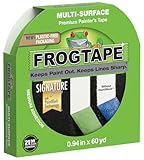
I’ve been there. You’re in the middle of a paint job, got a perfectly clean line etched out with painter’s tape, and suddenly you realize you need to bake something. The oven is preheated, you’re on a schedule, and a crazy thought pops into your head: can I put painter’s tape in the oven?
It’s a question born of desperation, of wanting to save a few minutes or a bit of hassle. But before you shove that roll of blue tape into a hot appliance, let’s get real about what happens. Trust me, I’ve learned the hard way that some shortcuts just lead to a longer road.
What Happens When Painter’s Tape Meets the Heat?
Look, the short answer is no, you absolutely should not put painter’s tape in the oven. This isn’t some grey area where you might get away with it. It’s a flat-out, no-goes. Painter’s tape is designed for one thing: sticking to surfaces temporarily and peeling off cleanly without damaging paint. It’s made of paper, with a specific type of adhesive that’s sensitive to heat. When you crank up the oven, that tape is going to do what any paper product with glue does in extreme heat: it’s going to break down.
The paper itself will likely char, darken, and eventually turn to ash if the heat is high enough or the duration long enough. But the real kicker is the adhesive. Most painter’s tapes use a latex-based or acrylic adhesive.
When heated, this stuff melts, becomes incredibly sticky and stringy, and then bakes onto whatever it touches. Imagine trying to scrub melted plastic and glue off your oven racks or the interior walls. It’s a nightmare.
I once tried to get a stubborn price tag off a new baking dish by holding it near a toaster oven for a minute. Big mistake. The adhesive didn’t just melt; it became a gooey, black, impossible-to-remove mess that I spent an hour scraping at with a razor blade and goo remover.
That was a tiny amount of adhesive; imagine a whole roll!
Beyond the sticky mess, there’s also the issue of fumes. As the tape heats up and breaks down, it releases volatile organic compounds (VOCs) and other chemicals. While the fumes from a small piece of tape might not instantly knock you out, they can create an unpleasant smell, and more importantly, they’re not something you want circulating in the air you breathe, especially not in an enclosed space like your kitchen where you cook food. The plastics and adhesives in the tape aren’t meant to be heated to baking temperatures, and their decomposition products are best avoided.
So, to be crystal clear: the paper will burn, the adhesive will melt and bake on, and you’ll create a stinky, potentially toxic mess. It’s a recipe for disaster, not for efficient kitchen hacks. Stick to what the tape is designed for, and keep it away from your oven.
Real-World Scenarios and Why It’s a Terrible Idea
Let’s talk about the ‘why’ people even consider this. Usually, it’s about masking something.
Maybe you’re trying to protect a specific area of a cake or a pastry while you apply some edible decoration, or perhaps you’re attempting some weird oven-baked craft project that somehow involves tape. I remember a friend who was trying to create a patterned effect on homemade bread. (See Also: Does Painters Tape Pull Off Paint )
They’d seen some elaborate scoring techniques and thought, ‘What if I used tape to mask off sections before baking?’ They figured it would burn off or peel away easily. Spoiler alert: it did not.
The tape fused to the crust, leaving behind a sticky, charred residue that made the bread look and taste awful. We ended up picking bits of burnt tape off for days.
Another common misconception might be that certain types of tape, like high-temperature masking tape used in automotive painting, could withstand oven temperatures. But even those are designed for specific industrial heat applications, not for direct contact with food surfaces or prolonged exposure in a kitchen oven where food is prepared. The adhesives and materials are different. The heat resistance is one thing, but the chemical composition and what they release when heated are entirely another.
Think about it from a materials science perspective, even if you’re not a chemist. Paper is cellulose. Adhesives are polymers and solvents. When you heat them, you’re driving off the solvents and altering the polymer structure. For a painter’s tape, this alteration is usually irreversible and leads to degradation. The goal of using tape in baking or cooking is usually to create a clean separation or a barrier. If the tape itself becomes part of the mess, then the whole exercise is futile. You’re better off using parchment paper, stencils made of food-safe materials, or simply being precise with your knife skills.
The common advice around using tape for precise projects often overlooks the important difference between materials intended for craft use and those meant for food preparation or high-heat environments. People might use painter’s tape for masking off areas in DIY projects that are then painted or sealed, but that’s a completely different context. When food is involved, safety and material integrity are most important. The risk of chemical leaching, creating a fire hazard from burning paper, or simply creating an unfixable mess far outweighs any perceived benefit.
What to Use Instead: Safe and Effective Alternatives
Since putting painter’s tape in the oven is a hard no, let’s talk about what you should be using if you find yourself in a similar situation. The best alternative depends entirely on what you’re trying to achieve. If you’re trying to mask off an area on a cake or pastry for decoration before baking (though most decorating happens after baking), parchment paper is your best friend. Cut it to shape, use it as a stencil, and it will withstand oven temperatures without melting or burning, and it peels away cleanly.
For creating clean lines or patterns on baked goods after they’ve cooled, consider using stencils. You can buy pre-made stencils out of food-safe plastic or even cut your own from cardstock or thin plastic sheets. Dust with powdered sugar, cocoa powder, or edible glitter for beautiful patterns. If you need a temporary barrier during baking that doesn’t involve direct food contact (like protecting the handles of a pan you’re removing from the oven early), oven mitts are the obvious, safe choice. They are specifically designed for high heat and safe handling of hot items.
If you’re thinking about some sort of craft project that involves baking something with tape on it – and I’m genuinely baffled as to why you’d do this – you need to rethink the materials. For instance, if you’re trying to create a textured surface on clay for baking, there are tools designed for that. If you’re trying to hold something in place while it bakes, consider metal skewers, food-safe clips, or simply arranging the items so they support each other. There’s almost always a culinary-grade or heat-resistant material that serves the intended purpose safely.
Here’s a quick rundown:
| Desired Outcome | Recommended Alternative | Verdict |
|---|---|---|
| Masking food for decoration/pattern before baking | Parchment paper cut to shape, food-safe stencils | Safe, effective, clean removal. |
| Protecting hands/items from heat | Oven mitts, silicone pot holders | Key for safe handling. |
| Creating texture on non-food items (e.g., clay) for baking | Clay sculpting tools, textured rollers, specific craft tapes designed for baking clay | Choose materials rated for oven temperatures and food safety if applicable. |
| Holding items together while baking | Food-safe skewers, clips, strategic arrangement | Makes sure structural integrity without melting hazards. |
The key takeaway is to always use materials that are specifically designed for the environment you’re using them in, especially when heat and food are involved. Painter’s tape is for painting walls, not for baking cakes. (See Also: Does Painters Tape Rip Paint Off Walls )
Common Mistakes People Make with Oven and Tape
The biggest mistake, obviously, is thinking can i put painters tapen in oven is even a question worth entertaining for more than a split second. But beyond that, people often underestimate how much heat an oven generates and how materials react to it. They might think, ‘Oh, it’s just a little bit of tape,’ or ‘It’s only in for a few minutes.’ This is where things go wrong.
Ovens maintain consistent, high temperatures. Even a short exposure can cause the adhesive to break down and melt, and the paper to char. The residual stickiness can fuse to your oven components, making cleaning a nightmare.
I once had a friend try to tape off the edges of a pizza stone that had some burnt-on cheese. They figured the tape would just burn off and they’d scrape it away.
Instead, the adhesive melted, dripped, and carbonized onto the stone, creating a permanent, rough patch that made the stone harder to clean than before. They ended up having to replace the stone.
Another mistake is not considering the fumes. People focus on the mess and the immediate visual result, forgetting that the breakdown of materials releases chemicals. These fumes can linger, affecting the taste of future food cooked in the oven or, at worst, posing a health risk. It’s like burning plastic; it smells bad and isn’t good for you. The adhesive is often a complex mixture of polymers, plasticizers, and tackifiers, none of which are meant to be aerosolized and inhaled during the cooking process. The paper backing, while just paper, will combust at high enough temperatures, which is a fire hazard.
Then there’s the assumption that all painter’s tape is the same. While they all share a similar purpose, the exact composition of the adhesive and paper backing can vary slightly between brands and types (e.g., delicate surface vs. general purpose). However, none of these variations make them oven-safe. The fundamental problem remains: they are not designed for that kind of thermal stress or proximity to food. It’s a case of using the wrong tool for the job, and the consequences can be sticky, smoky, and frustrating. Always remember the intended use of a product, especially when it comes to your kitchen appliances and food safety.
Why Is Painter’s Tape Sticky?
Painter’s tape gets its stickiness from an adhesive coating applied to its paper backing. This adhesive is specifically formulated to create a temporary bond with surfaces, strong enough to hold the tape in place during painting but weak enough to allow for clean removal without damaging the underlying material. It typically contains polymers like acrylics or latex, along with tackifiers and plasticizers, all designed to balance adhesion with removability.
What Kind of Tape Can Go in the Oven?
Generally, no common household tape is designed to go into a standard kitchen oven for cooking or baking purposes. High-temperature masking tapes used in industrial settings or specialized applications might withstand certain temperatures, but they are not food-safe and can still degrade and release fumes. For oven use, rely on materials explicitly designed for food preparation and high heat, such as parchment paper or food-grade silicone.
Can Heat Melt Tape Adhesive?
Yes, heat can absolutely melt tape adhesive. Most adhesives are made of polymers that soften and become more fluid when heated. The exact temperature at which melting occurs depends on the specific composition of the adhesive, but it’s a common reaction. This melting makes the adhesive sticky and stringy, and if it cools while stuck to a surface, it can become very difficult to remove, often requiring solvents or scraping.
The Chemistry of the Mess: Why Adhesives Fail
Let’s get a little nerdy for a second, because understanding the ‘why’ makes it easier to remember. The adhesive on painter’s tape is a complex chemical cocktail. At its core, you’ve got polymers – think long chains of molecules – that give the adhesive its structure and stickiness. For painter’s tape, these are often acrylic polymers or synthetic rubbers, chosen for their balance of tack (initial stickiness) and peel strength (how easily it comes off). Mixed into these polymers are tackifiers, which are resins that increase the stickiness, and plasticizers, which make the adhesive more flexible and prevent it from becoming brittle. (See Also: Does Masking Tape Work The Same As Painters Tape )
When you introduce heat from an oven, you’re basically bombarding these molecules with energy. This energy causes them to vibrate more vigorously. For the polymers, this can lead to several things. First, it can break down the intermolecular forces that hold the structure together, causing the adhesive to soften and flow. This is why it gets melty and stringy. Second, at higher temperatures, the heat can cause chemical reactions within the adhesive itself, a process called degradation. This can break the polymer chains into smaller, less stable molecules, potentially releasing volatile organic compounds (VOCs) as gases. These are the fumes you might smell.
The paper backing isn’t inert either. It’s made of cellulose fibers. While cellulose is relatively stable, it will char and burn at high temperatures, especially when exposed to oxygen in the oven. The glue itself can also contain components that are flammable. So, you’re not just dealing with a sticky mess; you’re dealing with materials that are actively breaking down into potentially harmful byproducts and creating a fire risk. It’s a cascade of chemical failures waiting to happen. When people ask can i put painters tapen in oven, they’re often thinking about the physical act of sticking, not the chemical breakdown. It’s the chemistry that makes it such a bad idea.
When ‘good Enough’ Isn’t Good Enough: Safety First
I’ve always been a bit of a tinkerer, trying to find clever workarounds. I remember trying to use duct tape to seal a leaky garden hose once. It worked for about a week before the sun and heat turned the adhesive into a gooey mess that attracted every ant in the neighborhood. It wasn’t catastrophic, but it was a mess. This is the same principle, just amplified by the intense, consistent heat of an oven. The idea of ‘good enough’ is dangerous when it comes to your kitchen appliances and the food you prepare. The margin for error is tiny.
Think about it this way: the materials used in baking pans, oven racks, and baking liners are specifically chosen for their ability to withstand high temperatures without degrading, leaching chemicals, or becoming a fire hazard. They are certified for food contact. Painter’s tape is certified for painting walls. These are fundamentally different categories of materials. The adhesive on painter’s tape contains chemicals that are not intended for ingestion or inhalation at lifted temperatures. Even if you’re not baking food directly on the tape, the fumes released can contaminate the oven environment and subsequently your food.
Furthermore, a sticky, melted adhesive can drip onto heating elements or the bottom of the oven, creating smoke, a fire risk, and a persistent smell that’s incredibly difficult to remove. I’ve heard horror stories of people having to replace entire oven interiors or call professional cleaning services because of melted tape or plastic. The cost and effort to rectify the situation far outweigh any imagined time savings from using tape improperly. It’s important to remember that kitchen safety is not a suggestion; it’s a requirement for preparing food properly and avoiding accidents. Always err on the side of caution and use materials designed for their intended purpose in the kitchen.
What Happens If Painter’s Tape Gets Wet?
If painter’s tape gets wet, the paper backing will likely become saturated and start to tear or disintegrate. The adhesive might also lose some of its stickiness temporarily, or it could become gummy and difficult to remove cleanly once it dries. It’s not designed to be submerged or exposed to significant moisture.
Can I Use Masking Tape in the Oven Instead of Painter’s Tape?
No, you should not use masking tape in the oven either. Masking tape is also made of paper and adhesive and shares the same fundamental problem as painter’s tape: it’s not designed for high heat. It will char, melt, and leave a sticky residue, just like painter’s tape, and poses the same risks of fumes and fire.
Is the Residue From Melted Painter’s Tape Toxic?
The residue from melted painter’s tape contains the degraded components of the adhesive and paper. While a small amount might not cause acute toxicity, the chemicals released are not intended for consumption or inhalation at those temperatures. They can be irritating, contribute to unpleasant odors, and potentially leach into food cooked in a contaminated oven. It’s best to avoid any situation where this occurs.
Conclusion
So, to put it plainly: no, you absolutely cannot and should not put painter’s tape in the oven. The paper will burn, the adhesive will melt into a sticky, stubborn mess, and you’ll likely fill your kitchen with unpleasant and potentially harmful fumes. It’s a shortcut that leads to a whole lot more work, a potential fire hazard, and ruined baking surfaces.
If you need to mask something, protect an area, or create a design element in baking or cooking, there are always safe, purpose-built alternatives like parchment paper, food-grade stencils, or silicone mats. Don’t gamble with your oven, your food, or your safety. Stick to the right tools for the job, and keep that painter’s tape for painting walls.
Next time you’re tempted by a ‘clever’ oven hack involving tape, ask yourself: is this product actually designed for this environment? The answer for painter’s tape is a resounding no.