I remember the first time I tried to mask off a section of my old Civic for a quick touch-up. I grabbed a roll of blue stuff from the hardware store, thinking, ‘How hard can this be?’ Turns out, pretty darn hard if you pick the wrong kind. The question ‘can i use blue painters tape on my car’ pops up a lot, and the short, blunt answer is: sometimes, but you need to know which one and why.
Most of us have seen it, maybe even used it for DIY projects around the house. It’s cheap, readily available, and generally does a decent job of sticking to things without leaving a residue. But a car’s paint job is a whole different ballgame. It’s a delicate surface, and messing it up can cost you a fortune.
So, let’s cut to the chase: is that roll of blue tape in your garage actually up to the task of protecting your car’s finish, or is it a recipe for disaster? I’ve learned the hard way, so you don’t have to.
When Blue Tape Meets Your Car: What You Need to Know
Look, not all blue painters tape is created equal. That’s the first thing you’ve got to get through your head.
The stuff you use to paint your bedroom walls, the stuff that costs like $5 a roll? Probably not your best bet for a car.
I learned this the expensive way back when I was trying to do a two-tone job on a friend’s pickup. I used the cheap stuff, and when it came time to peel it off after just a couple of hours, it ripped off a chunk of the fresh paint with it.
We spent the next weekend with a spray can, trying to fix what the tape broke. Lesson learned: you get what you pay for, and automotive masking tape is a prime example.
The key difference lies in the adhesive and the tape material itself. Automotive-grade masking tapes are designed with a specific type of adhesive that can withstand higher temperatures (like those found in a paint booth or even just direct sunlight on a hot day) and are formulated to be removed cleanly from painted surfaces without damaging them. They also tend to have a slightly different backing material that is more resistant to solvents and thinner commonly found in automotive paints. Regular blue painters tape, on the other hand, often uses an acrylic adhesive that can become brittle or gummy when exposed to heat or certain chemicals, leading to residue or, worse, paint damage.
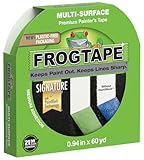
So, can I use blue painters tape on my car? Yes, but you MUST use tape specifically labeled as automotive masking tape or 3M blue multi-surface tape, which is designed for automotive use. Don’t just grab any blue tape.
Think of it like using a regular kitchen knife versus a steak knife – they both cut, but one is designed for a specific, more delicate task. The price difference is usually not that huge, maybe a few extra bucks a roll, and trust me, it’s worth every penny to avoid a paint repair nightmare. I’ve seen guys try to get away with the cheap stuff for a quick striping job, only to end up with an uneven line and a whole lot of sanding and repainting ahead of them. (See Also: Does Painters Tape Pull Off Paint )
Save yourself the headache.
The Real Deal: What to Look for in Automotive Tape
When you’re out shopping for tape to protect your car’s paint, don’t just scan for the color blue. You need to be looking for specific labels and features. The most important thing is that it’s designed for automotive use. This usually means it’ll say something like ‘automotive masking tape,’ ‘professional automotive masking tape,’ or be from a reputable brand known for automotive supplies, like 3M or G-Force. These tapes are engineered to stick well enough to create a clean line but also to peel off cleanly without leaving adhesive residue or pulling paint off, even after it’s been on for a few days or exposed to moderate heat.
Temperature resistance is another biggie. Cars sit in the sun. If you’re painting, especially in a non-climate-controlled garage, temperatures can fluctuate. Cheap painters tape can get brittle in the cold or turn into a sticky mess in the heat. Automotive tapes are typically rated for higher temperatures, often up to 200°F (93°C), which is usually sufficient for most DIY painting scenarios. If you’re baking the paint in a proper paint booth, you’ll need something even more specialized, but for typical garage work, this range is key.
Another factor is the tape’s edge. A good automotive masking tape has a sharp, clean edge that creates a crisp paint line. This is thanks to the way the tape is manufactured. Cheaper tapes can have fuzzy edges or be inconsistent, leading to paint ‘bleeding’ under the tape, which means more work for you later. You’re basically looking for a tape that acts like a stencil – precise, reliable, and easy to remove.
Here’s a quick rundown of what to prioritize:
| Feature | Why It Matters for Cars | Verdict |
|---|---|---|
| ‘Automotive Grade’ Label | Specifically formulated for car paint and temperatures. | Key |
| Temperature Resistance (up to 200°F) | Prevents tape from becoming brittle or gummy. | Highly Recommended |
| Clean Removal Adhesive | No sticky residue left behind, no paint pulled off. | A must |
| Sharp, Consistent Edge | Makes sure crisp paint lines and prevents bleeding. | Important |
| Solvent Resistance | Won’t degrade when exposed to automotive paint thinners or cleaners. | Highly Recommended |
So, before you slap that tape on your ride, read the label. If it doesn’t clearly state it’s for automotive use or doesn’t mention clean removal and temperature resistance, put it back.
Common Mistakes and What Not to Do
The biggest mistake people make, and one I’ve seen a hundred times, is thinking that any blue tape will do. It’s the ‘it’s just tape’ mentality. I’ve seen guys use it for masking off windows before washing, only to find streaks of dried tape adhesive baked onto the glass by the sun later. Or worse, using it on freshly painted surfaces (even non-car paint) and having it lift the paint when removed. If it’s happening on a wall, imagine what it can do to your car’s delicate clear coat.
Another common error is leaving the tape on for too long, especially in direct sunlight or heat. Even automotive-grade tape has its limits. If you’re painting, you generally want to remove the tape while the last coat of paint is still slightly wet or at least tacky. This helps prevent the paint from drying onto the tape edge, which can cause it to lift and create a jagged line. Waiting too long allows the paint to fully cure onto the tape, making removal a gamble.
Applying tape too tightly is also a problem. You want it to conform to the body lines, sure, but if you stretch it too much, it can warp or pull away from edges, creating gaps where paint can sneak under. Conversely, not pressing it down firmly enough means it won’t seal properly. You need to apply even pressure, especially along the edges that will be the paint line, to make sure a good seal. (See Also: Does Painters Tape Rip Paint Off Walls )
Here’s a little story: a buddy of mine was doing a subtle stripe on his classic muscle car. He spent ages prepping, masking with what he thought was good quality blue tape. He let the paint cure for a full 24 hours, then went to pull it off. Boom. Jagged line, paint bleeding everywhere. Turns out, the tape was old, the adhesive had dried out, and it was brittle. He ended up having to wet-sand the entire stripe and re-tape. That’s not a fun weekend. So, always check the tape’s age and condition. If the roll feels dry or the edges look cracked, toss it.
Contrarian Opinion: Why Some ‘blue Tape’ Is Fine, but You Need to Be Sure
Now, here’s where I might ruffle some feathers. Everyone says, ‘Don’t use regular painters tape on your car.’ And for the most part, they’re right. But I’ve personally used 3M’s blue multi-surface tape (the one in the blue dispenser, not just any blue roll) for small touch-ups and even for masking off trim pieces when doing a quick spray can job on a spoiler, and it worked flawlessly. It’s marketed as being safe for multiple surfaces, including painted ones, and it has a good temperature rating.
The reason I think some blue tape can work, and why the blanket ‘never’ is a bit over the top, is that the quality of the blue tape can vary wildly. Some higher-end blue tapes are designed to be more forgiving on surfaces and offer better heat resistance than the absolute cheapest stuff. However, the important difference is that these higher-quality blue tapes often have specifications that align closely with what automotive tapes offer. They might not be explicitly branded ‘automotive,’ but their performance characteristics are similar.
My advice? If you’re going to risk a ‘non-automotive’ blue tape, make sure it’s from a reputable brand, clearly states it’s safe for painted surfaces, and has a decent temperature rating. Better yet, just buy the actual automotive tape. It costs a little more, yes, but the peace of mind and the guaranteed clean lines are worth the minimal extra expense. Don’t experiment with a show car; maybe try it on an old beater first if you’re feeling brave. But for your prized possession, stick to the pros’ choice.
Practical Tips for Using Tape on Your Car
When you’re ready to mask your car, cleanliness is king. Make sure the area you’re taping is clean, dry, and free of wax, grease, or dirt. Any debris under the tape can create an uneven edge or even scratch the paint when you remove it. A good wash and dry, followed by a wipe-down with an isopropyl alcohol (IPA) solution, is usually sufficient. Just make sure the IPA has evaporated completely before you start taping.
Apply the tape in smooth, continuous sections where possible. If you have to overlap, make sure the overlap is clean and doesn’t create a ridge. When you’re reaching curves or complex body lines, you might need to make small relief cuts in the tape or use a heat gun very gently to help it conform. Be careful with the heat, though; too much can damage the paint or soften the adhesive too much, causing it to migrate.
Always press the tape down firmly, especially along the edge where you want the paint line. A fingernail or a plastic squeegee works well for this. This makes sure a good seal and prevents paint from wicking underneath. If you’re doing any kind of spraying, consider a few light coats rather than one heavy one. Less overspray means less chance of paint finding its way under the tape.
And remember the removal. As mentioned, pull the tape off slowly and at a sharp angle (around 45 degrees) away from the painted surface. If you’re pulling it straight up, you increase the risk of lifting the paint. Listen to the tape as you pull; if it sounds like it’s sticking too much or tearing the paint, stop, reposition, and try again, perhaps with a bit of gentle heat from a hairdryer if it’s really stubborn.
Here are some steps for effective taping: (See Also: Does Masking Tape Work The Same As Painters Tape )
- Clean the Surface: Wash and dry your car thoroughly. Use an IPA wipe to remove any residual contaminants and make sure the surface is pristine.
- Dry Fit: Before peeling the backing, lay the tape in place to visualize your lines and curves. Make any necessary adjustments.
- Apply Firmly: Peel the backing slowly and press the tape down firmly as you go, paying special attention to the edge that will define your paint line. Use a squeegee or your fingernail for this.
- Create a Seal: Make sure all edges are sealed against the car’s surface. For complex curves, you might need to make small relief cuts.
- Paint Application: Apply paint in light, even coats. Avoid heavy saturation near the tape line.
- Remove Promptly: Remove the tape while the paint is still slightly tacky, pulling it back slowly at a 45-degree angle.
Faq: Your Blue Tape Questions Answered
Is Blue Painters Tape Safe for Car Paint?
It depends on the type of blue painters tape. Standard, cheap blue tape intended for household use is generally NOT safe for car paint. It can leave residue, become brittle, or even pull off paint, especially on older or less durable finishes. However, higher-quality blue tapes, particularly those specifically labeled as ‘multi-surface’ or ‘automotive,’ can be safe if used correctly and within their temperature limitations.
Can I Leave Blue Tape on My Car Overnight?
Generally, it’s best to avoid leaving standard blue painters tape on your car for extended periods, especially overnight or in varying temperatures. Automotive-specific tapes are designed for longer application times, but even then, it’s often recommended to remove them within 24-48 hours and ideally while the paint is still slightly tacky. Leaving it on too long, particularly in sunlight, can cause the adhesive to degrade or bond too strongly, making removal difficult and risky.
What Kind of Tape Should I Use for Painting My Car?
For painting your car, you should use high-quality automotive masking tape. Brands like 3M, G-Force, or ScotchBlue (specific automotive versions) offer tapes designed to withstand automotive paint systems, resist solvents, handle temperature fluctuations, and remove cleanly without damaging the paint. Look for tapes that are specifically labeled for automotive use or professional painting applications.
Will Blue Tape Leave Residue on My Car?
Standard, low-quality blue painters tape has a higher chance of leaving sticky residue on your car’s paint. This is due to the adhesive breaking down or becoming gummy, especially when exposed to heat or aged. Automotive-grade masking tapes are formulated with adhesives that are designed to resist leaving residue when removed properly and within the recommended timeframe. Even with automotive tape, very old or damaged rolls might still cause issues.
Can I Use Blue Painters Tape for Detailing?
For general detailing, like masking off trim for a quick polish or applying a ceramic coating, the same rules apply. While you might be tempted to use cheap blue tape, it’s best to use automotive-grade tape or high-quality multi-surface tape. This is because detailing products can sometimes be more aggressive than plain water, and you want to make sure the tape won’t leave residue or damage any protective coatings you might have applied. The clean removal is key for detailing work where you’re often working with delicate surfaces.
The Long-Term Impact of Using the Wrong Tape
I can’t stress this enough: the long-term impact of using the wrong tape on your car is not just about a bad paint line. It’s about potential damage that can linger for a long time. I’ve seen people’s paint jobs ruined by cheap tape, leading to expensive repainting jobs that cost hundreds, if not thousands, of dollars. The adhesive residue, if left to bake in the sun, can be incredibly tough to remove without abrasive methods, which can then dull the paint finish. You might end up with sticky patches that attract dirt, or worse, areas where the clear coat has been compromised.
Then there’s the issue of uneven paint edges. If the tape bleeds, you get a fuzzy, unprofessional line. Fixing this involves sanding down the bad edge and re-applying paint, which is tedious and requires skill. If you try to polish out a bleed, you might end up taking too much clear coat off, creating a dull spot. I once saw a guy try to fix a bleed on his classic car by aggressively buffing it, and he ended up burning through the clear coat, creating a permanent, expensive mistake.
Beyond the visual and financial costs, there’s the frustration. Spending hours masking, painting, and then discovering the tape has marred your work is soul-crushing. It makes you second-guess your DIY abilities and can discourage you from future projects. This is why investing in the right materials upfront, even if it seems like a small cost, is most important. It’s about protecting your investment and making sure a professional-looking finish, even when you’re doing the work yourself. So, when you ask yourself, ‘can i use blue painters tape on my car?’, remember that the answer is strongly conditional on quality and application.
Verdict
So, to wrap things up on the question of whether you can use blue painters tape on your car: the answer is a resounding ‘yes, but only if it’s the right kind.’ You absolutely must opt for automotive-grade masking tape or a high-quality multi-surface tape specifically designed to be safe on painted surfaces. Grabbing the cheapest roll from the hardware store is a gamble you don’t want to take with your vehicle’s finish.
Think of it as an investment in your car’s appearance and your own sanity. The few extra dollars you spend on proper automotive tape will save you potential headaches, costly repairs, and the sheer agony of seeing your paint job ruined by a cheap roll of tape. Always read the label, understand the tape’s limitations regarding temperature and removal time, and prepare your surface properly.
Next time you’re about to mask off a section of your car, whether for a full paint job, a touch-up, or even just some temporary protection, take the extra minute to grab the correct tape. Your car, and your future self, will thank you for it.