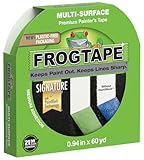
I remember staring at a brand new, pristine whiteboard, armed with a roll of blue painter’s tape. My mission? To create a permanent grid for my brainstorming sessions. Hours later, I was scrubbing at sticky residue and cursing my own optimism. So, can I use painters tape on a whiteboard? The short answer is: maybe, but it’s a terrible idea for most situations. It’s one of those things people try because it’s readily available and seems like a good temporary solution, but the reality is usually messier than you’d think.
This isn’t some abstract theoretical question. I’ve been there, done that, and bought the specialized tape that actually works. Forget the glossy blog posts that tell you it’s ‘fine.’ Let’s talk about what actually happens when you stick that familiar blue stuff onto a smooth whiteboard surface.
Why You’re Even Asking: The Grid Illusion
Look, I get it. Whiteboards are great for quick ideas, but sometimes you need structure. You want lines.
You want boxes. You want a visual framework that doesn’t involve a ruler and a dry-erase marker that’ll smudge before you’re done. This is where the idea of using something like painter’s tape creeps in.
It’s cheap, it’s everywhere, and it seems like the perfect, temporary solution to add some permanent-looking structure to your ephemeral thoughts. You see perfectly taped-off sections in offices, on Etsy shops selling planners, and in DIY tutorials. It looks clean, crisp, and professional. And for a fleeting moment, when you first lay it down, it does look pretty good.
The blue pops against the white, and you feel like you’ve cracked the code to whiteboard organization.
The problem is that ‘temporary’ often becomes ‘sticky mess’ very quickly. The adhesive on painter’s tape is designed to stick to walls and trim for a few days, maybe a week, before being removed.
It’s not formulated for the smooth, non-porous surface of a whiteboard, which is meant to be wiped clean. What happens is the adhesive, especially after being exposed to temperature changes or even just sitting there for a while, starts to break down.
It can leave a gummy residue that dry-erase markers absolutely love to cling to. I once spent an entire Sunday afternoon trying to get the ghosts of painter’s tape lines off a whiteboard I’d used for a project that lasted a month. It looked like a crime scene for dried-out markers.
People also think about using it for masking areas when painting or drawing on the whiteboard itself. That’s a slightly different beast, but still fraught with peril. The goal is to create a clean edge, and painter’s tape is supposed to do that. But again, the adhesive is the culprit. It can peel away bits of the whiteboard’s surface or leave behind that stubborn goo. It’s like trying to use a spatula to comb your hair – the tool isn’t made for the job, and you’ll end up with a mess.
The Sticky Truth About Adhesives
Let’s get down to brass tacks: the adhesive is the enemy here. Painter’s tape, bless its heart, is designed for a specific purpose – to adhere to painted surfaces and then be removed without damaging the paint or leaving too much residue. It’s a delicate balance. Too weak, and it falls off. Too strong, and it rips paint off walls. But a whiteboard isn’t a painted wall. It’s a specially coated surface, often melamine, porcelain, or a similar material, designed for smooth, clean erasure. This surface is a lot less forgiving than a painted wall when it comes to adhesive. (See Also: Does Painters Tape Pull Off Paint )
Most standard painter’s tapes use an acrylic-based adhesive. Over time, especially when exposed to the air and the occasional wipe-down, this adhesive can degrade. It becomes ‘stickier’ in a bad way – the goo separates from the tape backing.
This is the stuff that clings with the tenacity of a barnacle. And it’s not just about the residue; it’s about what the tape does to the whiteboard surface itself. I’ve seen instances where cheaper painter’s tape, left on for more than a week or two, actually started to slightly etch or dull the surface of a lower-quality whiteboard. It’s like it subtly degraded the coating.
My cheapo office supply store whiteboard definitely suffered a bit after I left some tape on for a couple of months.
There are different grades of painter’s tape, of course. You have your basic blue stuff, and then you have the ‘delicate surface’ tapes, which are usually green or a lighter shade of blue. These use a much weaker adhesive, specifically designed for things like wallpaper or freshly painted walls. While they might leave less residue, they also have a higher chance of not sticking well in the first place, meaning your lines will be crooked or they’ll peel up on their own. It’s a bit of a no-win scenario. You’re basically trying to force a tool designed for one job into a role it was never meant to play, and the adhesive is always the weak link.
Contrarian Take: When Painter’s Tape might Work (but Still Probably Shouldn’t)
Okay, here’s where I might ruffle some feathers. Everyone says, ‘Don’t use painter’s tape on a whiteboard, ever.’ And for the most part, they’re right. But I’m going to offer a sliver of hope, a tiny loophole. If you need to add lines to your whiteboard for a very short, defined period – like, maybe for a single-day workshop or a specific presentation that’s going to be wiped clean the next day – then yes, you can probably use painter’s tape. The key is the timeframe. We’re talking 24 hours, maximum 48 hours. And even then, I’d opt for a higher-quality brand known for easier removal.
I’ve done this for a few intense, one-day strategy sessions. I’d lay down the tape carefully, knowing it was coming off that evening. And in those extremely limited scenarios, it worked fine. No residue, no peeling issues. But the moment you extend that timeframe, even to a week, you start gambling. What if the room gets hot? What if someone leans on the tape? What if you forget about it for a month? Suddenly, that ‘fine’ solution turns into a sticky nightmare. So, while technically ‘can I use painters tape on a whiteboard’ has a ‘yes’ answer in the most constrained, immediate-use scenarios, it’s a ‘hell no’ for anything resembling long-term or even medium-term use.
The common advice is generally sound because most people aren’t using their whiteboards for just 24 hours of taped-up glory. They’re trying to set up a system. They’re trying to create a persistent visual. And for that, painter’s tape is the wrong tool.
It’s like using a butter knife to saw through a plank of wood. You might eventually get through it, but it’ll be ugly, frustrating, and you’ll probably ruin the knife (or, in this case, your whiteboard). My advice?
If you need lines, invest in proper whiteboard tape. It costs a bit more upfront, but it saves you so much grief and potential damage.
The cost of a good roll of whiteboard tape is way less than a new whiteboard or hours of scrubbing. (See Also: Does Painters Tape Rip Paint Off Walls )
| Tape Type | Pros | Cons | Verdict for Whiteboards |
|---|---|---|---|
| Standard Blue Painter’s Tape | Readily available, inexpensive | Leaves sticky residue, can damage surface over time, not designed for smooth surfaces | Avoid for anything longer than 24-48 hours. High risk of residue and surface damage. |
| Green/Delicate Surface Painter’s Tape | Weaker adhesive, potentially less residue | May not adhere well, can still leave some residue, not ideal for long-term | Slightly better than blue, but still not recommended for regular or long-term use. Better for very temporary needs. |
| Dedicated Whiteboard Tape | Specifically designed for whiteboard surfaces, clean removal, durable lines | More expensive than painter’s tape | The only truly reliable option for adding lines or grids. Worth the investment. |
| Electrical Tape (Vinyl) | Durable, often brightly colored | Very strong adhesive, almost guaranteed to leave residue and damage surface, difficult to remove | Absolutely do not use. Will ruin your whiteboard. |
What to Look for Instead: The Right Tool for the Job
If painter’s tape is a no-go, what’s the actual solution? You need tape designed for whiteboards. These are often marketed as ‘whiteboard tape,’ ‘grid tape,’ or ‘planning tape.’ They’re usually made of vinyl or a similar flexible, durable material that’s designed to lie flat and resist smudging. The adhesive is formulated to stick firmly but release cleanly, time after time. I’ve used a few brands over the years, and honestly, they’re all pretty similar in their effectiveness. The key is that they are made for this surface.
When you’re shopping, look for descriptions that mention ‘clean removal,’ ‘residue-free,’ and ‘suitable for whiteboards.’ Some of these tapes are even designed to be written on with dry-erase markers, though I usually just use them for lines and boundaries. They come in various widths, from thin pinstripes to wider bands. For creating grids, you’ll want a thinner tape, maybe 1/8 inch or 1/4 inch. For dividing larger sections or creating bold boundaries, a 1/2 inch or 1-inch tape might be better. I personally prefer the thinner tapes for creating functional grids because they look less clunky.
The installation process is also important. With proper whiteboard tape, you lay it down carefully, pressing firmly as you go to make sure good adhesion and no air bubbles. If you’re creating a grid, using a ruler or a straight edge is key. Some people even use a plastic card (like an old credit card) to help smooth the tape down as they apply it, making sure a crisp edge and good contact. This prevents lifting and makes the lines last longer. It’s a bit more meticulous than just slapping on some painter’s tape, but the results are worlds apart.
One thing to consider is the color. Most whiteboard tapes come in black, red, or blue. Black is a classic for a reason – it provides a strong contrast without being too jarring. Red is great for highlighting important areas or deadlines. Blue can also work, but I find black offers the best visibility. Some specialty tapes might come in other colors, but stick to the basics unless you have a very specific design need. And remember, even with the right tape, it’s still a good idea to occasionally clean your whiteboard thoroughly, especially around the taped areas, to keep everything looking fresh and functional.
Common Mistakes and How to Avoid Them
Beyond the fundamental error of using the wrong type of tape, there are a few other pitfalls people fall into. The first is impatience. You’ve just applied your new, fancy whiteboard tape, and you want to start writing on it immediately. Bad move. Most dedicated whiteboard tapes need a little time to fully cure their adhesive. Give it at least a few hours, preferably overnight, before you start drawing on it or erasing near it. This allows the adhesive to bond properly with the whiteboard surface, making it more durable and less prone to lifting.
Another common mistake is improper application. Just sticking the tape on haphazardly will lead to bubbles, lifting edges, and a generally messy appearance. Take your time. Use a straight edge (like a ruler or a T-square) to guide the tape. Press it down firmly as you go, smoothing out any air bubbles. If you’re creating a grid, measure twice and tape once. A perfectly laid grid looks professional and is far more functional than a wonky one. I learned this the hard way when I rushed a grid for a project timeline and ended up with uneven boxes that made it impossible to accurately assign tasks.
People also forget about cleaning. Over time, dry-erase markers can leave faint ghosts, especially on lower-quality whiteboards. If you have tape on your whiteboard, these ghosts can get trapped underneath or build up around the edges. Regularly cleaning your whiteboard with a proper cleaner (not just a dry eraser) is important. For areas with tape, you might need to be a little more careful. Use a cleaner that’s safe for your whiteboard surface and avoid spraying directly onto the tape itself if possible. A damp cloth can often do the trick for gentle cleaning around the tape lines. And never, ever use abrasive cleaners or solvents on a whiteboard, as they can damage the surface and the tape.
Finally, there’s the issue of removal. Even with good whiteboard tape, if you leave it on for years, it might become difficult to remove. While designed for clean removal, any adhesive can degrade over a very long time. If you ever need to remove the tape, do it slowly and carefully. If it starts to feel like it’s sticking too much, you can try gently warming it with a hairdryer on a low setting, which can soften the adhesive. Then, peel it back at a shallow angle. If a tiny bit of residue is left, use a whiteboard cleaner or a cleaner specifically designed for adhesive removal, like Goo Gone (though test this in an inconspicuous spot first).
Real-World Use Cases: Beyond the Office Grid
So, who actually uses this stuff, and why? It’s not just for corporate strategists mapping out quarterly goals. I’ve seen whiteboard grid tape used in all sorts of surprisingly practical ways. For instance, educators use it to create custom learning aids. Imagine a math teacher creating a large multiplication grid or a science teacher mapping out chemical formulas. The tape provides a stable, visible structure that’s much more durable than drawing it freehand every time.
Artists and designers use it for storyboarding and visual planning. Instead of sketching out endless panels, they can lay down a precise grid with tape and then draw directly within the taped sections. This gives a consistent look and feel to their visual narratives. I also know a couple of folks who use large whiteboards as garden planners. They’ll tape out sections for different vegetable beds, noting planting dates, expected harvest times, and companion planting arrangements. It’s a dynamic way to visualize their garden layout and plan their work. (See Also: Does Masking Tape Work The Same As Painters Tape )
Gamers, believe it or not, use them too. For tabletop role-playing games, a whiteboard can be invaluable for mapping out dungeons, tracking initiative orders, or visualizing battle maps. Precise lines created with whiteboard tape can make these visuals much clearer and more engaging. It’s a step up from hand-drawn maps that can get smudged during intense sessions. Some people even use them for home organization, creating visual chore charts for kids or family calendars with clearly defined daily or weekly slots. The tape makes the structure look intentional and permanent, even though it’s just tape.
The key benefit across all these uses is the combination of a smooth, erasable surface with the stability of defined lines. You get the flexibility of a whiteboard for changing plans and adding notes, but the clarity of a pre-defined layout. It’s the best of both worlds. Think about it – you can easily erase notes or drawings within a taped section without disturbing the lines, and then redraw or rewrite as needed. This adaptability is what makes it so useful for so many different applications. It’s a simple tool that opens a lot of creative and organizational potential.
Faq: Your Burning Whiteboard Tape Questions Answered
Can I Use Painters Tape on a Whiteboard Without Leaving Residue?
Generally, no, you shouldn’t expect painter’s tape to come off a whiteboard without residue, especially if it’s left on for more than a day or two. The adhesive is not designed for the smooth, non-porous surface of a whiteboard and tends to break down, leaving a sticky mess that’s difficult to remove. It’s a gamble you’re likely to lose.
Will Painter’s Tape Damage My Whiteboard Surface?
While it’s not guaranteed, there’s a significant risk that painter’s tape can damage or degrade your whiteboard surface over time. The adhesive can pull away the coating, leave permanent marks, or even slightly etch the surface, making it harder to erase in the future. Cheaper whiteboards are more susceptible to this damage.
What Kind of Tape Is Best for Whiteboards?
The best type of tape for whiteboards is specifically designed whiteboard tape, often called grid tape or planning tape. This tape is made from materials like vinyl, with an adhesive formulated for clean removal from smooth, non-porous whiteboard surfaces. It adheres well and comes off without leaving residue or damaging the board.
How Long Can I Leave Whiteboard Tape on?
Dedicated whiteboard tape is designed for long-term application. It can typically be left on for months or even years without issue, as long as it’s applied correctly. The key is using a product made for the whiteboard surface. Painter’s tape, on the other hand, should ideally be removed within 24-48 hours to minimize the risk of residue and damage.
Can I Write on Whiteboard Tape with Dry-Erase Markers?
Most dedicated whiteboard tapes are designed to be compatible with dry-erase markers, meaning you can write directly on them or right up to their edges without issues. This allows for clean lines and functional grids. However, always check the product description to be sure, as some specialty tapes might not have this feature.
Verdict
So, to circle back to that initial question: can I use painters tape on a whiteboard? The honest, blunt truth is that you can, but it’s a bad idea for almost every situation. You’re asking for trouble with sticky residue and potential surface damage. It’s like trying to use a fork to hammer a nail – it might technically get the job done in a pinch, but you’re going to regret it.
My experience has taught me that investing in the right tool, even if it costs a bit more upfront, saves a massive amount of frustration and potential damage down the line. Proper whiteboard tape is relatively inexpensive, easy to apply, and designed to work flawlessly. You’ll get cleaner lines, a more professional look, and most importantly, a whiteboard that stays usable for years to come.
If you absolutely must use painter’s tape for a project that will be erased within 24 hours, proceed with caution and be prepared for a thorough cleaning session afterward. But for any real, ongoing use, do yourself a favor and buy the tape made for the job. Your future self, armed with a clean whiteboard and no sticky goo, will thank you for it.