I’ve been in countless situations where I swore I needed that perfect line on my carpet. Whether it was trying to create a temporary border for a messy DIY project or just wanting to keep paint off the fibers while I tackled a baseboard, the thought has crossed my mind: can I use painters tape on carpet?
Let me tell you, I’ve seen people try everything, and most of it ends in a sticky, fuzzy mess. It’s tempting, right? It’s flexible, it’s supposed to come off clean. But carpet is a whole different beast compared to a smooth wall or piece of wood.
So, before you go ripping into your floor covering with a roll of blue or green tape, let’s break down what really happens.
Why Your Brain Says Yes (but Your Carpet Might Say No)
Look, I get the appeal. Painters tape is practically designed to be a temporary solution. It’s advertised as ‘low-tack,’ meaning it shouldn’t leave residue or pull off paint. The idea is that you can stick it down, do your thing, and then peel it off without a trace of its presence. For walls, wood trim, and even some plastics, this often holds true, especially with the good quality stuff. You see those folks on TV with perfectly straight lines on their walls, and you think, ‘Why can’t I do that?’
The problem with carpet is its texture. Those fibers aren’t a smooth surface. They’re individual strands, often packed densely, with loops and twists. When you press painters tape down, it doesn’t just adhere to the very top of the carpet fibers. It gets in there. It sinks down, clinging to the sides of those strands. Think of it like trying to tape down a shag rug – the tape gets lost in the fluff. This deep adhesion is the first hurdle.
Then there’s the ‘clean removal’ promise. This usually applies to painted surfaces that have had ample time to cure. Carpet, on the other hand, is fabric. It’s porous, it can absorb moisture, and the fibers themselves can be delicate or have a coating.
When you go to pull that tape off, especially if it’s been on for more than a few hours or if the carpet has any sort of nap or pile that the tape has gripped onto, you’re not just peeling off tape. You’re pulling on the very structure of the carpet. I’ve had tape snag fibers, leaving little bald patches or creating fuzzy pulls that look like a cat had a field day. It’s not pretty, and it’s definitely not ‘clean removal.’
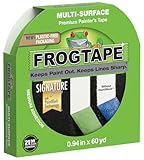
Another thing people often overlook is the type of tape. There’s ‘green’ tape, ‘blue’ tape, ‘delicate surface’ tape. They all have different adhesive strengths. While you might think the gentlest tape is the safest bet, it might not even stick well enough to stay in place for your project, defeating the purpose. Conversely, the stronger tapes are almost guaranteed to cause issues. My first attempt involved some heavy-duty FrogTape, thinking it would hold better. Big mistake. It ripped out tufts of carpet that I’m still trying to blend in years later. It looked like a small, furry rodent had taken up residence and then moved out again, leaving a trail of destruction.
When ‘can I Use Painters Tape on Carpet’ Becomes a Risky Gamble
So, is it a hard ‘no’? Not entirely, but it’s a ‘proceed with extreme caution and understand the risks.’ There are specific scenarios where it might work, but they are rare and require a very particular type of carpet and tape. For instance, if you have a very low-pile, tightly woven carpet, almost like a commercial-grade office carpet, you might have a slightly better chance. The tape has fewer fibers to grip onto, and the surface is flatter. Even then, I’d still be nervous.
The real issue comes down to the adhesive and the carpet’s construction. Most standard home carpets have a pile that’s designed to be soft and comfortable. This softness is exactly what makes painters tape cling to it like a stubborn toddler. The adhesive, designed for smooth surfaces, finds purchase in the nooks and crannies of those carpet fibers. When you try to remove it, you’re basically trying to unstick thousands of tiny adhesive points from thousands of tiny fiber points. This is where the damage happens.
I remember a time I was painting a small nook in a client’s apartment. The carpet was a light, almost cream-colored berber. It had those distinctive loops.
I thought, ‘Just a tiny strip, just along the edge of the doorway, to keep errant drips off the carpet.’ I used the standard blue painters tape. It seemed fine for the first hour.
But when I went to pull it up after the paint dried, I heard a horrifying ripping sound. Not the tape itself, but the carpet fibers.
It pulled out entire loops, leaving gaping holes. It looked like a poorly executed surgical procedure on the floor.
I ended up having to tell the client, and we spent a good afternoon trying to patch it with carpet scraps from a closet, which was a nightmare. That incident taught me that sometimes, the ‘easy’ solution is the most expensive in the long run. The cost of replacing that section of carpet far outweighed the cost of a few drops of paint that might have otherwise landed there. (See Also: Does Painters Tape Pull Off Paint )
This is why the common advice you’ll find online – ‘yes, if you’re careful’ – is often misleading. It sets people up for disappointment and damage. The ‘careful’ part is doing about 80% of the work and still not guaranteeing success. If your carpet has any kind of texture, thickness, or even a slight bit of wear and tear, the risk of damage increases exponentially.
What Kind of ‘painters Tape’ Could Possibly Work? (spoiler: Not Much)
Okay, let’s talk about what people mean when they ask this question. They want a cheap, readily available way to protect their carpet during a project. The standard blue painters tape is the go-to for most DIYers. It’s ubiquitous. But as we’ve established, it’s often a bad idea. So, what are the alternatives, or what types of painters tape might be less disastrous?
Generally speaking, the ‘delicate surface’ or ‘low-tack’ versions are your only hope. These are formulated with a weaker adhesive. Think of the purple or sometimes orange tapes that are specifically for painted walls that might be prone to peeling.
However, even these have their limits. Carpet fibers are not painted walls. They’re fabric. The adhesive on these tapes, while weaker than standard ones, can still grip and potentially pull.
I’ve experimented with some of the very low-tack tapes, and while they are less likely to rip out carpet fibers immediately, they have a nasty habit of leaving behind a faint, sticky residue. This residue then attracts dust and dirt like a magnet, creating a dirty-looking line that’s even harder to clean than a stray paint drop.
The real secret, if there is one, is understanding that no painters tape is truly designed for long-term adhesion or removal from carpet. It’s a temporary solution for smooth, non-porous surfaces. If you absolutely must use tape on carpet, you’re looking at a very short-term application, like minutes, not hours. And even then, you’re playing with fire.
The best approach is to test a small, inconspicuous area first. Find a corner, under a piece of furniture, or in a closet. Stick a small piece of the tape down for an hour or two, then try to peel it off slowly.
Observe closely. Does it pull fibers?
Does it leave a residue? If you see any signs of damage, stop. You’ve just saved yourself a much bigger headache.
I once tried using a very specific, artist-grade low-tack tape on a piece of industrial carpet in my garage workshop. It was a very short-term need – just to define a small zone where I was doing some upholstery work.
The tape did stick, and it did keep its line. But the moment I pulled it up, I noticed a fine dusting of adhesive on the carpet. It wasn’t visible at first, but under the shop lights, it was obvious. It took me nearly an hour with a stiff brush and a shop vac to get it all up, and even then, I wasn’t entirely convinced it was all gone.
It made me realize that the ‘clean removal’ myth is strong, but the reality is often much messier, especially with textured surfaces like carpet.
Ultimately, the types of tape that might minimally damage carpet are those specifically marketed for delicate surfaces or with the absolute weakest adhesive. But even then, the risk of residue or minor fiber disturbance is high. It’s a gamble, and frankly, one I’ve learned to avoid.
| Tape Type | Adhesive Strength | Likelihood of Carpet Damage | Opinion/Verdict |
|---|---|---|---|
| Standard Blue Painters Tape | Medium-High | Very High | Avoid at all costs. Will likely pull fibers and leave residue. |
| Green (Heavy Duty) Painters Tape | High | Extremely High | Absolutely not. Designed for rough surfaces, will wreck carpet. |
| Delicate Surface (Purple/Orange) | Low | Medium to High | Still risky. May leave residue or slightly disturb fibers. Test thoroughly. |
| Specialty Low-Tack Tapes | Very Low | Low to Medium | Might work for very short periods on specific carpets, but residue is a common issue. |
The Real-World Use Cases (and Why They’re Usually Misguided)
So, where do you actually see people trying to use painters tape on carpet? Most often, it’s during painting projects. They want that crisp line where the wall meets the carpeted floor. The intention is noble: prevent paint from getting on the carpet. But the execution is flawed because the tool isn’t suited for the job. Another common scenario is marking out areas for furniture placement or creating temporary zones for activities. Think of setting up a temporary play area for kids, or marking where you want to place a large rug before committing. (See Also: Does Painters Tape Rip Paint Off Walls )
Let me tell you about a friend, bless his heart, who decided he was going to create a ‘painted border’ effect on his cream carpet using black painters tape. He’d seen it done in some trendy design magazines – apparently a thing for very specific, modern aesthetics, usually on commercial-style carpet. He bought the most expensive, supposedly ‘ultra-low tack’ tape he could find.
He spent a whole weekend carefully laying down strips, cutting them perfectly with a utility knife. It looked amazing. For about two days.
Then, the inevitable happened. Kids, a dog, a dropped coffee cup – and the tape started to lift. And when it lifted, it pulled up the carpet fibers along with it. The ‘designer look’ turned into a patchy, fuzzy disaster zone that was impossible to clean.
He ended up having to replace the entire living room carpet. The cost?
Astronomical. All because he thought painters tape was the magic bullet.
Another misguided use is for temporary floor protection during messy work. Imagine you’re doing some woodworking in a room with carpet. You might think, ‘I’ll just tape off a section to keep sawdust off the carpet.’ While the intention is good, the tape itself often creates more problems than it solves. The adhesive can trap fine sawdust, making it harder to vacuum up. And again, the risk of pulling fibers when you remove the tape is always there. A much better approach for this is to use large drop cloths, plastic sheeting, or even cardboard, weighed down with heavy objects.
I’ve also seen people try to use it to temporarily hold down edges of rugs or runners on carpet. This sounds logical – you want to stop tripping hazards. But the tape’s adhesive, even the low-tack kind, will eventually lose its grip on the carpet fibers and start to pull. It’s a losing battle. For securing rugs on carpet, there are specialized rug grippers or double-sided carpet tape designed for this purpose, which are far more effective and less damaging.
The core issue with all these use cases is that painters tape is designed to adhere to smooth, hard surfaces. Carpet is soft, fibrous, and textured. It’s like trying to use a squeegee to clean a sponge – the tool just isn’t built for the material.
Common Mistakes and How to Avoid Them
The biggest mistake people make is assuming painters tape is a universal solution for temporary floor protection or masking on carpet. They see it work on walls and extrapolate that to every surface. This is where the trouble starts. You’ve already heard my horror stories, and they’re common because people don’t understand the fundamental difference between a wall and a carpet pile.
Another common mistake is leaving the tape down for too long. While some tapes claim to be removable within 14 or even 21 days on certain surfaces, carpet is not one of those surfaces. The longer the adhesive is in contact with the carpet fibers, the more it bonds. Humidity, foot traffic, and even the natural oils from your feet can affect the adhesive’s interaction with the carpet.
I’ve seen tape left down for just 24 hours on a plush carpet, and when removed, it looked like a badger had been digging in the area. If you absolutely must use tape for a short period, remove it as soon as your project is done. Don’t leave it overnight if you can help it.
People also often forget to test. It’s easy to get caught up in the project and just slap the tape down. But a small test patch in an unseen area can save you immense grief. I learned this the hard way, as have many others. A quick 30-second test can reveal potential problems like fiber pulling or residue. If you see any sign of trouble, stop. The cost of a small piece of carpet or a cleaning bill is far greater than the cost of a different protection method.
Let’s talk about the removal technique itself. Even if you’re fortunate enough to have a carpet that doesn’t get significantly damaged, a rapid, jerky pull is a recipe for disaster. Always pull the tape slowly and at a low angle, ideally against the direction of the carpet pile. This gives the adhesive a chance to release gradually rather than ripping through the fibers. Imagine peeling a sticker off a delicate piece of paper; you wouldn’t just yank it. You’d peel it slowly, trying to minimize stress on the paper. The same principle applies here, though with far less success guaranteed.
Finally, people often try to use the wrong type of tape. They grab whatever is in the garage. If you’re going to gamble, at least use the tape specifically designed for delicate surfaces. Even then, as I’ve said, it’s still a gamble. Understand the limitations of each type of tape. A strong adhesive on a soft surface is a bad combination, no matter how you slice it. The adhesive is designed to grip, and carpet fibers are an easy target for that grip. (See Also: Does Masking Tape Work The Same As Painters Tape )
Better Alternatives for Protecting Your Carpet
Since using painters tape on carpet is generally a bad idea, what should you do instead? For painting projects, the best approach is to use thick plastic sheeting or canvas drop cloths.
You can get large, inexpensive rolls of both. Lay them down securely, and if you’re worried about them shifting, use a heavier tape on the drop cloth itself to secure it to itself or to baseboards, NOT to the carpet. For areas where you need a really tight seal against the wall, you can use a good quality painters tape along the edge of the drop cloth and the baseboard, but avoid letting it touch the carpet directly.
If you want to be extra cautious, you can even tuck the edge of the drop cloth slightly under the carpet edge, but again, no direct taping to the carpet itself.
For marking out zones or protecting from general foot traffic and debris (like sawdust), consider using large pieces of cardboard. You can often get these for free from appliance stores or by breaking down large boxes. They provide a solid, smooth surface that tape can adhere to easily (if you need to tape them down for some reason) and won’t snag carpet fibers. You can weigh them down with furniture or heavy objects. This is a much more solid and reliable method than tape.
If you’re trying to secure a rug or runner on top of a carpeted floor to prevent slipping, there are specific rug grippers available. These are often made of a non-slip material that grips both the rug and the carpet. There are also specialized double-sided tapes designed for carpet installation or for securing rugs to hard floors. While some of these are very strong, they are generally designed for a more permanent bond or for specific carpet types. For temporary use, a non-slip rug pad underneath the runner is usually the best and safest option.
I once had to set up a temporary display area in a ballroom with plush carpet. We needed to define specific zones for vendors. Instead of even thinking about tape, we used heavy-duty, large vinyl floor mats. They were expensive, but they protected the carpet perfectly, provided a stable surface, and looked professional. When the event was over, we just rolled them up and stored them. No damage, no residue, just a clean ballroom floor. It was a clear demonstration of using the right tool for the job. The cost of the mats was an investment, but a necessary one to avoid the potential cost of carpet cleaning or repair.
Ultimately, when you’re protecting carpet, think about creating a physical barrier that sits on top of the carpet rather than trying to stick something to the carpet. This principle holds true for everything from a simple painting project to a large-scale event setup.
Can Painters Tape Damage My Carpet?
Yes, painters tape can absolutely damage your carpet. The adhesive can pull out carpet fibers, leave behind sticky residue that attracts dirt, or even discolor the carpet. The risk is higher with thicker, plusher, or more delicate carpet types. Standard blue painters tape is especially likely to cause problems.
What Is the Best Way to Protect Carpet When Painting?
The best way to protect carpet when painting is to use thick plastic sheeting or canvas drop cloths. Lay them down securely, making sure they overlap any seams, and weigh them down. Avoid taping directly onto the carpet; instead, tape the drop cloth to itself or to the baseboards. If you need to seal an edge, make sure the tape only contacts the baseboard or the drop cloth.
Can I Use Painters Tape on Low-Pile Carpet?
It’s still risky. While low-pile carpet offers less for the tape adhesive to grip, it can still pull at the base of the fibers or leave a sticky residue. Always test a small, inconspicuous area first for an hour or two to see how the tape adheres and removes before committing to a larger area. Even on low-pile, caution is advised.
How Long Can Painters Tape Be Left on Carpet?
Painters tape should ideally not be left on carpet for more than a few minutes to a couple of hours at most, and even then, with significant risk. Unlike smooth surfaces, carpet fibers and any potential moisture or foot traffic can cause the adhesive to bond more strongly over time, increasing the likelihood of damage upon removal. Always remove it as soon as your project is complete.
What Should I Do If Painters Tape Leaves Residue on My Carpet?
If painters tape leaves residue, try using a carpet cleaner specifically designed for adhesive removal, or a mild solution of dish soap and water. Gently blot the area with a clean cloth. For stubborn residue, a carpet-specific adhesive remover might be necessary, but test it in an inconspicuous spot first to make sure it doesn’t damage the carpet color or fibers. A stiff brush can also help loosen dried residue before vacuuming.
Final Verdict
So, to circle back to the main question: can I use painters tape on carpet? My honest answer, after years of seeing and doing, is that you really, really shouldn’t. The potential for damage – pulled fibers, sticky residue, or worse – is just too high, and the solutions often create more problems than they solve.
The marketing for painters tape paints a picture of effortless, clean removal, but carpet is not a smooth, painted wall. It’s a complex textile that tape’s adhesive is not designed to interact with gently. Think of it as a last resort, a gamble where the house (your carpet) usually wins.
Instead of risking your flooring, invest in proper drop cloths, cardboard, or specialized rug grippers. They might seem like a bit more effort upfront, but they’ll save you the headache and the hefty cost of repairing or replacing your carpet. Trust me, your wallet and your floor will thank you.