I’ve been there. Staring at a blank t-shirt, a perfectly cut vinyl graphic, and my trusty heat press humming away.
Then comes the moment of truth: how do I keep this thing from sliding around while it’s getting blasted with 350 degrees of heat? For a while, I just winged it, using whatever I had.
Then I started seeing other people do it, and a question popped into my head: can i use painters tape with a heat press? It seemed like a good idea at first – cheap, readily available, and supposed to be heat-resistant.
But as I learned, not all tapes are created equal, and using the wrong one can turn your DIY dreams into a sticky, melted mess.
This isn’t about fancy, expensive specialized tools. This is about getting the job done without trashing your project or your equipment. We’re talking about the stuff you can grab at the hardware store and what you actually need to know before you slap it onto your heat press.
Why People Even Consider Painters Tape for Heat Pressing
Look, let’s cut to the chase. When you’re about to fuse a piece of heat transfer vinyl (HTV) or sublimation paper onto a garment, the last thing you want is for that design to shift. Even a millimeter off can ruin the entire look.
So, you need something to hold it down. Many DIYers, myself included back in the day, look at the readily available options first.
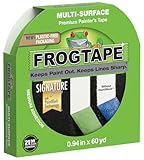
Painters tape, with its distinct blue or green color and its promise of ‘easy removal,’ seems like a no-brainer. It’s cheap, you probably have some in your garage or craft stash already, and the common understanding is that it’s designed to withstand moderate heat without leaving residue. For simple tasks or when you’re really on a budget, it’s tempting to think, ‘Can I use painters tape with a heat press?’ The answer is a bit more nuanced than a simple yes or no.
The idea is that you’d use it around the edges of your design, or perhaps to secure a sublimation print to a substrate, to prevent any movement during the pressing cycle. The theory is sound: if the tape can handle the temperature of your heat press (typically between 300-400°F or 150-205°C) and the pressure, it should work. The problem arises when the ‘heat resistance’ of standard painters tape hits its limit. Most general-purpose painters tapes are not designed for prolonged exposure to these high, direct temperatures.
They might hold for a few seconds, but over the duration of a typical 15-60 second press, the adhesive can break down. This is where the common advice often falls short. People see it working for others on social media or forums and assume it’s a universal solution, but they might be using it for less demanding applications or simply not noticing the subtle issues it can cause.
For instance, I once tried using standard blue painters tape to hold down a large, intricate HTV design on a tote bag. I figured since it was just a few seconds of intense heat, it’d be fine.
Big mistake. While the vinyl transferred okay, the tape left a faint, sticky residue around the edges that I had to carefully pick off.
It wasn’t a disaster, but it was extra work and a stark reminder that ‘heat resistant’ can mean different things to different manufacturers. The common advice is often to just ‘use what you have,’ but I’ve learned that investing a little extra in the right materials saves a lot of headaches down the line.
So, while the initial thought of using painters tape is understandable, it’s important to understand its limitations before you go slathering it all over your next project.
The Nitty-Gritty: What Happens When Tape Melts
So, what’s the actual science behind why standard painters tape can be a risky choice for heat pressing? It boils down to the adhesive and the paper backing. Most conventional painters tapes use an acrylic-based adhesive.
These adhesives are designed to stick well to surfaces at room temperature and be removed cleanly without leaving too much gunk behind. However, when you crank up the heat press to, say, 350°F (175°C), that adhesive starts to get… unhappy.
It softens, loses its tackiness, and can begin to liquefy. This is the sticky mess I mentioned. It can ooze out from under the tape, creating ugly, discolored spots on your fabric or substrate. (See Also: Does Painters Tape Pull Off Paint )
Sometimes it transfers onto your heat press platen itself, leading to more cleaning nightmares.
The paper backing of the tape can also degrade. While it might not instantly combust, prolonged heat can make it brittle. This brittleness means it can tear easily when you try to peel it off, leaving small paper fragments stuck to your project. Imagine trying to meticulously pick out tiny bits of burnt paper from the edges of your freshly pressed design.
It’s not fun. Worse still, if the adhesive breaks down significantly, it can actually transfer onto your heat press’s top platen. This goo then becomes a potential hazard for future projects.
If you press something else onto that contaminated platen, you risk transferring that melted residue onto your new item. Cleaning melted adhesive off a hot press platen is a task I wouldn’t wish on my worst enemy, and it can often require specialized cleaners or a lot of elbow grease.
I remember one particularly frustrating instance where I tried to press a dark HTV onto a black t-shirt. I used some cheap blue painters tape, thinking it would be fine. By the end of the press, the tape had basically fused itself to the edge of the vinyl.
When I peeled it off, it pulled up some of the vinyl’s adhesive, leaving a patchy, incomplete transfer. The heat had basically cooked the tape’s glue, making it stick harder than the HTV’s own adhesive. The common advice often glosses over these technical details, focusing more on the ‘it’s cheap’ aspect.
But honestly, the time and effort spent fixing mistakes, or the cost of a ruined garment, far outweigh the minimal savings of using the wrong tape. It’s about understanding that different materials have different temperature tolerances, and heat presses push those tolerances to their absolute limits.
What to Look for Instead: Tapes That Actually Work
Okay, so if standard painters tape is a gamble, what should you actually be using? The good news is, there are tapes specifically designed for high-heat applications like heat pressing. The most common and highly recommended option is high-temperature tape, often referred to as sublimation tape or heat press tape. This tape typically comes in a tan or brown color and is made with a silicone-based adhesive. Silicone adhesives are fantastic because they can withstand much higher temperatures (often up to 500°F or 260°C) without breaking down or melting. They also have a very clean release, meaning they won’t leave sticky residue behind on your fabric or substrate.
When you’re shopping, look for terms like ‘high-temperature tape,’ ‘heat press tape,’ ‘sublimation tape,’ or even ‘polyester tape.’ These are all generally referring to the same kind of product. You can find these at craft stores, online marketplaces like Amazon or Etsy, and dedicated sublimation supply shops. They might cost a bit more upfront than a roll of blue painters tape – I typically pay around $10-$15 for a roll that lasts me ages – but the peace of mind and the flawless results are absolutely worth it.
The tape’s backing is usually a polyimide film (think Kapton tape, though that’s a more industrial version), which is incredibly durable and doesn’t degrade under heat. This means it stays put, holds your design firmly, and peels off cleanly, every single time.
I remember switching to proper high-temp tape after one too many ruined projects with painters tape. The difference was night and day. I was sublimating ceramic coasters, and before, I’d get ghosting or shifting from the paper moving slightly.
With the correct tape, the paper stayed perfectly aligned, and the image transferred crisply and vibrantly. No residue, no tears, no stress.
It’s one of those small investments that have a massive impact on the quality of your finished product. Don’t fall into the trap of thinking generic craft supplies will cut it for specialized processes like heat pressing.
It’s like using a butter knife to saw wood – it might make a mark, but it’s not the right tool for the job.
| Tape Type | Pros | Cons | Verdict |
|---|---|---|---|
| Standard Painters Tape (Blue/Green) | Cheap, readily available. | Adhesive melts/oozes at heat press temps, leaves residue, paper backing can degrade, can pull up HTV. | Avoid for heat pressing. High risk of project damage. |
| High-Temperature Tape (Sublimation Tape) | Withstands high temps (up to 500°F), clean release, no residue, durable backing, holds firmly. | Slightly more expensive upfront. | Highly Recommended. The industry standard for a reason. |
| Masking Tape (Brown Kraft) | Common, somewhat heat resistant. | Can leave residue, paper backing can scorch, not as durable as specialty tapes. | Better than painters tape for very short, low-temp presses, but still not ideal. |
Common Mistakes and How to Avoid Them
Beyond just choosing the wrong tape, there are a few other pitfalls people fall into when trying to secure their materials for heat pressing. One of the most common mistakes, even with the correct tape, is not using enough of it or not applying it properly.
For HTV, you want to secure the edges of the vinyl to the garment itself, not just to the carrier sheet. This prevents any lifting or shifting during the press. (See Also: Does Painters Tape Rip Paint Off Walls )
I’ve seen folks just put a tiny strip on the carrier sheet, which offers zero actual stability. You need to tape it down firmly to the fabric. For sublimation, making sure the paper is completely flat and securely taped to the substrate is most important.
Any wrinkles or movement will result in a blurry or ‘ghosted’ image, which is incredibly frustrating, especially when you’ve spent time getting the design just right.
Another mistake is thinking that because a tape is ‘high-temperature,’ it’s indestructible. Even the best heat press tape can lose its adhesion if it’s applied to a dirty or oily surface, or if it’s been sitting in a hot car for weeks. Always make sure your fabric or substrate is clean and dry before applying any tape.
Also, pay attention to the placement. If you tape directly over a part of your design that needs to transfer, you’ll obviously block that area. This seems obvious, but in the heat of the moment, it happens.
For sublimation, make sure you’re taping down the edges of the paper, not the ink itself, unless you want weird tape-shaped white spots. I once made the mistake of taping over a delicate part of a design, only to find a faint outline of the tape when I peeled it off. Lesson learned: tape the periphery.
A contrarian opinion? Some people will tell you that for very short, low-temperature presses, standard masking tape (the brown paper kind) is just fine. And yeah, maybe for a quick 10-second press at 300°F on a scrap piece of fabric, it might work without a catastrophic meltdown. But I disagree.
Why introduce an unnecessary variable? Masking tape’s adhesive isn’t really designed for this kind of heat either, and while it might not melt and ooze like acrylic-based painters tape, it can still leave residue or scorch.
It’s an unnecessary risk. The difference in cost between a roll of masking tape and a roll of proper heat press tape is so minimal – usually just a few dollars – that it’s not worth the potential headaches. My advice? Stick to the tape specifically made for the job.
It simplifies the process, reduces variables, and ultimately saves you from potential disaster and extra cleaning work.
Real-World Applications: When Taping Is Key
Let’s talk about where using the right tape is absolutely a must. Sublimation printing is probably the biggest one.
When you sublimate, the ink turns into a gas under heat and pressure, and then re-solidifies onto the polyester fibers of your substrate. If your sublimation paper shifts even a tiny bit during this process, you get what’s called ‘ghosting.’ This means the image will appear doubled or blurry, like a faint echo of the original design. It’s permanent and can ruin a project.
High-temperature tape is key for securing the sublimation paper to ceramic mugs, metal blanks, polyester fabrics, and more, making sure that the paper stays perfectly in place for the entire press cycle. I’ve spent hours perfecting a sublimation design, only to have it ghosted because a corner of the paper lifted.
Trust me, you don’t want that frustration. Using proper tape means the ink gas transfers cleanly and crisply onto your item.
For heat transfer vinyl (HTV), while many HTV types are pressure-sensitive and designed to stick to the garment once applied, tape still plays a role, especially for multi-layer designs or intricate cuts. If you’re layering different colors of HTV, you need to press each layer individually. You’ll often use tape to hold down the surrounding areas of the first layer while you press the second, or to keep multiple pieces of vinyl positioned correctly before the initial press.
For very fine details in an HTV design, a little strategic taping can prevent those tiny pieces from curling up or shifting under the heat and pressure before the main adhesive has fully bonded. While not every HTV project requires tape, it’s a lifesaver for complex designs or when you’re working with fabrics that might be slightly prone to movement, like thin cotton or performance wear. It adds that layer of security that makes sure your design stays exactly where you intended it to be.
Even with simple, single-color HTV transfers, I still often use a small piece of tape. Why? Because sometimes the carrier sheet itself can lift slightly at the edges during the press, especially if the pressure isn’t perfectly even across the platen. A tiny piece of tape securing the carrier sheet to the garment edge can prevent this minor annoyance. (See Also: Does Masking Tape Work The Same As Painters Tape )
It’s a small step, but it contributes to a cleaner, more professional finish. It’s like using a squeegee to smooth out a vinyl application – a small step that makes a big difference in the final outcome.
So, while the question ‘can i use painters tape with a heat press’ might lead you down a path of saving a few cents, understanding these real-world applications shows why investing in the right tape pays off in quality and saved sanity.
Sublimation Paper to Substrate: A Quick Guide
- Print your design onto sublimation paper using sublimation ink. Make sure the print is mirrored if necessary.
- Prepare your substrate: Make sure it’s clean, dry, and free of any dust or debris. For ceramics, often a quick wipe with rubbing alcohol is recommended (let it dry completely).
- Position the sublimation paper onto your substrate, ink-side down. Use a heat-resistant ruler or template if precise placement is important.
- Secure the paper with high-temperature tape. Apply strips of tape along the edges of the paper, adhering it firmly to the substrate. Make sure there are no wrinkles or gaps. For mugs, you might wrap the tape around the handle or use multiple strips to keep the paper tight.
- Press according to your heat press and substrate manufacturer’s recommendations.
- Carefully remove the paper immediately after pressing. High-temperature tape should peel off cleanly without residue.
Practical Tips for Tape Mastery
Let’s get practical. When you’re using high-temperature tape, a little goes a long way, but you still need to use it strategically. Don’t just slap tape on haphazardly. For HTV, think about where the pressure is most intense on your heat press. Usually, it’s the center. So, securing the edges of your vinyl design to the fabric itself is key. If you’re layering, use tape to keep previous layers perfectly in place while you press the new one. For example, if you have a red circle HTV on a shirt and you’re adding a black star on top, tape down the edges of the red circle so it doesn’t shift when you press the star.
For sublimation, especially on curved surfaces like mugs, you’ll want to make sure the paper is wrapped as tightly and smoothly as possible. This often means using several strips of tape, strategically placed to hold down the paper without distorting the image or creating ridges. I find that overlapping the tape slightly over the edge of the paper and onto the substrate helps create a secure seal. Don’t be afraid to use enough tape to get the job done, but also be mindful not to use so much that it’s difficult to remove or interferes with the pressing area.
Think of it as creating a secure border around your design. One pro tip I picked up: for sublimation on tumblers, sometimes using a heat-resistant band or jig can help keep the paper perfectly taut before you even apply tape, reducing the need for excessive taping. However, for most applications, good quality tape is your best friend.
When it comes to removing the tape, especially after sublimation, do it while the substrate is still hot. This usually makes the tape peel off more cleanly.
Be careful, though, as the substrate will be very hot! Use tweezers or a craft knife to help lift an edge if needed. If you do end up with a tiny bit of residue from any tape (even the good stuff, if you’re unlucky), a bit of rubbing alcohol on a lint-free cloth usually does the trick for most surfaces.
Just be sure to test any cleaning solution on an inconspicuous area first. And remember the golden rule: always read the instructions that come with your tape and your heat press.
They often contain valuable tips specific to the materials you’re using.
Heat Press Tape vs. Other Tapes
This is where the confusion often starts. People see tape, they think ‘tape.’
But in the heat press world, it’s not that simple. Standard masking tape (brown paper) can handle some heat, but its adhesive isn’t designed for the sustained, high temperatures of a heat press. It can scorch, leave residue, and its paper backing might degrade.
Painters tape, as we’ve discussed, is even riskier due to its acrylic adhesive, which readily melts and oozes. Duct tape?
Absolutely not. Its adhesive is far too aggressive and will melt into a gooey disaster, permanently damaging your press and your project. The true hero here is high-temperature tape, often called sublimation tape. Its silicone adhesive and polyimide backing are specifically engineered to withstand temperatures well over 350°F without degrading, melting, or leaving residue.
While it might seem like a small price difference, the reliability and clean results it provides are priceless.
Conclusion
So, can I use painters tape with a heat press? Technically, you can, but it’s a gamble I wouldn’t recommend taking on anything important. The risks of melted adhesive, residue, and damaged projects far outweigh the tiny savings. Investing in proper high-temperature tape is one of the smartest moves you can make for consistent, professional results.
It’s not about buying the most expensive gear, it’s about using the right gear for the job. For heat pressing, that means looking beyond the hardware store aisle for your adhesive solutions. Your projects, your heat press, and your sanity will thank you for it.
If you’re serious about your craft and want to avoid the frustration of melted tape and ruined shirts, make the switch to dedicated heat press tape today. You won’t regret it.