So, you’re staring at that freshly installed LVP flooring and a half-finished paint job on your walls. The big question looms: can painters tape be used over LVP flooring before painting? I’ve been there, staring at rolls of tape, wondering if I was about to ruin a thousand-dollar floor or save myself hours of touch-up work.
Trust me, the temptation to just slap some tape down and call it a day is strong. But before you grab that blue roll, let’s get real about what actually happens when painter’s tape meets vinyl plank.
This isn’t about slick marketing or what the paint companies want you to think. It’s about what happens in the real world, after you’ve spent your hard-earned cash on materials.
Will That Blue Tape Stick and Hold?
Look, the short answer is usually yes, painter’s tape can stick to LVP. Most LVP has a somewhat smooth, sealed surface, and standard painter’s tape – you know, the blue stuff that claims to be “safe for delicate surfaces” – is designed to adhere to a variety of materials. It’s got a low-tack adhesive, which is the whole point. You don’t want it ripping paint off your walls, and you certainly don’t want it leaving sticky residue on your brand-new floors.
But here’s where it gets dicey: “sticking” isn’t the same as “performing well.” I’ve had tape that adhered like a barnacle to a freshly waxed car on one LVP floor, and then on another, practically floated off if you looked at it wrong. It depends on the LVP finish, the brand of tape, and even the humidity in the room. Some LVP has a more matte finish, which can give tape a bit more to grab onto.
Others have a slick, almost glossy coating that makes tape’s job a lot harder. And let’s not even start on the cheap off-brand tapes.
They can be a gamble; some stick too hard, others barely stick at all, and you end up with paint bleed or a floor that looks like a sticker bomb went off.
The real issue isn’t just whether it sticks, but how it sticks and what happens when you pull it up. I once tried to tape off a small section of LVP before painting a baseboard transition. I used a mid-range blue tape, figured it was foolproof. Two days later, when I pulled it up, there was this faint, almost oily residue along the edge where the tape had been. It wasn’t sticky, per se, but it was definitely there. It took some serious scrubbing with a specialized vinyl cleaner to get it off, and even then, I swear I could still see a difference if the light hit it just right. That’s the kind of surprise you don’t want.
So, while the tape will likely adhere, you’re entering a grey area regarding how clean the removal will be and whether it truly creates a perfect seal. The goal is to prevent paint from seeping under the tape and onto your LVP. If the tape doesn’t lay perfectly flat or the seal isn’t airtight, you’re back to doing touch-ups, which defeats the whole purpose.
What Kind of Tape Is Actually Lvp-Friendly?
This is where you need to be smart and not just grab the first roll of blue tape you see. Not all painter’s tape is created equal, and frankly, most of it isn’t designed with LVP in mind. The stuff you see marketed as “safe for walls” or “delicate surfaces” is generally your best bet, but even then, you’ve got to be cautious. I’ve found that higher-quality brands tend to have more consistent adhesion and a better-formulated adhesive that’s less likely to leave residue.
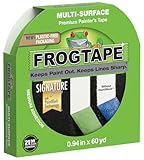
My go-to for projects where I’m genuinely worried about the floor surface is a good quality, specifically formulated “low-tack” or “delicate surface” tape. Brands like Scotch (their blue multi-surface or even their green “delicate surface” tape) or FrogTape (specifically their green “delicate surface” tape) are usually a safer bet than the generic store brands. FrogTape, in particular, has a reputation for creating a good seal, especially if you’re painting over a surface that isn’t perfectly smooth. They claim their “PaintBlock” technology seals the edge to prevent paint bleed, and I’ve found it’s generally pretty effective, though I’m always a bit skeptical until I see it work for myself.
The trick is to look for tapes that explicitly mention being safe for vinyl, laminate, or sealed wood. If it just says “general purpose,” I’d steer clear. Also, consider the width of the tape. A wider tape can sometimes provide a better seal because there’s more surface area to press down. But be careful; a wider tape is also harder to maneuver around corners and tighter spaces. (See Also: Does Painters Tape Pull Off Paint )
Here’s a quick rundown of what I look for, and what you should too:
| Tape Feature | My Verdict on LVP | Why? |
|---|---|---|
| Low-Tack Adhesive | Generally Good | Less likely to damage the LVP finish or leave residue. |
| “Delicate Surface” Label | Recommended | Designed for surfaces that can be easily damaged. |
| “PaintBlock” Technology | Worth Trying | Aims to prevent bleed, but test it first. |
| Generic Store Brand | Risky | Inconsistent quality and adhesive can be problematic. |
| Wide Tape (1.5″+) | Situational | Can seal better but harder to apply precisely. |
Ultimately, the best tape for LVP is one that adheres well enough to create a barrier but can be removed cleanly without damaging the floor. It’s a balancing act, and sometimes, you just have to do a small test patch first.
The “test Patch” Method: Don’t Skip This!
Honestly, this is probably the most important advice I can give you: TEST. YOUR. TAPE.
Don’t just assume because it’s LVP and it’s blue tape that it’s all going to be fine. I learned this the hard way. I was painting a rather large room with beautiful, light-colored LVP. I’d laid down what I thought was good quality painter’s tape along the baseboards, and it looked perfect.
I painted the walls, let it cure for the recommended 24 hours, and then went to pull the tape. Oh, joy. Not only did it leave a faint sticky residue in a few spots, but in one area, it actually lifted a tiny bit of the LVP’s protective coating.
I was livid. It was a small spot, but I saw it. And it meant I had to replace that plank, which involved prying up the baseboard again and the whole nine yards.
All because I skipped the test.
So, how do you test? It’s simple, really. Get a small piece of the tape you plan to use and stick it to an inconspicuous area of your LVP. Maybe it’s in a corner, or behind where a piece of furniture will sit. Leave it there for the entire duration you expect the tape to be on during your painting project. If you’re painting for a weekend, leave it for a weekend. If it’s a week-long job, leave it for a week. Once the time is up, carefully pull the tape off. Inspect the LVP where the tape was. Is there any residue? Is the finish damaged or discolored? Did it peel up any of the flooring material?
If the test is successful – no residue, no damage – you can proceed with more confidence. If it fails, you haven’t wasted tape on your entire project. You’ve just learned that particular tape is not your friend for LVP. You then go back to the store or look online for a different brand or type of tape. Maybe you try the green FrogTape, or a different brand’s delicate surface option. Repeat the test until you find something that works. It sounds tedious, I know. But trust me, spending an extra hour on a test patch will save you hours of frustration, scrubbing, or even costly floor repairs down the line.
You also need to consider the paint you’re using. If you’re using a thick, high-solids paint, it might be more prone to seeping under tape lines. Conversely, a very thin, watery paint might also find its way under. The pressure you apply when laying the tape is also a factor. Pressing too hard can make it difficult to remove cleanly, while not pressing hard enough means it won’t create a good seal. It’s a delicate dance.
The ‘real World’ Application: Painting Baseboards Over Lvp
Let’s get down to brass tacks. The most common reason you’d be taping off your LVP is to paint baseboards or trim that butts up against the floor. This is where the rubber meets the road, or rather, where the tape meets the vinyl. The goal here is to get a clean, crisp line between the baseboard and the LVP. You want that professional look, not a wavy, paint-bleeding mess. (See Also: Does Painters Tape Rip Paint Off Walls )
My personal experience has taught me that unless you are incredibly meticulous, there’s a good chance of some minor paint bleed, even with the best tape. The issue is that LVP isn’t always perfectly flat. There can be tiny imperfections, slight variations in height at the seams, or even just a microscopic gap between the baseboard and the LVP that the tape just can’t seal perfectly. This is where those specialized tapes with the “PaintBlock” technology might help, but I’ve found they’re not magic. They reduce bleed, but they don’t always eliminate it.
I remember one project where I was painting white baseboards against a dark grey LVP. I used the green FrogTape, thinking I was being smart. I pressed it down firmly with a putty knife to make sure a good seal.
The painting went fine. But when I pulled the tape, I found tiny little flecks of white paint that had somehow worked their way under the tape and onto the LVP. It wasn’t a huge amount, maybe a few dozen tiny dots across 20 feet, but it was enough to be annoying.
I was able to get most of it off with a damp cloth and a bit of gentle scrubbing, but it definitely added extra time to the job. It made me realize that sometimes, the best defense is a good offense – meaning, protect the floor really well.
Another strategy I’ve seen work, and have used myself with decent results, is to apply the tape, paint the baseboard, and then immediately remove the tape while the paint is still wet. The idea is that the wet paint hasn’t had time to fully cure onto the tape or seep too deeply under it. You have to be very gentle, pulling at a consistent angle. However, this is risky.
If you pull too hard or at the wrong angle, you can smear wet paint everywhere, creating a bigger mess than you started with. It’s a technique best suited for very clean, straight lines and when you have someone to help you carefully peel.
I usually only do this when I’m in a rush and know the paint will come off cleanly.
For most people, including myself most of the time, the more reliable method is to let the paint dry completely, then carefully score the edge of the tape with a utility knife (just a light score, not cutting into the LVP!) before pulling it off. This helps break any minor adhesion between the paint and the tape, reducing the risk of peeling paint off the wall or lifting the LVP finish.
Common Mistakes and How to Avoid Them
When it comes to using painter’s tape on LVP, people make the same dumb mistakes over and over. And guess what? I’ve probably made most of them myself. The biggest one, as I’ve hammered home, is skipping the test patch. You think, “Nah, it’ll be fine,” and then BAM! You’ve got residue or a damaged floor. It’s the most common regret I hear from people trying this.
Another massive blunder is leaving the tape on for too long. Painter’s tape is designed to be removed within a certain timeframe, usually 24 hours, sometimes longer for specific types. Leaving it on for days, especially in humid conditions or direct sunlight, can cause the adhesive to basically bake onto the surface. This is when you get that stubborn residue that feels like it’s part of the floor itself. Always check the manufacturer’s recommendations on the tape roll and stick to it. If your painting project is going to take longer than that, you’ll need to remove the tape and reapply a fresh piece later.
Then there’s the technique of pulling the tape. Ripping it off quickly and haphazardly is a recipe for disaster. You need to pull it slowly and at a 45-degree angle. This helps make sure a clean break between the tape and the painted surface and minimizes the chance of lifting paint or damaging the LVP. Some people even find it helpful to fold over a small section at the end of each tape strip to create a handle, making it easier to pull consistently. (See Also: Does Masking Tape Work The Same As Painters Tape )
People also often overestimate the sealing power of the tape alone. While a good quality tape helps, it’s not infallible. If you have textured baseboards or an uneven transition to the LVP, there will be tiny gaps. For a truly perfect line, especially with darker paints on lighter floors, you might need to use a caulk gun to fill those tiny seams before you tape and paint. A thin bead of paintable caulk applied precisely and allowed to dry will create a much more reliable barrier than tape alone.
Finally, the mistake of using the wrong tape altogether. You wouldn’t use duct tape to hang delicate artwork, right? So don’t use general-purpose or heavy-duty painter’s tape on your LVP. These tapes have much stronger adhesives that are almost guaranteed to leave residue or, worse, damage the flooring. Stick to the low-tack, delicate surface varieties. It might cost a dollar or two more per roll, but it’s a small price to pay to protect your investment.
Can I Use Regular Blue Painter’s Tape on Lvp?
Regular blue painter’s tape can stick to LVP, but it’s not always the best choice. It might leave residue or even damage the flooring’s finish upon removal. Higher-quality, low-tack, or “delicate surface” tapes are generally safer and more effective for this purpose.
Will Painter’s Tape Leave Residue on Lvp?
Yes, painter’s tape can leave residue on LVP, especially if it’s left on for too long, the tape is of poor quality, or the LVP has a particularly sensitive finish. Always test a small, inconspicuous area first to see how the tape behaves.
How Long Can Painter’s Tape Stay on Lvp?
Most standard painter’s tapes are designed to be removed within 24 hours. Some “delicate surface” tapes might allow for longer periods, but it’s important to check the manufacturer’s instructions. Leaving tape on for extended periods increases the risk of residue and damage.
What’s the Best Way to Remove Painter’s Tape From Lvp?
Remove tape slowly and at a 45-degree angle. For extra caution, you can lightly score the edge of the tape with a utility knife just before pulling to help break any slight adhesion between the paint and the tape. If residue remains, use a cleaner specifically designed for vinyl flooring.
Can I Paint Baseboards Without Taping Off Lvp?
It’s possible, but it requires extreme precision and steady hands. Using a high-quality angled brush and wiping off excess paint frequently will help. However, for most DIYers, taping off the LVP is a much safer and more reliable way to achieve clean lines.
Final Verdict
So, after all that, can painters tape be used over LVP flooring before painting? Yes, but with serious caveats. It’s not a foolproof solution, and you absolutely have to be smart about it. Skimping on quality tape or skipping the test patch is just asking for trouble.
My honest take? If you’re painting baseboards, invest in good quality, low-tack tape specifically designed for delicate surfaces, and for the love of all that is holy, do a test patch. If you’re just taping off a small area and are hyper-careful, you might get away with it. But for larger projects, consider if the potential hassle is worth it, or if a different approach, like careful brushing or using a liquid deglosser and then painting directly, might be better.
Ultimately, protecting your flooring investment means being proactive. Don’t let a cheap roll of tape turn into an expensive lesson about floor repair.