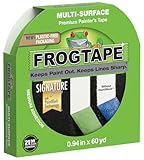
I remember the first time I saw a tiny spark from a hot glue gun get a little too close to a roll of blue tape. My heart jumped into my throat. It wasn’t a full-blown inferno, thankfully, but it was enough to make me seriously question, ‘Can painters tape catch fire?’ We’ve all got rolls of the stuff lying around, used for everything from masking trim to holding up posters. But what happens when it meets an open flame or extreme heat? It’s not something most people think about until something goes wrong, and frankly, the advice online can be a mixed bag of overly cautious warnings and dismissive reassurances.
Let’s cut to the chase: the paper and adhesive are flammable, but it’s not like a pile of dry leaves. There are nuances to how and why it might burn, and understanding those is key to not accidentally turning your DIY project into a fire hazard.
What’s Actually in That Roll of Blue Stuff?
So, you’ve got this roll of tape. It’s thin, it tears easily, and it sticks reasonably well without leaving a residue (most of the time, anyway). But what’s it made of? At its core, painters tape is a paper backing, usually a thin crepe paper, coated with a pressure-sensitive adhesive. That adhesive is typically an acrylic-based or rubber-based formula, designed to be repositionable and not damage surfaces. The paper itself, well, it’s paper. And paper, as we all know, loves to burn. Think about a paper towel or a napkin – they’ll catch a flame pretty readily if you’re not careful.
The question of ‘can painters tape catch fire’ really boils down to the flammability of these components. The paper backing is the most obvious culprit. If it’s exposed to a direct flame, like a spark from a grinder, a welding torch, or even a stray ember from a fireplace, it’s going to ignite. The adhesive layer can also contribute. While it’s not as readily combustible as the paper, certain types of adhesives can burn, especially when heated sufficiently. They might melt, drip, and spread the fire, or they could contribute to the overall fuel load.
I once had a small mishap where I was cutting some wood with a small handheld saw, and a few tiny sparks flew off and landed on a roll of tape I’d carelessly left on a workbench. It didn’t burst into flames, but a section of the paper backing started to smolder. It produced a surprisingly acrid smoke, and I had to quickly smother it with my hand (wearing gloves, thankfully!). It was a stark reminder that even a small amount of heat can get things going. The tape itself is designed to be removed easily, but that doesn’t mean it’s fireproof. It’s paper and glue, after all.
Now, people often talk about different types of painters tape – the blue, the green, the yellow, the purple. Does the color matter?
Not really, in terms of flammability. The color is usually a dye added to the paper backing. The underlying material is still paper. The differences between these tapes usually lie in the adhesive strength, temperature resistance, and how long they can stay on a surface without leaving residue.
A high-temperature tape, for example, might be designed to withstand the heat of a paint booth, but that doesn’t make the paper itself any less flammable. It just means the adhesive is less likely to fail or leave goo at lifted temperatures. So, while you might choose a green tape for delicate surfaces and a blue one for general use, don’t assume one is inherently safer around heat than another based on color alone.
The Real Danger: Heat, Sparks, and Storage
The most direct answer to ‘can painters tape catch fire’ is yes, but it’s not exactly like a box of matches. It requires a heat source. The real danger isn’t that a roll of tape is going to spontaneously combust on your shelf. It’s about how you’re using it and where you’re storing it. Think about common DIY scenarios: using a heat gun to shrink-wrap something, soldering, welding, even just accidentally dropping a hot tool. These are all situations where a stray spark or excessive heat could come into contact with tape. (See Also: Does Painters Tape Pull Off Paint )
I learned this the hard way when I was stripping old paint off some window frames with a heat gun. I had a roll of tape nearby to protect the glass. I got a little careless, holding the heat gun a bit too close for too long, and suddenly I saw a little curl of smoke rising from the edge of the tape. It didn’t catch fire in a dramatic way, but it did char and melt slightly. It was a good wake-up call. Had I been more focused or had the tape been in a more precarious position, it could have easily escalated. That’s the thing with flammable materials – proximity and an ignition source are all it takes.
Storage is another huge factor. Leaving rolls of tape in direct sunlight for extended periods, especially in a hot car or a shed on a summer day, can degrade the adhesive and potentially make the paper more brittle. While unlikely to cause ignition on its own, it’s not ideal.
More importantly, storing tape anywhere near open flames, pilot lights, or areas where sparks are common is just asking for trouble. This includes keeping it away from furnaces, water heaters, or workshops where grinding or cutting occurs without proper separation. The common advice to store it in a cool, dry place is more about preserving the tape’s adhesive quality, but it also has the added benefit of reducing the risk of it becoming a fire hazard.
Let’s look at what happens when it does ignite. It’s not usually a fast, roaring fire like gasoline. It’s more of a smoldering burn. The paper will char, blacken, and then burn through. The adhesive might melt and drip, which can spread the fire to other materials. The smoke produced can be quite noxious due to the chemicals in the adhesive and any dyes used. This is why ventilation is important, not just for the fumes from painting, but also if something unexpected like tape catching fire were to happen.
What About Heat Guns and Painters Tape?
Using a heat gun with painters tape requires extreme caution. While some high-temperature tapes can withstand moderate heat for short periods, holding a heat gun directly on the tape or for too long will almost certainly cause it to scorch, melt, or even ignite. The paper backing is flammable, and the adhesive can become molten. Always keep the heat gun moving and maintain a safe distance from the tape. If you need to use a heat gun on a surface where tape is applied, it’s best to remove the tape first or use extreme care and test a small, inconspicuous area to see how the tape reacts.
Common Mistakes and Misconceptions
There are a few common mistakes people make when it comes to painters tape and fire safety. One of the biggest is assuming that because it’s used for painting, and painting often involves solvents and potential ignition sources (like pilot lights), that the tape itself is somehow flame-retardant. It’s not. It’s paper and glue. Treating it as if it were inert around heat is a recipe for disaster.
I’ve seen people carelessly leave rolls of tape on hot surfaces, like near the exhaust of a power tool or on a workbench right next to a soldering iron that’s still cooling down. They figure, “It’s just tape, what’s the worst that can happen?” The worst, as we’ve established, is a smoldering fire that can spread. Another misconception is that all painters tape is the same. While they all serve the same basic purpose, the quality and composition can vary. A cheap, no-name brand might use a less stable adhesive or a lower-grade paper that could be more susceptible to ignition than a premium brand. However, even the best tape is still flammable.
Then there’s the whole idea of using it as a temporary insulator. Some folks might think a few layers of tape can provide a bit of heat resistance or prevent a minor electrical spark. This is a dangerous assumption. Painters tape offers virtually no meaningful protection against significant heat or electrical current. It can melt, burn, and conduct electricity if it gets wet or the adhesive breaks down. Relying on it for safety in these situations is incredibly misguided. The only thing it’s really good at is masking surfaces to keep paint off them. (See Also: Does Painters Tape Rip Paint Off Walls )
A contrarian view I often hear is, “Oh, it’s just paper, it’ll burn out quickly, no big deal.” I disagree. While it might not burn like a log, even a small fire can spread rapidly. A smoldering piece of tape can easily ignite nearby rags, dust, or other flammable materials. The smoke it produces can be toxic, and if it happens in an enclosed space, it can create an incredibly dangerous situation very quickly. It’s not about a spectacular inferno; it’s about a small, insidious problem that can become much larger if ignored. The common advice to keep it away from heat and open flames is genuinely good advice, not an overblown safety warning.
| Tape Characteristic | Flammability Impact | Verdict |
|---|---|---|
| Paper Backing | High | Primary fuel source. Will scorch and burn if exposed to flame or sufficient heat. |
| Adhesive (Acrylic/Rubber-based) | Moderate | Can melt, drip, and contribute to fire spread. May ignite under sustained heat. |
| Dyes/Colorants | Low | Generally inert, but some additives could slightly influence burn rate. Negligible impact. |
| Type of Tape (e.g., Blue, Green, High-Temp) | Minimal | Differences are in adhesion and heat resistance of adhesive/backing, not inherent fireproofing of the paper. All are flammable. |
| Storage Conditions (Heat/Sunlight) | Indirect | Can degrade tape, making it brittle, but not a direct ignition risk. Indirectly increases risk if tape fails unexpectedly. |
Real-World Scenarios and Practical Tips
Let’s talk about where you’re most likely to encounter an issue with painters tape and fire. Workshops are prime candidates. If you’re doing any kind of cutting, grinding, or welding, sparks are inevitable. A carelessly placed roll of tape near your work area is an invitation to trouble. I always make a point of keeping my tape supply at least 10-15 feet away from any active metalworking or power tool use that generates sparks. Better to walk a few extra steps to grab a new piece than to risk igniting a whole roll.
Another scenario is around construction sites or home renovation projects. People are often using heat guns for paint removal, torches for soldering pipes, or working with open flames. In these environments, it’s important to be hyper-aware of where your tape is. Don’t leave it lying on a hot surface, near a heat source, or in a place where falling debris could carry an ember. I once saw a small fire start on a job site because a piece of hot solder fell onto a roll of tape that had been left on a windowsill. It smoldered for a bit before a sharp-eyed coworker noticed it.
For those who use it for crafts or other hobbyist applications where heat might be involved (like using a heat tool for embossing or even certain types of glues), the same principle applies: keep the tape away from the direct heat source. Think about how a piece of paper behaves when you hold it too close to a candle. It chars, then it burns. Painters tape is no different, just perhaps a bit more condensed. Always have a fire extinguisher or at least a damp cloth readily available when working with heat sources and flammable materials like tape.
Here are a few practical tips:
- Store it Smart: Keep your tape in a cool, dry place, away from direct sunlight, heat sources, and open flames. A toolbox or a dedicated storage cabinet is ideal.
- Distance is Your Friend: When working with tools that generate sparks or heat, keep your rolls of tape a significant distance away. If you need tape, walk to it, get what you need, and return it to its safe spot.
- Clean Up Sparks: After any activity that creates sparks (grinding, welding), take a moment to sweep or clean up the area. Don’t leave potential fuel sources like tape rolls sitting in a spark-laden environment.
- Mind the Heat Gun: If you must use a heat gun near tape, keep the gun moving constantly and at a safe distance. Understand that the tape can scorch or ignite.
- Ventilate: Good ventilation is always wise, but it’s especially important when dealing with any potential for combustion, as the smoke from burning tape can be hazardous.
The Role of Adhesives and Paper Properties
Let’s get a little more specific about the components. The paper backing on painters tape is usually a thin, semi-porous crepe paper. Crepe paper is designed to be flexible and conform to surfaces, which is why tape adheres well to corners and curves. Its thinness, however, means it has a relatively low ignition temperature compared to thicker materials. Think of a single sheet of paper versus a cardboard box. The single sheet will catch fire much faster.
The adhesive is the other key player. Most common blue painters tape uses an acrylic adhesive. Acrylics are generally less flammable than some other types of adhesives, like rubber-based ones, but they are still organic compounds and will burn. When heated, acrylic adhesives tend to soften and can become very sticky, potentially dripping. If they melt and drip onto another surface, they can spread the flame. Some high-temperature tapes might use a different adhesive formulation or have a coating on the paper designed to withstand higher temperatures without degrading, but the paper itself remains a flammable substrate. The adhesive’s job is to stick, not to provide fire resistance.
Consider the difference between a standard blue tape and a high-temperature tape, often green or purple. The high-temperature versions are marketed for use in baking environments or near heat sources like ovens. This doesn’t mean the tape is fireproof; it means the adhesive is formulated to maintain its integrity at higher temperatures, preventing it from melting off or leaving residue when exposed to, say, 200-250°F for a period. However, if you expose it to a direct flame or a spark, that paper backing will still ignite. I’ve seen people mistakenly think a “high-temp” tape is safe to use as a barrier against sparks from a grinder. That’s a dangerous misunderstanding. It’s designed for sustained ambient heat, not direct ignition sources. (See Also: Does Masking Tape Work The Same As Painters Tape )
The properties of the paper itself are also important. Is it treated with anything? Typically, no. It’s just processed paper pulp. Any treatments would likely compromise its ability to adhere properly or be easily removed. So, you’re basically dealing with a flammable cellulose material coated with a combustible adhesive. The way the tape is manufactured – how tightly the paper is wound, the thickness of the adhesive layer – can slightly influence how it burns, but the fundamental risk remains. It’s not designed to be fire-resistant. It’s designed to mask surfaces.
Can Painters Tape Stick to Hot Surfaces?
Standard painters tape, like the common blue variety, is not designed to stick to hot surfaces. The heat will soften and degrade the adhesive, causing it to lose its tackiness and potentially melt or drip. This can not only cause the tape to fail but also create a sticky mess. High-temperature painters tape, often green or purple, is specifically formulated to adhere to surfaces that reach higher temperatures (typically up to around 200-250°F or 93-121°C) for a limited time, like in paint booths or near ovens. However, even these tapes have limits and are not intended for direct contact with extreme heat sources or open flames.
People Also Ask
Is Painter’s Tape Flammable?
Yes, painter’s tape is flammable. It is primarily made of paper and adhesive, both of which are combustible materials. While it won’t ignite as easily as highly flammable liquids, it can certainly catch fire if exposed to an open flame, sparks, or excessive heat. The paper backing will char and burn, and the adhesive can melt and spread the fire.
What Happens If Painters Tape Catches Fire?
If painters tape catches fire, it will typically begin to smolder and char. The paper backing will burn, and the adhesive can melt and drip, potentially spreading the fire to nearby flammable materials. The smoke produced can be acrid and hazardous due to the chemicals in the adhesive and dyes. While it may not result in a large, fast-burning fire like some other materials, it can still create a dangerous situation that requires immediate attention to extinguish.
Can You Use Painters Tape Near a Heat Gun?
Using painters tape near a heat gun requires extreme caution. Standard painters tape is not designed for heat and can scorch, melt, or even ignite if exposed to the heat gun’s airflow for too long or at too close a range. High-temperature painter’s tape can withstand moderate heat for short periods, but it’s still advisable to keep the heat gun moving and maintain a safe distance. It’s best to remove the tape first if possible, or at the very least, test a small, inconspicuous area to gauge its reaction to the heat.
Can Painters Tape Melt?
Yes, painters tape can melt, especially the adhesive. When exposed to sufficient heat, the adhesive softens and can become molten. The paper backing itself won’t melt in the traditional sense but will char and burn. The melting of the adhesive can cause the tape to lose its sticking power and drip, potentially spreading any fire that might ignite.
Can Painters Tape Catch Fire?
Yes, painters tape can catch fire. It’s made of paper and adhesive, both of which are flammable. While it requires an ignition source like a spark or direct flame, or prolonged exposure to high heat, it is not fireproof. The paper backing is the primary fuel source. Understanding its flammability is key to safe usage and storage.
Final Verdict
So, to put it plainly, can painters tape catch fire? Absolutely. It’s paper and glue, and those things burn. It’s not going to explode or spontaneously combust, but if you’re careless with sparks, open flames, or excessive heat, you’re asking for trouble. I’ve seen firsthand how a few stray sparks can turn a roll of tape into a smoldering nuisance that could easily become a real problem.
The key takeaway is that while it’s a fantastic tool for its intended purpose – masking – it’s not designed for high-heat environments or as a fire barrier. Treat it with the respect any flammable material deserves. Keep it away from your welding projects, your heat guns, and any other situation where ignition is a possibility. Simple, right?
Next time you’re grabbing a roll for a project, just take that extra second to think about where you’re placing it. It’s a small bit of awareness that can prevent a much bigger headache. If you’re working with heat, consider alternatives or make sure you’ve got fire safety measures in place. Don’t let that handy roll of blue tape become a fiery surprise.