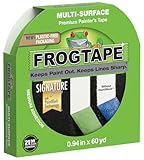
I remember the first time I tried to paint a radiator. Seemed simple enough. Slap some tape on the edges, spray the heat-resistant paint, and peel it off for clean lines. Easy, right? Wrong. The heat from that radiator basically melted the tape into a sticky, gooey mess that took me longer to scrape off than it did to paint the damn thing. It made me wonder, can painters tape withstand heat at all? Turns out, not all of them are built for it, and the advice you find online is often useless fluff.
Most people think painters tape is just blue, green, or yellow paper with glue. And yeah, that’s the basic idea. But the devil, and the solution to your heat problems, is in the details. If you’re looking to mask off anything that’s going to get even a little bit warm, you need to know what you’re dealing with. This isn’t rocket science, but it’s also not as simple as grabbing the cheapest roll at the hardware store.
The Real Deal with Heat and Tape Adhesives
So, why does that cheap blue tape turn into a nightmare around anything warm? It’s all about the adhesive. Most standard painters tapes use an acrylic-based adhesive. It’s designed to stick well to surfaces at room temperature and then peel off cleanly without leaving residue.
Pretty straightforward. But when you introduce heat, even moderate heat, things get dicey. That acrylic adhesive starts to soften.
Think of it like butter on a hot day; it gets gooey, loses its structural integrity, and starts to flow. When it softens, it can either ooze under the tape, creating those nasty feathered edges you absolutely hate, or it can basically bake onto the surface you’re trying to protect. This baking process makes it incredibly difficult to remove cleanly, often leaving behind a sticky residue or even chunks of tape that refuse to budge.
I learned this the hard way when I was trying to do some trim work in my garage. The workbench gets surprisingly warm from my power tools, and I figured a little heat wouldn’t hurt.
Nope. The tape I used, some generic brand, warped and sagged. When I tried to pull it off, it tore into a million pieces, leaving behind a sticky goo that was tougher than old chewing gum. I spent an hour with Goo Gone and a plastic scraper, cursing the tape manufacturer and my own cheapness.
That’s when I realized that not all painters tape is created equal, especially when you start pushing the boundaries of what it’s supposed to do. The common advice to just ‘use painters tape’ for any masking job is, frankly, garbage if the surface is going to heat up.
The other issue is the backing material itself. While most tape backings are paper-based, some are treated with chemicals to resist solvents or moisture. However, they aren’t typically designed to handle sustained heat. Under heat, the paper can become brittle and crack, or it can start to degas, releasing trapped moisture or volatile organic compounds (VOCs) that can affect the paint or finish underneath. It’s a cascade of problems. The backing can shrink or expand unevenly, compromising the seal the adhesive tries to maintain.
There are also different types of adhesives beyond basic acrylics. Some higher-end tapes use different formulations. For instance, some tapes designed for automotive use or for high-temperature applications might use silicone-based adhesives or specialized synthetic polymers. These are engineered to maintain their properties – sticking power and peelability – across a much wider temperature range. But you’re not going to find these in the general painters tape aisle at your local big-box store. You’ll need to specifically look for tapes marketed for high-heat applications or professional automotive masking.
The question of ‘can painters tape withstand heat’ isn’t a simple yes or no. It’s more of a ‘which painters tape, under which conditions, for how long?’ The key takeaway is that standard, cheap tape is made for ambient temperatures, and anything above about 120°F (49°C) starts to become a serious risk. For anything hotter, you absolutely need specialized products.
What to Look for: The Heat-Resistant Tape Cheat Sheet
Okay, so you’ve accepted that your bargain-basement blue tape is going to bail on you when things get warm. What do you actually look for when you need tape that can handle some heat? First off, forget what you think you know about painters tape based on color alone. Sure, blue is common, but so is green, purple, and even white, and each can have different adhesive strengths and temperature ratings. You need to read the damn packaging.
Look for terms like ‘high-temperature,’ ‘automotive masking tape,’ ‘engine tape,’ or tapes that explicitly state a temperature rating. The gold standard here is usually silicone-based adhesives, but specialized acrylics designed for high heat also exist. These will often have a much higher maximum application temperature, sometimes rated for 200°F (93°C) or even 300°F (149°C) for short periods. For example, I once needed to mask off some metal trim before powder coating, which involves baking the parts at around 400°F (204°C). Standard tape? Forget it. I had to shell out for a special high-temp silicone tape that, frankly, cost me about $25 for a 1-inch roll. But it worked like a charm, no residue, no meltdown.
Here’s a breakdown of what to scan for on the label: (See Also: Does Painters Tape Rip Paint Off Walls )
| Feature to Look For | What it Means for Heat Resistance | My Verdict |
|---|---|---|
| Temperature Rating (e.g., 250°F / 120°C) | This is the most direct indicator. The higher the number, the better it handles heat. Make sure it’s for sustained heat, not just a brief flash. | Must-have for anything above warm. |
| Adhesive Type (e.g., Silicone, High-Temp Acrylic) | Silicone is generally best for extreme heat. Specialized acrylics can also perform well. Standard acrylics are your enemy here. | Prioritize Silicone if possible. |
| ‘Automotive’ or ‘Industrial’ Labeling | These tapes are often designed for harsher conditions, including temperature fluctuations and exposure to automotive fluids. | Good indicator it’s more solid. |
| Film or Foil Backing (instead of paper) | Some high-temp tapes use a synthetic film or even foil backing for better heat distribution and resistance. Paper can char or degrade. | A bonus, but not always necessary. |
| ‘Repositionable’ or ‘Low Tack’ | This can be a red flag. While sometimes good for delicate surfaces, it often means the adhesive isn’t designed to bond strongly, and might fail under heat. | Use with caution; might not hold. |
Don’t be fooled by the color. While some brands use color coding (e.g., yellow for delicate surfaces, blue for general use, green for important paint lines), these are not universal standards for heat resistance. I’ve seen green tape melt and blue tape hold up surprisingly well in moderate temps, and vice versa. It’s the fine print on the packaging that matters. If the packaging doesn’t explicitly mention a temperature rating or a high-heat application, assume it’s not heat-resistant.
Also, consider the duration. A tape might withstand 250°F (121°C) for 30 minutes, but fail within 5 minutes at 300°F (149°C). If you’re painting a radiator that gets hot but cycles off, that’s different from masking a part that’s going into an oven or under a heat lamp for an extended period. Always check the specs for the duration the tape is rated for at its maximum temperature. I once used a tape that said ‘high temp’ but it was only good for a quick blast, not continuous heat. My project ended up looking like a melted abstract art piece.
For common household tasks like painting radiators or vents, you might not need industrial-grade silicone tape. Look for brands that offer a specific ‘high-temperature painters tape’ – often in a cream or tan color, or sometimes a dark green. These usually have a reasonable temperature rating (around 200-250°F or 93-121°C) and are more affordable than true automotive tapes. They are designed to bridge the gap between your average blue tape and extreme industrial applications. If the surface you’re taping is simply warm to the touch, but not hot enough to cause discomfort, you might get away with a decent quality mid-range tape, but it’s always a gamble.
Common Mistakes That Make Tape Melt
You’d think masking tape is pretty foolproof, right? Slap it on, paint, peel. But when heat is involved, people make some truly spectacular blunders. The most common mistake, hands down, is using standard interior painters tape on anything that actually gets hot. I’m talking radiators, engine bays (even just residual heat from running the engine), heat lamps, ovens, stovetops, exhaust pipes, or even parts of your home that get direct, intense sunlight for hours on end through a window. These surfaces generate temperatures far beyond what your average blue tape can handle. You’re basically asking it to perform a job it was never designed for, and then you’re surprised when it melts into a sticky, stubborn mess.
Another big one is impatience. People tape off a surface, then immediately blast it with heat or paint that’s designed to be applied hot. The tape needs time to adhere properly, and sometimes, especially with high-temp tapes, the adhesive needs a little time to ‘cure’ or reach its optimal bonding strength. Rushing the process means the tape can lift or fail prematurely. I’ve seen folks mask a hot engine block and then wonder why the tape is curling up before they even finish spraying. Give the tape a chance to do its job before you introduce extreme conditions.
Over-applying the heat source is also a classic error. If you’re using a heat gun to speed up drying or to help the tape conform, you can easily overheat the tape itself, even if the surface beneath it is within the tape’s rating.
The heat gun is often much hotter than the surface temperature you’re trying to achieve. You need to keep the heat gun moving and at a safe distance. I learned this when trying to shrink some heat-shrink tubing over a wire harness.
I got a little too enthusiastic with the heat gun, and the masking tape I’d used to protect the surrounding area just vaporized into a sticky goo. The tape itself, not the surface it was on, was the weak link.
Then there’s the issue of surface preparation. If the surface you’re taping isn’t clean and dry, the adhesive won’t bond properly. Grease, dust, or moisture can create a barrier between the tape and the surface, weakening the bond. This is true for any tape job, but when heat is a factor, a weak bond is an invitation for failure. The heat will soften the adhesive, and if it’s not properly bonded to begin with, it will slide, ooze, or peel right off. You wouldn’t put a sticker on a greasy car fender and expect it to stay on in the rain, right? Same principle applies here, just with heat instead of water.
Finally, people often underestimate the residual heat. Just because something isn’t actively being heated doesn’t mean it’s cool. An engine that’s been run for 10 minutes can stay hot for an hour or more. A metal surface left in direct sun can bake well past ambient temperature. Always assume a surface is hotter than you think, especially if it’s dark-colored and exposed to heat sources or sunlight. I once taped off a metal shed door that had been in the sun all day. It looked cool to the touch, but the tape bubbled and melted because the metal was still radiating significant heat. A quick blast from an infrared thermometer would have saved me a lot of headaches.
Real-World Use Cases: Where Heat-Resistant Tape Shines
So, where does this specialized heat-resistant tape actually earn its keep? It’s not just for professional auto body shops and industrial painters, though they are the primary users. There are plenty of DIY and home-improvement scenarios where you’ll be incredibly grateful you invested in tape that can handle some warmth.
One of the most common is painting or refinishing appliances. Refrigerators, dishwashers, ovens – these things get warm. While you might not be painting the heating elements, the exterior surfaces can get hot enough during normal operation to cause standard tape adhesive to soften and bleed. This is especially true if you’re painting a fridge or dishwasher near the compressor or vent areas, or if you’re painting an oven door that gets hot during baking. Using a tape with a rating of at least 200-250°F (93-121°C) will give you clean lines without leaving that frustrating sticky residue behind.
Heating systems are another big one. Radiators, baseboard heaters, HVAC vents – these all get hot. Painting these can refresh their look, but standard tape will likely fail. If you’ve ever tried to paint a radiator with regular tape, you’ve probably experienced the melt-and-smear. A good quality, heat-resistant tape, often a fiberglass-reinforced tape or a high-temp crepe paper tape, will hold firm. I had to paint my old cast-iron radiators a few years back. I used a high-temp tape (something like a 3M 5702) rated for about 250°F. It was a bit pricier, maybe $15 for a roll, but the crisp edges I got were worth every penny, and cleanup was a breeze. No goo, no tape tears. (See Also: Does Masking Tape Work The Same As Painters Tape )
Automotive work, even DIY, is a prime candidate. Masking off trim, badges, or areas around exhaust components before painting or applying protective coatings often requires heat resistance. Think about painting brake calipers – they get extremely hot. Or masking off a section of a car body panel near the engine or exhaust. Even residual heat from a running engine can be enough to soften standard tape. For these jobs, automotive-specific masking tapes are usually silicone-based and can handle temperatures well over 250°F (121°C).
Even something as simple as sealing off vents or areas around heat-producing electronics can benefit. For example, if you’re insulating an attic and need to temporarily seal off a vent to prevent dust or debris from entering while you work, and that vent might get warm from sunlight or attic heat, a heat-resistant tape is a safer bet than standard tape that might lose its stickiness and fall off.
Finally, think about any craft or DIY project involving heat guns. Whether you’re working with heat-shrink tubing, heat-sensitive vinyl, or applying certain types of adhesives or finishes that require a heat gun for application or curing, you’ll want to mask off surrounding areas with tape that won’t melt. I learned this when I was trying to apply a heat-activated adhesive to some fabric for a costume. The heat gun got too close to my masking tape, and it was a disaster. Switching to a tape that could handle the direct heat from the gun saved the project.
Practical Tips for Using Heat-Resistant Tape
Alright, you’ve got your shiny new roll of heat-resistant tape. Now, how do you make sure it actually works when you need it to? It’s not just about buying the right tape; it’s about using it intelligently.
First, and I can’t stress this enough, always test your tape in an inconspicuous area. Even high-temperature tapes can react differently with various surfaces. Before you commit to masking off your entire antique radiator, stick a small piece of tape on a hidden spot, apply a moderate amount of heat (mimicking your actual project conditions), let it sit, and then try to peel it off. Check for adhesion, residue, and any damage to the surface or the tape itself.
This small step can save you hours of painstaking cleanup later.
When applying the tape, press it down firmly and smoothly. Use your fingernail, a plastic spreader, or a putty knife to make sure good contact along the edges. This is even more important with high-temperature tapes because they often need a solid bond to prevent heat from creeping underneath and softening the adhesive. Work in manageable sections, especially on curved or irregular surfaces, to maintain even pressure. Avoid stretching the tape too much as you apply it; this can weaken the adhesive and distort the backing, making it more prone to failure under heat.
If you’re dealing with very high temperatures, consider using multiple layers of tape, or a combination of tape and other masking materials. For instance, you might use a heat-resistant tape for the important edge where you want a clean paint line, and then cover larger areas with a heat-resistant sheeting or even aluminum foil, secured with your high-temp tape. This provides extra insulation and protection against extreme heat. This is common practice in automotive painting for areas like engine bays or exhaust systems.
Understand the temperature limits and application times specified by the manufacturer. Don’t assume that because a tape is rated for 300°F (149°C), it will hold up indefinitely at that temperature. Many tapes are rated for shorter durations. If your project involves prolonged exposure to heat, choose a tape with a higher rating or a more solid construction (like silicone or fiberglass backing). If you’re unsure, err on the side of caution and use a tape with a higher temperature rating than you think you’ll need.
When it’s time to remove the tape, do so carefully and while the surface is still warm, if possible and safe. Often, adhesives are easier to remove cleanly when they are slightly warm rather than completely cold. However, be cautious not to burn yourself.
If the surface is extremely hot, let it cool down to a manageable temperature before attempting removal. Pull the tape off slowly and at a sharp angle (close to 180 degrees), rather than pulling it straight up. This helps maintain consistent tension and reduces the chance of the tape tearing or leaving residue. If any residue remains, use a cleaner specifically recommended for adhesive removal or the type of surface you’re working with.
Isopropyl alcohol or a citrus-based cleaner can work for many situations, but always test first.
Do High-Temperature Tapes Leave Residue?
High-temperature tapes, especially those with silicone adhesives, are specifically designed to not leave residue, even when exposed to significant heat. The goal is a clean peel. However, like any tape, if the surface is improperly prepared (oily, dirty, or dusty), or if the tape is left on for an extremely extended period beyond its rated lifespan, some slight residue might occur. It’s far less common and much easier to clean than with standard tapes. (See Also: Does Painters Tape Peel Paint )
Can I Use Regular Painters Tape on a Hot Surface?
No, it’s a very bad idea. Regular painters tape, the standard blue, green, or yellow kind, is made for ambient temperatures. When exposed to heat, the adhesive softens and can melt, leading to bleeding paint lines, sticky residue, or the tape falling off entirely. You need specialized high-temperature tape for any surface that gets significantly warm.
What Is the Maximum Temperature for Painters Tape?
Standard painters tape typically has a maximum temperature rating of around 120°F (49°C) to 150°F (65°C) before its adhesive starts to degrade. High-temperature tapes can range from 200°F (93°C) up to 300°F (149°C) or even higher for specialized industrial applications, often specified for a certain duration.
What Tape Is Best for High Heat Applications?
For high-heat applications, look for tapes specifically labeled as ‘high-temperature,’ ‘automotive masking tape,’ or that list a high temperature rating (e.g., 250°F/121°C or higher). Silicone-based adhesives are generally superior for extreme heat, but specialized synthetic or high-temperature acrylics can also perform well. Always check the manufacturer’s specifications for the temperature rating and intended use.
When Standard Tape Fails: The Case for Specialty Products
I’ve wasted enough time and money on products that overpromise and underdeliver. When it comes to tape and heat, the common advice to just grab ‘good quality painters tape’ is a trap for anyone doing more than just masking off a wall from a slightly warm breeze. The reality is that standard adhesives just aren’t formulated to handle temperatures above what you’d find in a typical room. Once you push past that threshold, usually around 120-150°F (49-65°C), the glue starts to get soft. It’s like trying to use a candle to solder a circuit board – it’s the wrong tool for the job.
My first real ‘aha!’ moment with this was trying to paint the metal trim around my fireplace. It gets genuinely warm, not scorching hot, but warm enough. I used what I thought was decent quality blue tape.
Within an hour of the fire being on, the edges started to weep. Not only did I get fuzzy paint lines, but when I peeled the tape off, it left this horrible sticky residue that was a nightmare to remove from the polished metal. I ended up having to use a solvent cleaner, which I was worried would damage the finish.
It took me another hour of scrubbing to get it clean. That’s when I realized that sometimes, you just have to buy the specialized product.
It’s not about being fancy; it’s about not making your life harder.
The difference isn’t just the glue. The backing material on regular tape can also degrade. It can become brittle and crack, or absorb heat and transfer it unevenly, compromising the seal. High-temperature tapes often use more solid backing materials, like synthetic films or even fiberglass reinforcement, which can better withstand thermal stress. They are engineered to maintain their integrity under conditions where standard paper tape would fail miserably. This is why professional painters, auto body technicians, and industrial workers rely on specific tapes for specific jobs; they’ve learned the hard way that generic products just don’t cut it when conditions get tough.
Think about it: if a manufacturer goes to the trouble of developing and marketing a tape specifically for high-heat applications, there’s a reason. They’ve likely tested it extensively and know it performs reliably under conditions that would destroy a standard tape. While these specialty tapes can be more expensive – sometimes two or three times the price of a roll of basic blue tape – the time saved on cleanup, the improved results, and the prevention of damaged finishes often make them a bargain in the long run. I’d rather spend an extra $10 on a roll of tape that works perfectly than spend $10 on a cheap roll and then $50 worth of my time and solvents trying to fix the mess it made. It’s about efficiency and getting the job done right the first time.
Final Thoughts
So, to finally put it to bed: can painters tape withstand heat? Yes, but only specific types of painters tape, and only up to their rated limits. Your average roll of blue tape is not designed for it and will likely fail. For anything that gets warm – radiators, vents, engine parts, even a hot sunbeam – you need to look for specialty high-temperature tapes.
Don’t be that person spending hours scraping off melted goo. Read the packaging, understand the temperature ratings, and do a test run if you’re unsure. It might cost a few extra bucks upfront, but the time and frustration you’ll save are priceless. Investing in the right tape for the job is just plain smart, and it’s a lesson I learned the hard way more times than I care to admit.
Next time you’ve got a warm surface to mask, remember this. Your future self, free from sticky residue and ruined paint lines, will thank you.