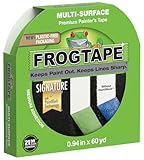
I remember staring at that framed poster, a masterpiece I’d picked up on a trip, and a roll of blue painters tape. My landlord was notoriously strict about nails, and my brain, fueled by countless DIY videos, screamed, ‘This is it! The invisible solution!’ I slapped it on, feeling smug. Then, the sickening thud. The poster, and the tiny piece of my dignity, lay on the floor. So, can painters tape hold weight? The short answer is: it depends, but mostly, no. Not the kind of weight you’d want to trust with anything valuable.
This isn’t about some fancy engineering feat. It’s about real-world stuff. Forget the sleek brochures and the ‘revolutionary adhesion’ claims. We’re talking about what happens when you actually use this stuff to hang something more than a grocery list. I’ve spent years in the gym, on the boxing mats, and out in the wild, where things need to stay put. I’ve seen tape fail spectacularly, and I’ve learned what’s junk and what’s not. So, let’s get into the nitty-gritty of whether painters tape can hold weight.
The Sticky Truth: What’s Really Under That Blue Coating?
Look, painters tape is designed for one thing: keeping paint from bleeding onto trim or other surfaces during a paint job. That’s it. It’s supposed to stick well enough to do its job, but also peel off cleanly without taking your paint with it. This delicate balance means its adhesive isn’t some super-glue concoction designed for serious load-bearing. It’s engineered for temporary adhesion and clean removal. Think of it like a handshake versus a bear hug. Painters tape offers a polite handshake, not the vice-like grip you need for hanging anything with substance.
The adhesive itself is typically a low-tack rubber-based or acrylic-based compound. It’s formulated to adhere to a variety of surfaces, but its primary characteristic is its ease of removal. This is its strength for painters, but its Achilles’ heel when you start thinking about weight. When you try to hang something, you’re not just asking the tape to stick; you’re asking it to resist the constant pull of gravity trying to drag that object down. The cleaner the tape can be removed, the weaker its long-term, heavy-duty bond is going to be.
I learned this the hard way, not just with posters, but with trying to rig up temporary shelving in my garage. I figured a few strips of that heavy-duty blue stuff would hold a couple of tool organizers. Spoiler alert: it didn’t. The organizers, thankfully not too heavy, ended up on the floor, scattering wrenches and screwdrivers everywhere. The tape looked like it was still stuck, but the sheer weight had caused it to creep and peel away from the wall surface. It’s a classic case of using the wrong tool for the job. The adhesive just isn’t formulated for sustained shear force. It’s designed for shear force over a very short duration, primarily during the painting process itself.
Now, you’ll see ‘heavy-duty’ painters tape or ‘pro-grade’ versions. These might have a slightly stronger adhesive or a thicker backing, but let’s be real. They’re still painters tape. They’re better at sticking to rougher surfaces or providing a sharper paint line, but they aren’t suddenly going to become a replacement for nails, screws, or specialized hanging hardware. The underlying principle of clean removal still dictates the adhesive’s inherent strength limitations when it comes to holding weight over time.
The backing material also plays a role. Most painters tape uses a crepe paper backing. This is flexible and conforms to surfaces, which is great for paint jobs. But when you’re talking about weight, paper isn’t exactly known for its tensile strength. It can stretch, tear, or degrade, especially if exposed to moisture or significant stress. So, you’re not just relying on the adhesive; you’re also relying on the physical integrity of the tape’s backing, which is generally quite weak in the context of load-bearing.
What ‘weight’ Are We Even Talking About? The Real Capacity Limits
Let’s break down what ‘holding weight’ actually means in the context of painters tape. We’re not talking about supporting a barbell or anchoring a swing set. If you’re thinking about hanging a lightweight picture frame, maybe a single sheet of paper or a very light piece of decoration, then technically, yes, painters tape can hold that. But it’s a gamble. The key here is ‘very lightweight’ and ‘temporary’. I’m talking about things that weigh ounces, not pounds. My poster, which I thought was light, probably had a decent amount of weight due to the frame and glass. That was a mistake.
The common advice you’ll find online, often from people who just slap tape on and call it a day, is that it can hold ‘a few pounds.’ Honestly, I think that’s wildly optimistic for most situations and most brands. I’ve seen reputable brands fail with less than a pound of sustained pull. The adhesive will often creep, meaning it slowly slides under load, even if it doesn’t outright fail. This is insidious because it might look like it’s holding, but it’s gradually giving way. I’ve had things held by tape that slowly tilted over days before finally dropping.
Consider the surface you’re sticking it to. A perfectly smooth, clean, sealed surface will offer the best possible adhesion for painters tape. A rough, dusty, or porous surface? Forget about it. The tape can’t make good contact, and the adhesive has nothing solid to grip. Think about hanging something on unpainted drywall versus a glossy painted surface. The glossy surface is more likely to give you a temporary stick, but the unpainted drywall might just absorb the adhesive, leaving you with a mess and no adhesion.
Now, let’s talk about the real-world forces at play. When you hang something, it’s not just static weight. There’s the initial force of gravity. But then there’s also movement. If you bump the wall, or if there’s a draft, or even just thermal expansion and contraction of the wall and the object, you’re introducing dynamic forces. These sudden jolts or stresses are far more likely to break the bond of painters tape than a constant, steady pull. I’ve seen tape adhesion fail during a slight tremor from a heavy truck passing by outside.
The type of painters tape matters, but not as much as you’d think. You’ve got your standard blue, green for delicate surfaces, and the ‘tiger stripes’ or gold tapes that are supposed to be more solid. The green ones are designed to be even less sticky, so they’re a definite no-go for weight.
The gold tapes often have a stronger adhesive and a more durable backing, but again, they are still primarily designed for painting tasks. They might hold a slightly heavier item for a shorter period, but they are not a substitute for proper fasteners. It’s like comparing a strong cup of coffee to an espresso shot; one gives you a jolt, the other a sustained burn. (See Also: Does Painters Tape Pull Off Paint )
You need sustained burn for weight.
Here’s a little comparison table to give you a rough idea, but remember, these are educated guesses based on practical experience, not scientific load ratings:
| Type of Tape | Typical Backing | Adhesive Strength (Relative) | Estimated Weight Capacity (Clean, Smooth Surface, Temporary) | Verdict for Holding Weight |
|---|---|---|---|---|
| Standard Blue | Crepe Paper | Medium-Low | Up to 4 oz (e.g., a single photo print) | Risky for anything over a very light decoration. |
| Green (Delicate Surfaces) | Crepe Paper | Low | Up to 2 oz (e.g., a postcard) | Absolutely not for weight. |
| Gold/Pro-Grade | Thicker Paper/Film | Medium | Up to 8 oz (e.g., a small framed photo, a lightweight sign) | Still very risky for anything valuable or heavy. |
| Specialty (‘Heavy Duty’ variations) | Varies (often thicker paper or synthetic) | Medium-High | Up to 1 lb (e.g., a lightweight shadow box, a small tool organizer) | Still not recommended for sustained weight or valuable items. |
The key takeaway is that even the ‘best’ painters tape is not designed for significant or sustained weight. You’re playing with fire, and the ‘fire’ is gravity and your possessions crashing to the floor. It’s a common mistake, born from convenience, but one that rarely ends well.
Why Common Advice Is Often Dead Wrong
You see it everywhere. ‘Just use painters tape!’ ‘It holds perfectly!’ This is often perpetuated by people who have never actually tested the limits, or whose definition of ‘holding’ is ‘not falling down immediately.’ My experience in boxing has taught me that you need to build solid defense, not just hope your opponent doesn’t land a punch. Similarly, when you’re hanging something, you need a solid solution, not wishful thinking.
A big part of why the advice is bad is the vagueness. What kind of painters tape? What surface? For how long? Is the item perfectly flat or does it have depth? Most online ‘tips’ gloss over these important details. They’ll show a picture of a poster taped to a wall and say ‘See? Easy!’ But they don’t show what happens a week later. I once saw a guy in an apartment use painters tape to hang a heavy mirror. It lasted about three days before it crashed down, smashing the mirror and damaging the wall behind it. He was genuinely surprised. He just followed online advice!
The ‘people also ask’ questions often highlight this confusion. Questions like ‘Can painters tape hold a shelf?’ or ‘How much weight can Command strips hold?’ (which are designed for weight, unlike painters tape) show that people are trying to use these things for more than intended. The confusion stems from the fact that tape does stick. It creates an illusion of security. But that initial stickiness is misleading. It’s like a boxer who looks strong but has weak legs; they might win the first round, but they’ll gas out.
Here’s my contrarian take: Everyone says painters tape is a miracle for temporary hanging. I disagree. It’s a miracle for temporary masking during painting. When it comes to hanging, it’s a recipe for disappointment and potential damage. The reason it’s so popular for ‘temporary’ hanging is that people want to avoid making holes. They see painters tape, it sticks, and it seems like the perfect, hole-free solution. But the ‘temporary’ part often gets ignored or misinterpreted. It’s temporary in its purpose, not necessarily in its duration of holding power.
The internet is flooded with influencer videos and blog posts that showcase a quick, aesthetically pleasing ‘hack’ using painters tape for decor. They rarely follow up on the long-term results. They get their perfect shot, the item stays up for the duration of the video, and then they might take it down. This creates a false impression of reliability. It’s marketing disguised as helpful advice. The manufacturers themselves clearly state its purpose is for painting. Any use beyond that is an unsupported application.
Think about the surfaces. If you’re renting, you want to avoid holes. This is a legitimate concern. But relying on painters tape is like trying to patch a leaky boat with a band-aid. It might work for a tiny pinprick, but a real leak will overwhelm it. There are better solutions out there for hole-free hanging that are actually designed for the job. People get stuck on the idea of painters tape because it’s readily available and cheap. But the cost of a failed application – damaged items, damaged walls, and the sheer frustration – far outweighs the initial savings.
Real-World Uses: When Painters Tape might Not Be a Total Disaster
Okay, so I’ve bashed painters tape for holding weight pretty hard. And for good reason. But is there any scenario where it doesn’t immediately scream ‘disaster’? Yes, but you have to be realistic and understand its limitations. I’m talking about the absolute lightest, most temporary, and least important applications. Think of it as a temporary placeholder, not a permanent fixture.
For instance, holding a single piece of paper with a handwritten note or a shopping list onto a clean, smooth surface for a few hours? Probably fine. I’ve used it to tack up a recipe while cooking, knowing I’d take it down in an hour. Or holding a very lightweight instruction manual onto a machine while you’re working on it, only to remove it once you’re done. These are tasks where the ‘weight’ is negligible, and the duration is short. The risk is minimal.
Another scenario is using it to temporarily hold something in place while you apply a more permanent adhesive. For example, if you’re using a strong double-sided tape or a construction adhesive, you might use a few strips of painters tape to hold the item firmly against the wall while the permanent adhesive cures. In this case, the painters tape isn’t bearing the weight; it’s just acting as a temporary clamp. Once the real adhesive has set, you peel off the painters tape. This is a legitimate use where the tape’s low-tack nature is actually an advantage, as it won’t damage the surface or the item when removed. (See Also: Does Painters Tape Rip Paint Off Walls )
I also use it for quick, temporary fixes on things that aren’t important. Like holding a loose wire out of the way for a few minutes while I fiddle with something else, or temporarily securing a small, flat component during assembly that will soon be screwed down. It’s about understanding that the tape is only a placeholder, a very temporary solution until the proper fix is applied. It’s the difference between using a bobby pin to hold your hair back for five minutes versus trying to use it as a permanent hair clip.
Here’s a practical tip: If you are going to attempt to hang something extremely light, clean the surface meticulously. Use an alcohol wipe to remove any dust or grease. Then, apply the tape smoothly, pressing it down firmly to maximize contact. Don’t stretch the tape too much as you apply it, as this can weaken its adhesive grip over time. And for the love of all that is holy, do not use it for anything valuable, breakable, or that would cause significant damage if it fell. I learned this lesson with my poster, and I’ve seen others learn it the hard way with electronics, mirrors, and even framed art.
The key differentiator in these ‘maybe it works’ scenarios is the extremely low weight and the very short duration. If you’re thinking about hanging anything that has a bit of heft, or if you want it to stay put for more than a few hours, you absolutely need to use a different method. Painters tape is a tool for painters, not for general-purpose hanging. Treat it as such, and you’ll save yourself a lot of hassle.
When You Absolutely Should Not Use Painters Tape for Weight
Let’s draw a hard line here. There are certain situations where even the thought of using painters tape for weight is lunacy. This isn’t about being overly cautious; it’s about common sense and avoiding predictable disaster. If you’re trying to hang anything that is valuable, fragile, or could cause damage if it fell, painters tape is off the table. Period.
Think about hanging a TV. Even a small one. The weight is significant, and the consequences of it falling are catastrophic. That’s a job for sturdy wall mounts and proper hardware. Or consider hanging a large mirror. Mirrors are inherently fragile and heavy. They can shatter, causing injury and property damage. Painters tape is not designed for that kind of sustained stress. I’ve seen attempts at this, and they always end badly. The tape peels, the mirror tilts, and then comes the crash.
Electronics are another big no-no. A router, a game console, a soundbar – these are often expensive and contain delicate components. Even if the tape could technically hold the weight for a short while, the risk of vibration, temperature changes, or minor bumps causing it to fail is far too high. You don’t want your PlayStation ending up on the floor.
Anything in a bathroom or kitchen where moisture is present is also a bad idea. While some painters tapes are water-resistant, prolonged exposure to humidity can degrade the adhesive and the paper backing. Imagine using it to hold up a shower caddy or a spice rack. The steam from the shower or the cooking will eventually compromise the tape, and then everything will come crashing down. That’s a recipe for a messy cleanup and broken items.
I’ve also seen people try to use it for outdoor applications, like hanging decorations. While some outdoor painters tapes exist, the elements – sun, wind, rain – are brutal on adhesives. The UV rays can break down the adhesive, and wind can exert significant, sudden forces that painters tape simply cannot withstand. Save yourself the frustration and potential damage; use outdoor-specific tapes or hardware.
The core issue is that painters tape is a temporary, low-adhesion product. It’s meant to be removed easily. When you ask it to perform a long-term, load-bearing task, you are fundamentally misusing it. It’s like trying to use a feather duster to hammer a nail. It might make a faint ‘thwack,’ but it’s not going to do the job, and you’ll likely damage both the tool and your project. If an item is important to you, or if its failure could cause harm or significant expense, painters tape is not the solution.
People Also Ask:
Can Painters Tape Hold a Shelf?
No, generally painters tape cannot hold a shelf. Shelves are designed to hold items, meaning they themselves need to be securely mounted with significant weight-bearing capacity. Even the most solid painters tape is not designed for the sustained shear and tensile forces required to support a shelf and the items placed on it. Attempting to do so would be highly unreliable and likely result in the shelf and its contents falling.
Can Painters Tape Hold a Picture Frame?
It depends heavily on the picture frame’s weight and size. For very small, lightweight prints or unframed photos that weigh only a few ounces, it might hold temporarily on a clean, smooth surface. However, for anything larger, heavier, or with a glass front, painters tape is not a reliable option. The adhesive can creep over time, and the paper backing lacks the strength for sustained weight, leading to potential failure.
How Much Weight Can Painters Tape Hold?
Painters tape is not rated for weight-bearing in a way that allows for a definitive answer. Its adhesive is designed for temporary adhesion and clean removal, not sustained load. Realistically, it’s best to assume it can hold only a few ounces at most, for a very short duration, on a perfectly clean and smooth surface. Any attempt to use it for heavier items is a gamble with a high probability of failure. (See Also: Does Masking Tape Work The Same As Painters Tape )
When Convenience Costs More: Better Alternatives for Hanging
Look, I get it. The allure of painters tape for hanging things is its convenience and the promise of no holes. It’s cheap, it’s everywhere, and it feels like a quick fix. But I’ve learned the hard way that sometimes, the cheap fix ends up costing you more in the long run – either through damaged items, damaged walls, or the sheer frustration of having to re-hang something that fell. There are better, more reliable ways to hang things without resorting to guesswork.
For lightweight items like unframed photos or posters (if you really want to avoid nails), consider dedicated photo hanging strips or removable adhesive hooks. Brands like Command offer a wide range of these products, specifically engineered to hold weight reliably and remove cleanly. They use different adhesive technologies than painters tape and are tested for specific weight limits.
I’ve used Command strips for years for hanging pictures and even light shelving, and they’ve held up beautifully without damaging my paint. They cost a bit more per strip than painters tape, but the peace of mind and reliability are well worth it. I spent about $30 on a pack of assorted Command strips last year, and they’ve served me well for numerous projects.
For slightly heavier items, or if you’re comfortable with very small, discreet holes, look into brad nails or small picture hooks. These are designed to be hammered into the wall with minimal damage. Often, the hole left by a brad nail is barely noticeable and easily filled if you ever need to move the item. If you’re really worried about wall damage, you can use a stud finder to locate a wall stud; screwing into a stud provides the most secure hanging point possible, capable of supporting significant weight. Even a small drywall anchor screw can hold more weight than you’d think, often several pounds.
If you’re dealing with very specific needs, like hanging tools in a workshop, pegboards are fantastic. They provide a highly customizable and solid system for organizing and hanging various items. The pegboard itself is mounted securely with screws, and the hooks or holders then attach to the board, offering a strong and flexible solution. I have a pegboard setup in my garage that holds a ridiculous amount of tools, and it’s been solid for years. The initial setup took maybe an hour and cost around $70 for the board and a starter pack of hooks.
The key is to match the hanging method to the weight and type of item you need to hang. Don’t let the convenience of painters tape lure you into a false sense of security. It’s a tool for painting, not for holding your possessions aloft. Investing a few extra dollars in the right hardware will save you from potential damage and disappointment down the line. Think of it like buying good boxing gloves; you need the right protection for the job, not just any old padded mitt.
Can Painters Tape Hold a Shelf?
No, generally painters tape cannot hold a shelf. Shelves are designed to hold items, meaning they themselves need to be securely mounted with significant weight-bearing capacity. Even the most solid painters tape is not designed for the sustained shear and tensile forces required to support a shelf and the items placed on it. Attempting to do so would be highly unreliable and likely result in the shelf and its contents falling.
Can Painters Tape Hold a Picture Frame?
It depends heavily on the picture frame’s weight and size. For very small, lightweight prints or unframed photos that weigh only a few ounces, it might hold temporarily on a clean, smooth surface. However, for anything larger, heavier, or with a glass front, painters tape is not a reliable option. The adhesive can creep over time, and the paper backing lacks the strength for sustained weight, leading to potential failure.
How Much Weight Can Painters Tape Hold?
Painters tape is not rated for weight-bearing in a way that allows for a definitive answer. Its adhesive is designed for temporary adhesion and clean removal, not sustained load. Realistically, it’s best to assume it can hold only a few ounces at most, for a very short duration, on a perfectly clean and smooth surface. Any attempt to use it for heavier items is a gamble with a high probability of failure.
Is Painters Tape Strong Enough for Hanging Decorations?
For very lightweight, non-breakable decorations, it might work for a short period, especially if they are flat and have minimal surface area. However, for anything even moderately heavy, breakable, or exposed to movement (like in a breezy room or outdoors), painters tape is not a reliable choice. The risk of it failing and damaging the decoration or the surface it’s attached to is significant.
What’s the Difference Between Painters Tape and Mounting Tape?
The primary difference lies in their intended purpose and adhesive strength. Painters tape is designed for masking during painting, prioritizing clean removal over strong, permanent adhesion. Mounting tape, on the other hand, is specifically engineered with a much stronger adhesive to permanently bond items to surfaces, capable of holding considerable weight according to its specifications. They are not interchangeable for hanging tasks.
Final Verdict
So, to wrap this up, can painters tape hold weight? The honest answer, based on years of experience that includes some spectacular failures, is a resounding ‘barely, and you shouldn’t rely on it.’ It’s built for painting edges, not for bearing burdens. While it might hold a feather for an hour, anything more substantial is a gamble you’re likely to lose.
If you need to hang something, even something relatively light, save yourself the headache and the potential damage. Look into proper hanging solutions – Command strips for hole-free convenience, or small nails and anchors for more secure mounting. These are designed for the job and won’t let you down when gravity comes calling.
Don’t let the ease of slapping on some blue tape fool you into a false sense of security. When it comes to hanging things, strength and reliability are key, and that’s simply not what painters tape offers. If it’s important, use the right tool. Period.