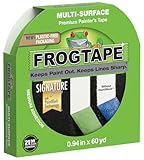
I remember staring at a spaghetti junction of wires behind my old TV, a tangled mess I’d been putting off for months. The thought of fiddling with them, let alone labeling them, felt like a chore I’d rather gnaw my own arm off than do. So, when I needed to temporarily secure a few loose cables, my hand instinctively reached for the familiar blue roll of painters tape. It seemed like the obvious, easy solution. But can you use painters tape on wires? It’s a question that pops up more often than you’d think, especially when you’re in a pinch.
Look, we’ve all been there: needing a quick fix, a temporary hold, or just a way to make sense of chaos without breaking out the heavy-duty stuff. Painters tape is ubiquitous, cheap, and readily available. It’s designed to stick, but not too much, right? That’s the promise. So, the idea of using it on electrical wiring might seem completely reasonable. But as with most things, the devil is in the details, and my initial grab-and-stick approach might not have been the smartest move.
The Lowdown on Using Painters Tape for Temporary Wire Management
Alright, let’s cut to the chase. Can you use painters tape on wires? The short, blunt answer is: yes, you can, but whether you should for anything beyond a super-temporary, non-important situation is where things get dicey. I’ve made my fair share of questionable DIY choices over the years, and using painters tape for wire management has definitely been one of them. It’s tempting. You’ve got a rat’s nest of cables behind your entertainment center, or maybe you’re doing some temporary setup for an event. You need to bundle them, label them, or just stop them from dragging on the floor. Painters tape is right there, practically begging to be used.
The appeal is obvious. It’s cheap, widely available, and comes off relatively cleanly from most surfaces, which is its main selling point.
For a few hours, maybe even a day or two, it can do the job. I’ve used it to bundle extension cords together when I was setting up for an outdoor party, just to keep things tidy and prevent tripping hazards. I’ve also used it to temporarily label which wire is which when I was reorganizing my computer setup, a quick scrawl with a marker and I could tell my monitor cable from my printer cable. It felt like a clever hack at the time.
But the problem with ‘clever hacks’ is that they often ignore the underlying reasons why dedicated products exist in the first place.
The main concern with painters tape, especially on wires, is its adhesive. While it’s designed to be low-tack, ‘low-tack’ isn’t ‘no-tack’. Over time, especially with heat fluctuations or prolonged contact, that adhesive can start to break down. It can leave a sticky residue that’s a nightmare to clean off. I learned this the hard way when I used it to secure some speaker wire to a baseboard for a temporary setup. Weeks later, when I went to remove it, I had gummy, goo-covered wire and a paint-stained baseboard. Not ideal. For the wires themselves, it’s not usually a structural issue, but that residue can attract dust and gunk, making the wires look and feel gross.
Another thing to consider is the material of the tape itself. Most painters tapes are paper-based. While they offer some flexibility, they aren’t exactly solid. If the wires are going to be moved around a lot, or if they’re in an area where they might get snagged, the paper can tear easily. This means your ‘managed’ wires could end up looking even messier than before, or worse, the tape could fail entirely, sending your neat bundles scattering.
For true, long-term wire management or anything involving power transmission, you really want to use products designed for the job. Electrical tape, zip ties, Velcro straps, or specialized wire loom tubing are a much better bet. They’re designed to be durable, provide insulation (in the case of electrical tape), and hold securely without damaging the wires or their surroundings. So, while painters tape might seem like a quick fix, it’s usually worth investing a few extra bucks in the right tool for the job to avoid headaches down the line.
What to Look for: Beyond the Blue Roll
If you’ve decided that painters tape isn’t the long-term answer for your wiring woes (spoiler: it isn’t), you’re probably wondering what you should be using. This is where it gets a little more nuanced, because ‘wires’ can mean a lot of different things. Are we talking about the delicate USB cable for your phone, the thick power cord for your refrigerator, or the delicate strands inside a network cable? Each scenario calls for a slightly different approach, but the general principles of durable, safe, and effective wire management remain the same.
My own journey into organized cables started with pure desperation and a toolbox full of random junk. It wasn’t until I actually looked at specialized products that I realized how much better things could be.
The most obvious alternative is good old electrical tape. This stuff is designed specifically for electrical applications.
It’s stretchy, durable, and provides insulation. It’s fantastic for splicing wires or reinforcing connections that might be exposed. However, for simply bundling cables, it can be overkill and sometimes a bit too sticky long-term.
The adhesive on electrical tape is generally stronger than painters tape, and while it’s designed to be safe around electricity, it can still leave a residue over extended periods, though usually less aggressively than some cheaper blue tapes. I’ve used electrical tape to secure the ends of a bundle of power cords before shoving them into a sleeve, and it’s held up great. (See Also: Does Painters Tape Rip Paint Off Walls )
But if I were just tidying up my desk cables, I’d opt for something else.
Then you have zip ties. These are the workhorses of cable management. They’re cheap, strong, and come in a huge variety of sizes. You can get slim ones for delicate cables or heavy-duty ones for thick power cords.
The downside? They’re a one-time use item, and you need wire cutters to remove them. This makes them great for semi-permanent installations, like behind a TV where you set it and forget it, or in a server rack.
For something you might need to adjust often, like on your desk, they can be a bit of a pain. I’ve definitely cut myself trying to quickly release a zip tie that was too tight. A tip I learned is to use the hook-and-loop style Velcro straps instead if you anticipate needing to add or remove cables frequently.
Velcro straps, or hook-and-loop fasteners, are my personal favorite for general-purpose cable management, especially around computers and entertainment systems. They’re reusable, easy to adjust, and don’t leave any residue. You can get them in rolls you cut to size, or as pre-made straps. They’re gentle on cables and look way neater than a tangled mess. I’ve gone from a bird’s nest of wires under my desk to something almost presentable thanks to these. They come in various widths and colors, so you can even color-code your cables if you’re feeling ambitious. About $20 for a big pack of assorted sizes can keep your whole home office tidy for years.
For more permanent solutions, or when you want a really clean look, there are cable sleeves, raceways, and conduits. Cable sleeves are like fabric tubes that you stuff your cables into. They keep everything neat and tidy, and they’re flexible. Raceways are plastic channels that stick to walls or desks, hiding the cables completely. Conduits are similar but often more solid and used for in-wall wiring. These are more involved installations, but they offer the most professional finish. If you’re wiring a home theater system or running cables along baseboards, these can make a massive difference in aesthetics.
| Product Type | Best For | Pros | Cons | My Verdict |
|---|---|---|---|---|
| Painters Tape | Super temporary bundling/labeling (hours to a day) | Cheap, available, low initial tack | Leaves residue, tears easily, not durable, can damage paint | Use with extreme caution, only for very short-term needs on non-important wires. |
| Electrical Tape | Insulating splices, reinforcing connections | Provides insulation, durable, good adhesion | Can leave residue, overkill for simple bundling | Key for electrical work, good for securing ends of bundles. |
| Zip Ties | Semi-permanent bundling, structured setups | Strong, cheap, various sizes | Single-use, requires cutters, can over-tighten | Great for permanent installations where adjustments aren’t needed. |
| Velcro Straps | Frequent adjustments, general tidying | Reusable, adjustable, gentle on cables, no residue | Can be slightly more expensive than zip ties | My go-to for desks, entertainment centers, and anywhere flexibility is key. |
| Cable Sleeves/Raceways | Aesthetic, permanent concealment | Neat appearance, hides cables completely | Installation can be more involved, less flexible | For when you want that clean, professional look. |
Common Mistakes When It Comes to Wire Taping and Labeling
I’ve seen people do some truly wild things with tape and wires, and not always in a good way. One of the biggest blunders I’ve witnessed, and honestly, might have even participated in during my more ‘experimental’ phases, is the assumption that all tape is created equal when it comes to electronics. People grab the nearest roll – be it packing tape, duct tape, or yes, painters tape – and slap it on without a second thought. This is a recipe for disaster. Duct tape, for example, is incredibly sticky and its adhesive can be a real menace, leaving behind a gummy residue that’s almost impossible to remove from wires, especially older plastic insulation which can get brittle.
Another common mistake is over-reliance on a single method. For instance, using only zip ties for everything. While great for bundling, if you need to add or remove a single cable from a tightly bound bundle, you’re stuck cutting them all and re-zipping. This is where the genius of Velcro straps shines – they’re designed for this exact scenario. I used to have my computer cables bundled so tightly with zip ties that adding a new peripheral meant a frustrating ten-minute wrestling match. Switching to Velcro took seconds. It’s about choosing the right tool for the job, not just the most convenient one at that exact moment.
Then there’s the labeling. Or, more often, the lack thereof. People will spend hours meticulously organizing cables, only to have no idea what each one does a few weeks later. Scribbling on the tape itself is a short-term solution that often fades or gets smudged. I learned this when I tried to label my home studio cables with a Sharpie on masking tape. A few months in, the writing was illegible, and I was back to tracing wires one by one. Investing in proper label makers or using colored tapes and ties for different types of devices (e.g., blue for audio, red for power) is a much smarter long-term strategy. It saves so much guesswork and frustration.
A particularly insidious mistake is ignoring heat. Electrical wires, especially those carrying significant power, generate heat.
Cheap tapes, like standard painters tape, aren’t designed to withstand this. The heat can degrade the adhesive, making it less sticky or causing it to ooze.
Worse, some tapes might even melt or become brittle and crack, compromising their ability to hold or insulate. I once found a bundle of power cords behind a gaming PC that had been loosely wrapped with some generic tape. The heat had caused the tape to sag and stick to the cables in a way that looked like it had melted. It wasn’t dangerous in that instance, but it highlighted how unsuitable some materials are for areas with even moderate heat.
Finally, there’s the ‘out of sight, out of mind’ mentality. People bundle and forget. But wires can degrade over time, insulation can crack, and connections can loosen. If you’ve used tape to secure bundles, you might not notice a problem until it’s too late. Regularly checking your cable management, even if it looks neat, is important. Make sure tape hasn’t become brittle, that zip ties aren’t cutting into insulation, and that everything is still secure. It’s a small effort that can prevent bigger issues, from data corruption to actual hazards. (See Also: Does Masking Tape Work The Same As Painters Tape )
Real-World Scenarios: When Painters Tape Might (barely) Cut It
Let’s be honest, there are times when you just need something to hold for a few hours, and the thought of going to the store for specialized cable ties feels like a massive undertaking. In these very specific, limited circumstances, painters tape can be pressed into service. Think about setting up for a one-off event: a community fair booth, a short-term stage setup for a school play, or even just temporarily securing cables for a party decoration. For a few hours, to prevent a cable from being a tripping hazard or to keep a couple of loose wires together temporarily, painters tape will likely suffice.
I’ve used it to bundle extension cords that were going to be unplugged and put away the next morning. It held well enough for that short duration.
Another scenario might be temporary labeling. If you’re rearranging a home office and need to quickly identify which cable belongs to which monitor or peripheral for a few days while you sort things out, a strip of painters tape with a quick note on it can be helpful. It’s easy to apply, easy to write on, and easy to remove without leaving a significant mess.
The key here is the ‘temporary’ aspect. As soon as your project is done, or after a couple of days, you should be removing it. I once left painters tape on some audio cables for a week after a gig, and while it didn’t leave a terrible residue, it definitely wasn’t as clean as I would have liked. It’s a bit like using a Post-it note to hold something together – it works for a little while, but you wouldn’t rely on it for anything serious.
The absolute limit, in my experience, is avoiding any kind of heat source or significant tension. Electrical components and their power cords generate heat, especially when in use. Painters tape, being paper-based and designed for low adhesion, doesn’t react well to prolonged heat. It can get gummy, lose its stickiness, or even start to smell. So, if the wires are connected to anything that gets warm – a computer, a TV, a lamp, a router – painters tape is a bad idea. Similarly, if the tape is holding cables that are under any kind of strain or are likely to be pulled, it’s going to fail. The paper backing isn’t strong enough.
I also wouldn’t recommend it for anything that’s going to be moved frequently. If you’re constantly unplugging and replugging devices, or if the cables are in a high-traffic area where they might get bumped or snagged, painters tape will likely tear or lose its grip quickly.
It’s just not durable enough for that kind of wear and tear. For anything that needs to last longer than, say, 24-48 hours, or anything that’s important to function or safety, you’re better off reaching for a proper cable management solution. It might take an extra five minutes, but it will save you potential headaches, sticky messes, and even safety risks down the line. It’s the classic ‘do it right or do it twice’ scenario, and with wires, ‘doing it twice’ can sometimes be a lot more trouble than it’s worth.
My Personal Experience and a Contrarian View
I’ve definitely been guilty of the quick-and-dirty approach. Years ago, when I was first setting up my home studio – a blend of cables for microphones, instruments, and monitors – I was on a shoestring budget.
Every dollar counted. So, when I needed to bundle a few microphone cables together to run them across the floor, my eyes landed on the big, cheap roll of blue painters tape I had for painting projects.
I wrapped them up, feeling quite proud of my resourcefulness. They stayed bundled for about two weeks. Then, as I was moving some gear, one of the bundles snagged on a stand.
The tape tore, leaving a sticky, stringy mess all over the cables. It looked like a snail had slimed them.
Cleaning it off took longer than bundling them in the first place, and I ended up using actual electrical tape to secure them properly. Lesson learned.
Now, here’s my contrarian take. Everyone says painters tape is bad for wires. And for most permanent or even semi-permanent applications, they’re absolutely right. (See Also: Does Painters Tape Peel Paint )
But I’ve found a niche where it’s not just okay, but often better than the alternatives: temporary, delicate labeling on something you’re actively working on, especially if it has sensitive finishes. For instance, if I’m re-wiring a vintage piece of electronics and need to label a specific wire while I’m working on it, before I solder or disconnect it, a small piece of painters tape wrapped loosely around it is perfect. Why? Because it’s LOW tack.
It won’t damage brittle insulation on old wires, and importantly, it won’t leave residue that could interfere with soldering or cleaning contacts. Electrical tape, while insulated, can sometimes leave a residue that needs cleaning before soldering, and its stickiness can be a pain to remove from delicate components. Zip ties? Forget it.
Too aggressive.
So, while I’d never use painters tape to bundle power cords that are going to be plugged in and generating heat, or to permanently secure network cables, I’ll happily use it for temporary labels on circuit boards or inside electronics. It’s a tool that can be used effectively if you understand its limitations and its strengths.
The key is the context. Using it for temporary identification on components you’re actively servicing, where residue and adhesion strength are more of a risk than the tape failing, is where it shines. For anything else, stick to the proper tools.
It’s about being smart with what you have, not about blindly following advice that says ‘never use X for Y’ without understanding why.
Faq: Your Burning Questions About Wire Tape Answered
Is Painters Tape Safe for Electrical Wires?
Painters tape is generally not considered a safe or reliable long-term solution for electrical wires, especially those carrying power. While it can be used for temporary bundling or labeling for a very short period, its adhesive can degrade over time, leave sticky residue, and the tape itself isn’t durable. It doesn’t offer insulation, which is important for electrical safety. For anything more than a few hours, use products specifically designed for electrical wire management.
Can Painters Tape Damage Wire Insulation?
Yes, in some cases, painters tape can damage wire insulation, particularly if it’s left on for an extended period or if the insulation is old, brittle, or made of certain plastics. The adhesive can degrade and become very sticky, making it difficult to remove without pulling at or damaging the insulation. Heat can also exacerbate this, causing the adhesive to ooze and bond more aggressively.
Will Painters Tape Leave Sticky Residue on Wires?
Often, yes. While painters tape is designed for lower adhesion than, say, duct tape, it can still leave a sticky residue on wires, especially after being exposed to heat or left on for a while. This residue can attract dust and dirt, making the wires look messy and potentially affecting their performance or longevity. Removing this residue can be a tedious process.
What Is the Best Tape for Bundling Wires?
For bundling wires, the best options are usually Velcro straps (hook-and-loop fasteners) or zip ties. Velcro straps are reusable, adjustable, and gentle on cables, making them ideal for frequently accessed bundles or desk setups. Zip ties are strong and cheap for more permanent bundling where adjustments aren’t needed. Electrical tape can also be used for securing the ends of a bundle or for reinforcement, but it’s not typically the primary choice for general bundling.
How Long Can You Safely Use Painters Tape on Wires?
For safety and to avoid residue, painters tape should ideally only be used on wires for a very short duration, typically a few hours to a maximum of 24-48 hours. This is for non-important, low-voltage applications where the primary goal is temporary organization or labeling. Any longer, and you risk adhesive breakdown, residue, or the tape failing entirely.
Verdict
So, can you use painters tape on wires? Look, if you need to tape something up for a few hours to stop yourself from tripping over it until you can get home and use the right stuff, fine. But for anything more permanent, more important, or anything that’s going to be plugged in and generating heat, do yourself a favor and grab some Velcro straps or proper electrical tape. That sticky residue from painters tape is a pain, and frankly, wires deserve better than a quick fix that might just create a bigger mess later.
My advice is to keep a few key cable management tools on hand – some Velcro ties, a roll of electrical tape, maybe a pack of zip ties. They don’t cost much and they’ll save you a lot of hassle. Don’t let that blue roll lull you into a false sense of security when it comes to your electronics. It’s a good tape for painting walls, not for wrangling complex wiring systems.
Ultimately, using the right tool for the job isn’t just about neatness; it’s about safety and longevity. For those times when you’re deep in a project and need a temporary hold on something that won’t be energized or stressed, the low-tack nature of painters tape can be surprisingly useful for labeling. Just remember: temporary means temporary. What’s your go-to method for dealing with a tangled mess of wires?