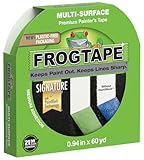
I remember staring at a spaghetti monster of cables behind my desk. Power cords, HDMI, USB – a tangled mess that looked like it had a life of its own. I’d heard whispers, seen folks on forums asking, ‘can you use painters tape for cables?’ My initial thought was a resounding ‘probably not,’ picturing it peeling off in a week or, worse, leaving a sticky residue that would attract every dust bunny in the house. But desperation, as it often does, breeds experimentation. I was tired of tripping, tired of the visual chaos. So, I grabbed a roll of that familiar blue stuff, ready to see if it was a cheap fix or just another money-wasting idea.
It’s the kind of question that seems too simple, too… low-tech, for the digital age we live in. We’ve got fancy cable management sleeves, clips, and ties that cost a fortune. Yet, sometimes, the old-school approach is staring you right in the face. This isn’t about some fancy ergonomic setup; it’s about getting your wires under control without breaking the bank or spending hours fiddling with complicated solutions. Let’s get down to brass tacks on whether painters tape is actually up to the job.
Why Painters Tape Might Seem Like a Good Idea (and When It Actually Is)
Look, let’s be real. The primary appeal of painters tape for cable management is its sheer availability and low cost.
You probably have a roll in your garage or a drawer somewhere right now. It’s designed to stick to surfaces without causing damage, which is a huge plus when you’re dealing with delicate electronics or finished furniture. That’s the theory, anyway.
The blue variety, in particular, is generally less aggressive than the green or yellow stuff, which is supposed to translate to easier removal and less residue. I’ve used it for countless DIY projects, from masking off trim to holding small parts together while glue dries, and it usually comes off cleanly.
So, when faced with a few cables that just need to stay put for a little while, my brain naturally went to the blue roll.
The reality is, for temporary solutions, painters tape can absolutely do the job. Need to route a cable temporarily for a presentation this afternoon? Going to be moving a desk around soon and don’t want the audio cables to snake across the floor? Painters tape is your friend here.
It’s great for bundling a few cables together for a short period or for securing a wire along the underside of a desk or behind a piece of furniture where it won’t be seen or constantly handled. I once had to set up a temporary network for a client event, and we had about a dozen Ethernet cables running from a switch to various workstations.
We weren’t allowed to drill holes or use permanent fixtures, and we only had the event for two days. Grabbed a few rolls of standard blue painters tape, and it held those cables neatly along the baseboards without any issues. When it was time to pack up, they peeled off without a single complaint from the venue manager.
No sticky residue, no damaged paint. It was a surprisingly clean exit.
The key here is ‘temporary’ and ‘low-traffic’. If your cables are going to be constantly nudged, pulled, or exposed to a lot of friction, painters tape will likely fail. It’s not designed for the kind of tensile strength or long-term adhesion that dedicated cable management solutions offer. Think of it like using a band-aid for a deep cut – it might hold for a bit, but it’s not the permanent, solid solution you need for a serious problem. But for those quick fixes, those ‘I need this tidied up now‘ moments, it’s often more than sufficient. The question of ‘can you use painters tape for cables’ really hinges on your definition of ‘use’ and for how long.
One of the biggest advantages, beyond cost, is its conformability. Unlike stiffer tapes, painters tape is flexible and can easily wrap around the curves of cables. This makes it easier to create neat bundles or to secure them along irregular surfaces. It’s also breathable to some extent, which can be a minor benefit in preventing moisture buildup, though that’s rarely a concern for indoor cable management. When people ask about using it, they’re usually looking for an easy, accessible way to combat cable clutter. And for many situations, painters tape fits that bill perfectly, provided you understand its limitations. It’s not a high-performance adhesive, but it’s a perfectly functional one for lighter duties.
The Downside: Where Painters Tape Falls Short
Okay, let’s talk about where this whole painters tape idea can go sideways, because believe me, I’ve been there. The biggest culprit is heat. If your cables are running near something that generates even a modest amount of warmth – like a power brick, a router, or a computer tower that runs hot – that adhesive can get soft.
When the adhesive gets soft, it loses its grip. What happens then? The tape starts to sag, peel, and can leave behind that dreaded sticky goo.
I once tried to tape down a power cable running along the back of my entertainment center. It worked fine for about three days.
Then, the heat from the amplifier nearby softened the tape, and the cable started to droop. Worse, when I tried to peel it off, it smeared into a sticky mess that took serious Goo Gone to get rid of. (See Also: Does Painters Tape Rip Paint Off Walls )
My perfectly taped bundle turned into a sticky, hairy cable snake. Lesson learned: avoid heat sources like the plague.
Another major issue is humidity and moisture. While not as common indoors for cables, if your setup is anywhere remotely damp, or if you accidentally spill something (we’ve all done it), painters tape is going to lose its adhesion pretty quickly. It’s not waterproof by any stretch of the imagination. Compare that to a proper cable tie or a solid Velcro strap, which will stay put regardless of a little ambient moisture. This makes painters tape a risky choice for anything in a kitchen, bathroom, or basement environment where humidity can be a factor. The paper backing also means it can degrade over time if it gets wet, becoming weak and brittle.
Then there’s the residue factor. While good quality blue painters tape is supposed to come off clean, ‘supposed to’ is the operative phrase.
Over time, especially on certain surfaces like unfinished wood or very porous painted walls, the adhesive can break down and leave behind a faint sticky film. This film is a magnet for dust, pet hair, and general grime. Cleaning it off can be a real pain, often requiring special cleaners, which defeats the purpose of a ‘quick and easy’ solution. I’ve had clients specifically ask me to remove it because it was looking unsightly, and the cleanup took longer than applying it in the first place.
It’s not always a guarantee of a clean release, especially on textured surfaces or if the tape has been on for an extended period (think months).
Finally, consider the physical stress. Cables sometimes need to be pulled, flexed, or moved. Painters tape, being paper-based and relatively weak, isn’t designed for this kind of repeated stress. It can tear, stretch, or simply detach. If you have cables that need to be plugged and unplugged frequently, or if they run across a doorway or a high-traffic area, painters tape is a recipe for disaster. You’ll be reapplying it constantly, or worse, you’ll end up with a cable that’s pulled loose and potentially damaged. This is where dedicated cable management products truly shine; they’re built to withstand that kind of wear and tear.
A Quick Comparison Table
To help visualize the pros and cons, here’s a breakdown:
| Feature | Painters Tape | Dedicated Cable Management (e.g., Velcro Straps, Zip Ties) |
|---|---|---|
| Cost | Very Low | Low to Moderate |
| Ease of Use (Initial) | Very Easy | Easy to Moderate (depends on product) |
| Adhesion Strength (Temporary) | Moderate | High |
| Adhesion Strength (Long-Term) | Poor | Very Good to Excellent |
| Heat Resistance | Poor | Good to Excellent |
| Moisture Resistance | Poor | Good to Excellent |
| Residue Potential | Moderate (can leave sticky residue) | Low to None |
| Durability (Physical Stress) | Poor | Good to Excellent |
| Verdict for Temporary, Low-Stress Use | Good Enough | Overkill, but works |
| Verdict for Permanent, High-Stress Use | Avoid | Recommended |
When Can You Use Painters Tape for Cables? The ‘yes, If…’ Scenarios
So, if painters tape isn’t a miracle cure for all your cable woes, when does it actually make sense? The biggest factor is time. If you need a cable tidied up for a few hours, a day, or perhaps a weekend, painters tape is a perfectly viable tool. Think about setting up for a temporary event, like a trade show booth or a short-term office setup.
You need things to look presentable and to keep cables out of the way, but you don’t want to invest in permanent solutions or spend hours meticulously applying ties and clips. In these situations, a few quick wraps of painters tape can bundle cables neatly along walls, desks, or floors, making the space look much cleaner for the duration.
Another key scenario is when you need to route cables in a way that avoids damage during a specific, short-term project. For example, if you’re painting a room and need to keep your laptop power cord from getting splattered, taping it along the baseboard temporarily is a smart move. You’re not relying on the tape for long-term management; you’re using it as a protective measure for a limited time.
As soon as the paint is dry, you peel the tape off. It’s about protection and organization for a specific, limited window. I’ve done this when rearranging furniture for a party; taping down the speaker wires that crossed a walkway just for the evening. Nobody tripped, and it looked tidy enough for the occasion.
The morning after, the tape came right off.
It’s also surprisingly useful for organizing cables that are rarely moved. Behind a TV or a computer monitor, for instance, where the cables are plugged in and then left alone for months on end. You can use painters tape to group a few HDMI cables together, or to secure a power strip cord to the back of the stand.
The key here is that they aren’t subject to much physical manipulation. If you’re not constantly plugging and unplugging, or if the cables aren’t in a position to be kicked or pulled, painters tape can hold them in place quite adequately.
It’s about managing static cable runs where the primary goal is to prevent them from falling or looking like a disorganized mess from a distance. For instance, securing the power cord of a desk lamp to the leg of the desk so it doesn’t hang down in the open. (See Also: Does Masking Tape Work The Same As Painters Tape )
Consider the surface, too. Painters tape adheres best to smooth, clean, non-porous surfaces. So, if you’re taping cables to a finished wooden desk, a painted wall (assuming the paint is well-adhered itself), or a plastic casing, it’s likely to work better than on rough, textured, or dusty surfaces. You’re basically creating a temporary, low-stress bond. It’s not going to hold up to a determined tug, nor will it survive prolonged exposure to heat or moisture. But for those quick, low-impact organizational tasks, it can be an incredibly accessible and affordable solution. It’s the ‘good enough for now’ answer that often saves the day.
How to Use Painters Tape for Cables Without Messing It Up
If you’ve decided that, yes, you can use painters tape for cables in your specific situation, there are a few tricks to make sure you don’t end up with a sticky disaster. First and foremost, clean the surface. Whatever you’re taping the cable to – the back of a desk, a wall, a piece of furniture – make sure it’s free of dust, grease, and any other grime. A quick wipe with a damp cloth, followed by drying, can make a world of difference in adhesion. Don’t just slap it on a dirty surface and expect it to hold.
When bundling cables, don’t wrap the tape too tightly. You want to secure them, not constrict them. Overly tight wrapping can put stress on the cables themselves, and it makes the tape more prone to tearing or peeling. Instead, use gentle, overlapping wraps. For longer runs, consider using several shorter pieces of tape rather than one long, continuous strip. This allows the tape to conform better to the surface and the cables, and it’s less likely to sag or peel in the middle. Think of it like using multiple small anchors instead of one big, flimsy one. This also makes removal easier down the line.
Always apply the tape to a cool surface. As I mentioned before, heat is the enemy of painters tape’s adhesive. If the surface is warm, let it cool down completely before applying the tape. This is especially important if you’re taping cables near electronics that generate heat. Position the taped cables so they’re not in direct contact with the heat source. Even a few inches of separation can make a difference. If the cable itself runs hot, you might want to consider a different approach altogether. I’ve learned to give cables that run warm their own space, away from any tape that needs to maintain its stickiness.
When it’s time to remove the tape, do it slowly and carefully. If possible, try to peel it back on itself at a low angle, rather than pulling it straight up. Gently warming the tape with a hairdryer on a low setting can sometimes help loosen the adhesive, making removal cleaner. However, be cautious with heat, especially if the cables or the surface are heat-sensitive. The goal is to avoid stretching or tearing the tape, which is what usually leads to residue. And if you do notice a bit of stickiness left behind, a dab of Goo Gone or isopropyl alcohol on a cloth usually does the trick, but test it on an inconspicuous area first.
My Personal Story: The Great Cable Disaster of ’19
Back in 2019, I was building out a home studio. Soundproofing, new monitors, a fancy audio interface – the whole nine yards. The cable management was, shall we say, an afterthought. I had a mess of XLR cables, instrument cables, power cords for amps, and USB connections snaking everywhere.
My initial ‘solution’ involved a lot of standard blue painters tape. I figured, hey, it’s cheap, it’s easy, and it’ll keep things tidy while I get everything else set up.
I spent an entire afternoon taping cables to the underside of my desk and along the baseboards. It looked… well, it looked like I had taped my cables to the wall.
But it was organized. For about a week. Then, the real problems started to surface. Literally.
My computer and a couple of audio interfaces generated a surprising amount of heat. The painters tape, in direct contact with the warm plastic casings and the wood of the desk, began to soften. The adhesive started to ooze. Cables that were once neatly bundled started to droop, looking sad and defeated.
Worse, the sticky residue started attracting every speck of dust and stray hair in my studio. It was a miniature, self-created dust bunny farm. I had one XLR cable that had sagged so much it was actually creating a tripping hazard, which completely defeated the purpose. I remember one morning, reaching for my coffee mug, and my hand brushed against a particularly gooey section of tape, leaving a sticky smear on my fingers.
That was the final straw.
I spent the better part of an afternoon cleaning it all off. Goo Gone, isopropyl alcohol, paper towels – you name it.
It was a sticky, frustrating mess that took far longer to clean up than it did to apply. I ended up ditching the painters tape entirely and switching to heavy-duty Velcro cable ties and some plastic raceways. The initial cost was higher, maybe $50 or so for a good assortment, but the peace of mind and the clean look were worth every penny.
That experience taught me a valuable, albeit sticky, lesson: painters tape is for painting, not for permanent cable management. It’s a temporary fix at best, and often a problematic one if not used with extreme caution and understanding of its limitations. I learned that ‘cheap’ can sometimes be the most expensive option when you factor in the time and frustration of fixing your own mistakes. (See Also: Does Painters Tape Peel Paint )
When to Just Buy the Right Tool for the Job
There comes a point where the temptation to cut corners with painters tape just isn’t worth the hassle. If your cables are in a high-traffic area where they’re likely to be kicked, tripped over, or pulled, painters tape is going to fail you. Think about the cables running across your living room floor, or the ones behind your TV that the dog occasionally decides to investigate.
In these situations, you need something with real staying power. A good set of Velcro cable ties, for example, can be reused, are gentle on cables, and provide a secure hold.
They cost a few bucks per pack, but they last, and they won’t leave residue. I’ve found a few rolls of good quality Velcro straps have been more than enough to tackle most of my cable messes over the years, and they cost maybe $20-$30 for a decent variety pack.
Similarly, if you’re looking for a long-term, permanent solution, painters tape is a non-starter. Permanent cable management often involves routing cables neatly along walls or furniture, and this requires adhesives or fasteners that are designed to stick for months or even years without degrading or leaving marks.
Products like cable raceways, which are plastic channels that stick to walls and hide the cables inside, or even simple cable clips that use stronger adhesive backing, are far more appropriate. These might cost a bit more upfront – a decent raceway kit can run $30-$50 – but they provide a clean, professional look and are built to last. Trying to make painters tape do this job is like trying to build a house with paper. It just won’t hold.
Consider the environment. If your cables are near heat sources, as we’ve discussed, painters tape will fail. Electronics often generate heat, and if your cables are running close to power bricks, routers, or the back of a hot-running computer, you need an adhesive that can withstand lifted temperatures. Dedicated cable management solutions often use stronger, more heat-resistant adhesives or mechanical fasteners that are unaffected by warmth. Likewise, if there’s any chance of moisture or humidity, painters tape will disintegrate. Think about cables in a kitchen or a workshop; you need something far more resilient than paper tape. A simple packet of 100 small zip ties might cost as little as $5-$10 and offers a more solid hold than tape.
Ultimately, it boils down to assessing the job. If you need something that will hold for a few hours or a day for a temporary setup, and it’s in a low-stress, low-traffic area, painters tape can be a cheap and cheerful option. But for anything more permanent, anything that needs to withstand heat, moisture, or physical stress, or anything where a sticky residue would be a nightmare, just buy the right tool. A pack of reusable Velcro ties, a set of adhesive cable clips, or even a simple spool of zip ties will cost you a fraction of the potential headaches and cleanup time associated with failed painters tape. Don’t make the mistake I did; invest a little bit upfront to save yourself a lot of trouble later.
Frequently Asked Questions About Painters Tape for Cables
Will Painters Tape Damage My Cables?
Generally, no. High-quality painters tape is designed to be gentle on surfaces and shouldn’t damage the insulation of most cables. However, if you wrap it too tightly, or if the tape leaves a sticky residue that attracts abrasive dust, that could potentially cause minor wear over time. The main risk isn’t direct chemical damage, but rather the consequences of the tape failing or leaving a mess.
How Long Will Painters Tape Hold Cables?
This varies wildly. For temporary, low-stress, cool environments, it might hold for a few days to a week. In warmer, more humid, or higher-traffic areas, it could fail within hours. It’s not designed for long-term adhesion and should not be relied upon for more than a few days at most for any important cable management.
What Kind of Painters Tape Is Best for Cables?
The standard blue, medium-adhesion painters tape is generally the best bet. It’s formulated to be removed cleanly from most surfaces. Avoid the green or yellow high-adhesion versions, as they are much more likely to leave residue. Even with blue tape, always test on an inconspicuous area first if you’re concerned about the surface it will adhere to.
Can Painters Tape Be Used on Electronics or Power Strips?
Yes, you can use painters tape on the casings of electronics or power strips, but with extreme caution regarding heat. Many electronics generate heat, which will soften the tape’s adhesive and cause it to fail, potentially leaving residue. It’s best to avoid taping directly onto warm surfaces or components. Stick to cool, non-conductive plastic or metal casings and make sure there’s no direct heat source involved.
Conclusion
So, to answer the burning question: can you use painters tape for cables? The short answer is a qualified ‘yes, but you need to know its limits.’ It’s a budget-friendly, readily available option for very temporary, low-stress situations. Think of it as a short-term band-aid for cable clutter, not a permanent fix.
If you’re organizing for a one-day event, need to keep a cable out of the way while you paint, or just want to bundle a few cords behind a seldom-moved piece of furniture for a week, painters tape can do the job. Just be prepared for the possibility of residue, heat-related failure, or loss of adhesion. My own disastrous attempt at a home studio cleanup was a stark reminder that cheap fixes often come with hidden costs in time and frustration.
For anything more demanding – long-term solutions, high-traffic areas, or environments with heat and humidity – do yourself a favor and invest in proper cable management tools. A few dollars spent on Velcro ties or cable clips now will save you a sticky, messy headache down the road. It’s about choosing the right tool for the job, and sometimes, that tool isn’t the one already in your junk drawer.