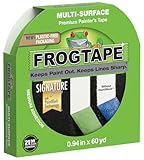
I remember staring at my freshly painted hood, a beautiful shade of midnight blue, and then looking at the delicate pinstripe I was about to add. My buddy handed me a roll of that blue stuff – painters tape, he called it. My gut screamed, “No way, man! That’s for walls!” But he insisted. Turns out, that little roll of blue tape was the start of a long, expensive lesson in what actually works and what’s just… well, tape.
So, can you use painters tape on a car? The short answer is yes, sometimes, but it’s a minefield of potential disaster if you don’t know what you’re doing. It’s not as simple as slapping it on and expecting perfection. Far from it, actually.
The Devil Is in the Adhesives: Why Blue Tape Is Risky
Look, I get it. You’re staring at your car, you need to mask off a section for a quick touch-up or maybe just protect a panel while you’re working on another. The hardware store is right there, and that familiar blue roll is cheap and easy to grab. But here’s the deal: standard painters tape, the kind designed for your living room walls, is a gamble on your car’s finish.
The adhesive is formulated for drywall, which is pretty forgiving. Car paint? Not so much.
That adhesive can be surprisingly aggressive, and over time, especially in sunlight or heat, it can bond with your clear coat like a long-lost relative. Pulling it off can leave behind residue, or worse, lift the paint itself. I learned this the hard way after trying to mask off a small area to fix a rock chip on my old Honda. I used cheap blue tape, left it on for about three days while I waited for the touch-up paint to dry, and when I pulled it off, a faint outline of the tape remained.
It wasn’t bad enough to repaint, but it was a constant, visible reminder of my cheapness. That’s not even mentioning the times I’ve seen guys try to use it for full panel masking and end up with razor-thin paint lines or adhesive residue that took hours to buff out. It’s a false economy, plain and simple. You save a few bucks upfront, but you could end up spending a lot more in time and materials to fix the mess.
The problem isn’t just the stickiness; it’s also the tape’s ability to conform. Most standard painters tapes are a bit stiff. When you’re trying to create a clean line around a fender or a complex body curve, you need something that can flex and hug those contours. If the tape isn’t sealed down perfectly, paint can bleed underneath, creating fuzzy, unprofessional edges.
This is especially true if you’re spraying anything more than a rattle can. Professional auto body shops use specialized masking tapes for a reason. They’re designed to stick securely without damaging paint, conform to curves, and create razor-sharp paint lines. They also come in different widths and strengths for different jobs.
Using the wrong tape is like trying to build a house with a butter knife – you might eventually get it done, but it’s going to be a painful, inefficient process.
The key takeaway here is that automotive paint is a delicate, multi-layered system. The clear coat is what gives it that shine and protects the base coat. Aggressive adhesives or tape that doesn’t seal properly can compromise that. It’s not just about aesthetics; it’s about protecting the investment you’ve made in your vehicle. I’ve seen people try to get away with using regular painters tape for everything from detailing trim to masking off windows for spray-on tint. It might seem to work in the short term, but over time, the risks far outweigh the perceived benefits. Stick to purpose-built products when you can.
When ‘painters Tape’ Actually Means Auto-Specific Masking
Now, before you swear off all tape with the word “painter” in its name, let’s clear something up. Not all tape marketed for painting is the same. The confusion often arises because there are tapes designed for automotive painting that might look like your standard blue or green painters tape.
These are typically labeled as “automotive masking tape” or “automotive masking film.” These aren’t your generic household items. They are specifically engineered for car paint. They use a low-tack, residue-free adhesive that’s been tested extensively on automotive finishes.
They’re also made from materials that resist paint bleed-through and solvents used in automotive paints. Think of it like this: your standard household tape is for drywall, while automotive masking tape is for your car’s delicate clear coat. They might share a color, but their formulation and intended use are miles apart.
The biggest difference lies in the adhesive. Automotive masking tapes use a specially formulated rubber-based or acrylic-based adhesive. These adhesives are designed to stick firmly enough to create a seal against paint overspray but are also formulated to be removed cleanly without damaging the underlying paint. (See Also: Does Painters Tape Rip Paint Off Walls )
They often incorporate special resins or treatments to prevent the adhesive from becoming too aggressive over time or under heat. When I’m doing any kind of masking on a vehicle, even for a small touch-up, I always reach for dedicated automotive masking tape. I learned this lesson after a particularly frustrating experience trying to mask off a section of my truck bed liner for a spray-in treatment.
I used what I thought was good quality blue painters tape, and while it didn’t damage the paint, it left a gummy residue that was a nightmare to remove. It took me nearly two hours with a specialized adhesive remover and a lot of elbow grease. Since then, I’ve switched to a specific 3M automotive masking tape, and it makes a world of difference.
It conforms beautifully, seals tight, and peels off cleanly every time, no matter how long it’s been on.
Another factor is the backing material. Automotive tapes are often made from crepe paper or plastic films that are engineered to be resistant to solvents and moisture found in automotive paints. This prevents the tape from tearing or becoming saturated, which can lead to paint bleeding. They also come in a variety of widths, from thin pinstripe tape to wider rolls for masking large areas.
Some even come in specialized forms like masking film, which is a translucent plastic sheet that drapes over the vehicle and sticks with an electrostatic charge, offering excellent protection for larger areas. When you see tape used in professional auto body shops, it’s almost always one of these specialized products, not the stuff you’d use to paint your bedroom trim. It’s worth the extra few dollars, trust me.
The peace of mind alone is worth it. Plus, you avoid the dreaded paint bleed or adhesive residue nightmares.
The ‘razor Edge’ Test: What to Look for in Automotive Tape
So, if you’re going to mask your car, what exactly should you be looking for? It’s not just about grabbing the cheapest roll. The goal is a clean, sharp paint line, every single time, without damaging your existing finish. This means you need tape that can handle the demands of automotive paints, which often involve solvents and can be sensitive to heat. The first thing I check is the label. I’m looking for terms like “automotive masking tape,” “low-tack,” “residue-free,” or specifically mentioning compatibility with car paint or clear coats. Brands like 3M, Norton, and 303 are generally reliable for this. They’ve spent a lot of time and money developing products that won’t ruin your paint job.
Beyond the label, consider the tape’s flexibility and adhesion. You need a tape that can conform to the curves of your car. A stiff tape will leave gaps, and paint will inevitably seep under it. Look for tape that has a bit of stretch and can be applied smoothly around fenders, door handles, and trim.
The adhesive should be tacky enough to hold securely but not so aggressive that it pulls paint off when you remove it. I’ve found that tapes with a slightly rubbery feel to the adhesive tend to offer a good balance.
They have a good initial grab but are easier to reposition if needed and remove cleanly. A common mistake is assuming all blue tape is the same. It’s not. Some blue tapes are indeed formulated for automotive use, while others are strictly for household painting.
Always read the product description.
When it comes to creating that razor-sharp edge, the tape’s backing material plays a role too. It needs to be somewhat resistant to solvents in the paint. If the tape gets too saturated, it can weaken and allow paint to bleed. For spray applications, especially with more aggressive paints or clear coats, you might even consider automotive masking film.
This is a plastic sheeting that has a low-tack adhesive strip along one edge. It drapes over the vehicle and can be very effective at protecting large areas while still allowing for precise masking lines. It’s overkill for a tiny rock chip fix, but for anything more involved, it’s a lifesaver. I’ve seen folks try to use standard plastic sheeting and regular tape, and the results are always messy. (See Also: Does Masking Tape Work The Same As Painters Tape )
The plastic shifts, the tape leaks, and you end up with overspray everywhere. The specialized stuff is designed to work together.
Here’s a quick rundown of what to look for and what to avoid:
| Feature | What to Look For | What to Avoid | My Verdict |
|---|---|---|---|
| Adhesive | Low-tack, residue-free, rubber-based or acrylic for automotive use. | Aggressive, generic adhesives; anything that feels overly sticky or leaves residue on your fingers. | Important. This is where most problems start. Don’t skimp. |
| Flexibility | Conforms to curves, stretchy, hugs body lines. | Stiff, brittle, tears easily when bent around contours. | Key for clean lines. Frustrating to work with otherwise. |
| Backing Material | Solvent-resistant crepe paper or specialized film. | Standard paper that gets saturated easily, thin plastic that tears. | Important for preventing bleed-through, especially with spray paint. |
| Labeling | “Automotive Masking Tape,” “Low-Tack Auto Tape,” specific brand names known for auto products. | “General Purpose Painters Tape,” “Interior Use Only,” no specific auto application mention. | Your first line of defense against buying the wrong product. |
Common Mistakes and How to Dodge Them
You’d think masking a car would be straightforward, right? Slap tape on, paint, peel tape off.
But I’ve seen enough botched jobs, including my own early attempts, to know it’s a process ripe for mistakes. The most common one, as we’ve hammered home, is using the wrong type of tape. That generic blue or green tape you use for your house walls? It’s just not designed for the chemicals and stresses involved in automotive painting.
It can leave residue, lift paint, or worse. I learned this the hard way years ago when trying to mask off a section of a classic car for a small clear coat repair. I used what I thought was good quality painters tape, but it was too aggressive. When I pulled it off, it took a thin layer of the surrounding clear coat with it.
Re-spraying that panel to fix the masked line was a much bigger job than the original repair.
Another massive blunder is improper application. Even with the right tape, if you don’t apply it correctly, you’re asking for trouble. You need to make sure the tape is pressed down firmly along its entire edge. Any gaps, no matter how small, are an invitation for paint to sneak underneath, creating feathered or fuzzy lines instead of the crisp edges you want. When I’m masking a car, I use my fingernail or a soft plastic squeegee (like one used for window tinting) to really burnish down the edge of the tape. This creates a solid seal. Don’t be shy about this step; it’s vital.
Timing is another killer. Many DIYers leave the tape on for too long. While automotive masking tapes are designed for clean removal, there’s still a limit.
If you leave the tape on for days, especially if it’s exposed to sunlight or heat, the adhesive can cure and become much harder to remove cleanly. In some cases, it can even start to bond to the paint. The best practice is to remove the tape while the new paint is still slightly soft, but not wet. This allows the edges to pull away cleanly without tearing the new paint.
If you’re unsure, it’s better to remove it a little too soon than a little too late. I’ve found that a gentle tug at about a 45-degree angle works best for removal.
Pulling straight up or at a sharp angle can increase the risk of lifting.
Finally, don’t forget to clean the surface before applying any tape. Dust, dirt, grease, or wax on the paint can interfere with the tape’s adhesion, leading to leaks or the tape falling off entirely. A quick wipe-down with a proper car wash soap and water, followed by a degreaser or isopropyl alcohol for the immediate area, is usually sufficient. I always do a final wipe with a tack cloth just before applying the tape to pick up any microscopic dust particles. This simple step can make a huge difference in the final result. It’s all about preparation and attention to detail. The more meticulous you are with these steps, the less likely you are to encounter problems down the line.
People Also Ask:
Can You Use Painters Tape on a Freshly Painted Car?
Generally, no, you should avoid using standard painters tape on a freshly painted car. Automotive paint, especially new finishes, is still curing and can be very delicate. Standard painters tape adhesives can be too aggressive and may lift or damage the new paint. Even automotive-grade masking tapes should be used with caution on very fresh paint, and it’s always best to wait until the paint has fully cured according to the manufacturer’s recommendations. If you absolutely must mask, use the lowest tack automotive-specific tape and test in an inconspicuous area first. (See Also: Does Painters Tape Peel Paint )
What Kind of Tape Is Safe for Car Paint?
The safest tapes for car paint are specifically labeled as “automotive masking tape” or “automotive masking film.” These tapes use low-tack, residue-free adhesives designed not to damage or leave marks on automotive finishes. Brands like 3M, Norton, and Tesa offer automotive-specific products. Standard household painters tape is generally NOT safe for car paint, as its adhesive can be too aggressive. Always look for products explicitly stating they are safe for automotive finishes.
How Do I Remove Tape Residue From Car Paint?
To remove tape residue from car paint, start with a dedicated automotive adhesive remover. These products are formulated to break down the sticky residue without harming your car’s paint. Apply the remover to a microfiber cloth and gently rub the residue. For stubborn spots, let the remover soak for a few minutes before gently wiping. Isopropyl alcohol can also be effective for lighter residue. After removing the residue, always wash and wax the area to protect the paint. Avoid using harsh solvents or abrasive materials, as these can damage the clear coat.
The Real-World Use Cases: When It’s Okay (and When It’s Not)
So, when is it actually okay to use any kind of tape on your car? It boils down to the specific task and the type of tape you choose. For minor touch-ups where you’re just dabbing a tiny bit of paint onto a chip, and you need to mask off a millimeter-wide border, a very low-tack, high-quality automotive masking tape is your best bet. This is the kind of tape that feels almost waxy to the touch and is designed for precision. I’ve used it to create super-fine lines around a door ding before filling and painting, and it worked perfectly, leaving a crisp edge without any damage.
If you’re doing a larger paint job, like painting a whole panel or an entire vehicle, you absolutely must use specialized automotive masking tape or masking film. Standard painters tape is a recipe for disaster here. The quantity of paint, the solvents involved, and the potential for overspray mean you need tape that can handle it all and seal perfectly. Think about the edges of trim, the rubber seals around windows, or areas you absolutely don’t want any paint overspray on.
For these, a good quality automotive masking tape, applied with care and burnished down, is a must. I’ve seen guys try to use regular masking tape for whole-car jobs, and the results are always amateurish. Fuzzy lines, paint bleeds, and residue are practically guaranteed.
It’s just not worth the risk.
Where you really need to be careful is with older vehicles or those with questionable paint jobs. The clear coat on an older car might be brittle or already compromised. In these situations, even specialized automotive tape needs to be used with extreme caution. Always test in an inconspicuous area first. I’d even go as far as to say that if the paint is already flaking or significantly oxidized, you might want to reconsider using tape altogether for anything other than a very temporary, low-adhesion application. Sometimes, the best approach is to do the repair without masking, feathering the edges meticulously, or to use liquid masking solutions that can be applied and then peeled off as a film.
Here’s a simple breakdown:
- Minor touch-ups on solid paint: Low-tack, residue-free automotive masking tape.
- Masking trim, rubber seals, or windows for paint: Specialized automotive masking tape or film.
- Full panel or vehicle repainting: High-quality automotive masking tape and/or masking film.
- Working on very old, brittle, or compromised paint: Extreme caution, test first, or consider alternatives to tape.
- Standard household painters tape (blue, green, etc.): Generally, avoid on any painted surface of your car.
The overarching theme is that if the tape isn’t specifically designed for automotive use and tested on car paint, you’re taking a significant risk. The small cost savings are almost never worth the potential for expensive paint damage. It’s one of those areas where using the right tool for the job isn’t just about efficiency, it’s about protecting your vehicle’s finish. I’ve learned that lesson multiple times, and I’m still occasionally reminded of it when I see someone else making the same mistake. It’s a shame to see a nice car get marred by a cheap roll of tape.
Conclusion
So, can you use painters tape on a car? The definitive answer is: if you mean standard, household painters tape, then no, you really shouldn’t. It’s a gamble with your car’s paint that you’re likely to lose. The adhesive is too aggressive, and the tape isn’t designed for the delicate finish of automotive paint. It’s not worth the potential for residue, paint lifting, or fuzzy lines.
However, if you’re talking about automotive-specific masking tape – the low-tack, residue-free stuff made by reputable brands for car paint applications – then yes, that’s what you should use. It’s designed to conform, protect, and remove cleanly without causing damage. It’s a small price to pay for peace of mind and a professional-looking result.
My advice? Stick to the purpose-built automotive masking tapes. They cost a little more, but they save you a whole lot of headaches, potential repair bills, and the sinking feeling of seeing your car’s paint get damaged by something as simple as tape. Next time you need to mask something on your car, take the extra minute to find the right automotive-grade tape. Your paint will thank you for it.