I remember staring at a freshly painted accent wall in my living room, a gorgeous deep navy. My brilliant idea? To add some crisp white stripes. I grabbed the roll of blue tape I’d always used, slapped it on, painted my stripes, and pulled. What followed was a horror show of chipped paint, ragged lines, and a sinking feeling in my gut. So, can you use painters tape on newly painted walls? The short, painful answer is: it depends. And if you don’t know what you’re doing, you’re probably going to regret it.
Most people think all painters tape is created equal. Spoiler alert: it’s not. And slapping any old tape on a wall that’s barely dry is a recipe for disaster. I’ve been there, done that, and bought the replacement gallon of paint.
When Fresh Paint Is Not Your Friend for Tape
Look, the dream is simple: paint your wall, let it dry for a bit, slap on some tape for those clean lines, paint the contrasting color, and peel it all off for a perfect finish. That’s the fantasy. The reality, especially when you’re asking ‘can you use painters tape on newly painted walls’ too soon, is often a messy breakdown. The paint needs time to cure, not just dry. Drying is when the water or solvent evaporates, leaving the pigment and binder. Curing is the chemical process where those binders fully harden and bond to the surface. This can take days, or even weeks, depending on the paint type, humidity, and temperature.
I learned this the hard way. After painting my daughter’s room a vibrant teal, I decided the next day was the perfect time to add a simple white border. I used a generic blue tape, pulled it tight, and went to town. When I peeled it off a few hours later, it looked like a moth had eaten through the paint.
Little bits of teal were stuck to the tape, leaving jagged, white-edged scars. It was awful. I ended up having to do a full repaint of that wall, which felt like a punishment for my impatience.
The paint was dry to the touch, sure, but it was nowhere near cured. That first experience cost me about $80 in extra paint and a whole Saturday I’ll never get back.
It’s not just about the paint itself; it’s about how it adheres. If the paint isn’t fully bonded to the primer and the wall, any pressure or adhesion from tape will pull it right off.
Even if you wait a reasonable amount of time, using the wrong type of tape is like bringing a butter knife to a sword fight. You need tape designed for the job, and even then, there are nuances. Cheap, generic tapes are often too sticky or their adhesive breaks down too easily, leaving residue or, worse, taking paint with it.
It’s a common mistake, fueled by the misconception that all blue tape is the same. It’s not. Some are designed for delicate surfaces, some for heavy-duty use. Picking the wrong one is like wearing flip-flops to climb Mount Everest – you’re setting yourself up for failure.
The Science of Stickiness: How Tape Works (and Fails)
So, let’s talk about what makes tape stick and why it becomes a problem on fresh paint. Painters tape is basically paper with an acrylic adhesive. The key here is the acrylic adhesive. It’s designed to stick well enough to create a seal but also to be removed cleanly. But here’s the rub: the longer it stays on, or the stickier it is, the more it can bond with whatever it’s stuck to. When that ‘whatever’ is a layer of paint that’s still in its ‘bonding’ phase (curing), you’re asking for trouble. (See Also: Does Painters Tape Rip Paint Off Walls )
The adhesive on painters tape is formulated to be repositionable or removable. Different brands have different levels of tackiness. Some are designed for delicate surfaces like wallpaper or freshly painted walls that have been allowed to cure for a specific, short period (like 24 hours). Others are for general use and can handle longer dwell times on more solid surfaces. You’ll see labels like ‘delicate surface’, ‘multi-surface’, or ‘heavy duty’. For asking ‘can you use painters tape on newly painted walls’, you’re looking at the ‘delicate surface’ or specific ‘low tack’ formulations.
The problem is that even ‘low tack’ can be too much if the paint underneath is still soft or hasn’t bonded properly. Think of it like this: imagine trying to peel a sticker off a piece of paper that’s still damp. The paper will likely tear. Paint, when it’s curing, is a bit like that damp paper. It’s still flexible and its bond isn’t as strong as it will be when fully cured.
I once bought a roll of what I thought was good quality tape, but it was a ‘multi-surface’ one that I hadn’t paid close enough attention to. I used it on a semi-gloss finish that was only 48 hours old. The tape held fine during painting, but when I pulled it, it lifted the semi-gloss in long, ugly streaks. It was a $30 roll of tape and a $50 can of paint down the drain. The brand is now on my personal ‘never again’ list. It hammered home that ‘multi-surface’ doesn’t mean ‘freshly painted surface’ without proper curing time. The common advice to just ‘wait 24 hours’ often doesn’t cut it, especially with tougher paint finishes like semi-gloss or high-gloss.
Choosing the Right Tape: Not All Blue Is Created Equal
This is where most DIYers trip up. They grab the most common blue tape they see at the hardware store and assume it’ll work for every situation. Big mistake. There are generally three types of painters tape to consider, and their suitability for newly painted walls varies wildly.
First, there’s the standard blue tape. This is what most people picture. It’s usually mid-range in tackiness and is good for most general painting jobs where the wall has been painted and cured for at least a few days, ideally a week. If you’re asking ‘can you use painters tape on newly painted walls’ within the first week, this is probably NOT your first choice.
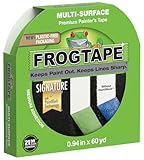
Second, and this is your best bet for sensitive situations, is the ‘delicate surface’ tape. These tapes have a much lower tack adhesive. They are specifically designed for surfaces that might be damaged by standard tape, like wallpaper, freshly painted walls (after a shorter curing period), or even certain types of wood finishes. They are usually a lighter color, often green or a very pale blue, and are clearly marked. I’ve found these to be a lifesaver for accent walls or when I’m doing intricate trim work next to a freshly painted section.
Third, there’s the ‘heavy-duty’ or ‘high-adhesion’ tape. This stuff is for framing, blocking light, or long-term masking where you need a really strong bond. You would NEVER use this on a freshly painted wall. It’s designed to stick like glue and will almost certainly pull paint off, even if it’s fully cured.
When I’m working with a new paint job, especially if it’s a latex-based paint (which is most common for interior walls), I always opt for a delicate surface tape. Even then, I’ll test it. My rule of thumb is that if the paint is less than 7 days old, I’m reaching for the green tape. If it’s a premium paint, or a high-sheen finish, I might wait longer or use even more care. For a DIYer, understanding these distinctions is key to avoiding the chipped-paint nightmare. A roll of delicate surface tape might cost a dollar or two more, but it’s a fraction of the cost of repainting a whole room.
Here’s a quick rundown of what I look for: (See Also: Does Masking Tape Work The Same As Painters Tape )
| Tape Type | Adhesive Level | Typical Use Case | Verdict on Newly Painted Walls (under 7 days) |
|---|---|---|---|
| Standard Blue | Medium | General painting, trim, walls cured 7+ days | Risky, generally no |
| Delicate Surface (Green/Pale Blue) | Low | Wallpaper, fresh paint (carefully), delicate surfaces | Best option, but still needs caution |
| Heavy-Duty / High-Adhesion | High | Outdoor use, long-term masking, rough surfaces | Absolutely not |
The Waiting Game: How Long Is Long Enough?
This is the million-dollar question, and the honest answer is: it depends on a lot of factors. The ’24-hour rule’ is a myth, a dangerous oversimplification that leads to so much paint damage. While some very specific paint-and-tape combinations might allow for 24-hour removal, it’s far from a universal truth.
Here’s what I consider:
- Paint Type: Latex (water-based) paints dry faster but cure slower than oil-based paints. However, most interior walls are painted with latex. High-sheen paints (semi-gloss, gloss) are generally more durable once cured, but they can also be trickier to tape because the surface is less porous.
- Environmental Conditions: Humidity and temperature play a huge role. In a cool, damp basement, paint will take significantly longer to cure than in a warm, dry attic. Low humidity and moderate temperatures are your friends for faster curing.
- Number of Coats: If you’ve applied multiple thin coats of paint, it’s generally better than one thick, uneven coat. The thicker the paint layer, the longer it takes to fully cure.
- The Tape Itself: As we’ve discussed, the adhesive on the tape is the important factor. Even with a long cure time, a super-sticky tape can still cause issues.
My personal rule of thumb, especially if I’m being cautious or dealing with a high-end paint job where I really don’t want to mess up, is to wait at least 72 hours. For really high-sheen finishes or if conditions are less than ideal (humid, cool), I’ll push that to a full week. I’ve even waited two weeks on a particularly tricky project. It feels like an eternity, but it’s better than the alternative.
A common piece of advice I actually agree with is to gently score the edge of the tape with a utility knife or a plastic putty knife before peeling. This can help create a cleaner break between the tape and the paint, reducing the chance of peeling. However, you need to be careful not to cut too deep and damage the underlying paint or drywall. I’ve used a plastic razor blade or a thin, flexible putty knife for this, just to break the adhesion seal right along the tape line.
Another trick I learned from a pro painter is to test the tape. Apply a small piece of your chosen tape to an inconspicuous area of the freshly painted wall and leave it for a few hours, then carefully peel it off. If it pulls any paint, you need to wait longer or switch to a lower-tack tape. It’s a bit of a hassle, but it’s a much better outcome than a botched paint job. This little test saved me from a potential disaster on a custom mural I was working on; the paint was only 48 hours old, and the tape I’d planned to use was already lifting tiny flecks.
Common Mistakes and How to Avoid Them
Let’s break down the most frequent errors people make when trying to use tape on walls that aren’t fully ready, and how you can sidestep them. The biggest one, hands down, is impatience. Everyone wants the finished product now, and they underestimate how long paint truly needs to cure. This leads to the classic chipped-paint nightmare.
Mistake number two is using the wrong tape. I’ve seen people use packing tape, duct tape (shudder), or standard masking tape (which is different from painters tape, despite the name) on walls. These adhesives are far too strong and sticky for most paint jobs. As mentioned, even standard blue painters tape can be too aggressive if the paint isn’t ready.
Mistake number three is applying the tape too aggressively. You might think you need to press it down firmly to create a good seal, but on a delicate surface, this can actually embed the adhesive too deeply into the still-soft paint. You want a good seal, yes, but not a vice-like grip. Gentle pressure is key. I use my fingers to run along the edge, applying just enough pressure to feel it adhere, but not so much that I’m pushing it into the paint layer.
Mistake number four is peeling the tape too quickly or at the wrong angle. Ripping it off in one go is a recipe for disaster. You want to peel slowly and at a 45-degree angle, pulling away from the freshly painted area. This helps to minimize the force pulling on the paint. If you pull straight up or too fast, you’re basically yanking the paint off. (See Also: Does Painters Tape Peel Paint )
Another common pitfall is painting over the tape line without letting the second coat dry sufficiently before removing the tape. Even if the base coat is cured, if you put a second coat over the tape and then try to remove the tape while that new layer is still wet, you’re still going to get bleeding and lifting. You need to let that second coat dry (again, not just to the touch, but reasonably set) before attempting removal.
Finally, and this is a subtle one, is not properly cleaning the surface before painting in the first place. If there’s dust, grease, or old paint flakes on the wall, the new paint won’t adhere properly, and the tape will have a weaker surface to stick to, increasing the risk of peeling.
Faq Section
Can Painters Tape Ruin Newly Painted Walls?
Yes, it absolutely can, if you use the wrong type of tape, apply it too soon before the paint has fully cured, or remove it improperly. The adhesive can pull off the fresh paint, leaving jagged lines or bare patches. It’s a common mistake that leads to a lot of frustration and extra work.
How Long Should I Wait to Put Tape on a Freshly Painted Wall?
The old ’24-hour rule’ is generally a myth. For most latex paints, you should ideally wait at least 72 hours, and up to a week for optimal results, especially with high-sheen finishes or in humid conditions. Always check the paint manufacturer’s recommendations and consider testing the tape in an inconspicuous area first.
What’s the Best Tape for Freshly Painted Walls?
The best tape is typically a ‘delicate surface’ painters tape, often green or pale blue, which has a low-tack adhesive. This type is designed to adhere securely enough to create a seal but is less likely to damage fragile surfaces or freshly cured paint. Standard blue painters tape is usually too aggressive for walls painted within the last few days.
Can I Use Painters Tape on Walls Painted Less Than 24 Hours Ago?
It’s highly risky and generally not recommended. Most paints are not fully cured within 24 hours, meaning their adhesion to the wall is still weak. Using any type of tape, even low-tack, can easily lift or chip the paint. Patience is key here; waiting longer significantly reduces the risk of damage.
Final Verdict
So, to circle back to the burning question: can you use painters tape on newly painted walls? The answer is a qualified ‘yes, but proceed with extreme caution.’ It’s not a simple yes or no. You need to be mindful of the paint’s curing time, the type of paint, the environmental conditions, and most importantly, the type of tape you’re using. My experience has taught me that investing in delicate surface tape and practicing patience are far cheaper than buying more paint and redoing entire rooms.
If you’re tempted to slap tape on a wall that’s only been painted for a day or two, I urge you to reconsider. Go grab a book, watch a movie, do anything else. Let that paint cure properly. A few extra days of waiting will save you hours of painstaking touch-up work and the soul-crushing disappointment of peeling off tape to find a mess underneath. It’s about respecting the paint and the process.
Next time you’re planning a project that involves taping near fresh paint, do yourself a favor: check the paint can for curing times, buy that green tape, and test it in a hidden spot. You’ll thank yourself later when you get those crisp, clean lines without the paint chips.