I remember the first time I tried to paint a clean line on a piece of furniture. I’d seen all the fancy woodworking shows, the pros making razor-sharp edges with what looked like effortless grace.
So, I grabbed some masking tape, slapped it down, and hit it with the spray can. What a disaster. That thin, misty overspray crept under the tape like a tiny, invisible flood, leaving me with fuzzy, sad-looking edges that made the whole project look amateurish. It’s a common pain point, this idea that masking tape is your magic wand for crisp lines, but the reality is a bit more… complicated.
So, let’s get down to brass tacks: can you spray paint over masking tape? The short answer is yes, but there are major caveats.
The Temptation: Spray Painting Over Masking Tape
Look, I get it. You’ve got a project – maybe it’s a custom wheel rim, a funky accent on a dresser, or even just touching up some patio furniture. You want that clean separation between colors, that sharp divide that says, “This was done with intention.” Masking tape seems like the obvious hero for this job.
It’s readily available, cheap, and it promises to block off areas. The theory is simple: lay down the tape, spray your color, pull the tape, and voilà – a perfect line. It sounds foolproof, right?
Well, as I learned the hard way (often involving more sanding and repainting than I care to admit), that’s not always the case. The dream of perfect, effortless tape lines is a seductive one, but spray paint is a sneaky beast. It’s not like a thick house paint that sits heavy on a surface; spray paint is a fine mist, and that mist has a way of finding its way under even the most meticulously applied tape if you’re not careful.
This is where most DIYers run into trouble, leading to frustration and projects that look… well, less than professional. We’re talking fuzzy edges, color bleed, and that sinking feeling that you’ve just wasted hours of work.
Why It Goes Wrong: The Science of Spray Paint Bleed
The main culprit when you ask, ‘can you spray paint over masking tape,’ is overspray. Spray paint atomizes into tiny droplets. When you spray, especially with the pressure from a can, these droplets travel in all directions.
Even if you’re holding the can relatively straight, there’s always a cone of mist. If your masking tape isn’t perfectly sealed to the surface, those tiny droplets will find the path of least resistance – which is, invariably, under the edge of your tape. This isn’t just about shoddy application, though that’s a big part of it. It’s also about the type of tape and the pressure of the spray.
Higher pressure cans, or spraying too close, force more paint into nooks and crannies. Then there’s the tape itself. Standard masking tape, the kind you get in the blue or tan rolls, isn’t designed for liquid-tight seals. Its adhesive is good enough for paper, but not for preventing a fine aerosol mist from seeping under. (See Also: Does Painters Tape Rip Paint Off Walls )
I once tried painting a guitar body with intricate stripe designs, and the overspray looked like a fuzzy halo around every single stripe. It was infuriating. I’d spent hours masking, only to have it undermined by paint I thought was safely contained.
The whole point of using tape is to prevent paint from going where you don’t want it, but with spray paint, the physics of it work against you if you’re not prepared. It’s a constant battle against physics, and physics usually wins if you’re not paying attention.
The Contrarian View: When Masking Tape can Work (sort Of)
Now, here’s where I’ll ruffle some feathers. Everyone says you need specialty painter’s tape for sharp lines. And yes, that stuff is generally better.
But I’ve gotten decent results with regular masking tape, and here’s why I think it’s not always the boogeyman people make it out to be: it’s all about the technique and the specific situation. If you’re spraying a light, dry coat or two, and you’re not blasting the area, the bleed might be minimal enough to sand off later with some very fine-grit paper.
My go-to trick, the one that actually salvaged a project where I was painting stripes on a wooden chest, was to spray a very thin, almost dry coat of the base color (the one underneath the tape) over the edge of the tape first. This seals the tape edge with the same color that’s already there, creating a barrier. Then, once that dries, you can go in with your main color.
This technique uses the tape’s own color to create a micro-seal. It sounds counter-intuitive, like adding more paint, but it significantly reduces the chance of the new color bleeding underneath.
I’ve done this on metal and wood, and it’s saved me a ton of grief. It’s not perfect, and it adds a step, but it’s a legitimate way to get better results with what you’ve got.
The Real Deal: Tapes That Play Nicely with Spray Paint
When it comes to spray paint, not all tapes are created equal. Forget that cheap blue stuff you used for kindergarden art projects. You need tape that’s designed to create a solid, flexible seal.
My personal favorite, and what I reach for now almost every single time I need a clean line with spray paint, is 3M’s blue painter’s tape. Specifically, the one that’s a bit thicker and has a more pliable edge. It’s not the cheapest, mind you – a roll can set you back anywhere from $8 to $15 depending on the width and length – but it’s worth its weight in gold. (See Also: Does Masking Tape Work The Same As Painters Tape )
Why? The adhesive is formulated to stick well without leaving residue, and more importantly, it’s flexible enough to hug curves and irregular surfaces, minimizing those tiny gaps where overspray loves to hide.
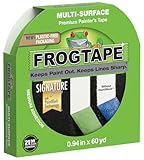
There’s also FrogTape, which is another strong contender. It has a special “PaintBlock” technology that reacts to latex and oil paints, swelling up to create a better seal. While I haven’t found it as universally indispensable for spray paint as the 3M blue, it’s still a solid choice, especially if you’re layering different types of paint. The key is a tape that conforms to the surface and has an adhesive that holds tight without degrading under the solvent in the spray paint.
I tried some generic orange tape once, thinking it was industrial-grade tough, and it just disintegrated, leaving sticky goo and paint everywhere. Never again. Investing in good tape is a must for spray paint projects where precision matters.
Here’s a quick rundown of what to look for, and my take on them:
| Tape Type | Pros | Cons | Verdict (for Spray Paint) |
|---|---|---|---|
| Standard Blue/Green Painter’s Tape | Cheap, widely available | Prone to bleed, not very flexible, can leave residue | Use with extreme caution and extra sealing steps. Not ideal. |
| 3M Blue Performance Plus Painter’s Tape | Excellent adhesion, flexible, clean removal, good seal | More expensive | My go-to. Reliable for sharp lines. Worth the cost. |
| FrogTape Multi-Surface | PaintBlock technology seals well, good for varied surfaces | Can be pricey, sometimes overkill for simple tasks | Very good, especially if you’re not spraying frequently or want a foolproof seal. |
| Red/Yellow Automotive Masking Tape | Designed for automotive finishes, very heat resistant, strong adhesive | Can be too aggressive on some surfaces, expensive | Excellent for curved surfaces and high-temp applications, but overkill and potentially damaging for most DIY projects. |
Practical Tips for Getting Sharp Lines
So, you’ve got the right tape, and you’re ready to spray. What else can you do to make sure those lines are crisp? First, prep is everything. Make sure the surface is clean and dry.
Any dust or oil will compromise the tape’s adhesion. When you apply the tape, press it down firmly along the entire edge. I like to use a credit card or a plastic putty knife to really burnish the edge down. Think of it like sealing a letter – you want that edge to be flat and tight.
After burnishing, and before you spray, run a bead of clear acrylic sealer or even a thin layer of your base coat paint along the edge of the tape. Let it dry completely.
This creates a solid barrier that the main color spray can’t penetrate. I learned this trick after a particularly nasty bleed on a bookshelf project that took me hours to fix. When you spray, use light, even coats. Don’t try to lay down heavy color in one pass.
Multiple thin coats are always better than one thick one. Hold the can about 8-12 inches away from the surface. Too close and you risk drips and heavy overspray; too far and the paint might not adhere properly. Work in sweeping motions. (See Also: Does Painters Tape Peel Paint )
And here’s a important tip: when you’re done spraying, don’t wait too long to remove the tape. If you let the paint cure completely, it can sometimes lift the tape or pull off bits of the underlying paint, ruining your line. The sweet spot is usually when the paint is dry to the touch but not fully hardened. Pull the tape off slowly and at a 45-degree angle away from the painted edge.
This reduces the chance of pulling up paint or creating a jagged line. If you do get a tiny bit of bleed, you can often clean it up with a detail brush dipped in your base coat color or a solvent-safe paint remover on a cotton swab, but it’s always best to avoid it in the first place.
Faq: Your Burning Questions About Spray Paint and Tape
How Do I Prevent Spray Paint From Bleeding Under Tape?
The key is a good seal. Make sure the tape is pressed down firmly along all edges, using a tool like a credit card. For an extra layer of protection, consider applying a thin bead of clear acrylic sealer or your base coat paint along the tape’s edge before spraying your main color. This micro-seal acts as a barrier against overspray.
Can I Use Masking Tape If I’m Only Doing One Color?
If you’re only spraying one color and not trying to create lines or separate areas, then masking tape isn’t really necessary for the painting itself. Its primary function is to protect areas you don’t want painted. If you’re painting a whole object one color, you only need tape if you’re trying to mask off specific components you don’t want painted, like hardware.
What Kind of Tape Is Best for Sharp Lines with Spray Paint?
For sharp lines with spray paint, specialty painter’s tapes are generally best. Products like 3M Blue Performance Plus Painter’s Tape or FrogTape Multi-Surface are designed with better adhesion and flexibility to create a tighter seal. These minimize the tiny gaps that allow overspray to seep under.
Is It Okay to Spray Paint Directly Over Masking Tape?
You can spray paint directly over masking tape, but it’s not ideal for achieving clean lines. The fine mist of spray paint can easily seep under the edges of standard masking tape, causing a fuzzy or feathered line. If you must, techniques like sealing the tape edge first can help mitigate this bleed.
How Long Should I Wait to Remove Masking Tape After Spray Painting?
The ideal time to remove masking tape after spray painting is when the paint is dry to the touch but not fully cured. This is usually within an hour or two, depending on the paint and conditions. Removing it too soon can cause drips and smudges, while waiting too long can lead to the paint chipping or the tape leaving residue and jagged edges.
Final Thoughts
So, to circle back to that initial question: can you spray paint over masking tape? Yes, technically you can, and it might even look okay if you’re not expecting perfection. But if you’re aiming for those smooth, professional-looking edges that really make a project pop, you need to approach it with the right tools and techniques. It’s not just about slapping tape down and hoping for the best; it’s about creating a proper seal and understanding how spray paint behaves.
My advice? Invest in good quality painter’s tape specifically designed for clean lines. Practice that technique of sealing the edge with a base coat or clear sealer. And for the love of all that is clean and crisp, do your prep work thoroughly. That little bit of extra effort upfront will save you hours of sanding and repainting later.
Next time you’ve got a spray paint project with intricate designs, remember these tips. Don’t let the overspray win. Give yourself the best chance for success by treating that tape edge like the important barrier it needs to be.