
You’ve got a watch, maybe it’s old, maybe it’s new and you just want to swap the battery or maybe a tiny bit of dust got under the crystal and it’s driving you bonkers. You flip it over, ready to tackle the little screws on the back, only to find… they won’t budge. Not even a millimeter. You’ve probably tried a few screwdrivers, maybe even one that felt a bit too big or too small, and now you’re staring at a watch that feels like it’s mocking you.
It’s a frustratingly common problem, and honestly, a lot of the advice out there makes it sound way easier than it actually is. I’ve been there, wrestling with tiny little screws that felt welded in place. That’s why I’m cutting to the chase: if you can’t unscrew back of watch, it’s usually not because you’re weak or using the wrong technique, but because you’re missing a key piece of the puzzle.
The Tiny Screw Conspiracy: Why They Stick Like Glue
Look, we’ve all seen those YouTube videos where some watch guru effortlessly pops off a case back with a tiny screwdriver. It’s almost meditative. But that’s often after they’ve cleaned it up, oiled it, and probably used a special jig to hold the damn thing still.
For us regular folks, the reality is often a lot grittier. Those little screws? They’re often made of softer metal, they’re tiny, and they’re subjected to all sorts of gunk and grime over time.
Add in some galvanic corrosion from sweat and humidity, and you’ve got a recipe for stripped heads and pure annoyance. I once spent nearly an hour on a vintage Timex, convinced I just needed a different screwdriver. Turns out, the previous owner had used a dab of superglue. Superglue!
My first instinct was to blame the watch or the tools, but it was just… human error, I guess. Or maybe malicious intent, who knows.
The real kicker is that many watch backs don’t actually use screws at all. They’re held on by a friction-fit or a screw-down bezel. People see the tiny indentations that look like screw slots and assume screws. If you’ve got a watch with a smooth back, or one where the back just seems to be a solid piece of metal with a thin edge, you’re probably looking at a different mechanism entirely. Trying to force a screwdriver into a non-existent screw slot is a surefire way to damage your watch and achieve nothing. It’s like trying to open a jar by hitting it with a hammer – you might break it, but you’re not getting the lid off.
So, before you go digging through your toolbox for the smallest Allen wrench you can find, take a good, hard look at your watch. Is it definitely a screw-back? Does it have multiple little Phillips or flathead slots? Or is it a more integrated design? Understanding the type of case back you’re dealing with is the absolute first step. Ignoring this is how you end up with a scratched-up case and a watch you still can’t open. The common advice to just ‘use the right size screwdriver’ is only half the battle, and often, it’s not even the main battle.
What to Actually Look for: The Right Tools for the Job (not Just Any Tools)
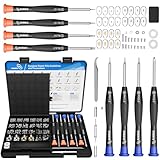
Alright, let’s talk tools. If your watch does have tiny screws, and they’re just being stubborn, you need precision. Forget your dad’s chunky screwdriver set. You need what are commonly called ‘watchmaker’s screwdrivers’ or ‘precision screwdrivers’. These are small, often with a rotating cap on the handle so you can apply firm downward pressure with your thumb while turning with your fingers. The tips are usually made of hardened steel and come in a range of sizes, from minuscule to almost normal. Getting the right size is most important. Too small, and you’ll strip the screw head. Too big, and you won’t get a good grip, or worse, you’ll damage the surrounding case.
What’s the alternative if you don’t have those? Well, this is where things get dicey. Some people swear by a tiny flathead from a glasses repair kit. They can work in a pinch if the screw slot is clean and the fit is good.
Another trick, and this one has saved me more times than I care to admit on less valuable watches, is to get a very thin piece of metal – like the edge of a feeler gauge or even a carefully filed-down razor blade (handle with extreme caution!) – and try to gently work it into the slot. It’s not ideal, and requires a delicate touch. (See Also: How To Fix Eyeglasses Arm Without Screw )
The main thing is to avoid damaging the screw head beyond recognition.
When it comes to the actual ‘can’t unscrew back of watch’ scenario with actual screws, what I’ve learned is that often, it’s about the quality of the screwdriver tip. A cheap, soft metal tip will deform quickly and then just spin uselessly in the screw slot.
Invest in a decent set. You don’t need to spend a fortune, but look for something that feels solid and has hardened steel tips. I picked up a set from an online tool supplier for about $25 a few years back, and it’s been worth its weight in gold for all the little electronic repairs and watch fiddling I do.
It came with about 12 bits, including some microscopic ones I’ve never even had to use. But having that range means you’re more likely to find the perfect fit.
Choosing the Right Screwdriver Set
| Tool Type | Best For | Pros | Cons | Verdict |
|---|---|---|---|---|
| Standard Screwdriver Set | Larger screws, general repairs | Widely available, affordable | Too large for watch screws, can damage small parts | Useless for watch backs |
| Watchmaker’s Precision Screwdriver Set | Watch screws, electronics, small mechanisms | Precise fit, rotating cap for control, variety of sizes | Can be more expensive, requires careful handling | Highly Recommended – The standard for a reason. |
| Eyeglass Repair Kit Screwdrivers | Very small screws, quick fixes | Compact, often included with glasses | Limited sizes, not very durable, can strip screws easily | Okay in a pinch, but not a long-term solution. |
| Jeweler’s Flathead Screwdriver | Flathead watch screws, prying (carefully!) | Thin, good for flat slots | Only works for flathead slots, can slip and damage | Useful for specific screw types, but needs a steady hand. |
The ‘people Also Ask’ Gauntlet: Unpacking Common Worries
I see people asking a lot of questions when they hit this wall. One that pops up is: “How do I know if my watch has a screw-on back or a snap-on back?” This is a good one because, as I mentioned, not all watch backs are screwed. A snap-on back usually has a small lip or notch on the edge, where you can slide a thin, flat tool (like a case knife or a very thin, strong blade) to pry it open.
You’ll often hear a distinct ‘snap’ when it comes off. Screw-on backs, on the other hand, will have visible slots or indentations around the circumference, designed for a special tool called a ‘watch case wrench’ or ‘case back opener’. If you don’t see either of these obvious features, it might be a press-fit back, which is basically held in place by a tight rubber gasket and the pressure of the case itself.
Another common query is about the dreaded stripped screw head. “What if the screw head is already stripped and I can’t unscrew it?” This is where things get serious. If the slot is rounded out or damaged, a regular screwdriver won’t catch.
My go-to for a slightly stripped screw is a small amount of valve grinding compound or even a bit of diamond paste (if you happen to have it lying around from some other project – unlikely for most!). You put a tiny dab on the screwdriver tip. The abrasive particles help it grip the damaged slot. If it’s really bad, you might need to resort to a screw extractor kit, but these are usually for much larger screws.
For tiny watch screws, a stripped head often means it’s time for professional help, or at least a specialized tool like a micro-grabber or even a tiny Dremel bit to cut a new slot, which is advanced DIY and very risky.
And then there’s the question of lubricants. “Can I use WD-40 on watch screws?” Please, for the love of all that is holy, do NOT use WD-40 on your watch. WD-40 is a solvent and a water displacer, not a lubricant for delicate mechanisms. It can degrade gaskets, attract dust, and leave behind residue that will cause more problems than it solves. If you need to loosen stubborn screws, a tiny drop of specialized watch oil or even a penetrating oil designed for fine mechanisms might be cautiously applied, but this is advanced territory. Most of the time, mechanical force and the right tools are all you need. (See Also: How Measure Metric Computer Screws )
Common Mistakes: What Not to Do When You Can’t Unscrew Back of Watch
Okay, let’s talk about the mistakes I see people make, including myself when I was starting out. The biggest one? Applying too much force without the right tool. You see those little screw heads and think, ‘I just need to give it some elbow grease.’ Wrong. You’ll either strip the screw, slip and gouge the watch case, or worse, apply uneven pressure and crack the crystal or damage the movement inside. Watches are intricate, delicate machines. They require finesse, not brute strength. I once tried to force a screw on a cheap fashion watch, and the whole backplate ended up bending because the metal was so thin. It was a mess.
Another huge mistake is using the wrong kind of screwdriver. I’ve seen people try to use Torx bits, square-drive bits, or even just a generic flathead that’s clearly too thick. The goal is a snug fit. If the screwdriver wobbles in the slot, it’s the wrong one. Also, using a magnetic screwdriver when you shouldn’t be. While magnetic screwdrivers are super helpful for catching tiny screws that fall, they can also magnetize your watch movement, which is a whole other headache. If you’re just trying to unscrew, a non-magnetic, precision screwdriver is usually safer.
People also tend to overlook the simple stuff: cleanliness. If the screw slot is full of gunk, lint, or dried-up oil, your screwdriver won’t get a proper bite. Before you even attempt to unscrew, take a moment to clean the screw heads. A soft brush (like a toothbrush or an artist’s brush) and some isopropyl alcohol can work wonders.
Gently clean out the slots. This tiny step can make a world of difference.
I’ve had screws that looked impossible to turn suddenly loosen up after a good cleaning. It’s amazing what a bit of attention to detail can do.
Everyone says ‘just use the right tool’, but they don’t always emphasize the ‘right clean tool’ part. I disagree because a dirty slot is the primary culprit for slippage and stripping, more than just the wrong size.
Real-World Fixes: Tackling Stubborn Watch Case Backs
So, you’ve got your precision screwdrivers, you’ve cleaned the screws, and they still won’t budge. What now? For screws that are just tight but not seized, sometimes a little vibration can help. Gently tapping the watch case (face up, on a soft cloth, of course) with the handle of your screwdriver can sometimes break the initial seal of corrosion or dried threadlocker. Don’t go whacking it like you’re trying to tenderize meat, just a firm, controlled tap. This can be surprisingly effective. I’ve used this on some older military-style watches where the screws felt like they were cemented in.
If there’s any sign of rust or corrosion around the screw heads, you might need a tiny bit of penetrating oil. The key here is tiny. Use a needle applicator and apply literally a single drop right onto the screw head. Let it sit for 15-30 minutes. Again, avoid WD-40. Products like Kroil or a specialized fine-mechanism penetrating oil are better choices, but even then, use with extreme caution and protect your watch face. My friend tried this on a vintage watch, and a bit too much oil ran down and stained the dial slightly. Lesson learned: less is more.
For those truly stubborn screws that refuse to yield, or if you’re dealing with a screw-down bezel that’s stuck, sometimes heat can be a factor. Very gentle heat. Holding a hairdryer on a low setting for a minute or two can sometimes expand the metal slightly, breaking the bond. Again, this is for specific situations and requires care. You don’t want to overheat the watch and damage the movement, seals, or even melt plastic components. I’ve only ever done this on older, solid dive watches where I knew the seals could handle a little temperature change.
Here’s a quick rundown of what to try, in order: (See Also: How To Adjust Eyeglass Screw )
- Visual Inspection: Confirm it’s a screw-back. Check for screw type (Phillips, flathead, etc.).
- Cleaning: Use a soft brush and isopropyl alcohol to clean screw heads and slots.
- Right Screwdriver: Use a high-quality, correctly sized precision screwdriver. Apply firm downward pressure.
- Gentle Tapping: Lightly tap the case to loosen vibrations.
- Penetrating Oil (with extreme caution): Use a specialized, tiny amount for corroded screws.
- Gentle Heat (advanced): Brief, low heat from a hairdryer to expand metal.
- Seek Professional Help: If all else fails, take it to a watchmaker.
When to Call the Pros: Knowing Your Limits
There comes a point where you have to admit defeat, and that’s usually when you’re staring at a mangled screw head or a watch that suddenly looks worse than when you started. If you’ve tried the right tools, cleaning, and maybe even a little bit of gentle persuasion, and that back is still firmly attached, it’s time to stop. Forcing it further will almost certainly cause more damage, and that damage will be far more expensive to fix than a simple watch repair.
Watchmakers have specialized tools and techniques for dealing with stuck or stripped screws. They have micro-extractors, ultrasonic cleaners, and the experience to know when to apply heat or specialized lubricants without damaging the watch. They’ve seen it all, from superglue to rust so bad the screw is effectively part of the watch case. Paying a professional, even for what seems like a simple task, is often the most cost-effective solution in the long run, especially if the watch has any significant value, sentimental or otherwise.
Don’t feel like a failure if you can’t unscrew back of watch. These things are designed to be sealed, and sometimes they seal too well. My own rule of thumb is that if I’ve spent more than 30 minutes wrestling with a single screw, it’s time to put the tools down and call someone who does this for a living.
I learned this the hard way with a vintage Seiko diver that I wanted to service myself. I ended up stripping two screws and scratching the case pretty badly before I finally took it to a shop. The repair bill was higher than if I’d just gone there first.
So, know when to walk away, or in this case, when to hand over the watch.
Faq on Watch Case Backs
What’s the Difference Between a Screw-on and Snap-on Watch Back?
A screw-on watch back has visible slots or indentations around its circumference, designed to be tightened and loosened with a special tool that grips these slots. A snap-on back, on the other hand, has a lip or notch along its edge, allowing a thin, flat tool to be inserted to pry it open, often with a ‘snap’ sound. If you don’t see obvious slots or a pry point, it might be a press-fit back.
How Can I Prevent Watch Screws From Stripping?
The best way to prevent stripping is to use a high-quality precision screwdriver that perfectly matches the screw slot size and type. Make sure the screwdriver tip is clean and fully seated in the screw head before applying pressure. Turn slowly and steadily, avoiding jerky movements. Keeping the screw heads clean and free of debris is also vital for good grip.
Can I Use Heat to Loosen a Stuck Watch Screw?
Very gentle heat, like from a hairdryer on a low setting for a short period, can sometimes help loosen a stuck watch screw by causing the metal to expand slightly. However, this should be done with extreme caution to avoid damaging the watch’s movement, seals, or cosmetic finishes. It’s an advanced technique and not recommended for beginners or valuable timepieces without expert guidance.
Verdict
So, you’re staring at a watch back that refuses to budge, and you’re wondering if you’ll ever get it open. The truth is, most of the time, the solution isn’t about finding a magic trick, but about understanding the problem and using the right tools. If you’ve confirmed it’s a screw-back and your precision screwdrivers just aren’t cutting it, take a deep breath and reassess.
Don’t let a stubborn case back be the end of your watch-opening adventure. Whether it’s a simple battery change or a desire to clean out that bit of dust, the steps outlined should give you a fighting chance. Remember, patience and the right equipment are your best friends here. If you’ve tried everything and you can’t unscrew back of watch, there’s absolutely no shame in taking it to a professional watchmaker. They have the specialized gear and years of experience to handle it without causing further damage.
Next time you’re faced with a seemingly impossible-to-open watch, you’ll have a better idea of the steps involved and when it’s time to call in the cavalry. Keep those tools clean, use the right sizes, and apply steady pressure. Good luck!
![AXTH 25-in-1 Small Precision Screwdriver Set, Professional Magnetic Mini Repair Tool Kit for Phone, Computer, Watch, Laptop, Macbook, Ring Doorbell, Eyeglass, Electronic, [Bearing Steel] Screw Driver](https://m.media-amazon.com/images/I/518YlLmPTcL._SL160_.jpg)
