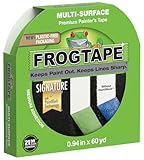
I’ve stood in the aisle, staring at rows of tape, wondering if I should grab the cheapest option or if it’s worth splurging on the fancy stuff. It’s a question many of us face, especially when you just need something functional without breaking the bank. So, does Dollar General have painters tape? The short answer is yes, they often do. But like most things at DG, it comes with a few asterisks.
I’ve learned the hard way that not all tape is created equal, and sometimes the ‘bargain’ can cost you more in ruined paint jobs and frustration. My goal here is to give you the straight dope, based on years of slapping paint on walls and realizing what actually holds up and what just makes a mess.
We’re going to cut through the noise and talk about what you can realistically expect from Dollar General’s paint tape selection, and when you might want to look elsewhere.
The Dollar General Painters Tape Situation: Expectations vs. Reality
Look, I get it. You’re at Dollar General for paper towels and maybe some cheap socks, and you spot the paint section.
A little voice in your head asks, ‘Does Dollar General have painters tape?’ and before you know it, you’ve got a roll in your cart. I’ve been there. It’s the convenience factor, right?
You’re already there, you need it, boom. But let’s be brutally honest: Dollar General’s tape situation is a mixed bag. They do carry painters tape, often under their own DG brand or generic labels. You’ll typically find it alongside other basic home repair items like caulk and putty knives.
The price is usually tempting, often a dollar or two cheaper than you’d find at a big box hardware store. This makes it attractive for small touch-ups or projects where perfection isn’t the absolute highest priority.
The biggest gamble with DG tape is consistency. One roll might be surprisingly decent, adhering well and peeling off cleanly. The next batch?
It might be too sticky, leaving residue, or not sticky enough, letting paint bleed underneath. I once bought a roll for painting some trim in my pantry.
It looked fine going on. But when I pulled it off, my carefully applied cream color had snaked its way under the tape, creating these jagged, fuzzy lines that looked like a toddler had attacked the walls with a crayon.
It took me another hour of meticulous scraping and touching up to fix it. That’s the risk you take. It’s not professional-grade, and you can’t expect it to perform like the blue stuff from 3M or the green stuff from FrogTape. If you’re painting a whole room, especially with vibrant colors or delicate finishes, I’d strongly advise you to invest in better tape.
For masking off an old piece of furniture you’re repainting or for a quick project where you’re not worried about razor-sharp lines, it might be perfectly adequate. But for anything requiring clean, crisp edges, especially on textured walls or freshly painted surfaces, you’re playing with fire.
What to Look for (and What to Avoid)
When you’re in that Dollar General aisle, eyeing the tape, what’s the game plan? First off, check the packaging.
Does it actually say ‘painters tape’? Sometimes they have general-purpose tapes that look similar, but they’re not designed for painting. Look for indicators like ‘clean removal’ or a temperature rating, though frankly, those are often just marketing fluff on budget tapes.
The width is usually pretty standard, around 1.41 inches or so, which is fine for most trim and edge work. The real differentiator, and the part that’s impossible to tell from the packaging alone, is the adhesive. Higher-quality painters tape uses a low-tack adhesive that sticks just enough to create a seal but pulls away cleanly without damaging the paint underneath or leaving sticky residue. (See Also: Does Painters Tape Pull Off Paint )
The Dollar General stuff? It’s a crapshoot. Sometimes you get lucky and it’s a decent low-tack. Other times, it’s like they accidentally used superglue.
My personal rule of thumb, learned through some painful experiences, is to always do a test strip. Before you commit to masking off a whole wall, stick a small piece of the tape to an inconspicuous area of the wall you’ll be painting. Let it sit for a few hours, or even overnight if you can, then peel it off. Does it come off cleanly?
Does it pull up any paint? If it leaves a sticky residue, that’s a bad sign.
If it rips paint off, it’s a definite no-go. This quick test could save you hours of remedial work later.
Another thing to consider is the thickness of the tape. Thicker tapes tend to be more forgiving and less prone to tearing during application. The DG tapes are often on the thinner side, which means they can rip easily, especially if you’re working around corners or curves. I’ve had rolls tear multiple times while trying to apply them smoothly, which is just infuriating. So, while the price is low, the ease of use can be significantly hampered by cheap materials. Honestly, if you see tape that looks super thin and almost translucent, I’d probably steer clear, even at Dollar General prices.
The ‘contrarian Take’: When Budget Tape Actually Works
Alright, here’s where I might ruffle some feathers. Everyone and their dog will tell you to buy the expensive, name-brand painters tape for any paint job. They’ll wax poetic about 3M’s blue tape or FrogTape’s green magic. And for professional work, or when you’re painting a high-end finish, they’re probably right.
But I disagree that it’s always necessary. There are times when the budget tape from Dollar General, or a similar discount store, is perfectly fine, and here’s why: context matters. If you’re painting a garage wall, a shed, or a piece of furniture you plan to distress anyway, the absolute razor-sharp edge is not the main goal.
What you need is a barrier to prevent paint from getting where you don’t want it. For these utilitarian projects, the risk of a little bleed-through is minimal, and the cost savings are significant. I recently repainted an old, beat-up wooden dresser.
The plan was to give it a distressed, farmhouse look, so a few paint drips or slightly fuzzy lines weren’t going to ruin the aesthetic. I used a roll of tape I picked up for $2 at DG. It did a decent job of masking off the hardware and the edges of the drawers.
Did it create perfect, gallery-worthy lines? No. But it kept the spray paint from going all over the drawer pulls and the inside of the drawers.
For that specific project, the $2 tape was a win. It served its purpose adequately, and I didn’t waste $10 on a roll of tape I might have ruined anyway.
The key is understanding the limitations. If you’re painting a crisp white ceiling line against a dark accent wall, you want that sharp definition. If you’re painting a kid’s room with a bright, fun mural where some artistic imperfection adds character, a little bleed might not be a disaster.
I’ve also found that some of the DG tapes are better for certain surfaces. The ones that are a bit more aggressive in their stickiness might actually be okay on rougher surfaces like unfinished wood or some types of textured plaster, where a super-low-tack tape might not even adhere properly.
It’s a bit of a gamble, sure, but if you’re only spending a couple of dollars, sometimes the gamble pays off. I’ve found that by carefully pressing down the edge of the tape after application, you can often create a decent seal even with less-than-ideal tape. It’s about managing expectations and knowing what you’re trying to achieve with your paint job. (See Also: Does Painters Tape Rip Paint Off Walls )
Common Mistakes When Using Budget Painters Tape
The biggest mistake people make with any painters tape, but especially the budget stuff from places like Dollar General, is applying it and just assuming it will work perfectly. You can’t just slap it on and expect magic.
One of the most common errors is not pressing the edge down firmly enough. That little gap, even a millimeter wide, is an invitation for paint to seep underneath.
Use your fingernail, a putty knife, or a dedicated tape tool to really burnish the edge of the tape down onto the surface. This creates a better seal and minimizes bleed-through. I learned this the hard way when I was painting a feature wall in my living room. I thought I was being careful, but I didn’t press down hard enough along the ceiling line.
When I pulled the tape off, there were dozens of tiny little paint dots where the paint had wicked up. It looked like I had a mild case of acne on my wall.
Another common pitfall is leaving the tape on too long. Most painters tape is designed for clean removal while the paint is still wet or at least partially cured.
If you let the paint dry completely over the tape, it can cure onto the tape’s adhesive. When you try to pull the tape off later, it can peel up the underlying paint, causing those dreaded jagged edges or even larger sections of paint damage.
This is especially true with lower-quality tapes that have a stronger, less forgiving adhesive. As a general rule, try to remove the tape within an hour or two of the final coat of paint being applied. If you’re painting a large area, plan your painting and taping strategy to accommodate this. For example, tape off a section, paint it, remove the tape while wet, then move to the next section.
This might sound like more work, but it saves a ton of heartache and touch-up time.
Finally, and this is a big one: don’t reuse old tape. Even if it looks okay, the adhesive on painters tape degrades over time. What might have been a clean-release tape a year ago could be a sticky mess today. Dollar General tape, being budget-friendly, likely has a less solid adhesive to begin with, so its shelf life is probably even shorter. If you find a roll of tape tucked away in your garage, and it’s been there for more than a year or two, do yourself a favor and just buy a new roll. The few dollars you save by using old tape are almost never worth the potential paint job disaster.
How to Actually Use Dollar General Painters Tape Effectively
Okay, so you’ve decided to give that Dollar General painters tape a shot. Here’s how to maximize your chances of success and minimize the pain.
First, as I mentioned, prep is key. Make sure the surface you’re taping onto is clean and dry. Dust, grime, or moisture can interfere with the adhesive and lead to bleeding or the tape falling off prematurely. Once you’ve applied the tape, really commit to pressing down the edge.
I like to use the side of my utility knife, or even an old credit card, to get a really good seal. Run it along the entire length of the tape, paying extra attention to corners and any seams where two surfaces meet. This step is a must for decent results, especially with budget tape.
Next, apply your paint in thin, even coats. Thick, gloppy paint is more likely to seep under the tape than thin, well-applied coats.
If you’re using a roller, avoid overloading it. If you’re brushing, make sure you’re not leaving puddles of paint along the tape line. The goal is to create a smooth, controlled application of paint. (See Also: Does Masking Tape Work The Same As Painters Tape )
When it’s time to remove the tape, do it slowly and at an angle. Pull it back on itself, not straight up. This helps to prevent the paint from being pulled up with the tape. If you’ve waited too long and the paint is fully dry, you can sometimes score the edge of the tape with a sharp utility knife just before you pull it.
This creates a clean break between the dried paint and the tape, reducing the risk of peeling. It’s a bit of an extra step, but it can make a huge difference when using less-than-premium tape.
Here’s a quick comparison table to help you weigh your options:
| Tape Type | Typical Price Range (DG vs. Others) | Adhesive Quality | Ease of Use/Removal | Best For | My Verdict |
|---|---|---|---|---|---|
| Dollar General Brand/Generic | $1.50 – $3.00 | Inconsistent, often too sticky or not sticky enough | Can be prone to tearing, residue, or paint bleed | Small touch-ups, utilitarian projects, non-important lines | Use with caution; test first for small jobs only. Not for important lines. |
| Mid-Range (e.g., Scotch Blue, Sherwin-Williams) | $5.00 – $10.00 per roll | Good, designed for clean removal on most surfaces | Generally adheres well, removes cleanly, less tearing | Most DIY projects, moderate to high-quality paint jobs | A solid, reliable choice for most homeowners. |
| High-End (e.g., FrogTape, 3M Delicate Surface) | $10.00 – $20.00 per roll | Excellent, specialized adhesives for different surfaces | Very easy to apply and remove cleanly, minimal bleed-through | Delicate surfaces, high-gloss finishes, professional results, complex patterns | Worth the investment for demanding jobs where perfection is key. |
Based on my experience, for most regular home painting projects where you want good results without a massive expense, a mid-range tape is usually the sweet spot. But for those moments when you’re just grabbing a few things at DG and a roll of tape is an impulse buy, knowing these tips can help you avoid a complete mess.
When to Absolutely Skip Dollar General Tape
There are certain situations where trying to save a few bucks on painters tape at Dollar General is just asking for trouble, and it’s better to spend the money upfront. The first and most obvious is when you’re painting delicate surfaces. Think wallpaper, freshly painted walls that are still a bit soft, or even very old, crumbly plaster. These surfaces can be easily damaged by a strong adhesive. The tape from DG is often too aggressive and can peel off paint, tear wallpaper, or leave behind a sticky residue that’s a nightmare to remove. For these jobs, you need tape specifically designed for delicate surfaces, usually with a much lower tack adhesive and a softer backing.
Another red flag is when you’re aiming for a professional-level finish. If you’re painting a room with a high-gloss paint, or if you’re trying to achieve super crisp, clean lines against a contrasting color, the gamble with budget tape just isn’t worth it. The likelihood of paint bleeding under the tape, or the tape not adhering properly, is too high.
I had a friend who tried to save money by using DG tape on a black-and-white striped accent wall. The result was a fuzzy, uneven mess that required hours of painstaking touch-up with a tiny artist’s brush. They ended up buying the good stuff anyway, and by then, the time and frustration were far more costly than the tape itself. So, if your project requires precision and a flawless finish, reach for the dedicated, higher-quality painters tape from a hardware or paint store.
Finally, consider the temperature and humidity. While not always explicitly stated on budget tape packaging, extreme conditions can affect how the adhesive performs. If you’re painting in a very hot, humid garage, or a cold, damp basement, standard budget tape might struggle to adhere properly or could leave behind residue. Higher-quality tapes often have better performance ratings across a wider range of conditions. So, if your painting environment is less than ideal, it’s another reason to opt for tape that’s built to withstand those challenges. It’s about choosing the right tool for the job, and sometimes, the cheapest option just isn’t the right fit, no matter how convenient it is.
People Also Ask:
Does Dollar General Sell Painter’s Tape?
Yes, Dollar General typically carries painter’s tape, often under their own store brands or as generic options. You’ll usually find it in the home repair or hardware section of the store. While they do offer it, the quality and consistency can vary significantly from roll to roll, so it’s important to manage expectations.
Is Dollar General Painter’s Tape Any Good?
The quality of Dollar General painter’s tape is generally considered to be hit-or-miss. It can be suitable for very basic touch-ups or projects where perfect, crisp lines aren’t key. However, for more demanding jobs, you might experience issues with paint bleed, residue left behind, or the tape tearing during application. It’s often not a substitute for higher-quality tapes found at hardware stores.
What Kind of Tape Does Dollar General Have for Painting?
Dollar General usually offers a basic type of painter’s tape, often in standard widths. It’s typically a general-purpose tape designed for masking off areas during painting. They may not offer specialized tapes for delicate surfaces or specific paint types, so what you find will likely be a one-size-fits-most option.
Where Can I Buy Good Quality Painter’s Tape?
For good quality painter’s tape, your best bet is to visit dedicated hardware stores (like Home Depot, Lowe’s), paint supply stores (like Sherwin-Williams, Benjamin Moore), or even larger general retailers with a strong home improvement section. Brands like 3M (blue and green tapes), FrogTape, and ScotchBlue are widely available and known for their reliable performance.
Final Thoughts
So, does Dollar General have painters tape? Yes, they usually do, and it can be a tempting option when you’re already in the store. However, my honest take is that it’s best reserved for small, non-important jobs where a perfect finish isn’t the top priority. The inconsistency in adhesive quality means you’re rolling the dice on whether it’ll work well or create a mess.
If you’re painting a large room, working with delicate surfaces, or striving for those sharp, professional-looking lines, you’re far better off spending a few extra dollars on a reputable brand from a hardware or paint store. The time and frustration you’ll save are usually well worth the small investment.
Next time you’re at Dollar General, if you need tape for a quick fix, grab a roll, but remember to do that test strip first. It might just save your paint job.