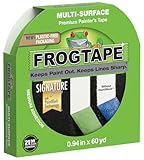
You’ve seen it, right? That roll of silver tape looking all tough and ready for anything. You’re mid-project, maybe painting a trim piece or a small accent wall, and you realize you’re out of actual painter’s tape. Panic starts to set in. Then your eyes land on that trusty roll of duct tape. The question pops into your head: does duct tape work as painters tape?
I’ve been there. Staring at a half-finished job, inventory of supplies looking grim. My first instinct, like yours, might be to just grab the duct tape and wing it. It’s sticky, it’s strong, what’s the worst that could happen? Spoiler alert: quite a bit, if you’re not careful. Let me tell you what I’ve learned from my own… shall we say, ‘experimental’ phases with household staples.
So, Can You Just Use Duct Tape for Painting? The Short Answer Is ‘no, but…’
Look, I’m going to cut straight to the chase. Does duct tape work as painters tape?
For 99% of painting jobs, especially anything where you care about clean lines and not ruining your finish, the answer is a resounding NO. Painter’s tape, the good stuff, is engineered.
It’s designed with specific adhesive properties and a material that breathes (yes, the paper actually lets a tiny bit of air through, which helps prevent bleed-through and lifting). It’s also designed to peel off cleanly without taking your paint with it, even if it’s been on for a few days. Duct tape?
That’s a whole different beast. Its adhesive is designed to stick like a barnacle to a ship.
It’s aggressive. It’s permanent. And it will absolutely tear up your paint job when you try to pull it off, especially if you’ve painted over it.
I learned this the hard way on a dresser I was refinishing. I ran out of painter’s tape for the drawer fronts. I figured, ‘It’s just a small area, I’ll be careful.’ I slapped on some duct tape, painted the sides, and let it dry overnight. The next morning, I pulled the tape off, and it came away with chunks of my carefully applied latex paint. It looked like a topographical map of a mountain range, not a clean, crisp line. I spent hours that day with a tiny brush, trying to touch up the mess. It was infuriating. That was the day I stopped thinking of duct tape as a universal fix-it tool for delicate jobs.
The adhesive on duct tape is usually a rubber-based or aggressive acrylic. It’s meant for holding things together, permanently if possible. Think repairing a leaky hose, sealing a box for shipping, or temporarily fixing a broken car part. It’s not meant to be removed cleanly from a painted surface. Painter’s tape, on the other hand, often uses a low-tack acrylic adhesive. Some specialized tapes have different adhesives for different surfaces – like delicate surfaces or exterior painting – but the core idea is controlled adhesion and clean removal. It’s a subtle difference, but it makes all the difference in the world when you’re dealing with a finished paint job.
What Makes Painter’s Tape Actually Work (and Why Duct Tape Fails)
Let’s break down why the stuff labeled ‘painter’s tape’ actually does its job, and where duct tape falls short. It’s not just about being sticky; it’s about how and how much it sticks, and what it’s made of. (See Also: Does Painters Tape Pull Off Paint )
Painter’s tape, particularly the blue stuff that’s become a household name, is typically made from a thin, crepe paper backing. This paper is semi-porous. This is a bit counter-intuitive, but it helps. When you paint over it, the paint can slightly soak into the tape’s edge.
This seals the line, preventing paint from seeping underneath. Aggressive tapes, like duct tape, don’t have this property. Their plastic or heavily coated backing is non-porous, so paint sits right on top, and any slight imperfection in the seal means bleed-through.
The adhesive on painter’s tape is also key. It’s formulated to have a good grip on most surfaces without being so strong that it bonds permanently.
Think of it as a confident handshake, not a death grip. It needs to hold the tape in place while you paint, but release with a firm, steady pull. Some painter’s tapes are better than others, of course.
I’ve used cheap ones that failed miserably, bleeding like crazy or leaving residue. But even the cheap painter’s tape is usually a better bet than duct tape for the intended purpose. Duct tape’s adhesive is designed for heavy-duty adhesion.
It’s built to withstand shear forces, tension, and exposure to the elements. When you try to pull it off a painted surface, that strong bond is what causes the paint to lift. It’s like trying to unstick two pieces of superglue. You’re going to rip something.
The width of the tape also plays a role. Painter’s tape comes in various widths, allowing you to mask off different areas. Duct tape is typically a standard width and often much thicker. This thickness can make it harder to get a really tight seal along intricate edges. You’re more likely to have little air pockets or gaps that paint can sneak into. So, while it seems like a strong, sticky tape should be good for masking, it’s actually the specific formulation and material properties of painter’s tape that make it the right tool for the job. It’s about engineered release, not just brute-force stickiness.
A Few Real-World Scenarios: Where Duct Tape might Not Be a Total Disaster
Okay, so I’ve bashed duct tape pretty hard. And for most painting jobs, you should steer clear. But are there any situations where duct tape could be an option, or at least less of a nightmare? I’ve found a couple of very specific, very limited scenarios.
Firstly, if you’re painting something that is not going to be seen up close, or where a perfectly clean line isn’t the goal. Think the back of a shed, an old workbench you’re just giving a quick coat, or maybe a temporary marker on a surface that’s going to be painted over entirely later. (See Also: Does Painters Tape Rip Paint Off Walls )
In these cases, the risk of paint damage might be low, and the convenience of having duct tape on hand outweighs the risk of a slightly imperfect line.
Secondly, and this is a big IF, if you’re painting a rough, textured surface where a perfect line is practically impossible anyway. Some stucco walls, heavily textured concrete, or unfinished wood with deep grain might not hold a crisp line even with the best painter’s tape. In such cases, the aggressive adhesive of duct tape might hold better to the uneven surface than a low-tack tape. However, you’re still playing with fire regarding removal. You’d need to be incredibly careful, pulling it off immediately after painting, while the paint is still wet or slightly tacky. This is risky business. I’d still lean towards a high-quality painter’s tape designed for rough surfaces if this were my project.
I remember painting a section of a very old, crumbling brick wall in my backyard. It was a disaster waiting to happen. I tried some basic painter’s tape, and it just wouldn’t stick to the porous brick. In a moment of desperation, I grabbed the duct tape. I pressed it down hard, hoping for the best. I painted quickly, and then, with bated breath, peeled it off while the paint was still wet. Miraculously, I got a reasonably clean line on that particular section. But the sheer stress of that moment, and the realization that I got lucky, cemented my resolve: never again for anything I actually care about.
A Practical Comparison: Duct Tape vs. Painter’s Tape
Here’s a quick rundown. I’ve put together a little table to highlight the key differences from a hands-on perspective:
| Feature | Duct Tape | Painter’s Tape (Good Quality) | Verdict |
|---|---|---|---|
| Adhesive Strength | Very High (Aggressive) | Low to Medium (Controlled) | Painter’s Tape is designed for clean removal. Duct tape is too strong. |
| Backing Material | Plasticized Fabric/Cloth | Crepe Paper (Semi-Porous) | Paper backing helps seal edges on painter’s tape. Duct tape traps paint. |
| Paint Bleed-Through | High Likelihood | Low Likelihood (when applied properly) | The semi-porous nature of painter’s tape is a key advantage. |
| Clean Removal | Very Poor (will pull paint) | Excellent (designed for it) | This is the biggest differentiator. Duct tape will likely damage paint. |
| Residue | High Likelihood of sticky residue | Low Likelihood (unless left on too long or on delicate surfaces) | Duct tape leaves behind a sticky mess you’ll have to clean. |
| Flexibility/Conformity | Stiff, can be hard to get tight seals | Flexible, conforms well to edges | Painter’s tape is easier to work with for precise lines. |
| Price (Per Roll) | Generally Cheaper | Slightly More Expensive | The cost difference is negligible compared to fixing paint damage. |
Common Mistakes When Using Duct Tape (or Any Tape!) for Painting
So, we’ve established that duct tape is generally a bad idea. But even when people do use painter’s tape, they often make mistakes. These are things I’ve learned to avoid, and they’re worth mentioning because they highlight why you need the right tool and technique. The most common mistake, besides using duct tape, is not pressing the tape down firmly enough. You need to create a good seal. Run your fingernail, a plastic putty knife, or a credit card along the edge of the tape to make sure there are no little gaps for paint to sneak under. If there are air bubbles or loose edges, you’re asking for trouble.
Another big one is painting over the tape too aggressively. If you’re using an airless sprayer, you need to be careful not to blast paint directly at the edge of the tape. Even with a brush or roller, don’t overload your tool and don’t scrub right at the tape line. You want to paint away from the edge of the tape, or with very light, controlled strokes directly at the line. The goal is to lay down a smooth, even coat, not to force paint into every nook and cranny. If you’re applying multiple coats, let each coat dry sufficiently before applying the next. Rushing the process can lead to the paint wicking under the tape.
Leaving the tape on too long is another classic blunder. Most standard painter’s tapes are designed to be removed within 24 hours of painting. If you leave it on for days, or even weeks, the adhesive can cure and bond more strongly to the surface, making removal difficult and potentially damaging the paint. Some tapes are specifically designed for longer-term use or exterior applications, but for indoor projects, it’s best to remove the tape while the paint is still slightly tacky or fully cured but not ancient. I’ve had occasions where I forgot about tape for a few days, and the paint felt like it had bonded to the tape, not just alongside it. The pulling off was a nightmare.
Real-World Painting: Practical Tips & Why It Matters
When it comes to painting, especially DIY projects around the house, a lot of people underestimate the importance of preparation. This includes having the right supplies. For clean lines and a professional-looking finish, investing in good quality painter’s tape is a must. I used to think all painter’s tape was created equal, and I’d grab the cheapest option. Big mistake. Cheap tape can be brittle, the adhesive can be inconsistent, and it often leaves residue or rips paint. I found myself spending more time fixing mistakes than I would have spent using good tape.
My go-to is typically the blue 3M Scotch-Blue tape. It’s not the cheapest, but for standard interior walls and trim, it’s reliable. For more delicate surfaces, like freshly painted walls that need a touch-up or wallpaper, I’ll opt for their Delicate Surface tape. It has a much gentler adhesive. If I’m painting exterior trim or working in humid conditions, I’ll look for a tape specifically rated for those environments, often orange or green in color. The point is, there’s a tape for almost every situation, and understanding that is key. Using duct tape is like trying to saw a 2×4 with a butter knife – it might technically cut, but it’s going to be a messy, frustrating experience. (See Also: Does Masking Tape Work The Same As Painters Tape )
The satisfaction of a job well done often comes down to the details. Those crisp, clean lines between your wall color and trim, or where two different wall colors meet, make a huge difference in the overall appearance. Duct tape can never deliver that. It’s a shortcut that ends up costing you more time, more effort, and more money in repairs. So, if you’re standing there, staring at that roll of silver tape, asking yourself ‘does duct tape work as painters tape?’, just put it down. Go buy the right tool for the job. Your walls (and your sanity) will thank you for it.
Faq: Your Burning Questions About Duct Tape and Painting
Can Duct Tape Be Used as a Temporary Sealant During Painting?
While duct tape is a powerful sealant for many things, using it to temporarily seal around areas you don’t want paint on during a painting project is highly inadvisable. Its aggressive adhesive will likely pull up paint, leave residue, and create a mess, undermining the very purpose of masking. It’s best to stick to materials specifically designed for masking and temporary adhesion in painting applications.
What Happens If I Paint Over Duct Tape?
When you paint over duct tape, the paint sits on top of the tape’s plasticized backing. Upon removal, the strong adhesive on the duct tape will likely bond with and peel off the paint you just applied, leading to jagged edges, gouges, and a ruined finish. You’ll end up with a significant amount of touch-up work, if not a complete repaint of the masked area.
Is There Any Situation Where Duct Tape Is a Better Option Than Painter’s Tape?
Generally, no. For any application where clean paint lines are desired, duct tape is inferior. However, if you’re painting a very rough, uneven surface where standard painter’s tape won’t adhere, or if you’re painting something that will be completely covered or isn’t important for aesthetics, duct tape might offer a stronger initial hold. Even in these rare cases, the risk of paint damage upon removal is high, and immediate removal while paint is wet is often necessary.
Will Duct Tape Leave Residue on My Walls?
Yes, duct tape is notorious for leaving behind a sticky, gummy residue on most surfaces when removed, especially after being exposed to paint and drying time. This residue can be difficult to clean off and may require solvents or specialized cleaners, adding extra work to your painting project. Painter’s tape, when used correctly, is designed to leave minimal to no residue.
Final Thoughts
So, to circle back to the main question: does duct tape work as painters tape? The answer, for all practical purposes and for anyone who values a decent finish, is a hard no. I’ve tried to find a loophole, a niche scenario where it shines, but every time I’ve ended up regretting it. The aggressive adhesive, the non-porous backing, the sheer stubbornness of it – it’s all designed for tasks far removed from creating crisp paint lines.
Save yourself the headache. Don’t let the silver temptation lure you into a paint job disaster. Investing in a few rolls of actual painter’s tape, even if it feels like an unnecessary expense at the moment, will save you time, money, and a whole lot of frustration in the long run. Trust me on this one. I’ve learned it the hard, sticky way.
The next time you’re prepping for a paint project, take a moment to check your tape supply. If you’re low on painter’s tape, make a quick trip to the hardware store. It’s the most sensible step you can take for a professional-looking result.