I remember the first time I tried to paint a perfectly straight line on a wall. It looked like a toddler had attacked it with a crayon. Frustrated, I grabbed a roll of that bright blue stuff, convinced it was the magic bullet. That initial experience, and many since, made me wonder: does painters tape have latex? It’s a question that pops into your head when you’re staring at a peeled-up edge or a paint bleed.
For years, I just assumed all painters tape was pretty much the same. Boy, was I wrong. I’ve wasted enough money on rolls that promised the moon and delivered sticky goo all over my trim to write a book.
So, let’s cut through the marketing fluff and get down to brass tacks about whether latex is a common ingredient in your favorite masking tape.
Why the Great Latex Debate Even Matters
Look, if you’re just slapping some blue tape on a cheap plaster wall for a quick coat, maybe you don’t sweat the small stuff. But for anyone who actually cares about a crisp finish, especially on delicate surfaces like wallpaper, freshly painted walls, or fine wood, knowing the ingredients in your painters tape is more than just a trivia question. It’s about preventing disaster.
I once spent an entire weekend carefully masking off a mural I’d painstakingly painted on a client’s wall. I used what I thought was ‘good’ tape – the kind that felt a bit too thick and sticky. Big mistake. The next day, when I peeled it off, it took chunks of the paint with it. It looked like a topographical map of the Himalayas, only way less attractive. The horror! My stomach dropped. That’s when I started digging into what makes these tapes tick, or, in my case, stick and then unstick (or not).
The core of the issue often comes down to the adhesive and the backing material. Many tapes, especially those marketed for general use or outdoor applications, might use latex-based adhesives or have coatings that react poorly with certain surfaces or paints. For those of us who value our sanity and our walls, understanding this is key to choosing the right product. So, to directly answer the burning question: does painters tape have latex? The short answer is, it can, but it’s not a universal ‘yes’ and often, the ones you want don’t.
When we talk about latex in this context, we’re usually referring to the adhesive. Natural rubber latex, a milky white substance tapped from rubber trees, is a common base for many adhesives because it’s sticky and flexible.
However, it can also be aggressive and leave residue, especially when exposed to heat or sunlight. Synthetic latex, a petroleum-based alternative, is also used.
Some people have actual latex allergies, and while that’s a less common concern with tape than with, say, gloves, it’s a factor for some. More practically, however, the chemical makeup of latex adhesives can sometimes interact with delicate finishes, causing lifting or discoloration. It’s less about a direct allergy and more about chemical compatibility. This is why specialized tapes are formulated differently.
I’ve seen plenty of folks online swear by the cheapest tape they can find. They’ll say, ‘It’s just tape, who cares?’ I disagree. If you’re painting anything valuable or anything that took you more than an hour to prep, you care. You care a lot when you’re spending hours fixing mistakes that a ten-dollar roll of the right tape could have prevented. The question of whether painters tape has latex becomes less about a chemical curiosity and more about a practical decision that impacts your project’s outcome. It guides you toward tapes that are designed for clean removal and minimal damage, which is precisely what you need when precision matters.
Unpacking the Sticky Stuff: Adhesives and Backings
Let’s get down to the nitty-gritty of what makes painters tape stick and, hopefully, unstick cleanly. The main components are the backing material and the adhesive. The backing is usually paper-based, but its thickness, porosity, and treatment can vary wildly. Some are thin and almost tissue-like, others feel sturdier, almost like a thin fabric. The adhesive, though, is where most of the magic (or mayhem) happens, and this is often where the question of latex comes into play.
For general-purpose painters tape, you’ll often find acrylic-based adhesives. These are generally less aggressive than rubber-based adhesives and are formulated for good adhesion to a variety of surfaces while still allowing for clean removal. However, some budget tapes, or tapes designed for rougher surfaces, might incorporate natural or synthetic rubber latex into their adhesive formula. This gives them a strong initial tack, which sounds good, but it can also mean they’re more prone to leaving a sticky residue, especially on smooth surfaces or if left on for too long.
I learned this the hard way when I was trying to paint some intricate trim in my old house. I bought a massive pack of tape from a discount store. It was super sticky.
Too sticky. When I pulled it off after painting, it felt like I was peeling off a giant sticker. (See Also: Does Painters Tape Pull Off Paint )
It tore in places, left a gummy residue that took ages to scrub off with Goo Gone, and some of the paint on the edges of the trim actually lifted with the tape. That experience alone was worth the extra few bucks for a roll of good quality tape. The cheap stuff probably had a higher proportion of rubber latex or a less refined acrylic adhesive that just bonded too aggressively.
The backing material also plays a role. Thicker, more solid paper backings tend to be less likely to tear during application or removal. Some specialized tapes even have a plastic or vinyl backing, which offers better resistance to paint bleed-through, especially with thinner paints or multiple coats.
However, for most standard interior painting jobs, a good quality paper-backed tape is sufficient. The key is the adhesive’s formulation and how it interacts with the backing and the surface you’re taping. If a tape feels overly stiff or has a very shiny, plastic-like backing, it might be less forgiving on delicate surfaces than a matte, paper-backed tape with a carefully formulated adhesive. So, while the backing is important for structural integrity, it’s the sticky stuff that dictates how well it performs and whether you’ll be asking yourself, ‘Does painters tape have latex?’
because you’re dealing with a sticky mess.
When you’re looking at tape, pay attention to descriptions. Brands that are serious about clean removal will often highlight their ‘low-tack’ or ‘sensitive surface’ formulations. These are typically designed to avoid aggressive adhesives, which often means they’ve steered clear of heavy reliance on latex or very strong rubber compounds. They might use a specialized acrylic or a blend that prioritizes repositionability and residue-free removal over brute sticking power. It’s about finding that balance between it staying put long enough to do its job and coming off cleanly without taking your paint with it.
The All-Important ‘clean Removal’ Factor
This is, without a doubt, the most important factor for anyone who doesn’t want to spend their post-painting life with a scraper and a bottle of solvent. Clean removal means the tape lifts off without leaving behind sticky residue, without tearing the surface it was attached to, and without pulling up paint. So, how does the presence of latex in painters tape affect this? Generally, tapes formulated with a higher proportion of natural or synthetic rubber latex in their adhesive tend to be stickier and more prone to leaving residue. They might offer a stronger initial bond, which can be good for very rough surfaces where you need serious adhesion, but it comes at a cost to clean removal on smoother finishes.
I’ve had my share of ‘residue removal parties’. You know the ones: you pull off the tape, and it looks perfect for about five seconds, then you spot it – a faint sticky ghost where the edge was. Or worse, a thick gummy line. This is often the hallmark of an adhesive that’s too aggressive for the surface or one that has broken down over time.
Some of the cheaper tapes, or even some mid-range ones that don’t specialize in clean removal, might use latex-based adhesives precisely because they are cost-effective and offer good tackiness for general use. But when it comes to delicate paint jobs, or surfaces like wallpaper or freshly painted walls (that haven’t cured for a solid month), this can be a recipe for disaster.
A prime example for me was trying to tape off a section of a wall that had a slightly textured, matte finish. I used a tape that felt like it had a really strong grip. When I went to pull it off a couple of days later, it didn’t just peel; it felt like it was bonded to the paint itself. I ended up having to gently tease it off with a putty knife, and even then, it took some of the paint’s texture with it.
It wasn’t a complete disaster, but it was far from the crisp line I was aiming for. The wall looked bumpy where the tape had been. Had that tape been heavily reliant on latex, that’s exactly the kind of damage I would expect.
The latex basically formed a bond that was too strong for the paint layer to resist.
On the flip side, many high-quality painters tapes, especially those designed for delicate surfaces or for interior painting, use acrylic-based adhesives or specialized synthetic adhesives. These are formulated to offer a balance: enough tack to adhere securely during painting, but not so much that they damage the underlying surface upon removal.
Brands like 3M, FrogTape, and ScotchBlue (their higher-end lines) often emphasize their ‘clean removal’ properties. This is achieved through careful formulation of the adhesive, often avoiding the aggressive grab that can come with a heavy latex component. (See Also: Does Painters Tape Rip Paint Off Walls )
So, if clean removal is your priority, looking for tapes that specifically advertise this feature is your best bet. It’s a strong indicator that they’ve likely engineered their adhesive to minimize issues, and that often means less aggressive, potentially latex-free, or low-latex formulations.
When you’re making your choice, think about the surface. If it’s a rough brick wall, you might need something stickier, and maybe a bit of residue is a trade-off. But for smooth drywall, finished wood trim, or anything that looks delicate, the ‘clean removal’ promise is your mantra. This is where understanding whether painters tape has latex becomes a practical decision, not just a technical one.
Specialty Tapes: When ‘good Enough’ Isn’t Good Enough
We’ve talked about general painters tape, but the real heroes for tricky jobs are the specialty tapes. If you’re working with anything other than a standard, freshly painted drywall, you need to step up your game. This is where you find tapes designed for specific problems, and often, these are the ones that are most transparent about their formulation, or at least, their intended use. This is where the question of ‘does painters tape have latex?’ really starts to matter for discerning users.
Consider delicate surfaces. These are your freshly painted walls (less than a week old), wallpaper, or even certain vinyl finishes. For these, you need a low-tack tape. These tapes use an adhesive that is specifically designed to adhere gently. While they might still use acrylics, the formulation will be significantly less aggressive. Some of these ‘delicate surface’ tapes might use a very mild rubber-based adhesive, but it’s usually balanced to make sure it peels off without damage. The key is that they are engineered for this purpose, not just a generic, one-size-fits-all solution.
Then there are high-temperature tapes, often used in automotive painting or anywhere heat guns are involved. These need to withstand higher temperatures without the adhesive breaking down and running. The adhesive chemistry for these is often quite different, prioritizing heat resistance. You might find silicone-based adhesives or specially formulated acrylics here. Latex, with its potential to degrade under heat, is usually not the first choice for these high-performance applications. I once tried using standard blue tape on a project where I needed to use a heat gun to help set some epoxy. Within minutes, the tape started to bubble and the adhesive oozed out like melted cheese. Total mess. That’s when I learned to look for specialized tapes.
Another category is painter’s tape for rough or porous surfaces. Think brick, concrete, or heavily textured drywall. These tapes need a much stronger adhesive to actually stick. They might use more aggressive adhesives, and yes, some of these could incorporate rubber latex for that extra grab. The trade-off here is that these are absolutely NOT for delicate surfaces. If you try to use a rough-surface tape on your smooth trim, you’ll likely be dealing with residue and paint damage. The description will usually tell you what they’re good for – often with bold warnings about what not to use them on.
There are also tapes designed for specific paint types, like single-coat coverage paints or certain oil-based finishes. The solvent in some paints can react with certain adhesives, causing them to break down or lift. Specialty tapes are formulated to resist these chemical reactions. When you’re buying tape, don’t just grab the cheapest roll. Read the packaging. Look for keywords like ‘delicate surfaces,’ ‘exterior,’ ‘high-temperature,’ or ‘multi-surface.’ This information tells you what the tape is designed to do. If a tape doesn’t clearly state its intended use or if it’s just labeled ‘general purpose,’ it’s a safer bet to assume it might have a more aggressive adhesive, possibly with latex, and proceed with caution on anything valuable.
I’ve seen people use masking tape (the brown paper kind) for painting, and while it can work in a pinch, it’s a gamble. It’s not formulated for paint adhesion or clean removal the way actual painters tape is. The glue on masking tape is often very aggressive and can leave a terrible residue. If you’re serious about your finish, invest in the right tape for the job. The question of whether painters tape has latex is part of a larger conversation about the tape’s intended purpose and its adhesive’s properties.
| Tape Type | Typical Adhesive | Best For | My Verdict |
|---|---|---|---|
| Standard Blue (e.g., ScotchBlue Original) | Acrylic-based | General interior painting, smooth to semi-smooth surfaces |
My go-to for most drywall. Reliable, usually clean removal if not left on for weeks. Good all-rounder. |
| Delicate Surface (e.g., ScotchBlue Delicate, FrogTape Delicate) | Low-tack acrylic or specialized mild adhesive | Fresh paint, wallpaper, finished wood, varnished surfaces |
Key for anything where you can’t afford a mistake. Worth the extra cost. Less likely to contain aggressive latex. |
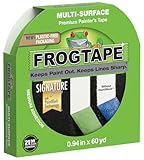
| Multi-Surface (e.g., FrogTape Multi-Surface) | Proprietary acrylic formulation (often with paint-blocking technology) | Most surfaces including drywall, wood, glass, metal, painted plastics |
Pretty solid, especially FrogTape’s green stuff for sharp lines. Good adhesion without being a beast to remove. Versatile, but still check surface. |
| Rough Surface (e.g., FrogTape Pro Grade, some 3M exterior) | Aggressive acrylic or possibly rubber/latex blend | Brick, concrete, stucco, textured surfaces |
Use ONLY if you need serious grip. Will likely leave residue or pull paint on smooth surfaces. Definitely a higher chance of latex here. |
| Economy/Discount Store Tape | Often unspecified, can be aggressive rubber/latex-based | Very basic, non-important tasks. Might work for covering things you’re discarding. |
Avoid if you value your sanity and your paint job. High risk of residue, paint lift, and frustration. The question of ‘does painters tape have latex’ is often answered with a sticky ‘yes’ here. (See Also: Does Masking Tape Work The Same As Painters Tape ) |
Common Mistakes and How to Avoid Them
Even with the right tape, you can still mess things up. It’s almost an art form, the art of the botched tape job.
The most common mistake is leaving the tape on too long. Paint needs to cure, but it also needs the tape to be removed while it’s still slightly flexible, not rock hard.
If you wait too long – say, a day or two on a humid wall – the paint can basically cure onto the tape’s adhesive. When you peel it, you’re not just removing tape; you’re trying to break a chemical bond between dried paint and dried adhesive. This is a guaranteed way to get jagged lines and torn paint.
I’ve been guilty of this more times than I care to admit, usually because I got distracted or just wanted to put off the next step.
Another big one is not pressing the tape down firmly enough. If there are gaps or loose edges, paint will seep underneath. This is where that question, ‘does painters tape have latex?’, becomes less about the ingredients and more about the application. A properly sealed edge, regardless of the adhesive’s specific chemistry, is key. Run your fingernail or a putty knife along the edge to create a good seal. Make sure there are no wrinkles or bubbles in the tape either, as these create pathways for paint to sneak under.
Using the wrong tape for the surface is another classic blunder. As we’ve discussed, using a high-tack tape designed for brick on delicate wallpaper is a recipe for disaster. Conversely, using a super-low-tack tape on a rough, unprimed surface might mean it doesn’t stick well enough, leading to paint bleed. Always read the packaging and match the tape to your project. I once tried to paint a fairly smooth, but old, plaster wall with a tape that was clearly for exterior masonry. It was a nightmare. It stuck too well, and I had to carefully razor blade off the residue, creating more work than just taping properly in the first place.
And don’t even get me started on removing tape too quickly or at the wrong angle. Ripping it off at a 90-degree angle is a fast track to jagged edges. You want to pull it back slowly, at a shallow angle (around 45 degrees), against the painted surface. This helps the tape lift cleanly away from the line. For very sharp lines, some pros even score the edge of the paint with a utility knife just before removing the tape. This creates a clean break point and makes sure the paint edge is perfectly defined. It’s a bit extreme for DIY, but it shows the level of care some folks take.
Finally, let the paint dry properly between coats, but also remove the tape at the right time. If you’re doing multiple coats, often the best time to remove the tape is after the last coat has been applied but is still wet or only slightly tacky. This allows the paint to adhere to itself and peel away from the tape cleanly. If you wait until it’s fully dry, you risk the paint curing onto the tape. It sounds counterintuitive, but many pros swear by removing tape while the paint is still workable. It takes practice, but it’s a technique worth trying for that perfect finish.
Does All Painters Tape Contain Latex?
No, not all painters tape contains latex. While some general-purpose or budget tapes may use latex-based adhesives for tackiness, many high-quality painters tapes, especially those designed for delicate surfaces or clean removal, use acrylic-based or other specialized synthetic adhesives. The presence of latex often depends on the tape’s intended application and its tackiness level.
Is Latex in Painters Tape Harmful?
For most people, the latex in painters tape is not a direct health concern, as it’s typically bound within the adhesive and not in direct contact with skin for extended periods. However, individuals with severe latex allergies might want to exercise caution, though actual allergic reactions from tape are rare. The primary concern is how latex adhesives can interact with painted surfaces, potentially causing residue or paint lifting upon removal.
How Can I Tell If Painters Tape Has Latex?
It can be difficult to tell definitively without an ingredient list, which is rarely provided on tape packaging. However, tapes that are extremely cheap, very sticky, or explicitly marketed for rough surfaces are more likely to contain latex. Conversely, tapes labeled ‘delicate surface,’ ‘low tack,’ or those from reputable brands that highlight clean removal are generally less likely to rely heavily on latex. Your best bet is to look for brand descriptions emphasizing their adhesive formulation or intended use.
What Kind of Adhesive Is Best for Painters Tape?
The ‘best’ adhesive depends on the surface and your needs. For general interior painting on smooth walls, acrylic-based adhesives offer a good balance of tack and clean removal. For delicate surfaces like wallpaper or fresh paint, low-tack acrylics are preferred. For rough surfaces, a more aggressive adhesive, which might include rubber or latex compounds, is needed for proper adhesion, but this increases the risk of residue on smoother finishes. The key is a formulation that provides sufficient adhesion without damaging the underlying surface upon removal.
Final Verdict
So, to wrap this up, does painters tape have latex? It’s a ‘sometimes’ rather than a ‘always’. You’ll find it more in the cheaper, more aggressive tapes and less in the specialized ones designed for delicate surfaces or guaranteed clean removal. My advice? Stop buying the cheapest roll you can find. Spend a few extra bucks on tape from a reputable brand that clearly states its purpose.
If you’re painting anything that matters – your own home, a client’s project, or something you’ve spent hours prepping – that extra investment in the right tape will save you headaches, time, and potentially a whole lot of money in repairs. Always read the label, consider your surface, and when in doubt, go for the tape that screams ‘clean removal’ louder than it screams ‘sticky mess.’
Next time you’re at the hardware store, take a moment to look beyond the bright blue roll. Your future self, admiring a perfectly crisp paint line, will thank you.