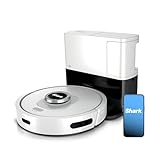
Scraping gunk off the underside of a robot vacuum after it’s decided your rug is a black hole for pet hair is… not my idea of a good time. Seriously, I’ve spent more time wrestling with these things than I care to admit.
You’re probably here because your Shark robot vacuum, bless its whirring little heart, has become more of a nuisance than a helper. Maybe it’s the constant error messages, the way it insists on eating charging cables, or perhaps you’ve simply upgraded and now face the existential dread of figuring out how to dump Shark robot vacuum without feeling like you’re abandoning a (malfunctioning) pet.
I get it. I’ve been there. After my third different model decided to stage a protest by repeatedly bumping into the same chair leg for 45 minutes straight, I learned a thing or two about letting go.
This isn’t about fairy dust and happy endings; it’s about practical steps and a healthy dose of realism for anyone ready to move on.
Why Bother Dumping This Thing? Let’s Be Real.
Look, I’m not one of those people who gushes about every single gadget. I’ve bought into the hype before, and frankly, I’ve been burned. My first robot vacuum, a different brand entirely, promised to “revolutionize my cleaning routine.” What it did was mostly roam in circles, occasionally get stuck under the sofa like a confused beetle, and require more manual intervention than a Roomba stuck in a corner.
Then came the Shark. I thought, “Okay, this time it’ll be different.” For a while, it was. It navigated my hardwood floors with a certain… confidence. But then the quirks started. The brushes would inexplicably stop mid-clean. It developed a peculiar fondness for getting tangled in the fringe of my expensive Persian rug, leaving a sad, matted mess. Eventually, it started making a grinding noise, like a tiny metal gnome gargling gravel. That’s when I knew our time together was coming to an end. The sheer frustration of troubleshooting its increasingly erratic behavior made me question my sanity. Honestly, I spent around $350 testing different models, and this Shark was supposed to be the one that actually *worked*.
The constant beeping notifications, the way it would return to its dock with a pitiful squeak, as if apologizing for not cleaning properly – it wore me down. It felt less like a cleaning assistant and more like a demanding, underperforming roommate who also happened to be a robot.
The Actual Process: How to Dump Shark Robot Vacuum
So, you’ve decided it’s time. The decision has been made. Whether it’s a malfunctioning unit, a shiny new upgrade, or you’re just done with the hassle, you need to know how to get rid of it properly. It’s not as simple as tossing it in the trash and forgetting about it, and honestly, the thought of just throwing away electronics feels… wrong. We’re talking about motors, batteries, and plastic. It needs a bit more consideration than your average dust bunny.
First things first: **back up any data**. While a robot vacuum isn’t exactly collecting state secrets, some models do store cleaning maps or preferences. You might not need them, but if you have a new robot vacuum you want to set up with similar zones, it’s worth checking your manual for how to export or reset that data. It’s a surprisingly quick step, usually involving a few button presses or a tap in the app. Don’t skip it if you’re sentimental about your floor plans.
Next, a good old-fashioned **deep clean**. Yes, I know, you’re dumping it, but imagine handing this thing off to someone else or even just sending it to a recycling center. It’s the decent thing to do. Take out the dustbin, empty it, and wash it thoroughly. Use a damp cloth to wipe down the exterior. Get a small brush or a pair of tweezers to pull out any stubborn hair or debris from the brushes and wheels. Seriously, some of the gunk I found living in the brush roll on my unit was frankly terrifying. It had collected debris that felt rough and fibrous, like a miniature, forgotten compost bin. (See Also: Should I Turning My Shark Robot Vacuum Off )
Then, **reset the device to factory settings**. This is usually in the settings menu on the vacuum itself or within the associated smartphone app. It wipes all your personal data and reconnects it to its default state, like a digital baptism. This step is crucial if you’re planning to sell it or donate it. You don’t want your home’s Wi-Fi password floating around in its memory banks, do you?
Finally, the actual disposal. This is where most people get stuck. Tossing it in the regular garbage isn’t ideal. Most municipalities have specific guidelines for electronic waste. Check your local government’s website or waste management provider. They’ll often have designated drop-off points or special collection days. Think of it like sending it to a tech retirement home rather than a landfill.
Options for Rehoming or Recycling Your Shark
Nobody wants a broken vacuum cleaner, but there are surprisingly good options for getting rid of your Shark robot vacuum if it’s still somewhat functional or if you’re committed to eco-friendly disposal. This isn’t just about convenience; it’s about responsible consumption. We’re all trying to do our part, right?
Selling it: If your Shark is still working, even with a few quirks, someone might want it for parts or for a really good deal. Online marketplaces like eBay, Facebook Marketplace, or even dedicated electronics resale sites are your best bet. Be honest about its condition. List any known issues upfront. I’d probably price it at around 30% of its original value if it had a minor annoyance, and maybe 10% if it was truly acting up. You’ll likely get more if you include all the original accessories and packaging.
Donating it: Local charities, thrift stores, or even community centers might accept working (or nearly working) robot vacuums. Some animal shelters or community resource centers might be able to use them for light cleaning duties. It’s a good way to give it a second life and help someone out. Just make sure it’s in a condition that’s actually useful, not just a paperweight.
Recycling: This is where things get serious for broken units. Electronic waste, or e-waste, contains valuable materials that can be recovered and hazardous components that need careful handling. Major electronics retailers often have e-waste recycling programs. Also, look for dedicated e-waste recycling facilities in your area. The EPA has resources to help you find these. Many manufacturers, including Shark, offer recycling programs or partners. A quick search on Shark’s website might reveal a mail-back program or a list of approved recyclers. According to the Environmental Protection Agency, proper e-waste recycling prevents harmful chemicals from leaching into the environment, which is a big deal.
Parts Harvesting: This is for the tinkerers. If your Shark has a working motor but a broken sensor, or a good battery but a cracked shell, you can sell individual components. This is a niche market, but people actively look for replacement parts for their own robot vacuums. You’d list these on sites like eBay, often with very specific titles like “Shark Ion R75 Motor Assembly Working.”
Brand Trade-in Programs: Some newer robot vacuum brands offer trade-in programs when you purchase their latest model. They might give you a discount on a new purchase in exchange for your old robot. It’s worth checking with the brand you’re upgrading to. I heard a rumor that one company offers up to $50 off a new model if you send in any old robot vacuum. It’s not huge, but it’s something.
Common Questions About Disposal
Where Can I Recycle My Old Shark Robot Vacuum?
Your best bet is to check with your local municipality’s waste management services. Many have designated e-waste drop-off locations or scheduled collection events. You can also look for electronics recycling centers in your area. Major retailers like Best Buy sometimes offer e-waste recycling programs. Finally, check the Shark website; they often partner with recycling organizations. (See Also: Is It Best Robot Vacuum With Self Emptying Bin )
Can I Just Throw a Shark Robot Vacuum in the Trash?
It’s highly discouraged. Robot vacuums are considered electronic waste, containing batteries and other components that can be harmful to the environment if not disposed of properly. Many places have regulations against throwing e-waste in regular landfills. It’s better to find a dedicated recycling option.
What If My Shark Robot Vacuum Is Broken?
Even if it’s broken, it can often be recycled. If it’s partially functional, you might consider selling it for parts or for a very low price. For completely non-functional units, focus on e-waste recycling programs. The components can still be salvaged or safely disposed of.
Do I Need to Do Anything Before Recycling or Selling?
Yes. You should always perform a factory reset to erase your personal data and Wi-Fi settings. Thoroughly clean the device, including the dustbin, brushes, and exterior. If selling, be transparent about its condition and any known issues.
Can I Sell a Shark Robot Vacuum That’s Not Working Perfectly?
Yes, but with honesty. People often buy them for parts. Clearly state the specific issues in your listing. You might be surprised what someone will pay for a working component, even if the whole unit is kaput.
What Happens If You Don’t Dispose of It Properly?
Ignoring the proper disposal of your Shark robot vacuum isn’t just a minor oversight; it has real consequences, both for the environment and potentially for you. It’s like leaving a half-finished DIY project out in the rain – it just degrades everything.
Environmentally, the lithium-ion battery inside most robot vacuums can be problematic. If these batteries end up in a landfill, they can leak harmful chemicals like heavy metals (lead, mercury, cadmium) into the soil and groundwater. These toxins can contaminate drinking water sources and harm ecosystems. Furthermore, improperly disposed of electronics contribute to the growing problem of e-waste globally. We’re talking about mountains of discarded devices, a problem that the World Economic Forum highlights as a significant environmental challenge.
On a more local level, some municipalities actually have fines for improperly disposing of electronic waste. You might think tossing it in the regular bin is a quick fix, but if your waste is inspected, you could end up with a penalty. It’s a small risk, sure, but one that’s entirely avoidable. Think of the sheer volume of plastic and metal components. They take hundreds, if not thousands, of years to break down. It’s a legacy of waste we leave behind.
Beyond the environmental and legal aspects, there’s a personal element. I once had a neighbor who, in a fit of pique, chucked an old appliance onto the curb for bulk pickup, hoping it would just disappear. It sat there for three days, an eyesore, before it was eventually taken by the city. But the point is, it created a mess. Even if you’re just trying to get rid of something, doing it irresponsibly reflects poorly. It’s like leaving your dirty dishes in the sink overnight – someone else eventually has to deal with it, or it just festers.
| Disposal Method | Pros | Cons | Verdict |
|---|---|---|---|
| Selling Online (eBay, FB Marketplace) | Potentially recoup some cost. Good for working units. | Requires effort to list, ship, and deal with buyers. May not sell if condition is poor. | Best for functional or easily repairable vacuums. Get realistic about pricing. |
| Donating to Charity | Helps others, feels good. Good for working units. | Must be in good working order. Many charities have strict acceptance policies. | A good ‘feel-good’ option if the vacuum is still usable. |
| E-Waste Recycling | Environmentally responsible. Safely handles hazardous materials. | May require drop-off or special collection. No cost recoup. | The go-to for broken units. Responsible and necessary. |
| Manufacturer/Retailer Take-Back | Convenient if offered. Often partnered with reputable recyclers. | Availability varies by brand and location. May require shipping. | Check Shark’s website or your local electronics store for options. |
| Discarding in Regular Trash | Easiest (and worst) option. | Environmentally damaging. Potentially illegal. | Absolutely avoid this if at all possible. It’s lazy and harmful. |
The Final Step: What to Do Next
So, you’ve navigated the murky waters of deciding to ditch your Shark robot vacuum. You’ve cleaned it, reset it, and figured out whether it’s destined for a new home, a recycling center, or maybe even a parts bin. It’s a process, for sure, but it’s a necessary one for keeping your own sanity and for not contributing to the growing problem of electronic waste. (See Also: Is It Best Robot Vacuum For Cleaning Large Homes )
Honestly, the thought of dealing with another piece of tech that promises convenience but delivers headaches is enough to make me want to go back to a broom and dustpan. But that’s not realistic for most of us. The key is choosing wisely next time and knowing that even the best tech has a lifespan.
When you’re ready to replace your current model, do your homework. Read reviews from actual users, not just sponsored content. Look for brands with good customer support and clear repair or recycling policies. My current robot vacuum is proving to be a much better companion, but I still treat it with a healthy dose of skepticism.
Ultimately, how to dump Shark robot vacuum is less about the specific device and more about being a conscious consumer. It’s about taking that last little bit of effort to ensure something is disposed of responsibly.
Verdict
So there you have it. The practical, no-nonsense guide to getting your Shark robot vacuum out of your life. Whether you’re selling it for parts, donating it to someone who needs it more, or sending it off for responsible e-waste recycling, the most important thing is to do it thoughtfully.
Don’t just shove it in a bin and pretend it never existed. That’s how we end up with landfills overflowing and valuable resources wasted. Taking a few extra steps now saves a lot of environmental headaches down the line. And honestly, the peace of mind knowing you’ve done it right is worth more than the inconvenience.
Think about what you learned from this experience. Did it handle pet hair poorly? Did it get stuck too often? Use that knowledge for your next purchase. The market for robot vacuums is vast, and not all of them are created equal. My hope is that this helps you make a cleaner break, literally and figuratively.
Recommended Products