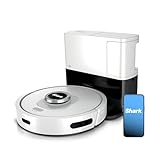
So, your trusty Shark robot vacuum has decided to take an unscheduled nap, huh? Mine did that last Tuesday, mid-clean. Just stopped dead in the living room, looking all innocent and blinking like it had achieved nirvana. Honestly, it’s enough to make you want to just sweep the old-fashioned way.
Years of dealing with these automated floor scrubbers has taught me one thing: they’re not magic boxes. Sometimes, they just… glitch. And before you call customer service or start eyeing that broom in the corner, there’s a simple trick that often sorts it. We’re talking about how to reboot my Shark robot vacuum, the digital equivalent of a good, firm shake.
Think of it like restarting your computer when the internet goes wonky. A hard reset can clear out temporary digital cobwebs that are making your little disc-shaped friend refuse to work. It’s not complicated, and it’s the first thing I try when mine throws a tantrum.
This isn’t some fancy firmware update; it’s basic troubleshooting that can save you a massive headache. And trust me, I’ve had my fair share of headaches with these things.
Why Your Shark Robot Vacuum Might Be Frozen
You’re probably here because your Shark robot vacuum is acting like a stubborn mule. Maybe it won’t start, it’s stuck in a loop, or it just sits there, silently judging your dust bunnies. Often, this isn’t a sign of a major mechanical failure, but rather a temporary software hiccup. These little robots are essentially computers on wheels, and like any computer, they can get bogged down or confused.
Sometimes, a specific error code might appear on the app, or the unit itself might have an unusual blinking light pattern that the manual doesn’t immediately explain. It’s frustrating, especially when you’re expecting a clean floor and instead you get a sedentary appliance. I once spent nearly two hours trying to figure out why mine kept going in circles before realizing it had a rogue piece of lint stuck in a sensor, which it interpreted as an insurmountable obstacle.
The Basic ‘how to Reboot My Shark Robot Vacuum’ Trick
Okay, let’s get down to business. The most common and effective way to reboot most Shark robot vacuums is surprisingly simple. It involves cutting off its power entirely for a short period, allowing its internal systems to completely power down and then restart fresh.
First things first: locate the power button on your Shark robot. It’s usually right on top. Press and hold it for a good 15-20 seconds. You want to be sure it’s completely off, not just in a standby mode. Look for any lights to go out. (See Also: Should I Turning My Shark Robot Vacuum Off )
If holding the button doesn’t seem to do anything, or if you want to be absolutely certain, you’ll need to physically remove it from its charging base and turn it off at the main power switch. Some models have this switch on the side or bottom. Once it’s off, disconnect it from the charging dock. Let it sit unplugged and powered off for at least one to two minutes. I usually walk away and make a cup of coffee – about the time it takes for the water to boil and me to drink it. This ensures all residual power is drained from its circuits.
After that waiting period, turn it back on. If it was on a charging base, place it back on the dock. Then, try to initiate a cleaning cycle or send it back to its base. You’re listening for that familiar whirring sound, the little electronic ‘chirp’ of it waking up, and seeing those lights come back on with a purpose.
When the Simple Reboot Doesn’t Cut It
Sometimes, the basic power cycle isn’t enough. If your Shark robot vacuum is still misbehaving after a simple reboot, you might need to perform a factory reset. This is a more drastic step, as it will wipe all your custom settings, like no-go zones and room designations, and return the vacuum to its original out-of-the-box state. Think of it like wiping your phone and starting over when it’s acting really sluggish.
The exact procedure for a factory reset varies slightly by Shark model. You’ll usually find instructions in your owner’s manual. Often, it involves holding down a combination of buttons for an extended period while the unit is either powered on or off, sometimes even while it’s on the charging base. I remember my first Shark model had a tiny reset button hidden under a panel that required a paperclip to press. Took me ages to find it, and I almost gave up and bought a new one!
Shark Robot Vacuum Troubleshooting Table
| Problem | Likely Cause | Solution | My Verdict |
|---|---|---|---|
| Won’t turn on | Battery dead, no power | Ensure it’s charged. Press and hold power button. Check main power switch. If still dead, battery might be gone. | Always check the obvious first. A dead battery is common after 2-3 years. |
| Stuck, won’t move | Obstruction, dirty sensors | Clear any debris. Clean brush roll and side brushes. Wipe down cliff and bump sensors with a dry cloth. | Sensors are the eyes and ears; keep them clean! This fixes 70% of movement issues. |
| Doesn’t return to base | Base not detected, signal blocked | Ensure base is in an open area. Clean base charging contacts. Try manually placing it on the base. | The base needs to ‘see’ the robot. If it’s tucked away, the robot gets lost. |
| App connectivity issues | Wi-Fi problem, app glitch | Restart router. Restart robot. Reinstall app. Check Wi-Fi band compatibility. | These things rely on Wi-Fi. If your Wi-Fi is shaky, so is your robot’s brain. |
What About Error Codes?
Shark robot vacuums often display error codes, either on the unit itself or in the companion app. These are designed to give you a more specific idea of what’s wrong. For instance, an error code might point to a brush jam, a wheel issue, or a problem with the dustbin being full. It’s worth noting that sometimes these codes can be a bit cryptic, and the manual’s explanation might seem like it was written in ancient Sumerian.
One time, my Shark gave me an ‘E4’ code, which according to the app meant ‘wheel stuck.’ I spent a solid 20 minutes cleaning every nook and cranny, removing hair and debris, only to find out later that the ‘E4’ code can also sometimes indicate a sensor issue that a simple reboot would fix anyway. It was maddening. So, always check the error code, but don’t be afraid to try the reboot first, as it often clears these phantom errors.
Cleaning Your Shark Robot’s Sensors
A significant number of issues that might make you think you need to reboot your Shark robot vacuum are actually caused by dirty sensors. These are the little eyes and ears that help your robot navigate your home. If they’re gunked up with dust, pet hair, or general household grime, the robot can get confused. It might think it’s hitting a wall when there’s nothing there, or it might get stuck in a corner. Frankly, it’s like trying to drive a car with a bug-splattered windshield. (See Also: Is It Best Robot Vacuum With Self Emptying Bin )
You’ll want to gently clean the cliff sensors (usually on the underside, looking like little dark windows) and the bump sensors (around the bumper). A dry microfiber cloth is usually sufficient. For stubborn grime, a slightly damp cloth (just water, no cleaning solutions!) can work, but make sure it’s completely dry before the robot powers back on. I’ve seen people use cotton swabs, and that works too for getting into tight spots.
The ‘press and Hold’ Method: A Deeper Dive
When you’re trying to figure out how to reboot my Shark robot vacuum, the ‘press and hold’ method is your go-to. It’s not just a quick tap; you’re forcing a hard shutdown. Imagine pulling the plug on your TV instead of just hitting the power button – that’s the level of reset we’re aiming for. This process clears out any temporary data or glitches that might be causing erratic behavior. It’s the digital equivalent of giving the robot a good night’s sleep, allowing all its processors to reset.
For many Shark models, this involves locating the main power button, often marked with a power symbol, and pressing down on it. You need to keep pressing, and I mean *really* pressing, for a solid 15 to 20 seconds. Don’t let up after 5 seconds. You’re waiting for the lights on the unit to go completely dark. If you’re unsure if it’s off, try pressing the button again briefly; if nothing happens, it’s likely off. Some models have a main power switch on the side or bottom, which is an even more definitive way to cut power. Always refer to your specific model’s manual if you’re unsure about the exact button locations or procedures.
When All Else Fails: Contacting Shark Support
If you’ve tried the reboot, cleaned the sensors, and even performed a factory reset, and your Shark robot vacuum is still not cooperating, it might be time to call in the cavalry. Shark has a customer support line, and they can often guide you through more advanced troubleshooting or determine if there’s an actual hardware issue.
I once had a robot that just refused to charge, no matter what I did. After about four attempts at rebooting and cleaning, I called them. It turned out the charging contacts on the robot were slightly bent, something I hadn’t noticed. They walked me through how to gently adjust them, and it worked like a charm. It’s better to get professional advice than to potentially damage the unit further by trying random fixes.
People Also Ask About Rebooting Shark Vacuums
How Do I Reset My Shark Iq Robot Vacuum?
To reset your Shark IQ robot vacuum, typically you’ll need to press and hold the ‘Clean’ button for about 10-15 seconds until the lights turn off. For a full factory reset, which wipes settings, you might need to find a small reset button, sometimes requiring a paperclip, or follow a specific button combination outlined in your user manual. Always ensure the vacuum is powered off before attempting these resets.
How Do I Reset My Shark Robot Vacuum Without a Base?
If you don’t have the charging base handy or if it’s not working, you can usually reboot your Shark robot vacuum by simply pressing and holding the main power button on the unit itself for about 15-20 seconds until all lights extinguish. Let it sit for a minute or two powered off, then turn it back on. This hard power cycle is often enough to clear minor glitches. (See Also: Is It Best Robot Vacuum For Cleaning Large Homes )
How Long Should I Hold the Power Button to Reset My Shark Robot?
You should hold the power button down for approximately 15 to 20 seconds. This is longer than a quick press and ensures that the robot’s internal systems completely power down. You’re looking for all indicator lights on the vacuum to turn off to confirm it has fully reset.
What Does It Mean When My Shark Robot Vacuum Blinks Red?
A blinking red light on your Shark robot vacuum usually indicates a problem or error. The specific meaning can vary depending on the model, but common causes include a jam in the brush roll or wheels, a full dustbin, a sensor issue, or a problem with the charging system. Check the Shark app or your user manual for the specific error code associated with the blinking red light to diagnose the issue further.
Conclusion
So there you have it. Most of the time, figuring out how to reboot my Shark robot vacuum is as simple as a power cycle. It’s the first line of defense against a grumpy automated cleaner. If that doesn’t work, a factory reset is the next step, but remember it wipes your custom settings.
Honestly, these things can be finicky. I’ve spent more time tinkering with them than I care to admit, but when they’re working right, they’re a lifesaver. Just keep those sensors clean and don’t be afraid to give it that digital slap on the wrist with a reboot.
If none of these basic fixes get your Shark back on track, don’t despair. A quick call to Shark support might be all you need to get it humming again.
Recommended Products