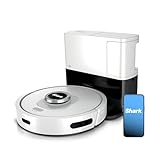
Frustrating, isn’t it? That little disc of supposed automation just sits there, blinking its ‘connect me’ light like a digital cry for help. I remember the sheer agony of trying to get my first robot vacuum, a different brand entirely, to talk to my Wi-Fi. Hours I spent, muttering curses at the manual and the tiny blinking lights, feeling like I was wrestling with a particularly stubborn toaster.
When it comes to actually getting your Shark robot vacuum connected and working, it’s less about complex engineering and more about just… following a few steps without overthinking it. Honestly, most of the online fuss you see about how to pair my Shark robot vacuum is just noise.
This isn’t rocket science, but it might feel like it if you’ve had a rough go of it. Let’s cut through the marketing fluff.
Okay, Let’s Actually Pair My Shark Robot Vacuum
Right, so you’ve got your Shark robot vacuum, probably still in the box or maybe you’ve had it for a bit and this whole ‘pairing’ thing just never happened. You’re staring at the app, the vacuum, and maybe a cup of coffee you desperately need. First things first, deep breath. This shouldn’t take an eternity, though I’ve certainly spent longer than my fair share of evenings wrestling with tech that felt determined to remain stubbornly disconnected.
My very first smart home gadget, a smart plug, took me about three hours and a near-meltdown to connect to my network. I’d read all the guides, followed every instruction to the letter, and it just refused. Turns out, my router was broadcasting on a less common 5GHz band, and the plug, bless its simple little circuits, only wanted 2.4GHz. Sound familiar? This is a common hiccup with many smart devices, and your Shark robot vacuum is no different. It craves the simpler Wi-Fi signal, the one that’s been around forever.
So, before you even think about pressing buttons, make sure your home Wi-Fi network is broadcasting a 2.4GHz signal. Most modern routers do this automatically, but if you’ve got a super-fancy dual-band setup, you might need to check your router settings. Honestly, if you’re not sure, just try connecting your phone to the network that sounds like your home name (e.g., ‘MyHomeWiFi’) and see if you can get online. If you can, chances are good your Shark is also going to be able to find it. This isn’t about the vacuum being picky; it’s about the underlying tech it uses to communicate, which is often designed for simplicity and wider compatibility, not the bleeding edge of bandwidth.
The App Is Your New Best Friend (sort Of)
You absolutely need the SharkClean app. There’s no getting around it. This isn’t like some old-school gadgets where you just punch buttons on the device itself. The app is where the magic happens, or at least, where the pairing ritual takes place. Download it from your app store – it’s usually free, which is a good start.
Once it’s installed, you’ll need to create an account. Yes, another one. I know, I’ve got more login credentials than I have pairs of socks at this point. But this account links your vacuum to your phone, and eventually, to your home. Follow the prompts to set up your profile. It’s pretty standard stuff: email, password, maybe a security question that you’ll forget the answer to in six months. (See Also: Should I Turning My Shark Robot Vacuum Off )
Now, here’s where we get down to business. Inside the app, look for an option to ‘Add a Device’ or ‘Set Up New Robot’. It’s usually pretty prominent, often with a plus (+) sign or a clear button. Tap that. The app will then start asking you questions, and this is where you need to pay attention.
It will want your Wi-Fi network name (SSID) and password. Get these exactly right. One typo, one misplaced capital letter, and you’re back to square one. I’ve spent upwards of forty minutes troubleshooting a connection because I mistyped my Wi-Fi password, convinced the device itself was faulty. It was just me, being a typical human who can’t type worth a damn under pressure.
Keep your Shark robot vacuum close to your router during this initial setup. I’m talking within, say, 15-20 feet. It’s like trying to have a conversation in a loud room; the closer you are, the clearer the signal. Once you’ve entered your Wi-Fi details, the app will likely tell you to put your vacuum into pairing mode. This usually involves pressing and holding a specific button on the vacuum itself – check your manual or the app’s instructions for the exact button. It might beep or start flashing a different light pattern to show it’s ready.
Then, you hit ‘Connect’ or ‘Next’ in the app. Now, sit back. This part can take anywhere from 30 seconds to a few minutes. You’ll see progress bars, spinning icons, and maybe even a little animation in the app. If it fails, don’t panic. Seriously. Just go back, double-check your Wi-Fi password, ensure the vacuum is still in pairing mode (sometimes it times out), and try again. I’ve had to attempt the process three times before it finally stuck. It’s like coaxing a shy animal out of its burrow; patience is key.
Troubleshooting: When Your Shark Ignores You
So, you’ve followed all the steps, and your Shark robot vacuum still refuses to acknowledge your existence. What now? This is where the real-world experience kicks in, beyond the glossy manual. Sometimes, the issue isn’t with the vacuum or the app, but with your home network itself. Remember that 2.4GHz versus 5GHz thing? That’s a huge culprit.
Another sneaky problem? Network congestion. If you have a ton of devices all trying to use your Wi-Fi at once – smart bulbs, speakers, phones, laptops, maybe even another robot vacuum – your network can get bogged down. It’s like trying to get through rush hour traffic on a six-lane highway; even with plenty of space, it can get choked up. Try disconnecting some other devices temporarily to see if that helps the Shark connect. It sounds drastic, but it can actually work wonders. I’ve seen my own smart devices act up when my network is overloaded, and a simple reboot of the router usually fixes it, or at least clears the immediate bottleneck.
What about firmware? Yeah, that’s a thing. Sometimes, an older firmware version on your router can cause compatibility issues with newer smart devices. You might need to check for router updates. This is a bit more technical, and honestly, if you’re not comfortable fiddling with router settings, this might be a job for someone who is, or a good reason to just contact your internet provider. Consumer Reports actually did a deep dive last year on how router security settings can impact device connectivity, and it’s way more complex than most people realize. (See Also: Is It Best Robot Vacuum For Cleaning Large Homes )
Personal Failure Story: I once spent an entire Saturday trying to get a smart thermostat to connect. I tried everything: resetting the device, changing router settings, even calling tech support who gave me the same scripted answers. Finally, in a fit of pure desperation, I decided to change the *name* of my Wi-Fi network and create a *new* password, just to see. Boom. It connected instantly. Turns out, there was some weird, invisible conflict with a previous device that had used a similar network name. It was a fluke, a one-in-a-million occurrence, but it taught me that sometimes the problem is just… weird.
Contrarian Opinion: Everyone tells you to put the robot close to the router. They’re not entirely wrong, but sometimes the problem *is* the router itself being too close. Seriously. If your router is blasting a super-strong signal right next to your vacuum, the signal can sometimes get overloaded or interfere with the vacuum’s antenna. It’s like yelling directly into someone’s ear versus speaking to them across a room; at a certain point, proximity isn’t helpful. Try moving the vacuum slightly further away, maybe 10-15 feet, but still within clear line of sight if possible, and see if that makes a difference.
Unexpected Comparison: Trying to get a stubborn smart device to connect to your Wi-Fi is a bit like training a dog. You want to use positive reinforcement – telling it ‘good job’ when it does something right (like connecting to the network). But sometimes, you have to be firm. You have to reset it, make it ‘forget’ the bad habits (previous failed connection attempts), and gently guide it back to the desired behavior (connecting to the network). If it keeps misbehaving, you might need to consult a ‘trainer’ – in this case, Shark’s customer support or a tech-savvy friend.
What If I Still Can’t Pair My Shark Robot Vacuum?
If you’ve tried all the usual suspects – checking Wi-Fi bands, network names, passwords, router proximity, and even rebooting your router and modem – and your Shark robot vacuum is still just a very expensive dust collector, it’s time for the nuclear option: customer support.
Shark has customer service for a reason. They deal with these exact issues daily. Don’t be afraid to call them. Have your vacuum’s serial number handy, and be ready to explain what you’ve already tried. They might have specific troubleshooting steps for your model or even recognize a known issue with a particular batch of devices. It’s better to spend an hour on the phone with them than another weekend pulling your hair out. Honestly, I’ve found that once you get past the initial automated system, their support staff can be surprisingly helpful, especially when you’ve already done the legwork yourself.
Common Pairing Pitfalls
My Shark robot vacuum won’t connect to the app. Make sure your phone is on the same 2.4GHz Wi-Fi network you are trying to connect the vacuum to. Also, ensure your Wi-Fi password is entered correctly in the app. Sometimes, network congestion can prevent a stable connection; try moving the vacuum closer to your router.
The vacuum isn’t showing up in the app. Double-check that the vacuum is actually in pairing mode. The indicator light should be blinking in a specific way. If it’s solid or off, it’s not ready. Try restarting both the vacuum and your phone, then re-initiate the pairing process. (See Also: Is The Shark Robot Vacuum Better Than The Irobot Roomba )
I keep getting an error message. Error messages are annoying, but they often have clues. Note down the exact error code or message. Search for it on Shark’s support website or tell it to customer service. It could indicate a specific firmware conflict or a hardware issue.
My Wi-Fi password has special characters. While most modern devices handle special characters well, some older or simpler smart devices can get tripped up. If your password is very complex, consider temporarily changing it to something simpler with just letters and numbers to see if that resolves the pairing issue.
The app says the vacuum is connected, but it won’t clean. This is a different issue than pairing, but it can happen. Ensure the vacuum is properly set up in the app, including room mapping if applicable, and that no cleaning schedules are interfering. A quick reboot of the vacuum itself often clears these glitches.
Shark Robot Vacuum Pairing vs. Other Brands
| Feature | Shark Robot Vacuum | My Experience (Other Brands) | Verdict |
|---|---|---|---|
| Initial Setup Complexity | Generally straightforward, app-guided. | Varies wildly. Some were plug-and-play, others felt like building a PC. | Shark is usually easier than the most finicky brands. |
| Wi-Fi Requirements | Primarily 2.4GHz. Needs a stable connection. | Most stick to 2.4GHz, but some newer ones handle 5GHz. | Stick to 2.4GHz for broad compatibility. Shark is standard here. |
| App Interface | Functional, gets the job done. Not overly flashy. | Some apps are like mini-operating systems; others are barebones. | Shark’s app is decent for its core function: getting it to pair and clean. |
| Troubleshooting Ease | Relies heavily on app prompts and customer support. | Often requires deep dives into router settings or forums. | Shark’s structured approach can be helpful if you follow it. |
| Frequency of Re-pairing Needed | Rarely needed once set up correctly. | Some models needed periodic re-pairing after Wi-Fi hiccups. | Once paired, Shark tends to stay paired. |
Conclusion
Look, getting your Shark robot vacuum to talk to your network isn’t a mystical art. It’s a series of steps, and most of the time, the reason it’s not working is something simple like a wrong password, the wrong Wi-Fi band, or a router that’s too far away. I’ve wrestled with enough of these things to know that frustration is common, but usually, it’s fixable.
The key to how to pair my Shark robot vacuum is patience and a methodical approach. Don’t just smash buttons. Check the app, check your network settings, and if all else fails, pick up the phone and call Shark support. They’re paid to help you with this exact problem.
So, before you declare your fancy new cleaning gadget a lost cause, try one more time, carefully following the app’s instructions. You might be surprised at how smoothly it goes the second (or third) time around.
Recommended Products